Congress Turns Up Pressure on Hospital CEOs Over Rising Healthcare Costs
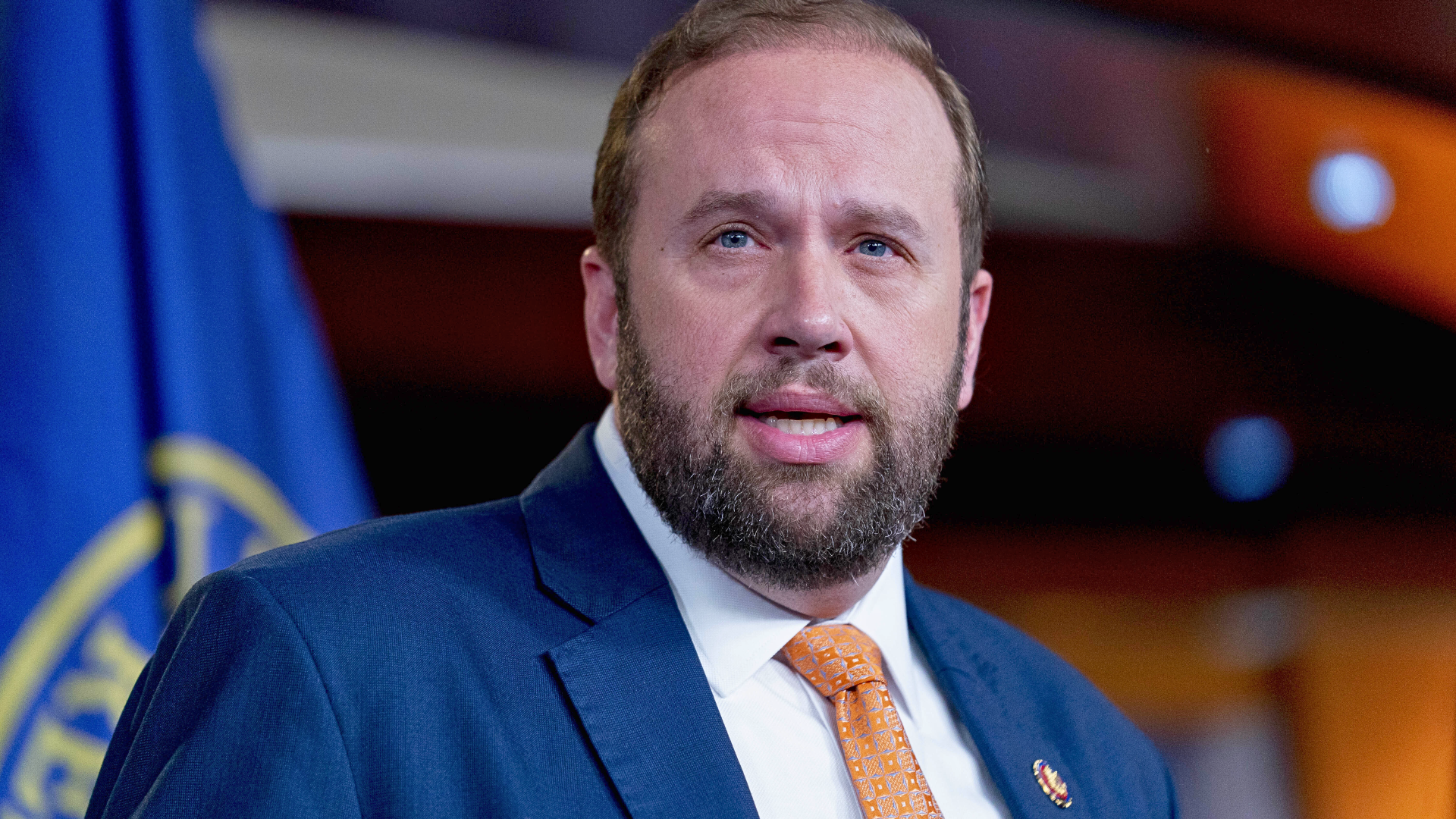

Hospital prices in the United States have risen 300% over the last two decades, outpacing every other sector of the economy. That staggering figure sat at the center of a charged congressional hearing on April 28, 2026, when the CEOs of four of the country’s largest health systems were called before the House Ways and Means Committee. Committee Chairman Jason Smith, R-Mo., did not mince words. “Simply put, hospitals are charging an insane amount for care.” He told the executives their prices were “borderline extortion.”
The hearing was the latest in a series of congressional investigations into why healthcare costs keep climbing for ordinary Americans. Months earlier, the same committee put health insurance CEOs in the same hot seat. Those executives had a ready answer: blame the hospitals. Chairman Smith arrived at Tuesday’s session with a pointed message for the hospital executives: the blame game was over. “The blame game didn’t work with insurers, and it won’t work today,” he told them. The room was ready for confrontation, but the executives had their own story to tell.
Facing Smith were the CEOs of HCA Healthcare, CommonSpirit Health, New York-Presbyterian, and ECU Health. These are not small regional clinics. Together, their systems operate hundreds of hospitals and see millions of patients each year. According to Smith, hospitals with more than 100 beds now carry higher profit margins than Delta Air Lines, Target, and Disney. The executives disputed that characterization, and the hearing that followed illustrated exactly how far apart Washington and the hospital industry remain on what is driving costs higher.
The CEOs Fight Back

Rather than accept responsibility for rising prices, the four executives pointed to a web of pressures they said left them with little choice. Wright Lassiter III, president and CEO of CommonSpirit Health, a large Catholic nonprofit system, told lawmakers that government regulations alone cost his organization an extra one billion dollars each year. “Those are resources that otherwise could be placed directly towards patient care,” Lassiter said. He urged Congress to streamline reporting requirements and create a single claims process for Medicaid to reduce that burden.
Sam Hazen, CEO of HCA Healthcare, the country’s largest for-profit hospital operator, made a different argument. The patients hospitals serve today are simply sicker and more expensive to treat, he said. “The patients we’re taking care of are more complex and require more services, technology, and new methods, new research,” Hazen told the committee. He pointed to rising rates of obesity, diabetes, and other chronic conditions as key drivers pushing hospital spending upward. Lawmakers listened, but were skeptical that these factors alone could explain a 300% price increase.
Democrats on the committee shifted the focus to a different cost driver: federal policy. Rep. Mike Thompson, D-Calif., argued that cuts to federal health programs were making affordability worse, not better. “When you cut a trillion dollars from the health care system, it forces providers to cut services and in some cases, shut down altogether,” Thompson said. He was referring to the rise in uninsured patients, which has been climbing after hitting record lows in 2023. With fewer insured patients, hospitals absorb more uncompensated care, which they argue justifies higher prices for everyone else. That argument, however, did little to quiet the committee’s deeper frustration.
How Buying Up Clinics Drives Your Bill Higher

One of the sharpest exchanges of the hearing centered on a practice called site-neutral payments, a reform that would require Medicare to pay the same amount for a procedure regardless of whether it is performed at a hospital-owned clinic or an independent doctor’s office. Currently, hospital-owned facilities collect significantly higher reimbursements for identical services. Data presented at the hearing showed that a biopsy at a hospital outpatient department costs $800. The same procedure at a physician-owned clinic costs $150. Five times more, for the same care.
Lawmakers argued this payment gap creates a perverse incentive: the more physician offices a hospital acquires, the more money it can charge for ordinary care. Rep. Ron Estes, R-Kan., put it plainly. “Patients can end up paying up to four times as much for routine care just because a hospital acquired the clinic, even though they see the exact same doctor,” Estes said. Hospital CEOs said they were open to working with lawmakers on site neutrality, but defended the existing structure, arguing that hospital-owned departments carry heavier responsibilities, including treating all patients regardless of their ability to pay.
The committee also raised a striking loophole involving how hospitals classify themselves to the government. Over 425 urban hospitals in the United States now carry a “rural” designation with the Centers for Medicare and Medicaid Services, which entitles them to higher Medicare reimbursements intended for rural facilities. In 2017, only three hospitals held that dual classification. Lawmakers zeroed in on New York-Presbyterian, whose flagship hospital in midtown Manhattan carries a rural designation. Dr. Brian Donley, the hospital’s president and CEO, acknowledged the location is “not geographically rural” but argued the hospital qualified under a federal loophole because it accepts referrals from rural facilities. Few on the committee appeared satisfied with that answer.
What Comes Next for Patients

The April 28 hearing did not produce any immediate policy changes or commitments from the health system executives. But it marked a significant escalation in Congress’s willingness to confront the hospital industry directly. The Ways and Means Committee holds jurisdiction over Medicare, Medicaid, and the tax code, all of which flow directly into hospital finances. With a federal budget reconciliation package moving through Congress, the hearing landed at a moment when health program cuts are already on the table. Hospital lobbyists have not been standing still: the American Hospital Association spent over $7 million lobbying Congress in the first quarter of 2025 alone.
The political divide running through the hearing reflects a deeper disagreement about who bears responsibility for fixing the system. Republicans focused on hospital pricing, consolidation, and what they called the misuse of taxpayer-funded programs. Democrats raised alarms about federal cuts to Medicaid and the expiration of Affordable Care Act subsidies that caused premiums to double or triple for millions of Americans late last year. Both sides agreed the system is broken. Neither offered a clear path to repairing it. In the meantime, patients keep receiving the bills.
Congress has been here before, with insurers, with drug makers, with pharmacy middlemen. Each industry sits in the same chair, offers the same defenses, and largely walks away unchanged. The real question is whether this round of hearings eventually produces binding legislation, on site-neutral payments, on rural designation rules, on merger oversight, or whether it follows the familiar pattern of congressional pressure without consequence. For the 40 million Americans who lack adequate coverage, and the millions more struggling with bills they cannot pay, the answer to that question is not abstract. It is a matter of whether they can afford to get sick.