Concern Grows Among Scientists After X-59 Supersonic Flight Is Cut Short
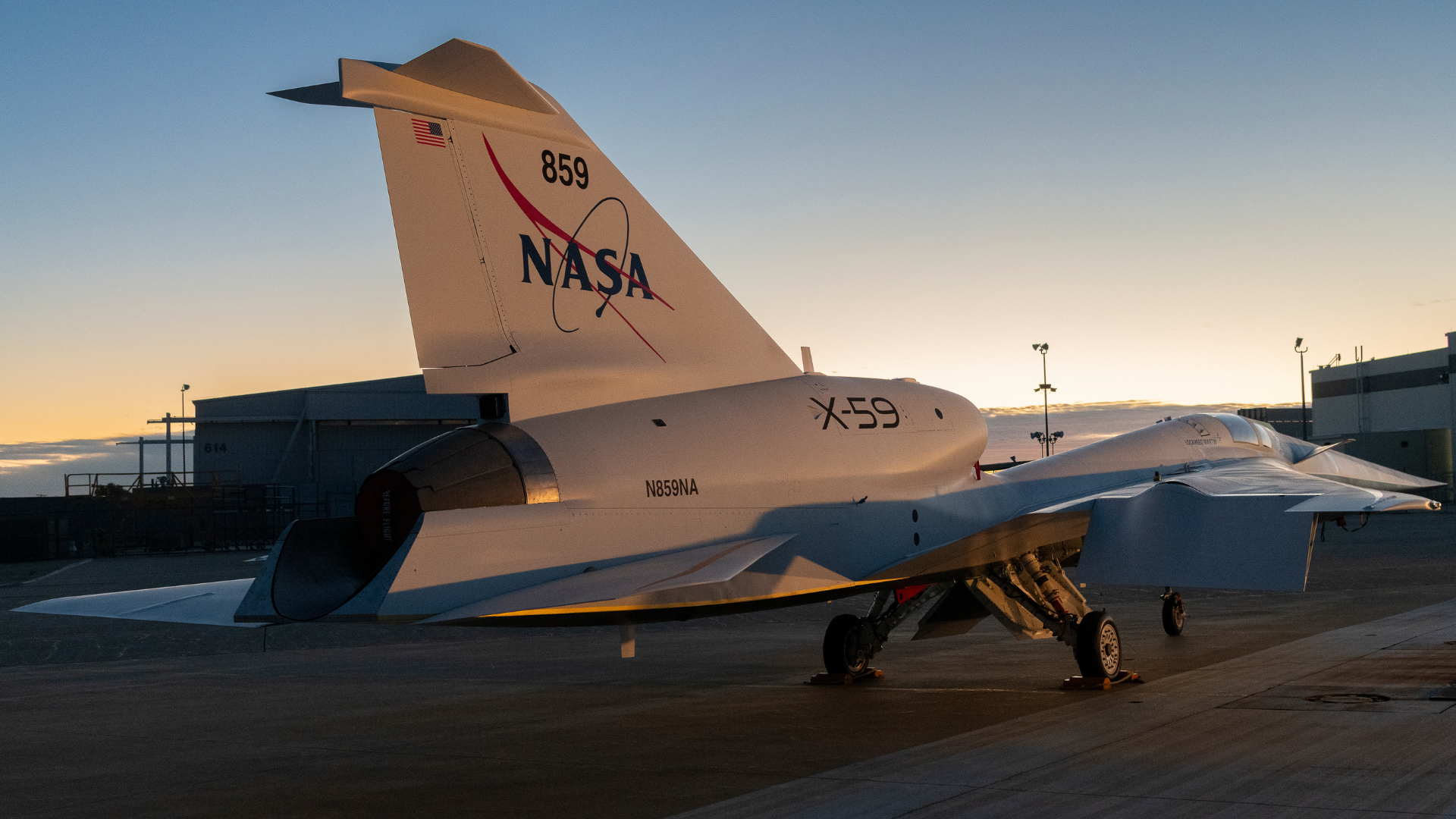

NASA’s experimental X-59 supersonic jet, designed to revolutionize air travel, is drawing renewed attention after its second test flight was unexpectedly cut short due to a cockpit warning. The aircraft, which is central to NASA’s ambitious effort to bring back supersonic travel over land, was only in the air for about nine minutes before the pilot was forced to return to base as a precaution.
The flight had originally been planned to last around an hour and push the aircraft to higher speeds and altitudes, marking a critical step forward in testing its capabilities. Instead, the early landing has raised questions about the challenges involved in developing such advanced technology, especially at a time when expectations for quieter, more efficient supersonic travel are high.
Despite the setback, NASA officials emphasized that safety protocols worked exactly as intended, with the aircraft landing smoothly and without incident. Even with the shortened flight, engineers were still able to collect valuable data, reinforcing the idea that every test, even an interrupted one, contributes to the broader mission.
What Went Wrong During The X-59 Test Flight
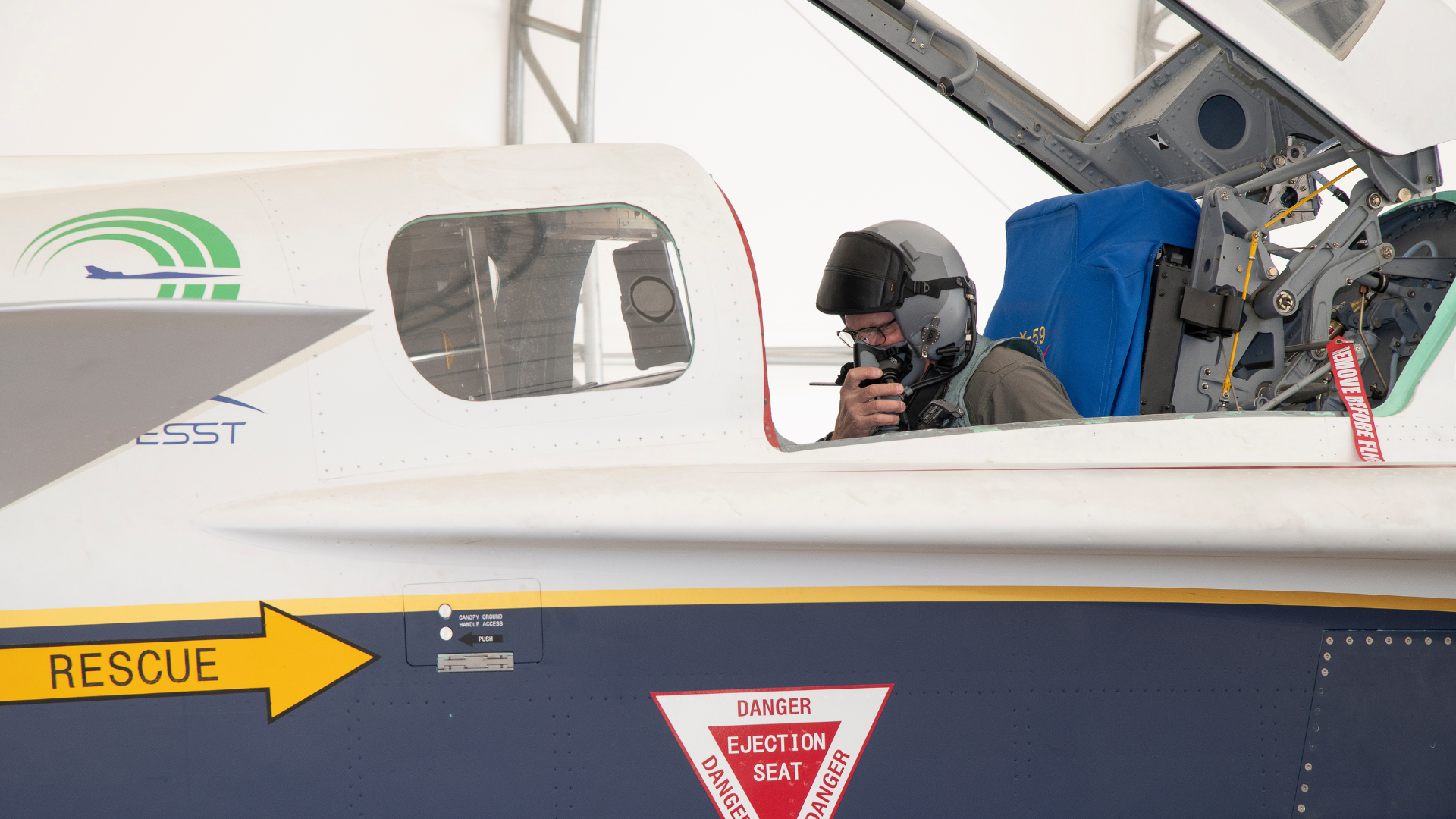
The issue that forced the early landing was a warning light that appeared in the cockpit shortly after takeoff, prompting immediate action from the pilot in accordance with strict safety procedures. Test pilot Jim “Clue” Less reported that the takeoff and initial climb were uneventful, but the warning required a rapid return to base before the planned test points could be completed.
Further investigation revealed that the warning may have been triggered by an instrumentation issue rather than a critical failure, suggesting that the aircraft itself may not have been in immediate danger. NASA teams have since moved the jet back into the hangar to analyze the system and determine exactly what caused the alert before proceeding with additional flights.
While such issues can sound alarming, experts note that unexpected warnings are not uncommon during early-stage flight testing, especially for highly experimental aircraft like the X-59. Engineers expect to encounter and resolve these kinds of problems as part of a careful, step-by-step testing process designed to ensure long-term safety and reliability.
Why The X-59 Mission Still Matters
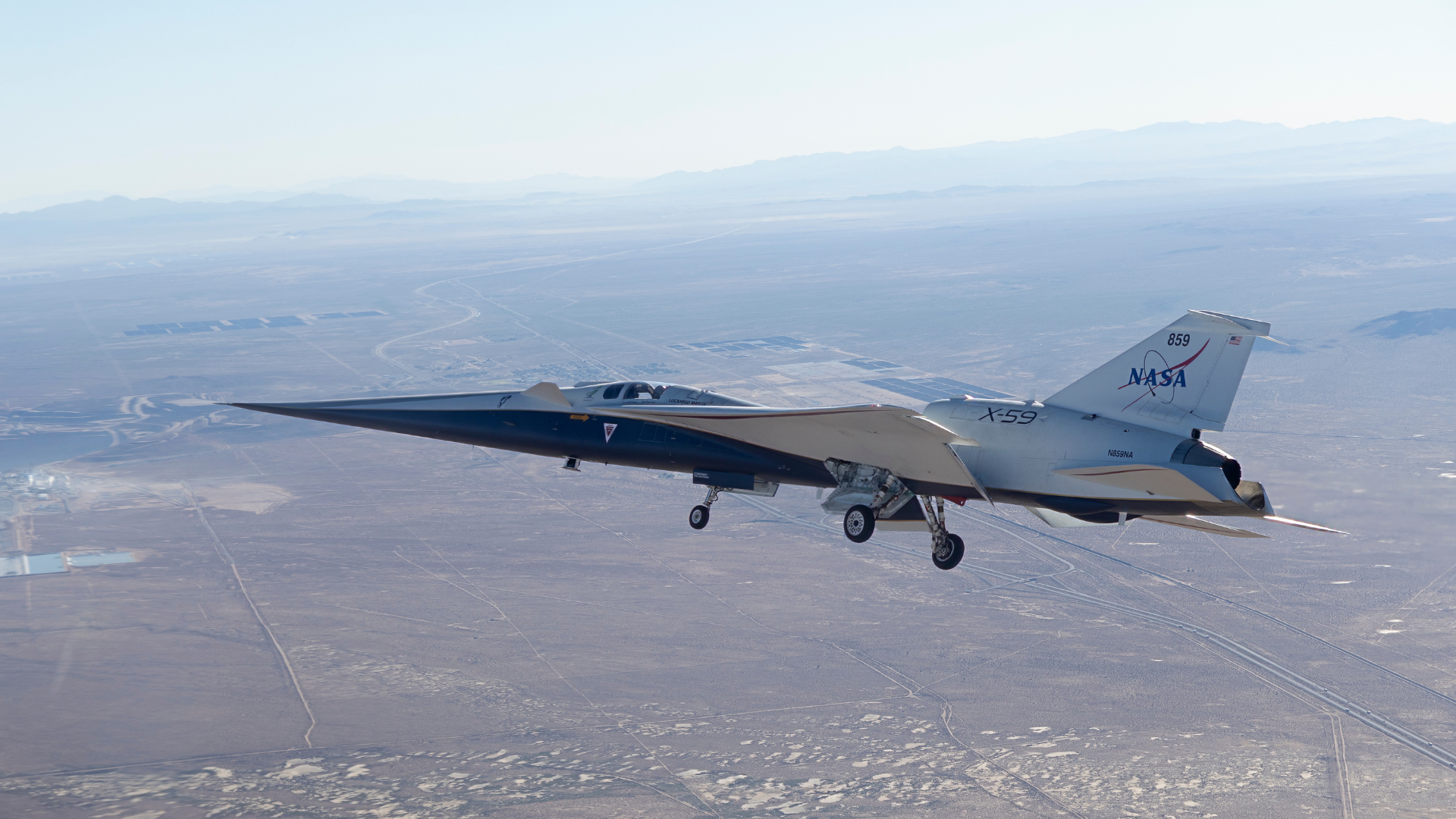
The X-59 is not just another experimental aircraft, but a key part of NASA’s Quiet Supersonic Technology mission, which aims to make supersonic flight over land viable once again. Since the 1970s, such flights have been largely banned due to the disruptive sonic booms they create, limiting the potential for faster commercial air travel.
What makes the X-59 unique is its design, which is intended to replace the loud sonic boom with a much quieter “thump,” potentially making supersonic travel acceptable for communities below. If successful, the data collected from these tests could help regulators reconsider long-standing restrictions and open the door to a new era of faster global transportation.
Each test flight, including the one that was cut short, plays a critical role in expanding the aircraft’s flight envelope, gradually pushing it to fly higher and faster while ensuring that all systems function correctly. This incremental approach is essential when working with cutting-edge aerospace technology that has never been deployed at scale before.
Setbacks Are Part Of The Path To Supersonic Innovation

Although the shortened flight has sparked concern among observers, NASA officials remain confident in the overall progress of the X-59 program, emphasizing that early testing phases are specifically designed to uncover and address issues before more advanced missions take place. These moments, while unexpected, are a normal and necessary part of developing groundbreaking technology.
The fact that the aircraft performed well during takeoff and landing, and that the pilot was able to respond quickly and safely, highlights the robustness of both the design and the testing procedures. Engineers are now focused on diagnosing the warning system and ensuring that any underlying issues are fully resolved before the next flight attempt.
Ultimately, the X-59 represents a bold step toward reshaping the future of aviation, and while setbacks may slow progress in the short term, they also provide valuable insights that bring scientists and engineers closer to achieving quiet, efficient supersonic travel for the next generation.