Colorado Enters Summer with Shrinking Water Supplies as Nearly All of the State Falls into Severe Drought
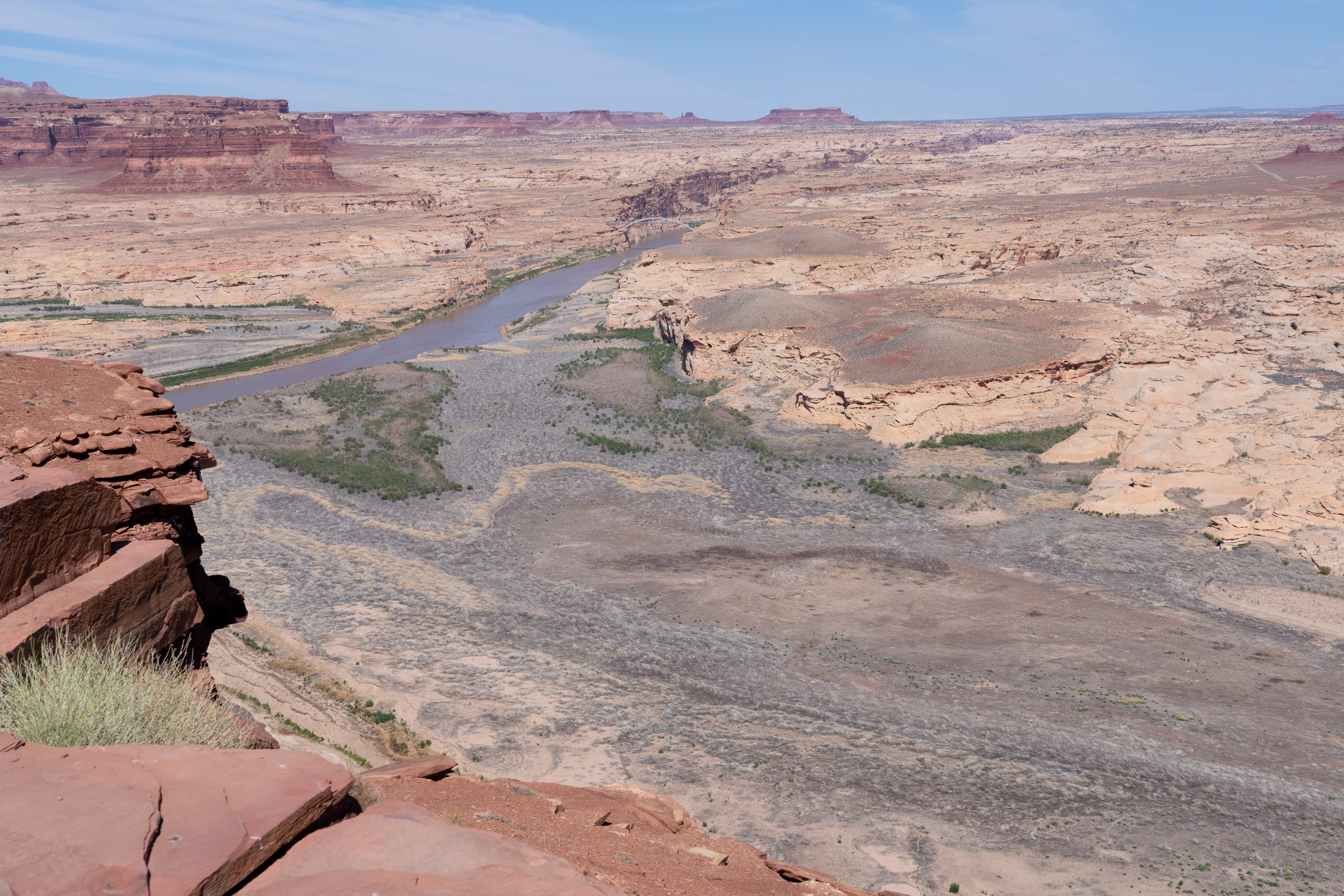

Colorado’s summer is beginning with an alarming reality: the state’s most important water reserves are running low just as temperatures climb and demand increases. After one of the weakest snow seasons in recent memory, rivers, reservoirs, and streams across Colorado are showing signs of significant stress.
State officials say the drought has intensified rapidly following a winter marked by exceptionally low snowpack and unusually warm temperatures. Because most of Colorado’s water supply originates as mountain snow that gradually melts into rivers and reservoirs, a poor snow season can ripple through the entire economy for months. This year, those concerns are becoming increasingly visible.
Nearly every corner of Colorado is now experiencing drought conditions, with severe drought covering the vast majority of the state. Water experts warn that the impacts are already being felt in agriculture, recreation, ecosystems, and municipal water systems as Colorado enters what is traditionally its hottest and driest period of the year.
Record-Low Snowpack Leaves Rivers Running Thin
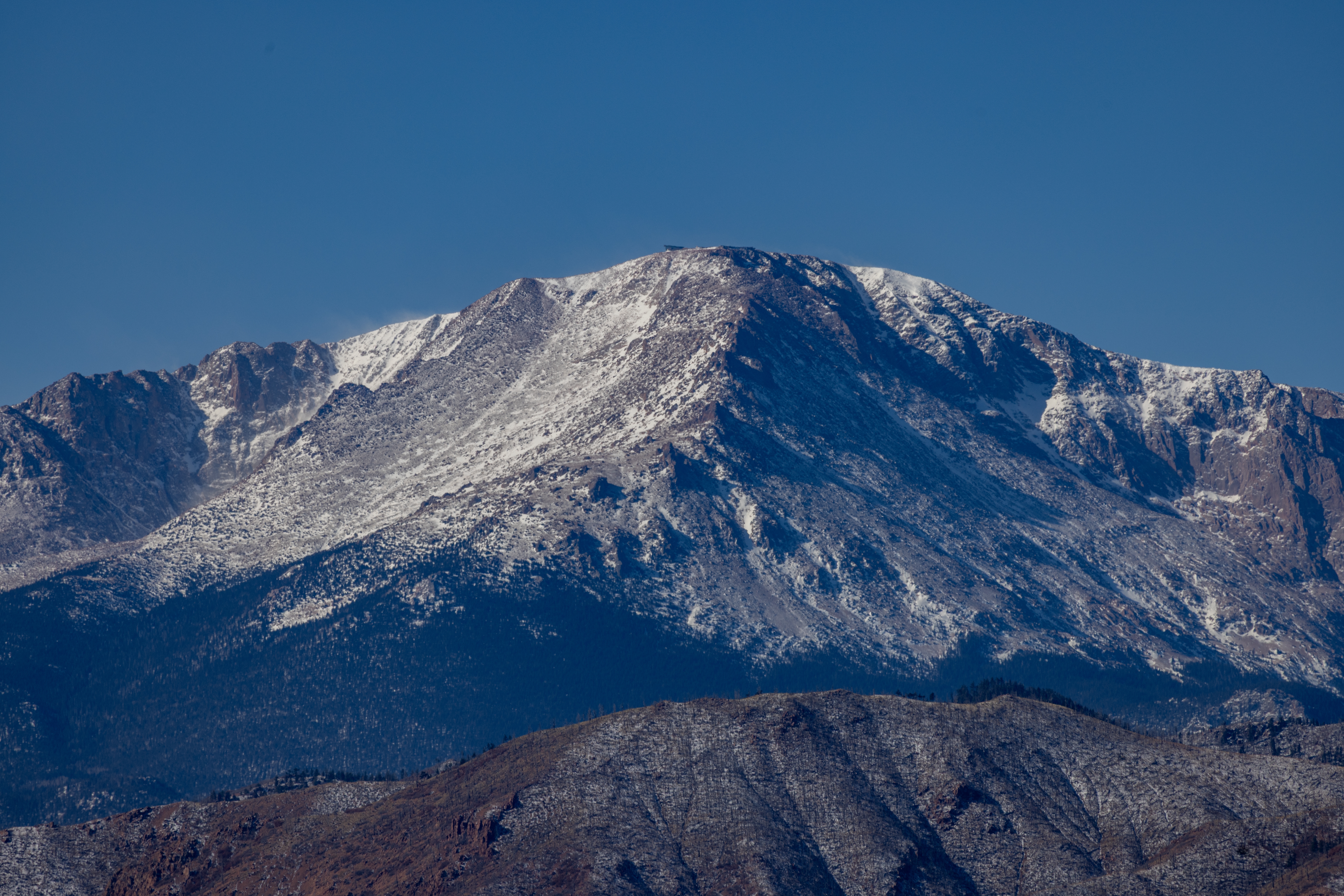
The roots of Colorado’s current water crisis can be traced back to the mountains. Snowpack levels, which serve as a natural water storage system throughout winter, reached historically low levels during the 2025–2026 season. By early spring, many mountain areas had far less snow than normal, limiting the runoff that replenishes rivers and reservoirs.
State climatologists report that snowmelt occurred earlier than usual, causing some rivers to peak weeks ahead of schedule. In several basins, streamflows have already fallen to exceptionally low levels for this time of year. Some waterways are performing worse than during previous drought years that are remembered as among Colorado’s most severe.
The consequences extend beyond water availability. Low river flows can raise water temperatures, reduce water quality, and create difficult conditions for fish and aquatic ecosystems. Reservoirs that depend on spring runoff are also receiving less replenishment than expected, leaving managers with fewer options heading into the summer months.
Farmers, Communities, and Wildlife Feel the Pressure
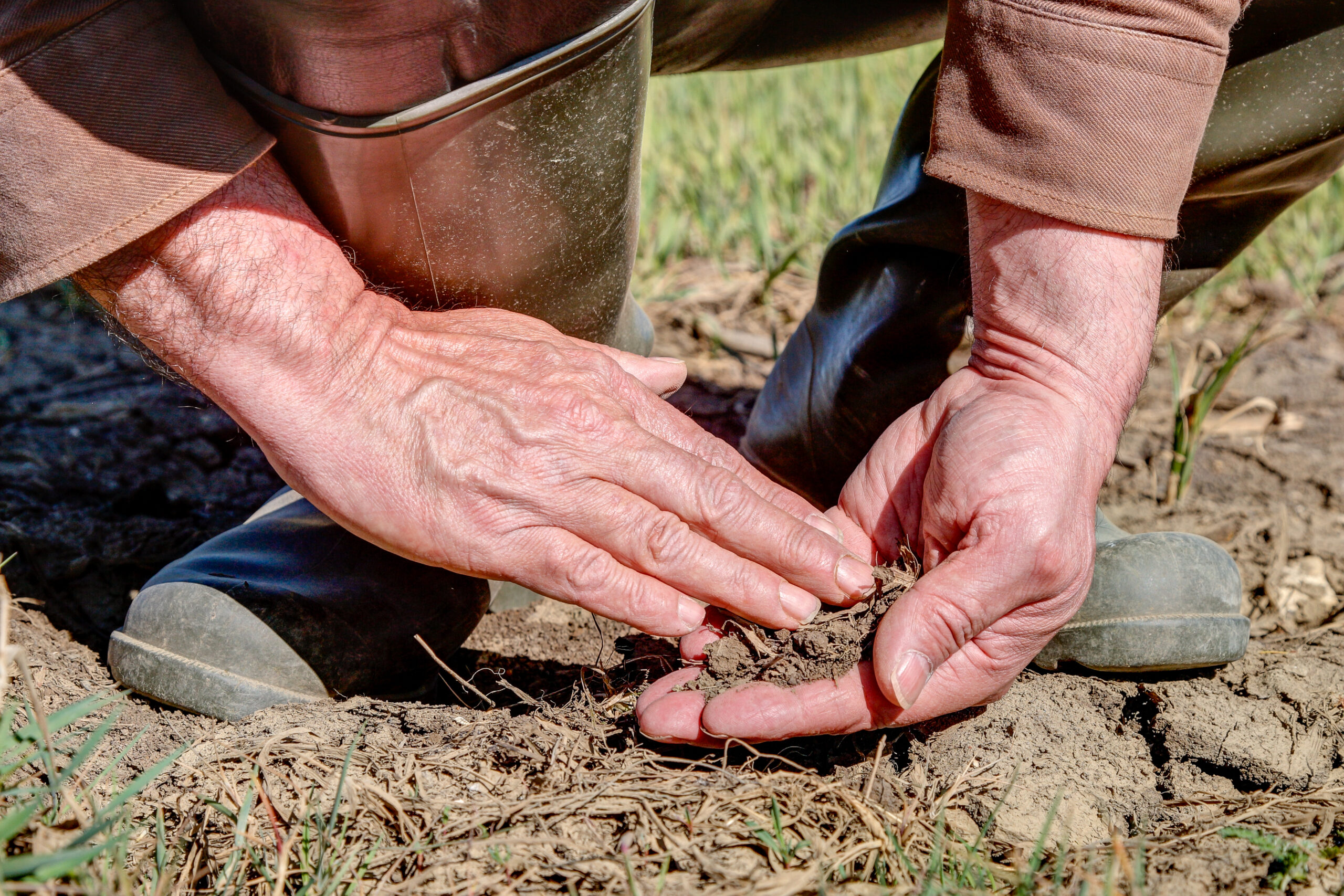
As drought conditions worsen, the burden is spreading across multiple sectors of Colorado’s economy and environment. Farmers and ranchers are among the first to feel the impact, facing difficult decisions about irrigation, livestock management, and crop production.
Agricultural officials report that some ranchers are already reducing herd sizes or hauling water long distances because nearby sources are no longer reliable. Canal systems and irrigation infrastructure are also experiencing strain as water supplies diminish. For communities that depend on agriculture, the financial consequences can extend well beyond individual farms.
Wildlife and outdoor recreation are also under pressure. Rising water temperatures and shrinking stream levels threaten fish populations, while low reservoir levels affect boating, fishing, and tourism. The drought is also increasing wildfire concerns across much of the state, creating another layer of risk for residents and land managers as summer progresses.
Emergency Measures Signal Growing Concern
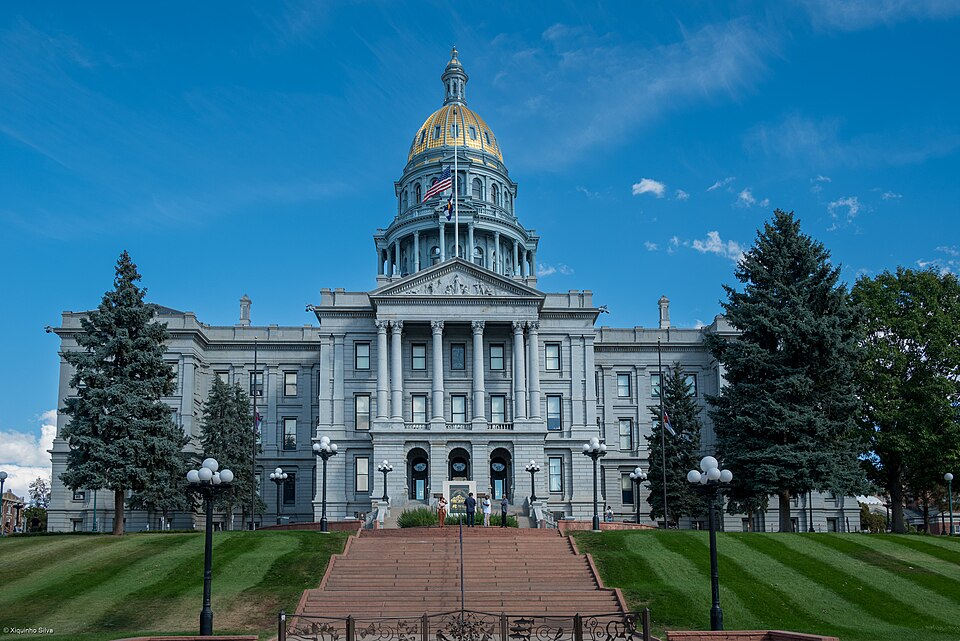
Recognizing the severity of the situation, Governor Jared Polis has declared a statewide drought emergency and activated Phase 3 of Colorado’s Drought Response Plan. The move allows state agencies to coordinate additional response efforts, pursue emergency funding, and prepare for the possibility of worsening conditions.
Officials say the declaration is intended to support communities, agriculture, water users, and environmental resources as the state confronts one of its most challenging drought periods in recent history. Many local governments have already implemented water restrictions, while state agencies are encouraging residents to reduce water use wherever possible.
Relief may eventually arrive through seasonal weather shifts, but experts caution that a few storms will not erase the accumulated deficits. Recovering from drought often requires months of above-average precipitation and sustained improvements in snowpack. Until then, Colorado enters the heart of summer facing a stark reminder of how closely its future remains tied to the availability of water.