Clip From Artemis II Sparks Speculation That Footage May Be Using ‘Green Screens’


A viral clip from NASA’s Artemis II mission has sparked widespread speculation online, with some viewers claiming the footage appears to show signs of “green screen” effects. The controversy began after a televised interview with astronauts showed unusual visual artifacts, including flickering text seemingly appearing over a floating object inside the spacecraft. These anomalies quickly fueled conspiracy theories suggesting the mission footage may have been staged or digitally manipulated.
The clip in question was not taken directly from the original broadcast but instead recorded on a phone from a television screen, which may have introduced distortions. Social media users pointed to the floating plush toy used to indicate zero gravity as evidence, claiming odd visual glitches suggested artificial backgrounds. However, experts and analysts have emphasized that such conclusions may be based on misunderstood technical effects rather than proof of manipulation.
As the video spread across platforms, the debate highlighted how quickly misinformation can gain traction, especially when combined with unfamiliar visuals from space missions. The Artemis II mission itself represents a major milestone, marking humanity’s return to crewed lunar missions after decades. Yet the viral clip has shifted some attention away from the mission’s achievements and toward questions about the authenticity of its footage.
What Caused the “Green Screen” Claims
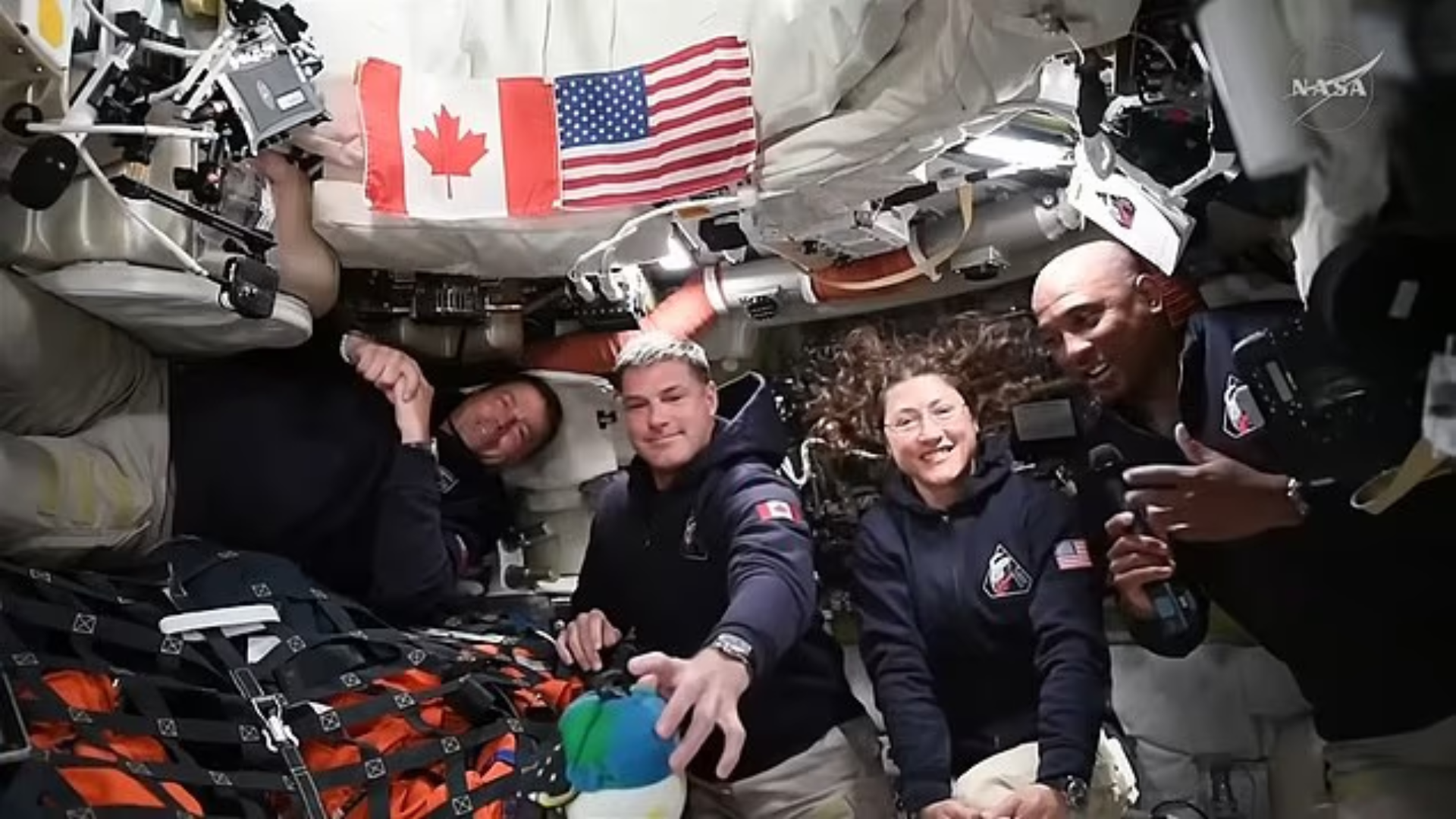
The strange visual effects that triggered the “green screen” claims are widely believed to be the result of chroma key overlay issues combined with the way the clip was recorded. During live broadcasts, graphics such as captions and logos are digitally layered onto the video feed, and these overlays can sometimes interfere visually with moving objects. When re-recorded from a screen, these effects can become exaggerated, creating the illusion that text or shapes are embedded within objects.
In the original footage released by NASA and broadcast partners, the anomalies seen in the viral clip do not appear, suggesting the issue lies in the secondary recording rather than the source video. Experts note that this type of glitch is not uncommon in live television production, especially when combining multiple video layers in real time. The floating toy, designed to demonstrate weightlessness, simply became the focal point of a visual artifact caused by technical limitations.
Additionally, some images circulating online as “proof” of green screen use have themselves been identified as AI-generated or altered content. This has added another layer of confusion, as fabricated visuals are being used to question authentic mission footage. The situation reflects a broader challenge in the digital age, where distinguishing real content from manipulated media has become increasingly difficult.
Why Experts Reject the Theory
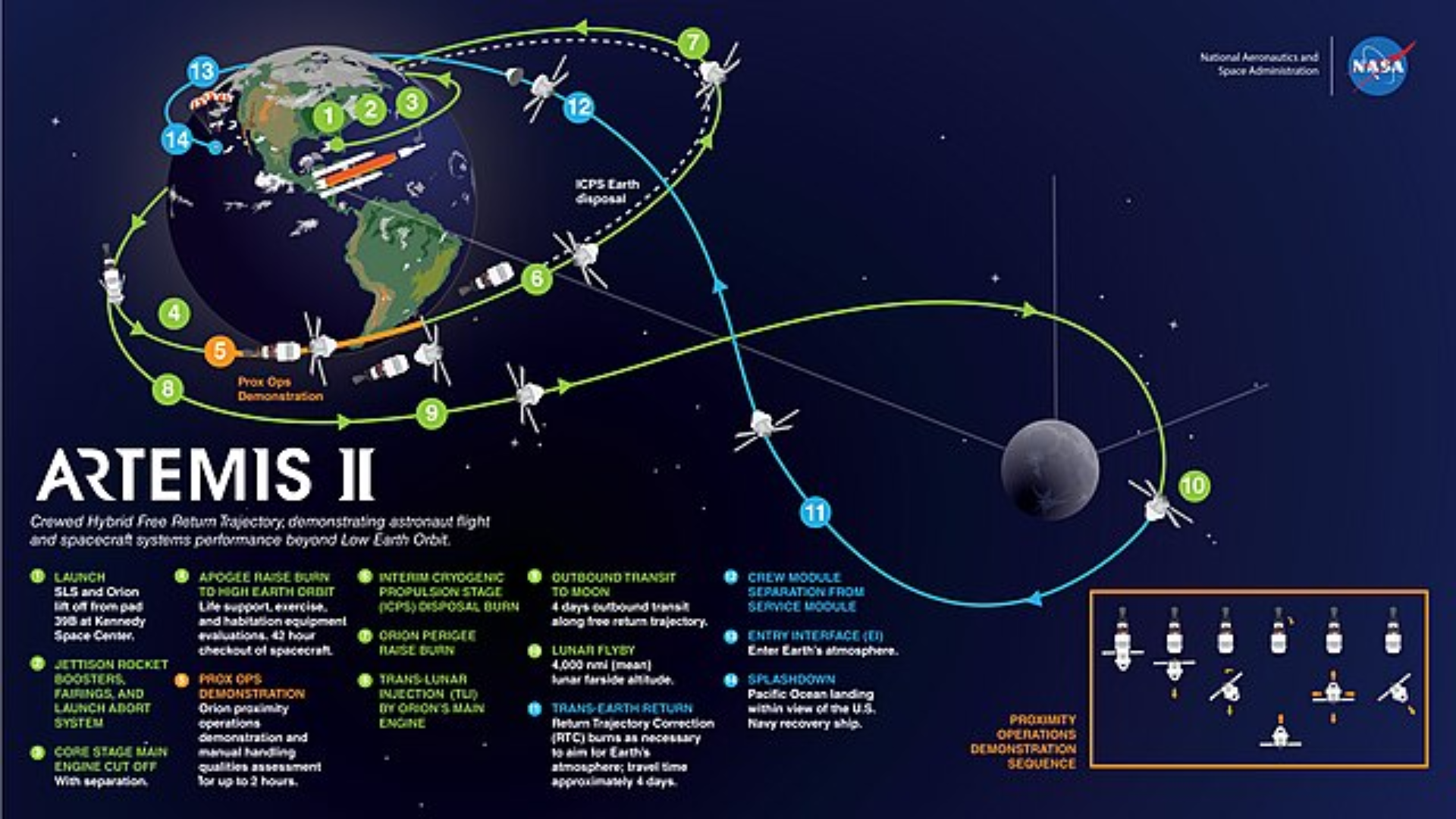
Scientists and media analysts overwhelmingly reject the idea that Artemis II footage relies on green screens, pointing instead to well-understood technical explanations and the availability of verified original footage. The mission has been documented through multiple independent cameras and sources, including high-resolution images and live transmissions. These materials consistently show normal conditions expected during spaceflight, including authentic zero-gravity behavior.
Experts also stress that staging a mission of this scale would require an unprecedented level of coordination across agencies, international partners, and independent observers, making such a scenario highly implausible. The Artemis II crew has already achieved measurable milestones, including traveling record distances from Earth and capturing new images of the planet. These verifiable achievements further reinforce confidence in the mission’s authenticity.
The persistence of such theories, however, highlights a growing skepticism toward visual media in the age of AI and digital editing tools. As technology makes it easier to create convincing fake images and videos, even legitimate footage can come under scrutiny. This underscores the importance of media literacy and relying on verified sources when evaluating extraordinary claims.
Understanding the Reality Behind the Viral Clip
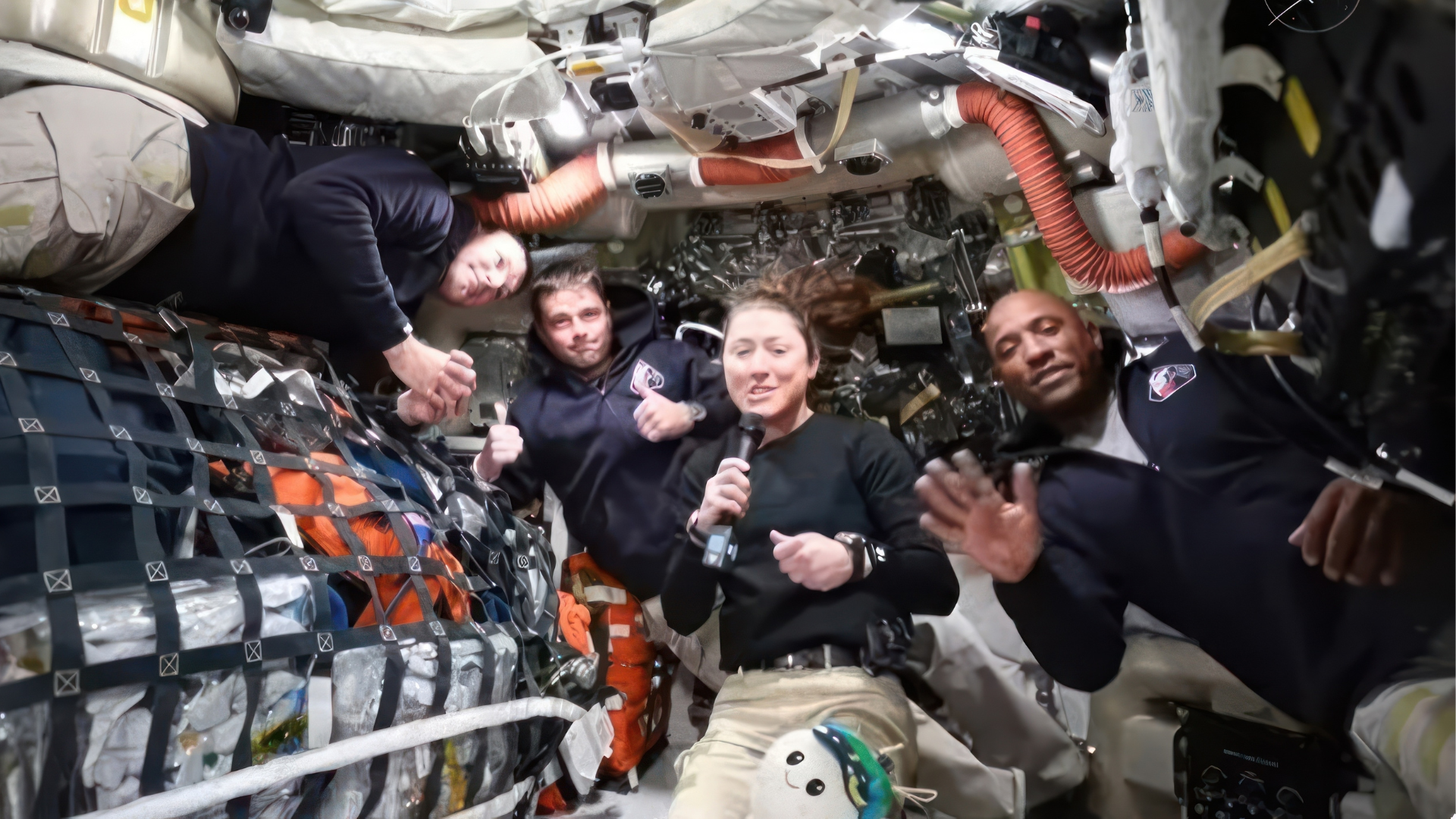
The viral Artemis II clip serves as a reminder of how easily technical glitches can be misinterpreted as something more suspicious, especially when viewed outside their original context. What appeared to some as evidence of green screen effects is more convincingly explained by broadcast overlays and recording artifacts. In reality, the footage aligns with what scientists expect from a live space mission.
While curiosity and skepticism are natural responses to unusual visuals, experts emphasize the importance of examining original sources and technical explanations before drawing conclusions. The spread of misleading or altered content only adds to confusion and detracts from genuine scientific achievements. As space exploration enters a new era, clear communication and accurate interpretation of media will be more important than ever.
Ultimately, the Artemis II mission represents a significant step forward in human spaceflight, regardless of the online speculation surrounding a single clip. By focusing on verified evidence and expert analysis, the public can better appreciate the mission’s accomplishments and the realities of modern space exploration.