Church Attendance Is Up for the First Time in 25 Years, But 100,000 Churches Are Projected to Close

A survey of 7,453 congregations conducted in late 2025 found the typical US church drawing 70 worshippers a week, up from 65 before the pandemic, the first rise in 25 years. Yet a widely repeated forecast says roughly 100,000 American churches could close or be repurposed within a decade. Both claims circulate with equal confidence, and they appear to contradict each other. The explanation runs through a nearly empty Michigan sanctuary and a Maryland church basement.
Median US Congregation Reaches 70 Worshippers, Passing Its Pre-Pandemic Size of 65
The Hartford Institute for Religion Research survey put median weekly in-person attendance at 70, above the pre-pandemic level of 65, NPR reported. Median congregational income reached $205,000, outpacing inflation, and volunteering and programming rose too. Sociologist Scott Thumma, the lead investigator, traced much of the renewal, counterintuitively, to COVID. Researchers expected continued decline and were surprised by the data. The same report also contains a figure that complicates the celebration.
Nearly Half of Congregations Still Lose Attendance as Larger Churches Pull Ahead

Hartford’s authors caution against overstating the rebound. Nearly half of congregations kept losing attendance, and the gap between larger, growing churches and smaller, struggling ones widened. Median attendance stood at 137 in 2000 before dropping to 45 during COVID-19, according to Religion News Service. Meanwhile, 62 percent of US adults identify as Christian, a share steady since 2019 but down from 78 percent in 2007. The losing side of that gap has a specific address in Belding, Michigan.
Michigan Church Built for 1,000 Closes After 120 Years With About a Dozen Members Left

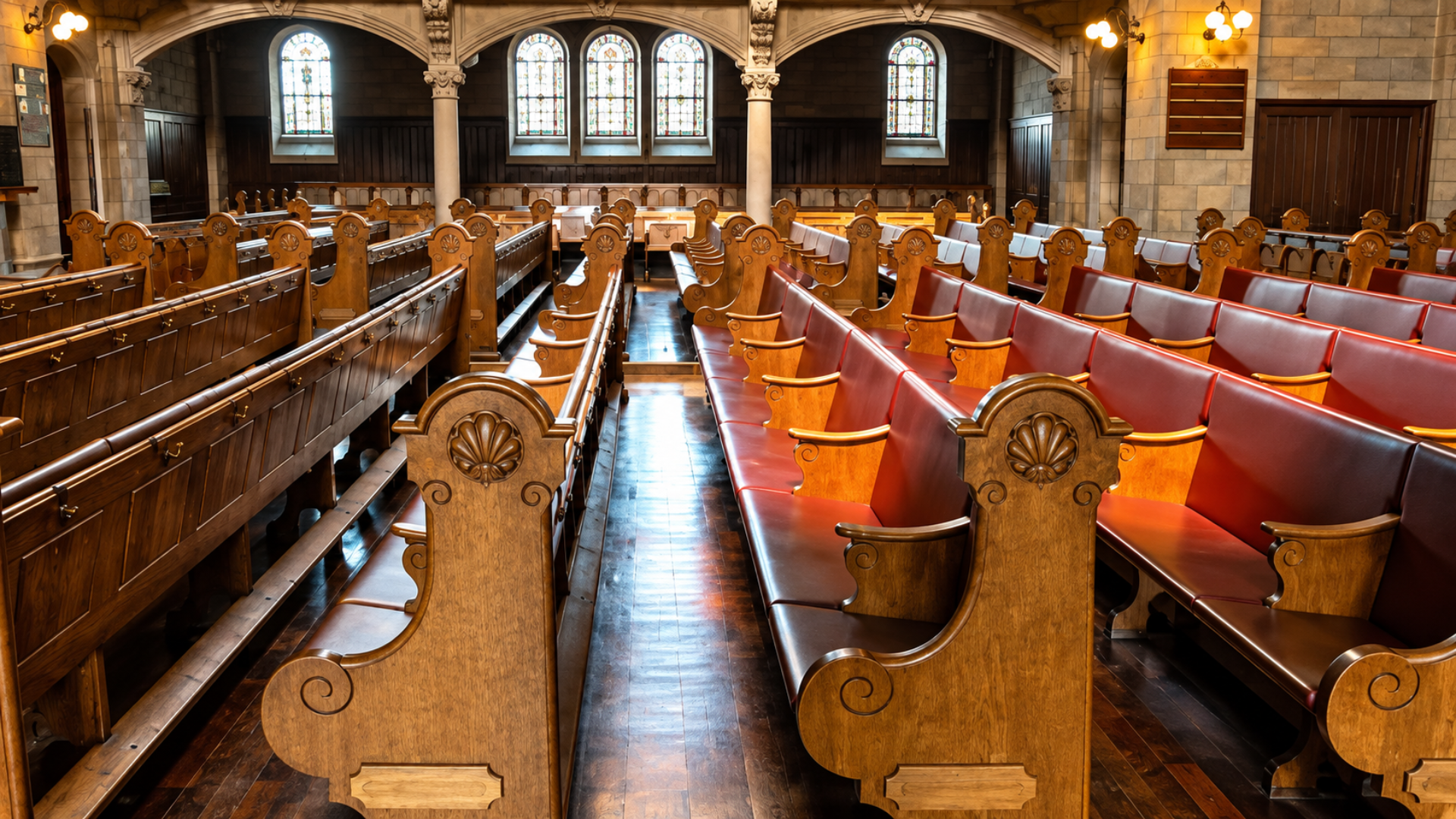
On a Sunday in 2024, the Rev. Melissa Wagner told her congregation at Belding United Methodist Church that the doors would close. The 120-year-old sanctuary, with its domed ceiling and stained-glass windows, was built for a thousand people. About a dozen elderly members sat spread across it, with no choir, no organist and no children. “You are still the church,” Wagner told them. Belding is a single congregation, and a forecast puts a number on how many others could follow.
Forecast of 100,000 Church Closures or Conversions Anchors New PBS Documentary Series
The 100,000 figure covers churches that could close or be repurposed over a decade. Axios attributed a projection of that size to Eileen Lindner, a former National Council of Churches research official, equal to roughly a quarter of the country’s 350,000 to 400,000 churches. It anchors Christianity at a Crossroads, a four-part PBS series that began airing October 1. Filmmaker Martin Doblmeier says, “The tsunami is going to continue for a while.” Several researchers doubt the number’s precision.
Lifeway Counts 4,000 Protestant Closures and 3,800 New Churches in 2024, a Net Loss of About 200
Lifeway Research estimates about 4,000 Protestant churches closed in 2024 while roughly 3,800 started, a gap that shrank from 1,500 in 2019. The estimate draws on 35 denominations covering 58 percent of Protestant churches. Political scientist Ryan Burge told MinistryWatch he no longer expects 100,000 closures any time soon. Neither finding rules the forecast out. Whatever the final count, each closure carries consequences that reach well beyond the pews.
Pastor Says Churches Double as Food Pantries and Immigration Stations in Many Neighborhoods
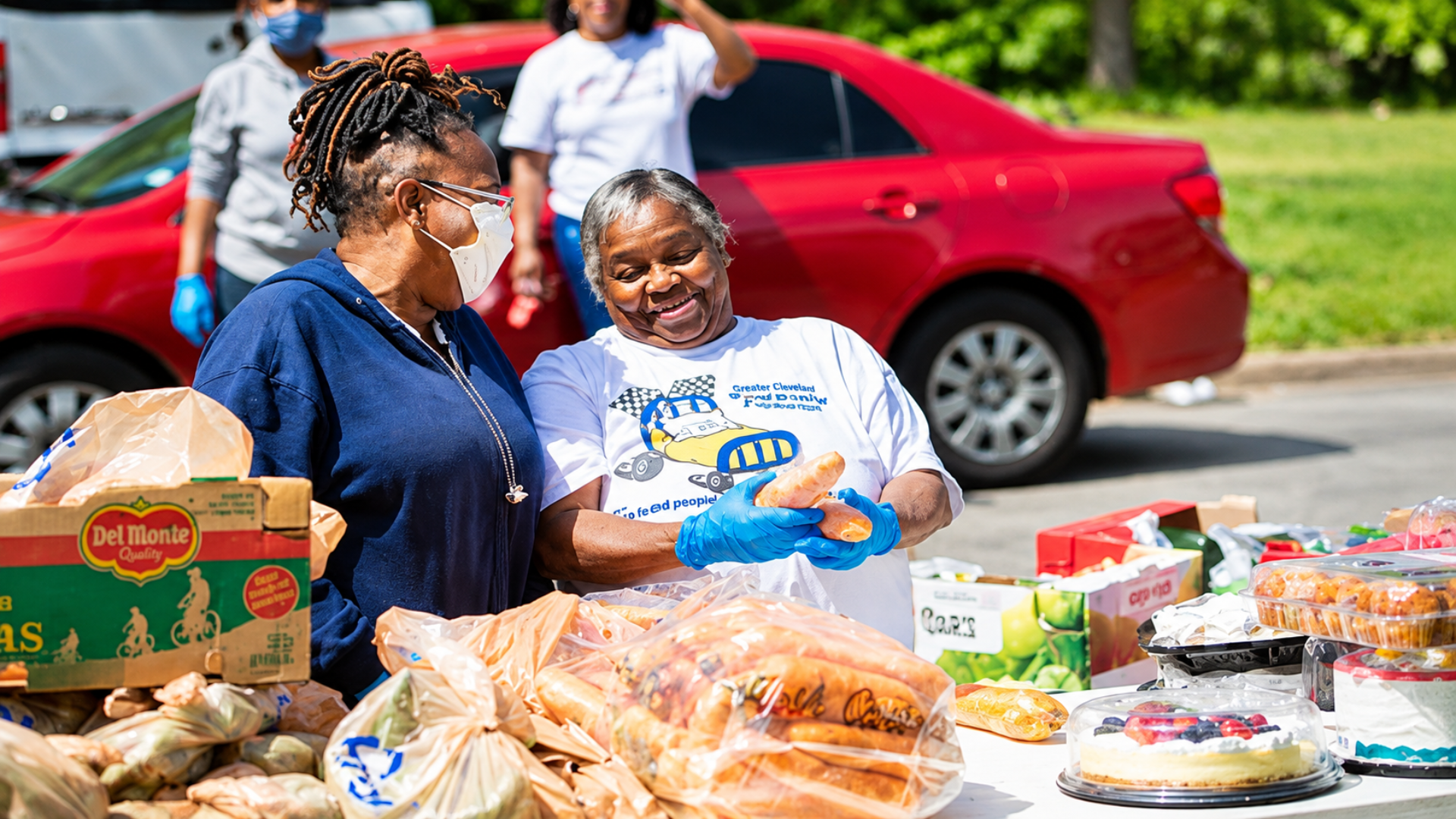
The Rev. Jacqueline J. Lewis, senior pastor at Middle Church in New York City, says that in many neighborhoods “the church is the food pantry, the immigration station.” Axios reports that rural congregations often supply food aid, child care and disaster relief. CNN cites studies finding that regular churchgoers give more to charity, join civic groups more often and fill gaps left by declining volunteerism. Those stakes explain why attention keeps turning to the congregations that are thriving.
Virginia’s Alfred Street Baptist Fills Its Sanctuary and Adds About 15,000 Online Viewers
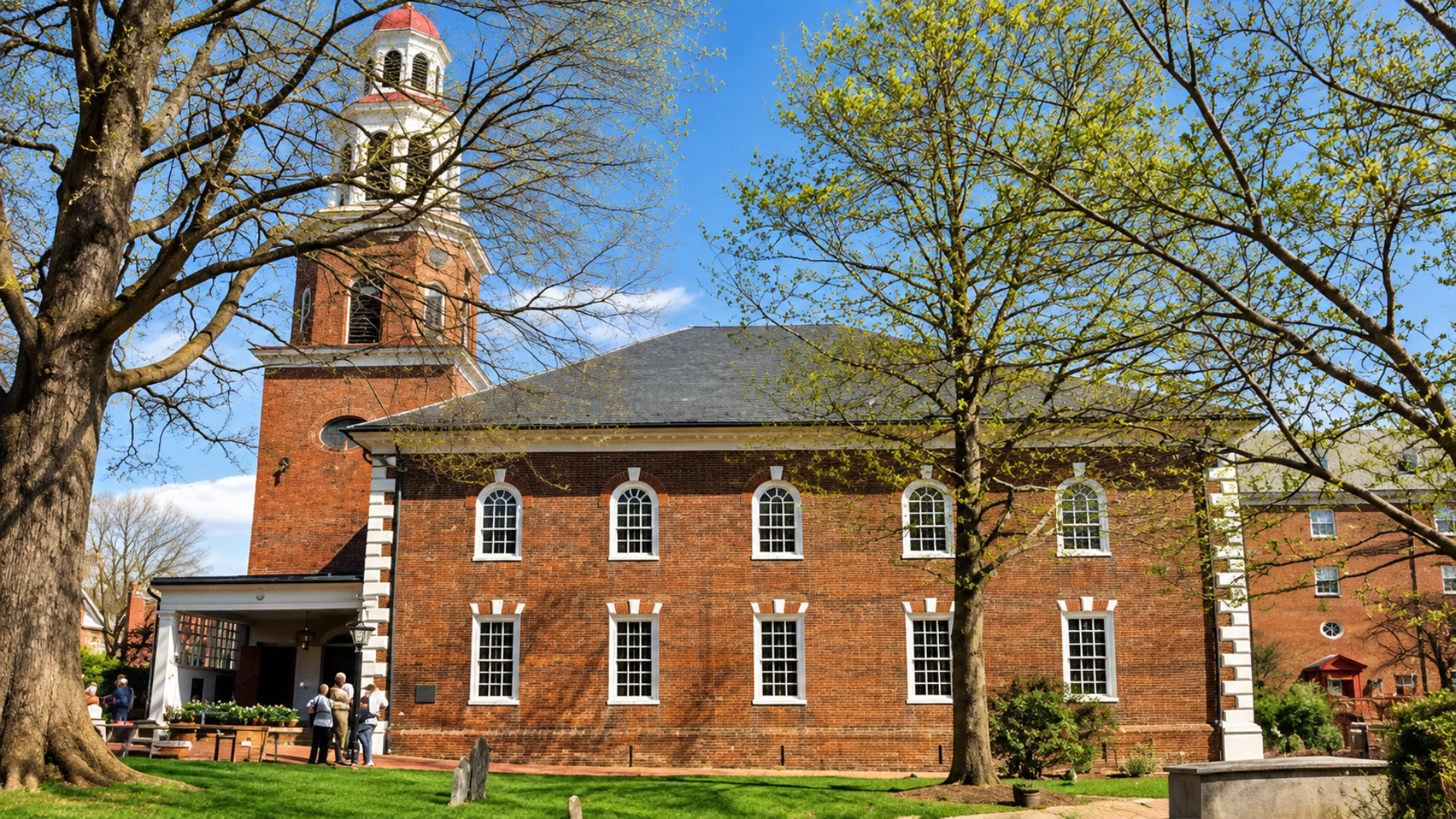
Alfred Street Baptist Church in Alexandria, Virginia, has about 10,000 members and a full sanctuary, plus roughly 15,000 people who watch online. Doblmeier calls it “an online church with an in-person option.” The series also features Korean Central Presbyterian in Northern Virginia and the Church of the Nativity near Baltimore, which draws about 800 children and youths on Sundays. Growth traits sound mundane: easy parking, energetic music, strong sermons and hospitality. One Maryland pastor chose a more radical path.
Silver Spring Congregation Gives Up Its $400,000-a-Year Building and Membership Stabilizes
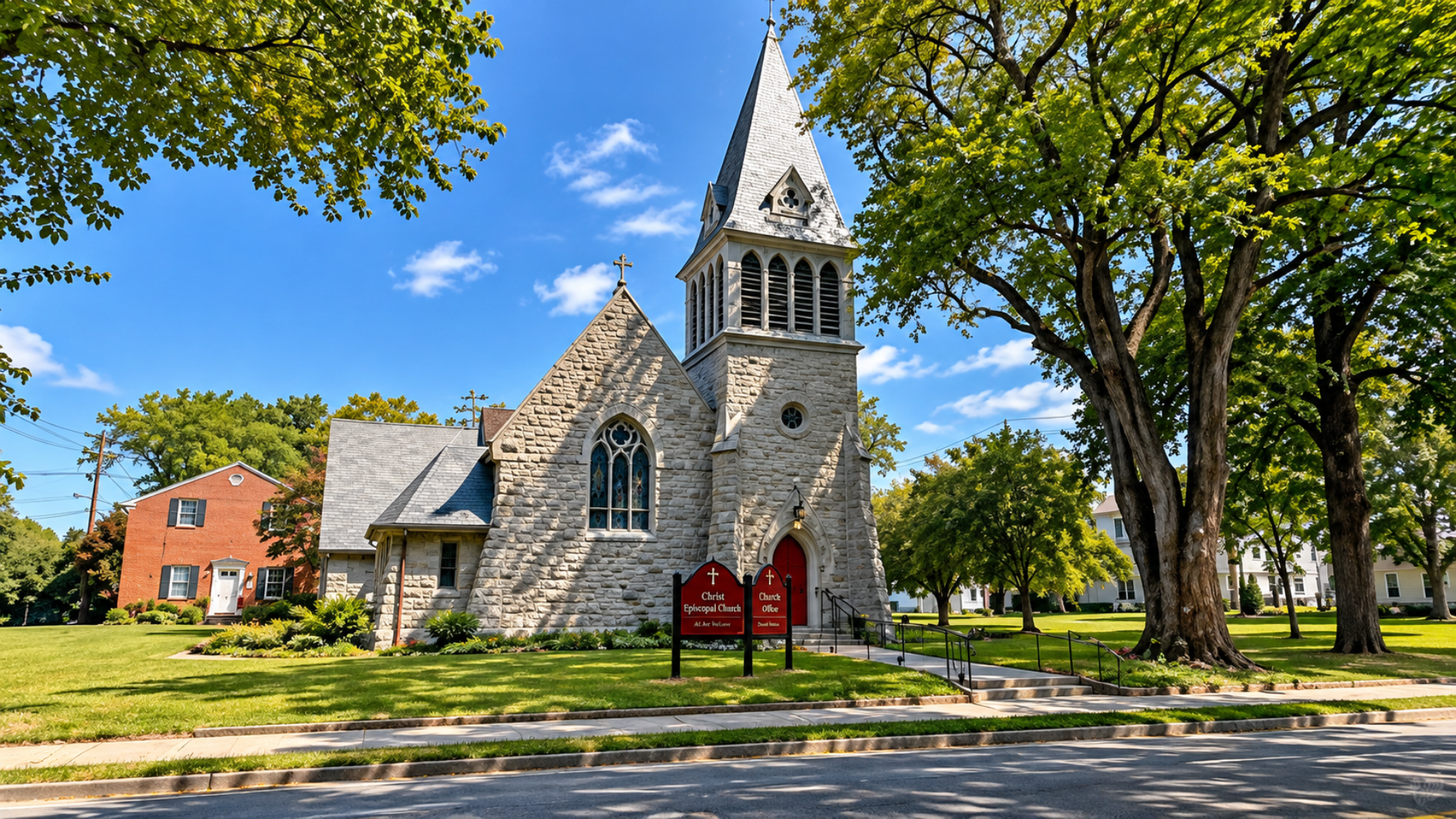
Christ Congregational Church in Silver Spring, Maryland, had fewer than 100 members and a sanctuary costing about $400,000 a year to insure and maintain. Pastor Matt Braddock says budget cutting gave him a six-month migraine. The church gave up its building and moved into another congregation’s basement. Membership stabilized, pledges are strong and the migraine is gone. “The church isn’t a building,” Braddock says. Doblmeier says most declining congregations resist this kind of change, and he thinks he knows why.
Rising Attendance and Projected Closures Describe Different Parts of the Same American Church Landscape
Both headlines describe real trends in different parts of the same landscape. The typical congregation gained worshippers in the latest Hartford survey, nearly half still lost them, and the 100,000-closure forecast remains an estimate that several researchers question. Churches that grew did so through online reach, hospitality and programs for young people, and one shrinking congregation stabilized by leaving its building. Doblmeier says the comfort of an unchanging routine is why many congregations wait too long to adapt.