Christian Leaders Rebuke Trump Administration as Democracy Faces ‘Defining Test’
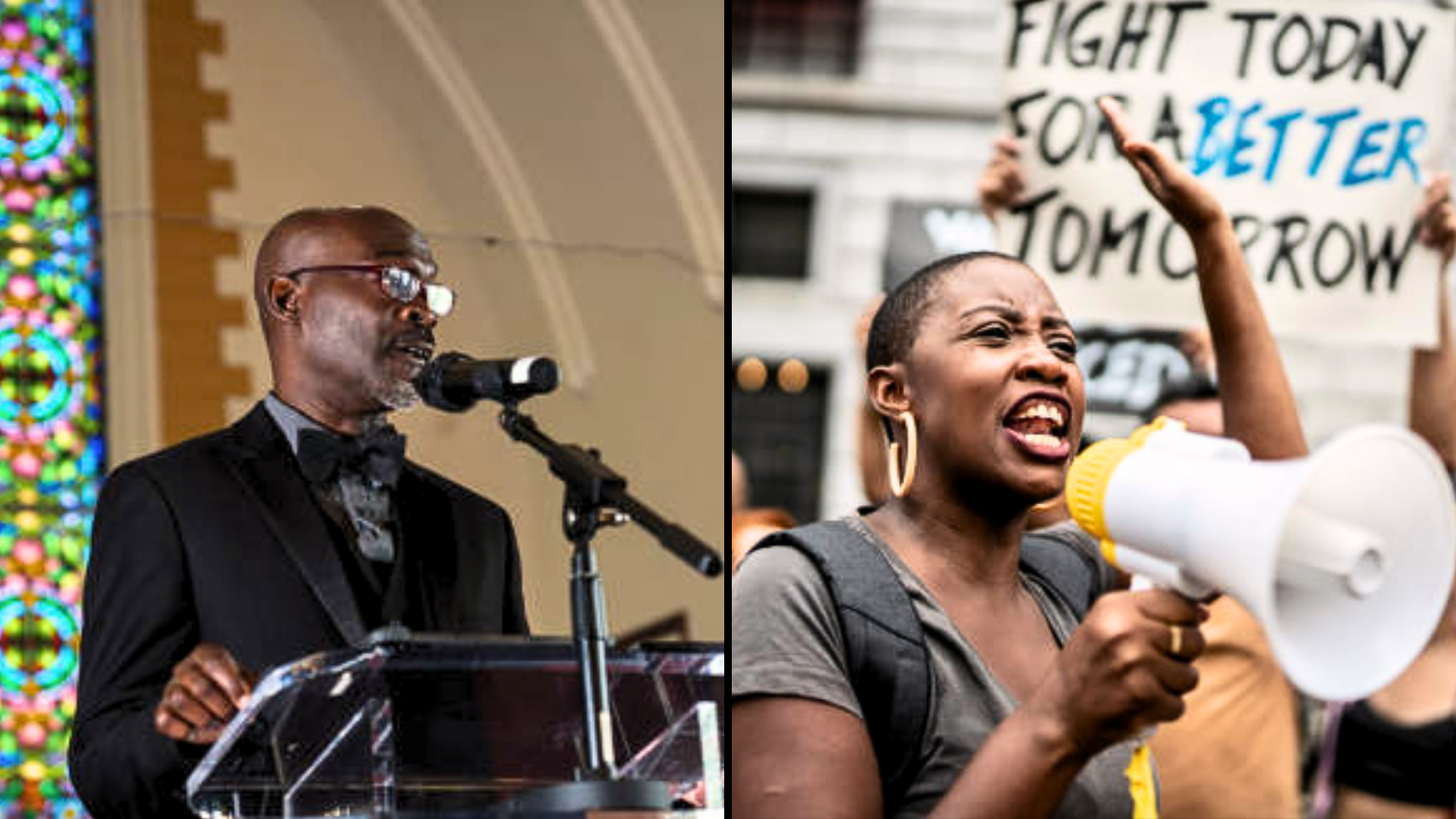

Hundreds of Christian leaders across the country are breaking with political silence and issuing an unusually direct rebuke of the Trump administration. In a sweeping public letter, pastors, scholars, and bishops describe what they call a moral and democratic emergency unfolding in real time. They warn that the stakes reach far beyond policy disputes, touching the soul of the nation itself. What they are calling for could reshape how faith communities engage in politics.
The statement, titled “A Call to Christians in a Crisis of Faith and Democracy,” was released at the start of Lent, the Christian season of repentance and reflection. Organizers say the timing is intentional. Lent calls believers to examine their conscience and resist temptation, themes they argue apply not only to individuals but to governments. About 400 leaders initially signed the letter on February 18, with hundreds more adding their names soon after.
The signers represent a broad coalition, including leaders from Black, Latino, and Asian churches, Christian universities, and national ministries. Their message is blunt. “Silence is not neutrality,” the statement begins, warning that in moments like this, inaction becomes complicity. As the letter spread, it set the stage for a deeper confrontation over faith, power, and the future of American democracy.
The Discovery in Detail
The effort was organized by the Rev. Jim Wallis of Georgetown University’s Center for Faith and Justice, Adam Russell Taylor of Sojourners, and Barbara Williams-Skinner of Baltimore’s Skinner Institute. Together, they gathered clergy and scholars from across denominations. Their shared concern centers on what they describe as rising authoritarian tendencies and the targeting of vulnerable communities.
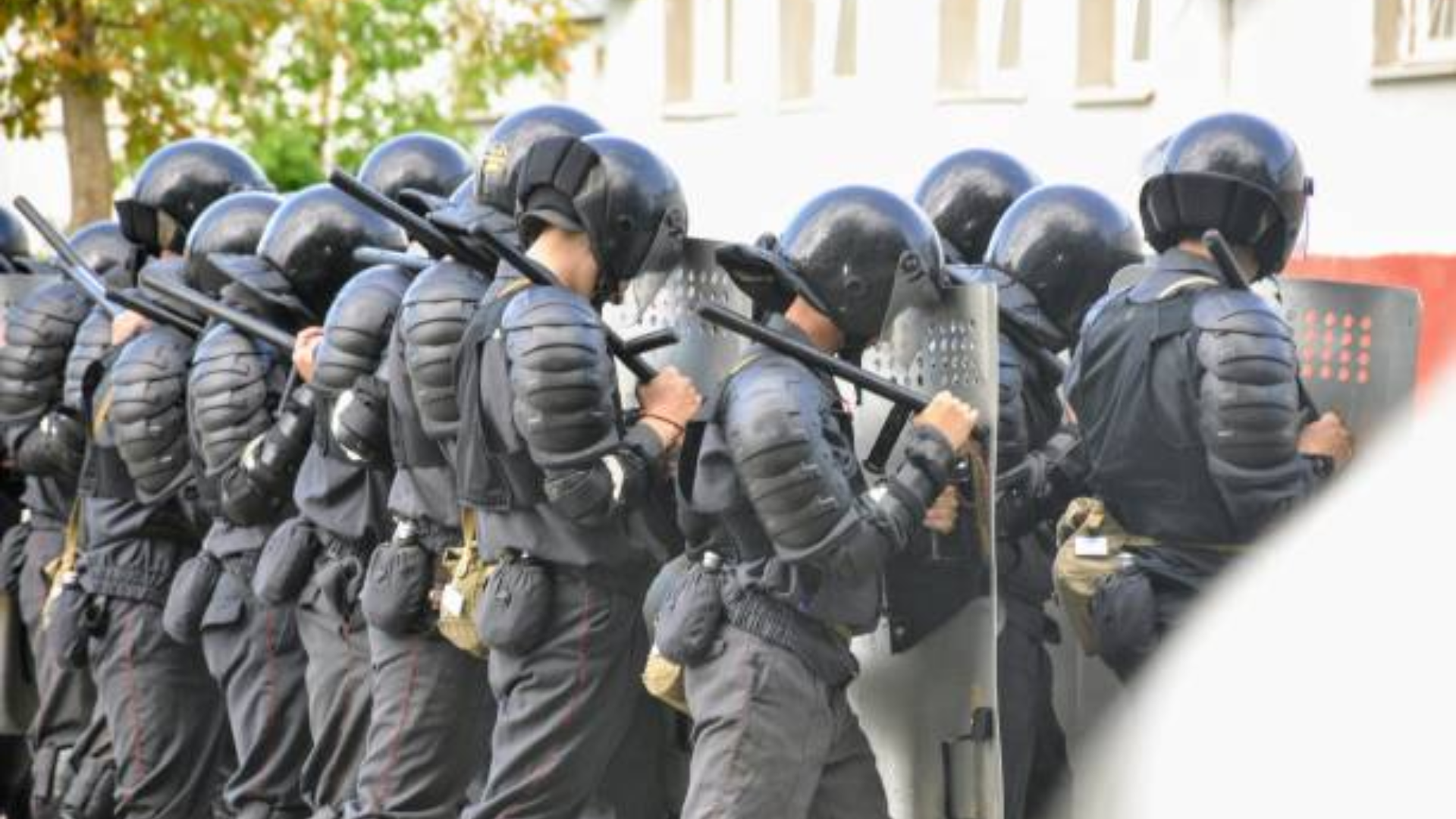
The letter points to aggressive immigration enforcement as one flashpoint. Pastors have been arrested during protests. Demonstrators in cities like Minneapolis, Chicago, and Los Angeles have faced pepper balls and detentions. Signers accuse the administration of demonizing immigrants and eroding hard-won civil rights, warning of what they call a calculated push toward authoritarian rule.
They also criticize what they describe as the misuse of Christian language. Immigration and Customs Enforcement recruitment ads have quoted scripture, including “Blessed are the peacemakers.” Taylor calls that move offensive in light of enforcement tactics. Others argue that unconditional political loyalty among some White evangelicals has blurred the line between spiritual conviction and partisan allegiance.
Why This Changes the Faith Debate

At the heart of the letter is a sharper accusation. The leaders warn that American Christianity itself is at risk of distortion through what they describe as White Christian nationalism. They argue that equating national identity with a single religious vision corrupts both democracy and the gospel.
The Rev. Cynthia Hale of Ray of Hope Christian Church in Decatur, Georgia, calls the moment not just a civic crisis but a crisis of faith. Bishop Raymond Rivera of the Council of Holistic Christian Churches and Ministries says some believers have confused proximity to political power with proximity to the power of God. “They’re not the same,” he argues, drawing a bright theological line.
Scholars like Kristin Kobes Du Mez of Calvin University say the statement is meant for pastors and ordinary Christians who may be only now grasping what is at stake. Rather than mobilizing seasoned activists, the letter seeks to clarify the moral and theological implications for congregations still deciding where they stand.
A Defining Test for Believers
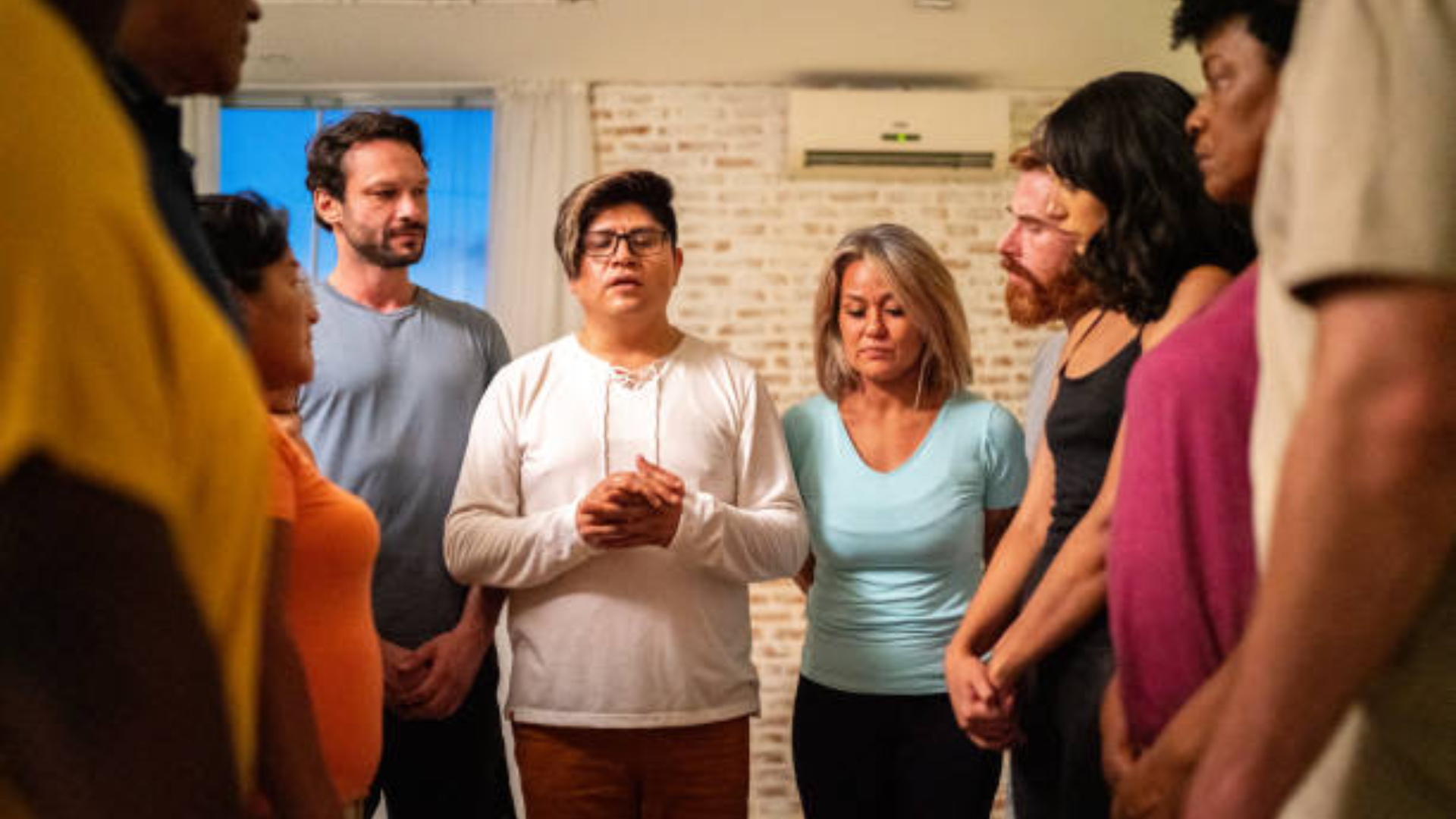
The statement concludes with specific pledges. Signers commit to defending voting rights, pursuing peace, and standing with immigrants they believe are unjustly targeted. They frame these actions as expressions of discipleship, not partisan strategy. For them, civic engagement flows directly from core Christian teachings about protecting the vulnerable.
Yet fear runs through many communities. Dottie Escobedo-Frank, bishop of the United Methodist Church’s California-Pacific Conference, says some church ministries have faced disruptions from immigration agents or anti-immigrant demonstrators. Food distribution programs, childcare services, and aid for the elderly have all felt pressure. In that climate, she says, people are afraid to live out their faith publicly.
Organizers acknowledge that fear but insist it cannot dictate the future. Taylor points to the biblical refrain “do not be afraid” as both comfort and command. He argues that authoritarian movements thrive on isolation and silence. Whether this moment becomes a retreat or a renewal, he says, depends on whether believers see this as politics as usual or as a defining test of faith and democracy.