Chocolate Makers Replaced Cocoa With Cheaper Ingredients, Now the Industry Is Paying the Price
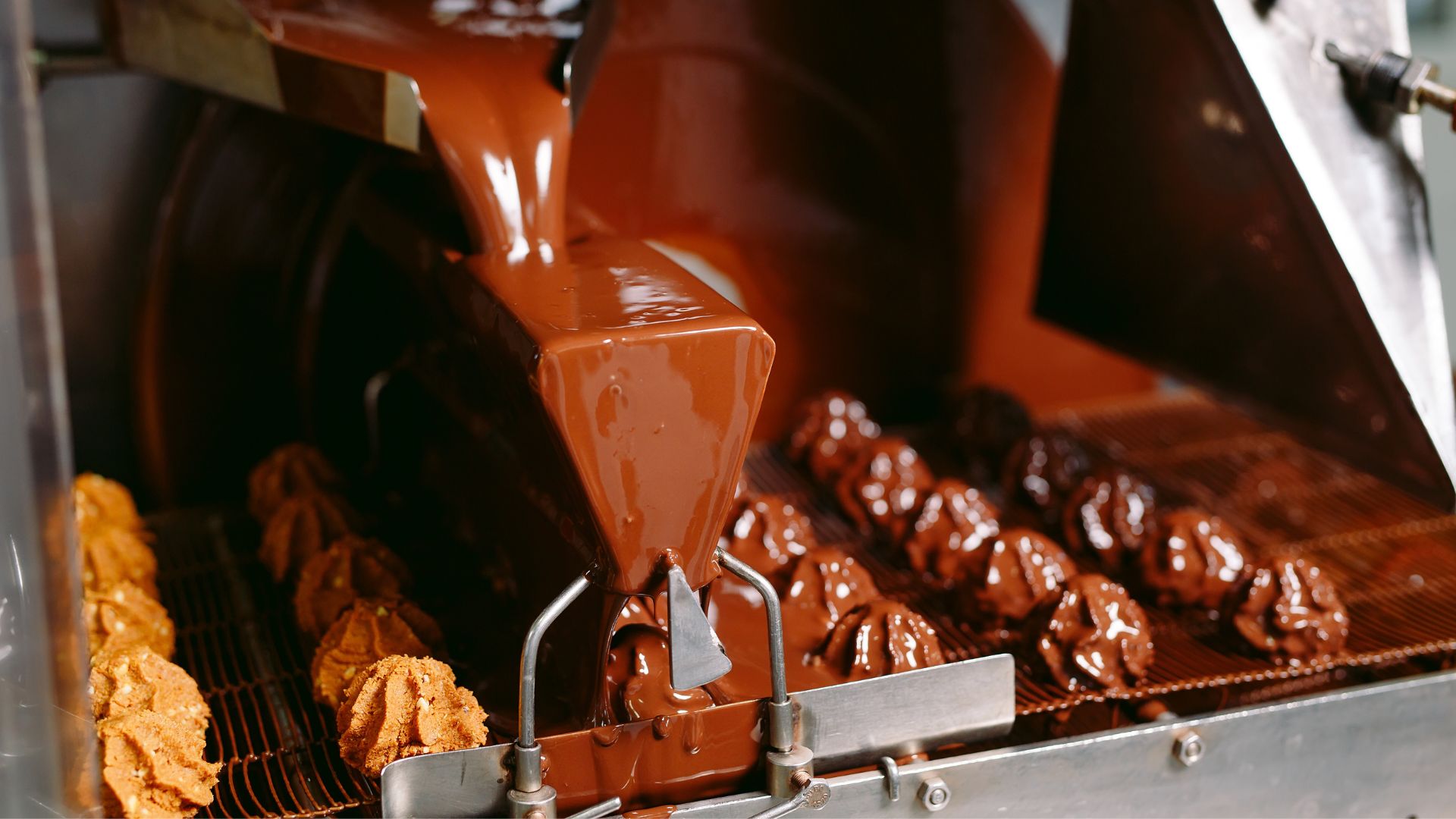

When cocoa prices surged to record levels in late 2024, chocolate manufacturers made a calculated decision to reformulate their products with cheaper alternatives. The industry substituted cocoa butter with vegetable oils, added more nuts and fillers, and reduced the chocolate content in popular treats. What seemed like a necessary survival strategy has backfired, leaving the global chocolate industry grappling with plummeting demand and a processing crisis that continues to deepen.
Record Cocoa Prices Triggered the Recipe Overhaul
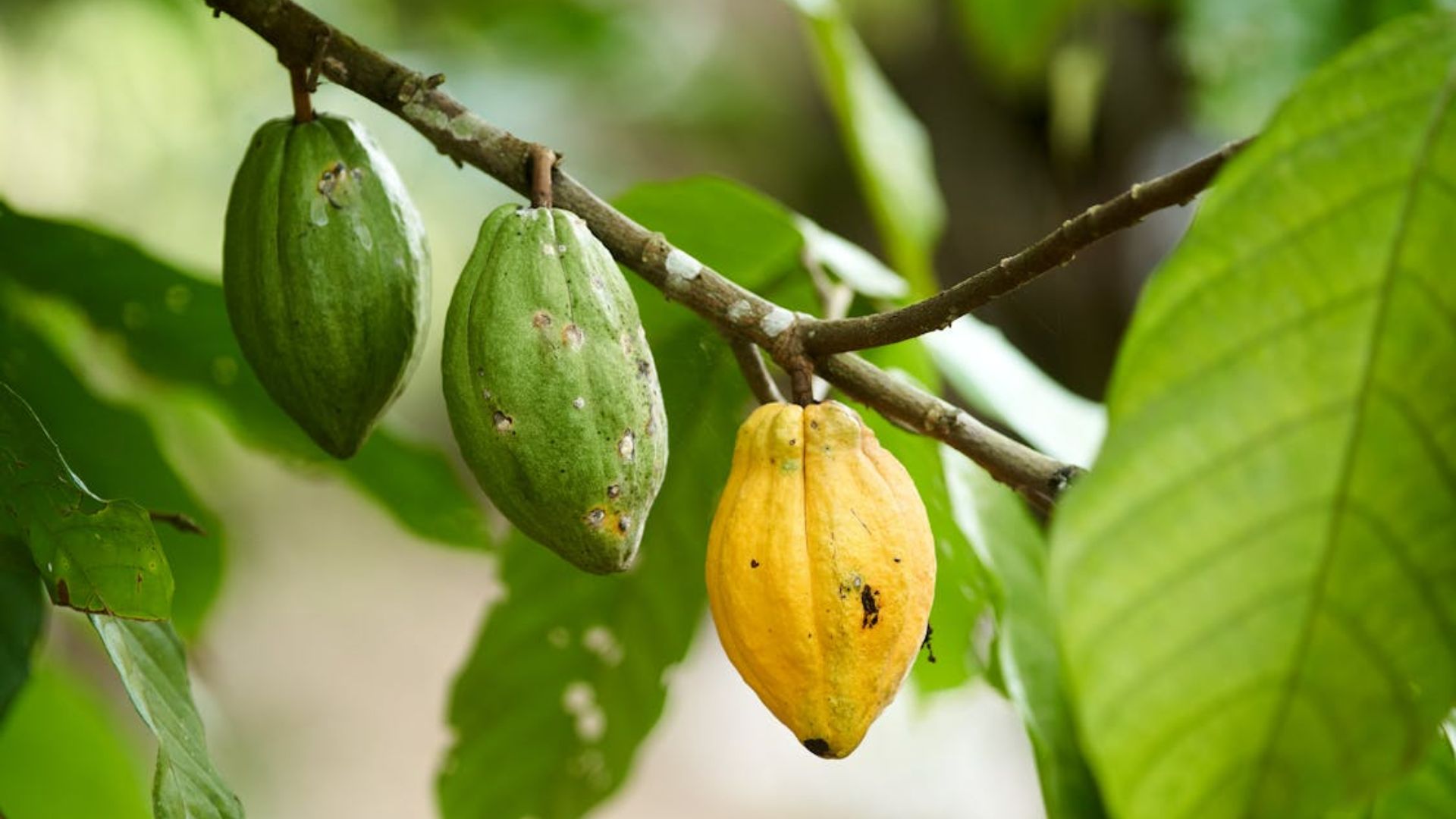
Cocoa futures hit an all-time high in December 2024 after poor harvests in West Africa, which produces 80 percent of the world’s cocoa supply. Prolonged droughts, unpredictable rainfall patterns, and higher temperatures linked to climate change damaged crops significantly, according to reporting from The New York Times. The price shock sent manufacturers scrambling to avoid sticker shock at checkout, prompting widespread reformulation across the industry.
Manufacturers Swapped Out the Most Expensive Component
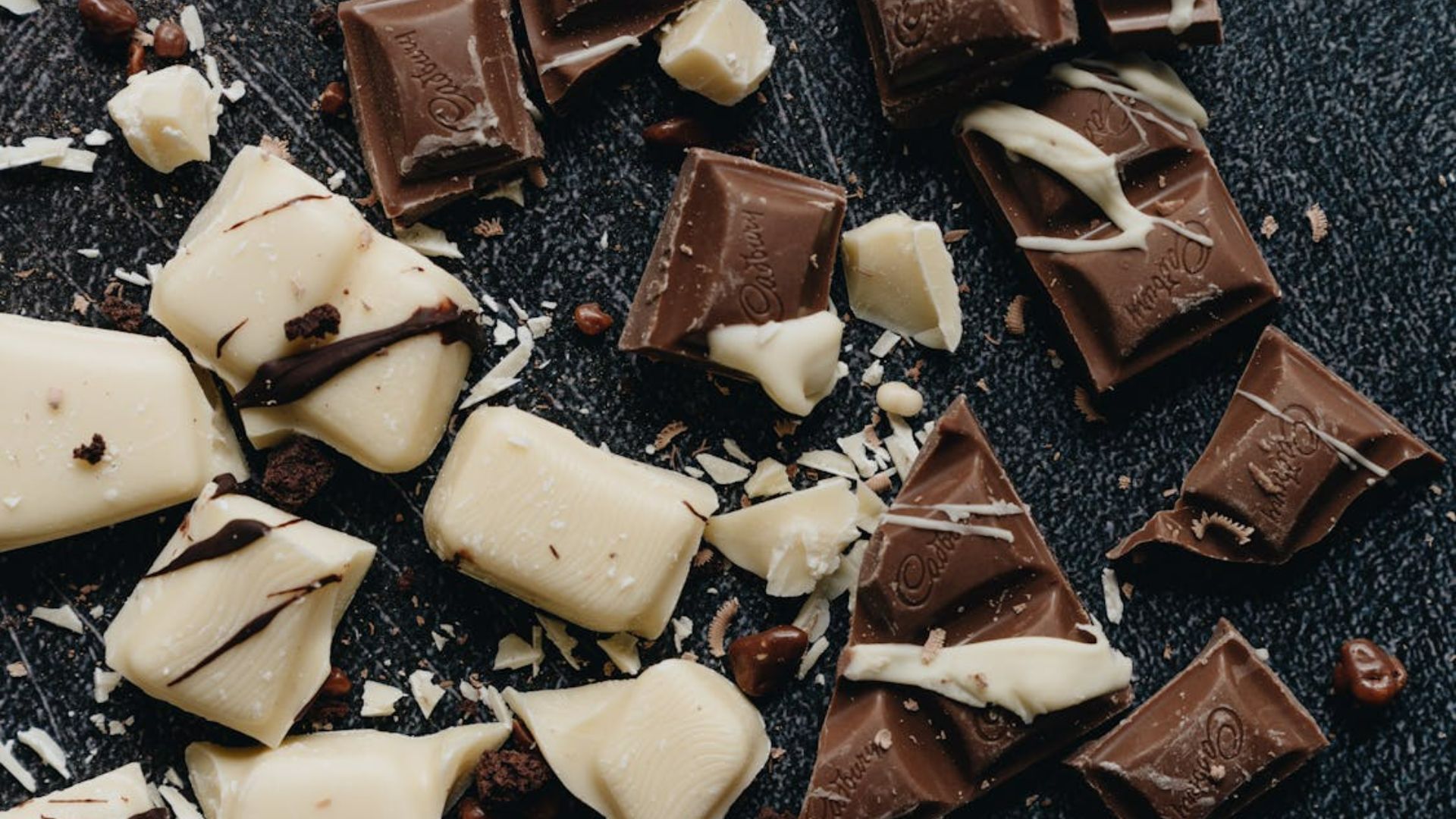
Cocoa butter represents the costliest ingredient in chocolate production, and it currently costs more than double what it did three years ago, according to TODAY. Rich Hartel, a food science professor at the University of Wisconsin, Madison, noted that replacing cocoa butter with cheaper fats became the primary cost-cutting method. Some brands also increased sugar content and added more fillers to stretch their chocolate further without maintaining the original formula.
Reformulated Products Lost the Right to Call Themselves Chocolate

Federal regulations require truth in labeling. Under FDA rules, products cannot be marketed as “chocolate” if they lack cocoa content. Reformulated products now carry different terminology on their packaging, including “chocolate flavor,” “chocolate taste,” or “chocolatey.” The shift signals a fundamental change in what consumers are actually purchasing when they reach for familiar brands, even if the packaging design remains largely unchanged.
Demand Crashed as Grinding Hit Historic Lows
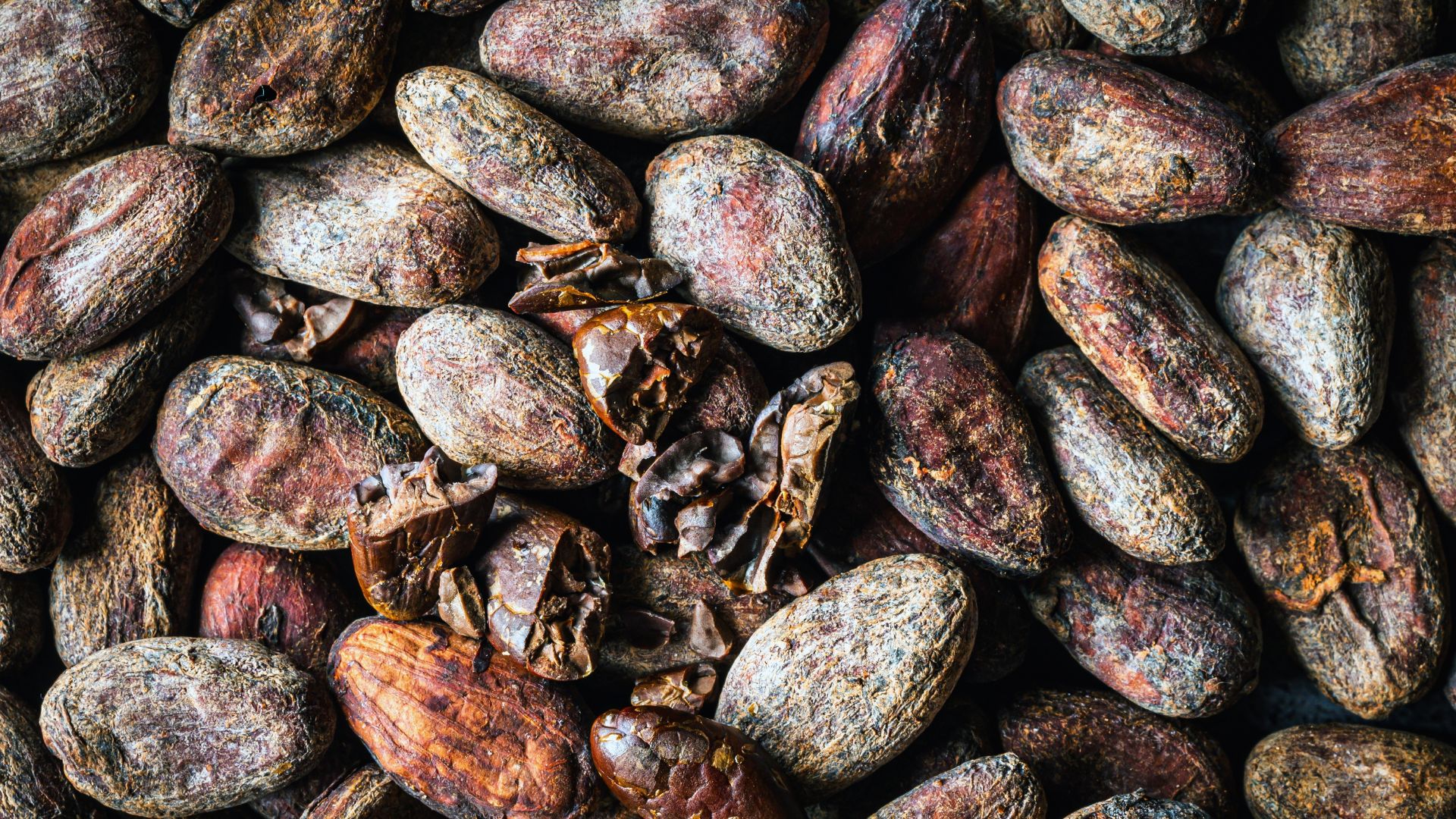
The recipe changes triggered a collapse in demand. According to Bloomberg, cocoa grinding in Europe, the top consuming region, fell approximately 3 percent in the fourth quarter and hit its lowest level for a fourth quarter in 11 years. Asia saw grinding rates drop to a 10-year low. Priyanka Sachdeva, a senior market analyst at Phillip Nova, noted that demand destruction from elevated prices outweighed seasonal support.
Processing Margins Fell Below Break-Even Levels
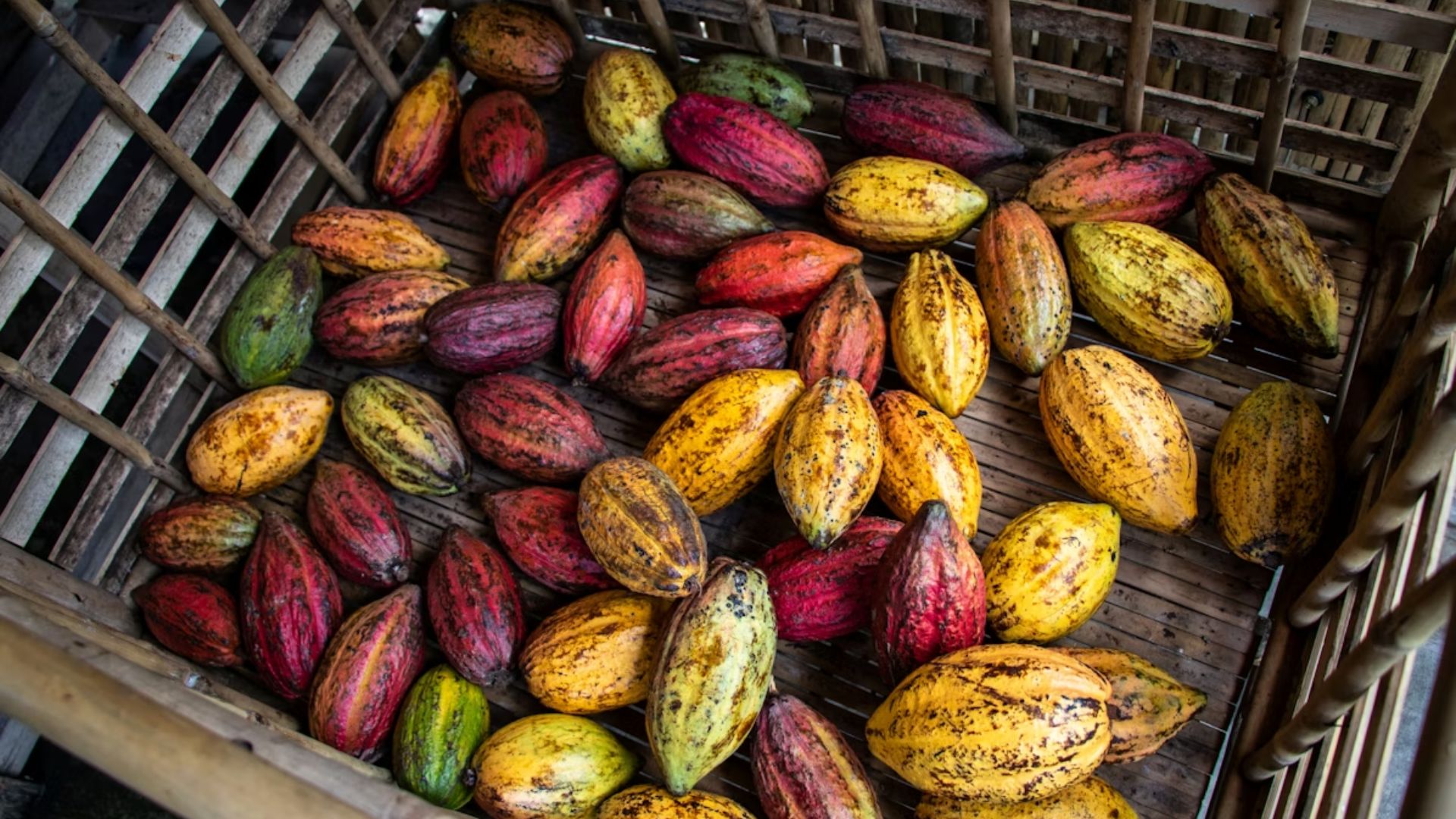
The reformulation strategy severely hurt processing profitability. European cocoa processing margins dropped below break-even in August 2025 and reached record lows in December, according to data from KnowledgeCharts. Weaker demand for cocoa butter, traditionally the moneymaking product for grinders, compounded the crisis. At such margins, processors typically reduce investment and slow production rates, creating a negative cycle that further destabilizes the supply chain and limits future capacity.
The Industry Is Sitting on Massive Spare Capacity
Jonathan Parkman, head of agricultural sales at commodities brokerage Marex Group, estimates global grinding dropped 5 percent in the fourth quarter. The problem is not overproduction of cocoa beans but rather a collapse in demand combined with recipe modifications. “There’s so much spare capacity in the world at the moment,” Parkman told Bloomberg. Underutilized facilities in major processing hubs are weighing heavily on industry profitability.
High-End Chocolatiers Took a Different Approach

Not every manufacturer followed the substitution playbook. Jacques Torres, owner of the high-end brand Jacques Torres Chocolate, chose to add less expensive nuts to his treats rather than remove cocoa entirely. “So it will be a tiny bit less chocolate, a little bit more nuts. But we stay always very reasonable,” Torres told TODAY. He maintains that fake chocolate will never match the quality of authentic products made with real cocoa.
Price Relief Won’t Reach Consumers Until Late 2026

Although cocoa futures have fallen more than 50 percent from their peak, prices remain historically expensive. Processors are still working through beans purchased at much higher price points. Vladimir Zientek, a senior trader at StoneX, noted that cocoa products remain “still very expensive” compared to levels from four or five years ago. Industry analysts expect cheaper cocoa to filter through to supermarkets only in the second half of 2026.
The Industry Faces a Long Road to Recovery
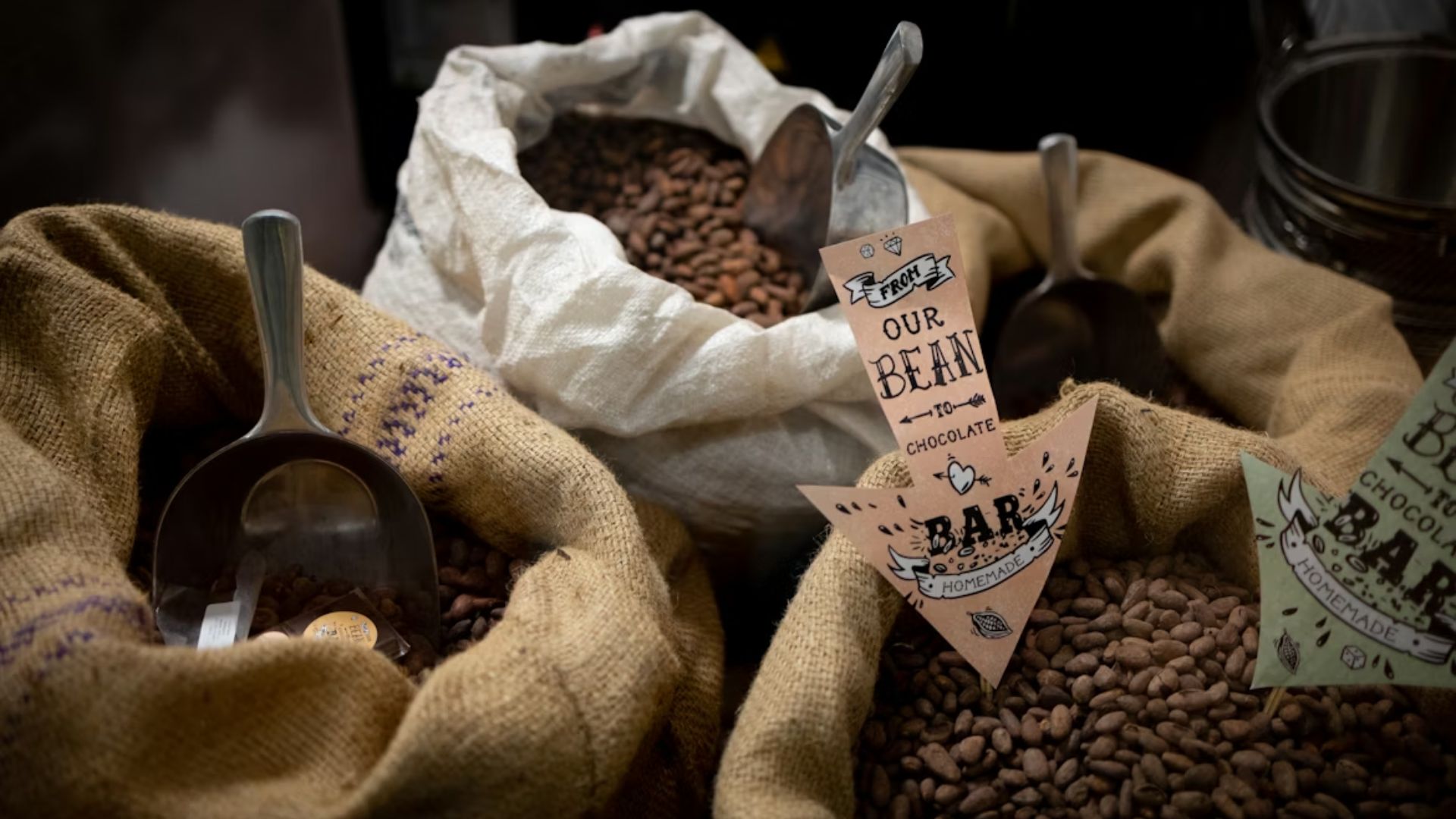
While some analysts predict a modest 1.2 percent recovery in global grinding for the 2025-26 season, demand growth continues to lag behind cocoa output improvements. The reformulation’s impact demonstrates that consumers notice quality changes, and regaining trust will require more than falling commodity prices. Processing facilities face the challenge of rebuilding margins while the industry contends with ongoing climate pressures that continue to threaten cocoa production in West Africa.