China Accuses ‘Spy Turtles’ of Stealing Sensitive Ocean Data as Espionage Battle Deepens
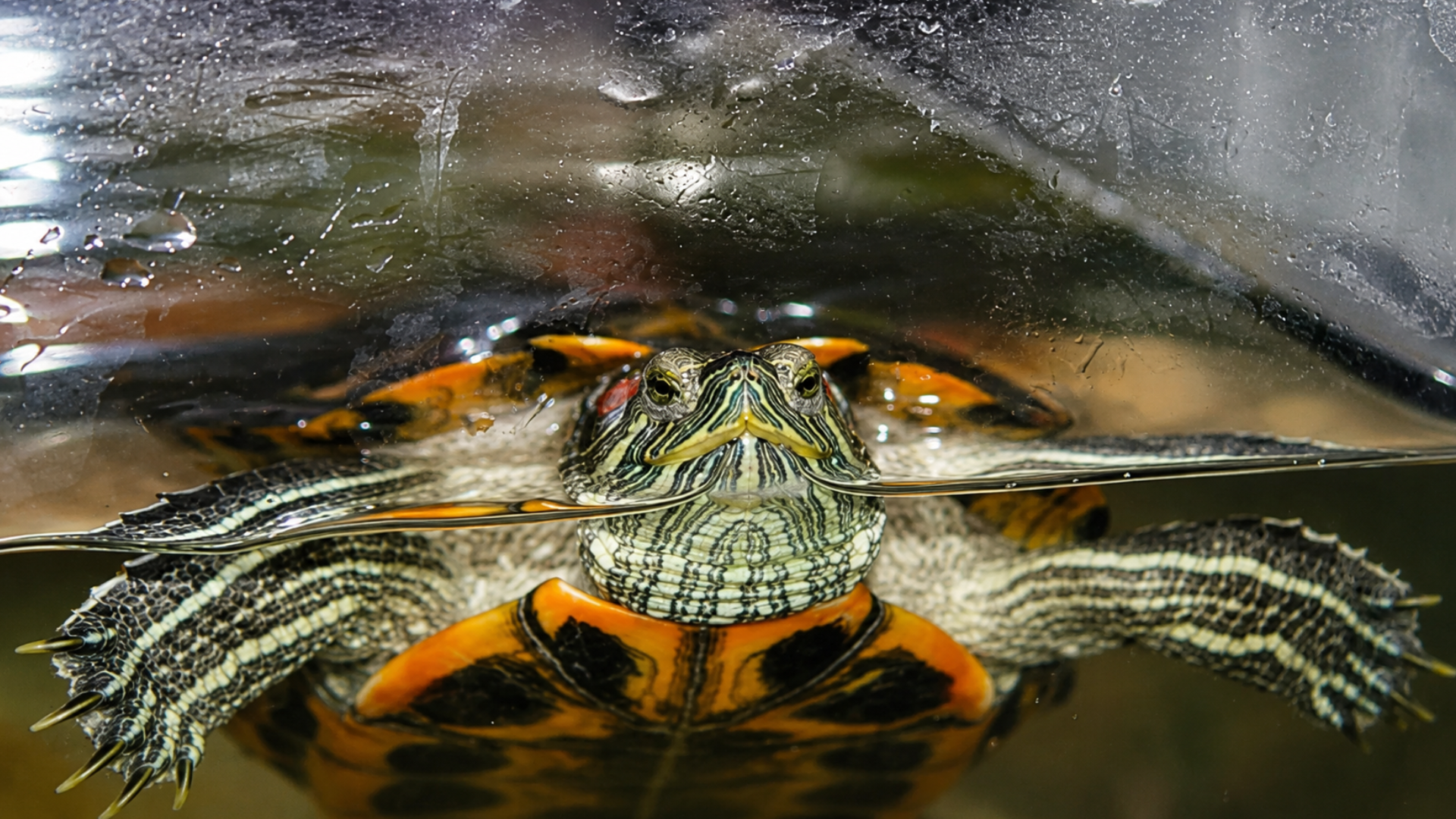

Most beachgoers expect to spot fish or dolphins in the water. They probably don’t expect some of those animals to be part of underwater surveillance programs. But that is exactly what China’s Ministry of State Security is claiming. In a public post on WeChat, China’s biggest social media platform, the ministry warned that spy agencies are strapping sensors onto sea turtles and fish and sending them into Chinese waters to steal secret information. The whole thing sounds made up. China is treating it as a national security threat.
China’s Coastline Holds Secrets Worth Stealing

China does not think of its ocean as just a place to fish. The government calls it a source of “strategic space and abundant resources.” The South China Sea, the East China Sea, and the Taiwan Strait are some of the most watched and contested waters in the world. Rival nations have strong reasons to want information about what is happening there, especially underwater. That is the backdrop for China’s spy turtle accusation. To understand why Beijing is sounding the alarm, it helps to understand just how valuable ocean data can be.
The Turtles Are Fitted With Sensors
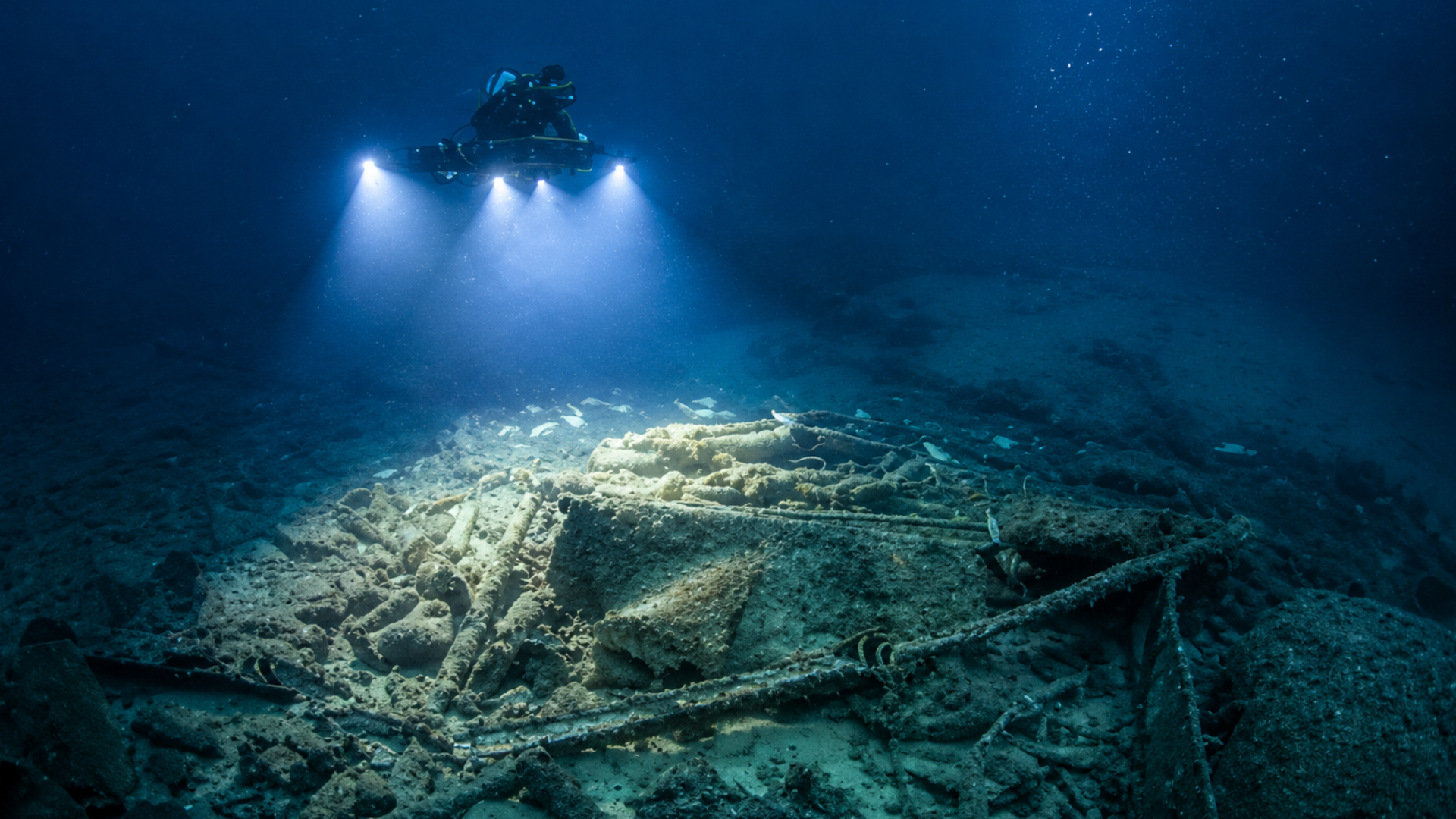
According to the Ministry of State Security, foreign agencies have attached tiny sensors to large sea creatures. These animals are then released into specific areas of Chinese waters. The sensors collect data on ocean currents, water temperatures, and what the seafloor looks like. That information is then sent directly to satellites overseas. The ministry did not say where the animals were found or name any country it suspects of running the program. It also did not release any photographs or physical evidence.
Ocean Floor Maps Are a Big Deal for Submarines
This might seem like boring data. It is not. Knowing the shape of the seafloor helps submarines figure out where to hide and how to move without being detected. Knowing the water temperature and current patterns helps too, since those things affect how sound travels underwater. That matters a lot for sonar, which is how navies track each other beneath the surface. If a foreign country could quietly map China’s coastal waters, its navy would have a major advantage in any future conflict.
Spy Turtles Are Just One Part of the Operation

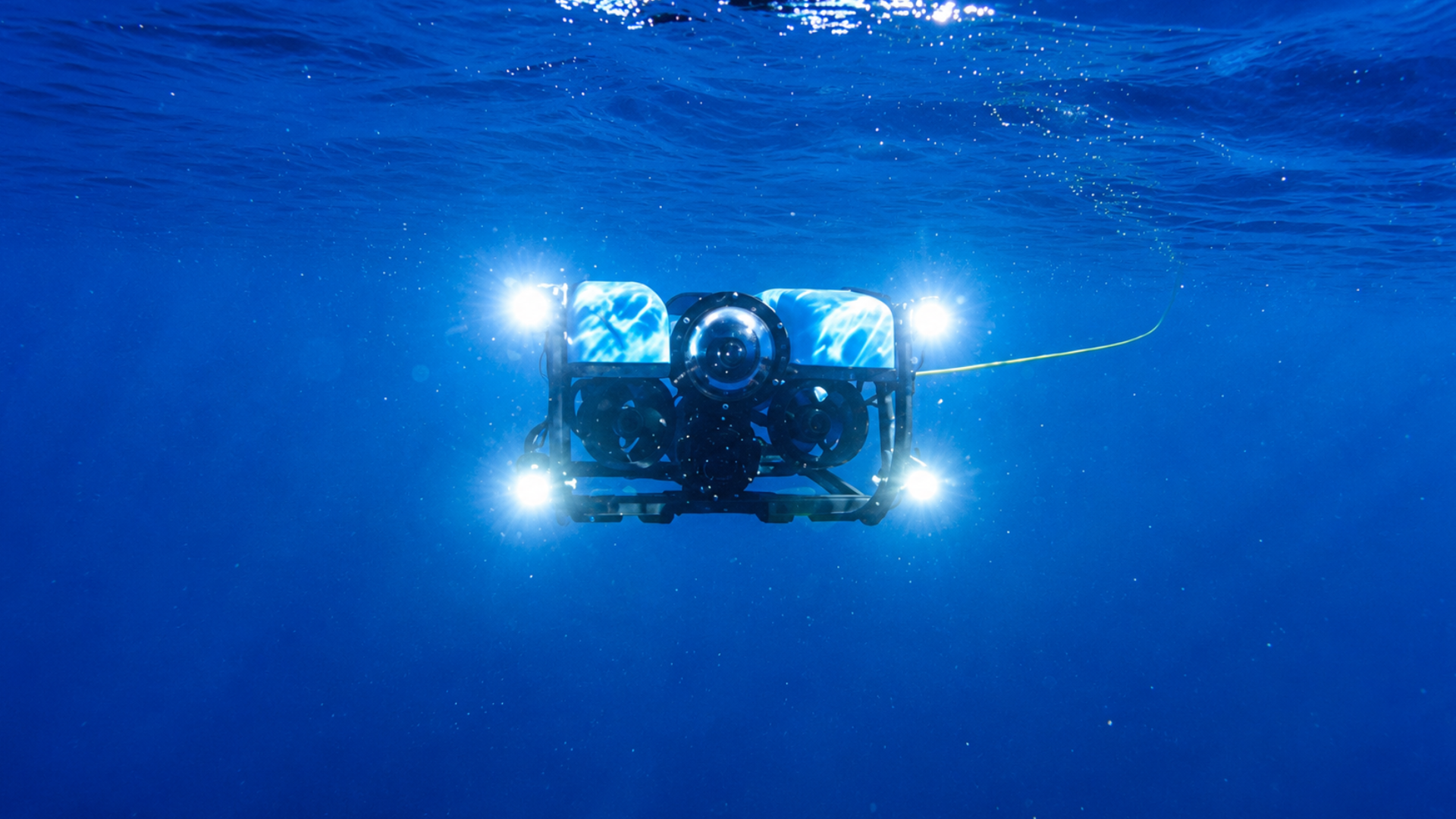
The ministry says sea creatures are not the only tools being used. It also described a spherical monitoring buoy found in Chinese waters, equipped with sensors that could pick up sounds from nearby submarines. A solar-powered wave glider was allegedly used to track ship movements and send military data overseas. The ministry even claimed that cargo ships were secretly outfitted with gear designed to record activity at Chinese ports in real time. The alleged operation, if true, is wide and varied.
China Is Paying Fishermen to Be on the Lookout

The ministry is not just warning the public. It is also paying for tips. Fishermen and port workers along the coast have been encouraged to report any strange buoys, unusual equipment, or suspicious marine animals they come across. According to the International Business Times, rewards can range from 50,000 to 500,000 yuan, roughly $7,000 to $70,000, depending on how important the find turns out to be. It is a crowdsourced approach to counterespionage, one that puts ordinary fishing boats on the front line of a spy hunt.
Using Animals as Spies Is Not Actually a New Idea

This kind of thing has happened before. During the Cold War, the CIA tried to turn a cat into a listening device. Project Acoustic Kitty, declassified in 2001, involved surgically implanting a microphone and transmitter into a live cat. The goal was to use it to eavesdrop on Soviet officials. The program cost millions of dollars. The cat did not cooperate. The CIA eventually shut the project down, with one internal memo concluding that using cats for field operations would simply never be practical.
A Russian Beluga Whale Showed Up in Norway Wearing a Harness
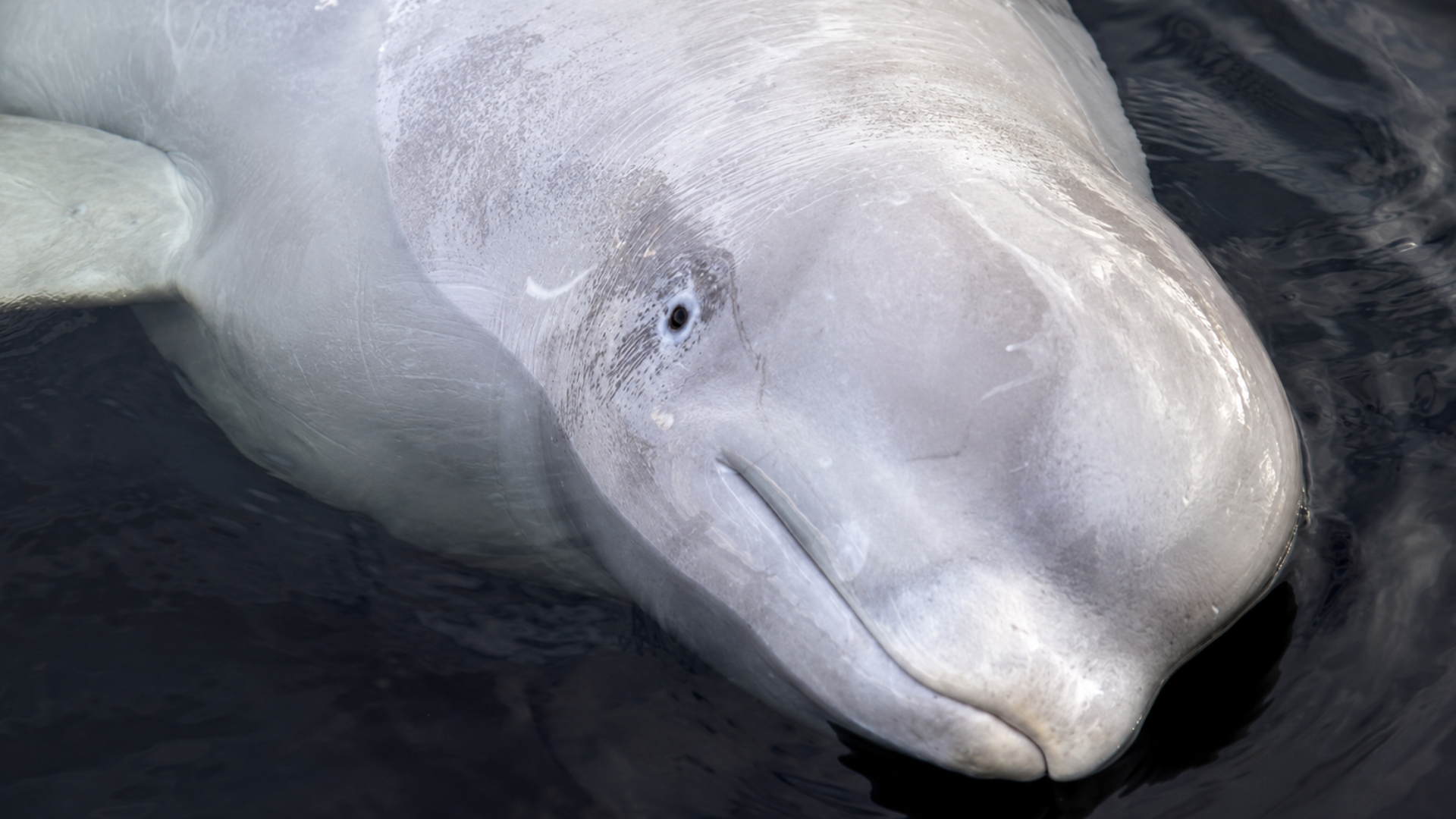
The most famous animal spy story in recent history involves a beluga whale. In 2019, a friendly white whale appeared near the Norwegian coast wearing a harness with a camera mount. The buckle was stamped with the words “Equipment St. Petersburg.” Fishermen named the whale Hvaldimir. Researchers later concluded it had most likely been trained by the Russian navy as a harbor guard before escaping. Russia never officially commented. The incident confirmed something important: governments really do use marine animals for military purposes.
China Has Been Trading Spy Accusations With the West for Years
The spy turtle story did not arrive in a vacuum. China and Western countries have been accusing each other of espionage for years. The same week the ministry posted its turtle warning, the Five Eyes intelligence alliance, made up of the United States, United Kingdom, Canada, Australia, and New Zealand, released its own accusation. It claimed Chinese operatives had been posing as online job recruiters to target government and military employees in member countries. Both sides, in other words, are pointing fingers at the same time.
The Turtles May Sound Funny. The Tension Behind Them Is Real.

It is easy to read “spy turtles” and laugh. China’s ministry offered no photos, no named countries, and no hard proof. But the waters where these animals allegedly swim are genuinely contested, and the data they could carry genuinely matters to any navy in the region. Whether the turtles are real or not, the competition beneath the surface is. That part of the story, at least, is not the least bit funny.