Check Your Ford: Recalls Issued For Nearly 420,000 SUVs as Some Vehicles Get ‘Do Not Drive’ Warning

If you own a Ford SUV, now may be the time to check your mailbox or your vehicle identification number. Ford has announced a series of recalls affecting nearly 420,000 vehicles, while a separate safety issue has prompted the automaker to issue a rare and urgent “Do Not Drive” advisory for thousands of drivers.
The larger recall affects certain 2018–2022 Ford Expedition and Lincoln Navigator models, which regulators say may have faulty seat belt retractors. According to the National Highway Traffic Safety Administration (NHTSA), the defect could prevent seat belts from retracting or extending properly, potentially increasing the risk of injury during a crash. Ford has reported warranty claims, field reports, and at least one injury connected to the issue.
While vehicle recalls are not uncommon, the combination of a large-scale safety campaign and a separate “Do Not Drive” warning has drawn significant attention. The announcements affect some of Ford’s most popular SUVs and trucks, making it important for owners to determine whether their vehicles are included.
Nearly 420,000 SUVs Recalled Over Seat Belt Concerns
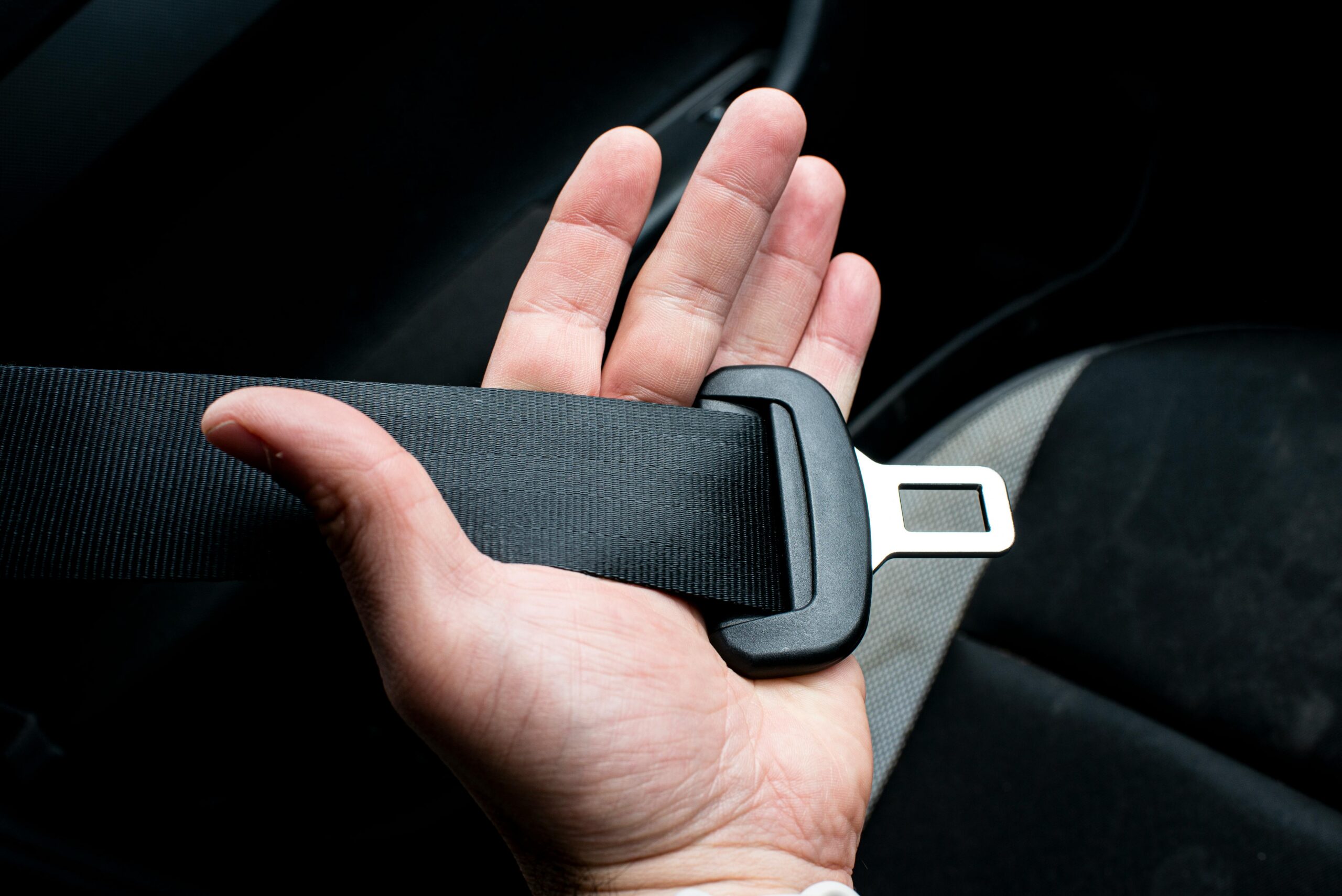
The largest recall centers on approximately 420,000 Ford Expedition and Lincoln Navigator vehicles from the 2018–2022 model years. Investigators found that seat belts in affected vehicles may lock unexpectedly, preventing them from retracting or extending as intended.
Safety officials warn that malfunctioning seat belts may fail to restrain occupants properly during a collision. In some cases, the belts could also retract rapidly, creating an additional injury risk. The recall expands upon two earlier NHTSA actions addressing similar concerns. Ford dealers will inspect and replace affected front seat belt retractors at no cost to owners.
Owner notification letters are expected to be mailed to affected customers, and Ford has encouraged drivers to schedule inspections as soon as possible once they confirm their vehicle is part of the recall. The company says repairs will be completed free of charge through authorized Ford and Lincoln dealerships.
Why Some Drivers Are Being Told Not to Drive
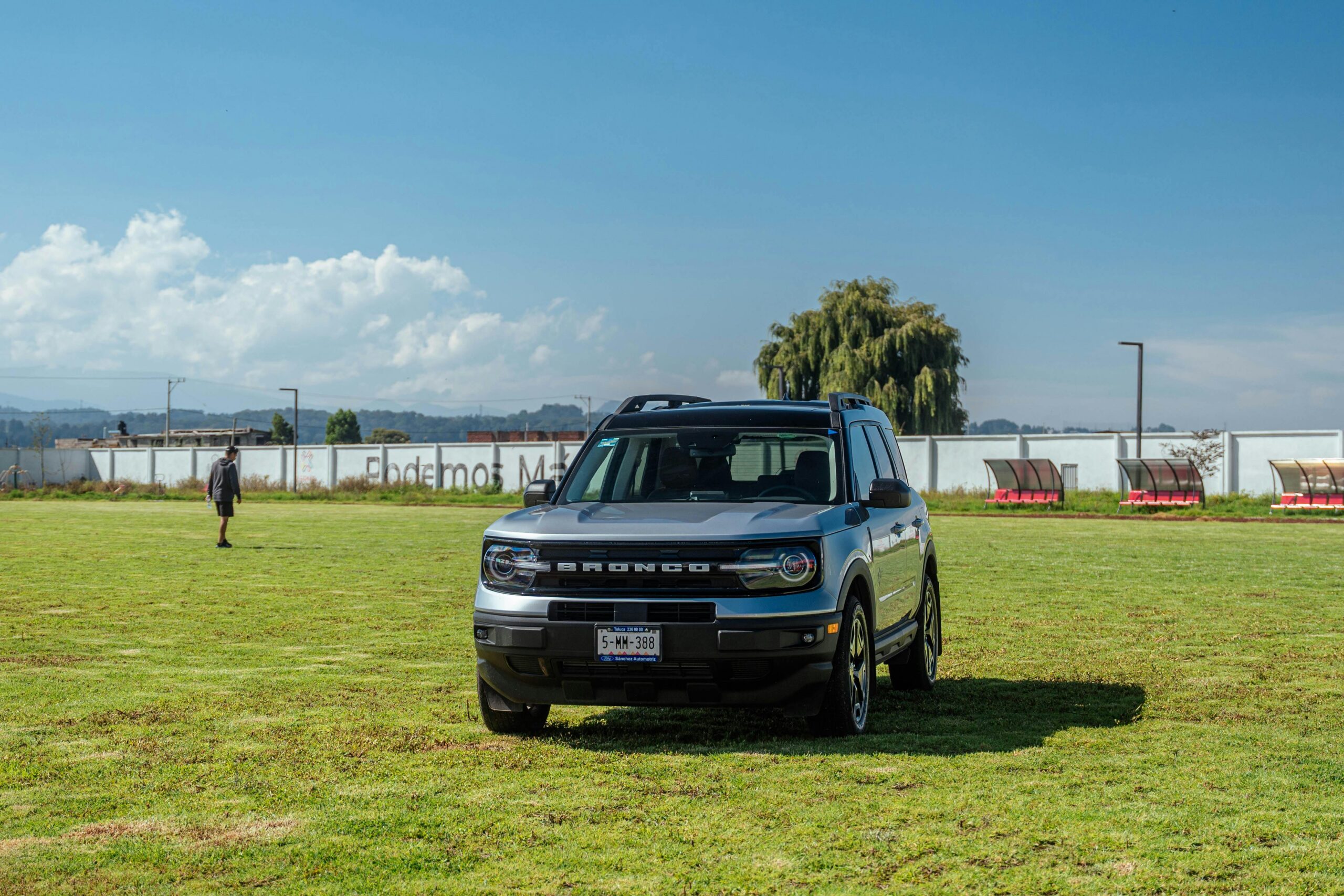
Separate from the seat belt recall, Ford has issued one of its strongest safety advisories for a much smaller group of vehicles: certain 2021–2026 Bronco Sport SUVs and 2022–2026 Maverick pickups.
The recall affects about 4,653 vehicles that may have improperly installed or repaired front lower control arm ball joints. According to Ford and NHTSA filings, the defect could allow the control arm to disconnect from the front wheel knuckle while the vehicle is in motion. If that happens, drivers could suddenly lose steering control, significantly increasing the risk of a crash.
Because of the seriousness of the defect, Ford has instructed affected owners not to drive their vehicles until inspections and repairs are completed. The automaker is covering towing costs for impacted vehicles and has advised owners to contact dealers directly rather than attempting to drive the vehicles to service centers. Most Bronco Sport and Maverick models are not included, but owners are being urged to verify their VINs immediately.
What Vehicle Owners Should Do Next
For affected drivers, the most important step is confirming whether their vehicle is included in either recall. Owners can check their VIN through Ford’s recall lookup tool or the NHTSA recall database to determine whether action is required. Ford says repairs for both recalls will be performed free of charge.
Drivers of Expedition and Navigator models should watch for recall notifications and schedule inspections if their vehicles are included. Those whose vehicles are part of the seat belt recall can continue following Ford’s instructions for repair appointments, but should address the issue promptly, given the safety concerns involved.
For Bronco Sport and Maverick owners covered by the suspension recall, the guidance is far more urgent. Ford’s message is clear: do not drive the vehicle until it has been inspected and repaired. As automakers continue to monitor vehicle safety and issue recalls when necessary, these latest actions serve as a reminder that even relatively small defects can have major consequences when they involve critical safety systems.