Check Your Dimes. One of Them Could Be Worth More Than $1 Million
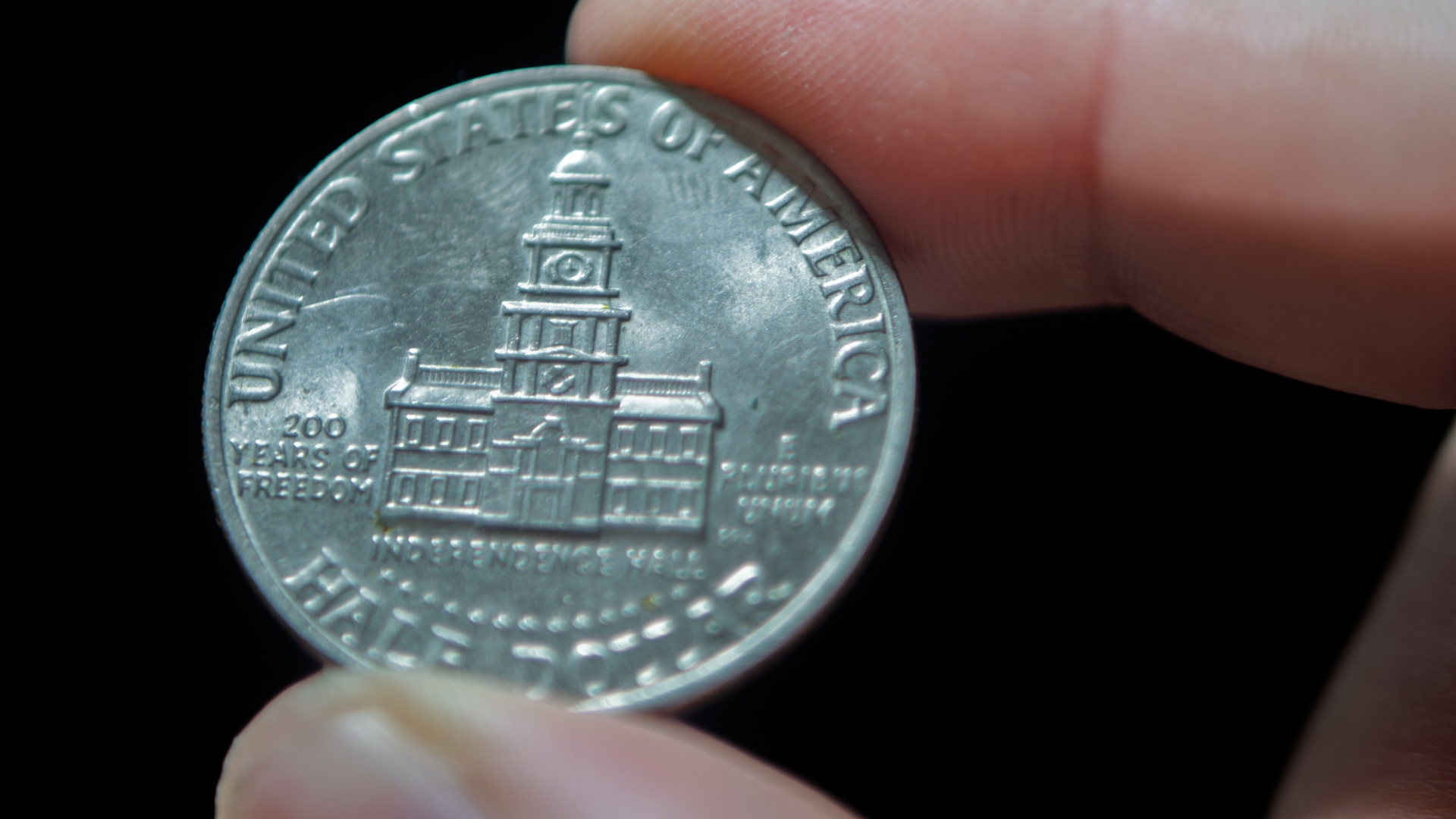

Most dimes buy a piece of gum, if that. One specific dime, struck in San Francisco more than 130 years ago, crossed an auction block on September 1 and left with a final price of $1,250,500. The result falls just short of the series record, but the story behind why this coin exists at all is stranger than the price tag attached to it.
Charles Barber’s 1890s Design Hides One Impossible Rarity
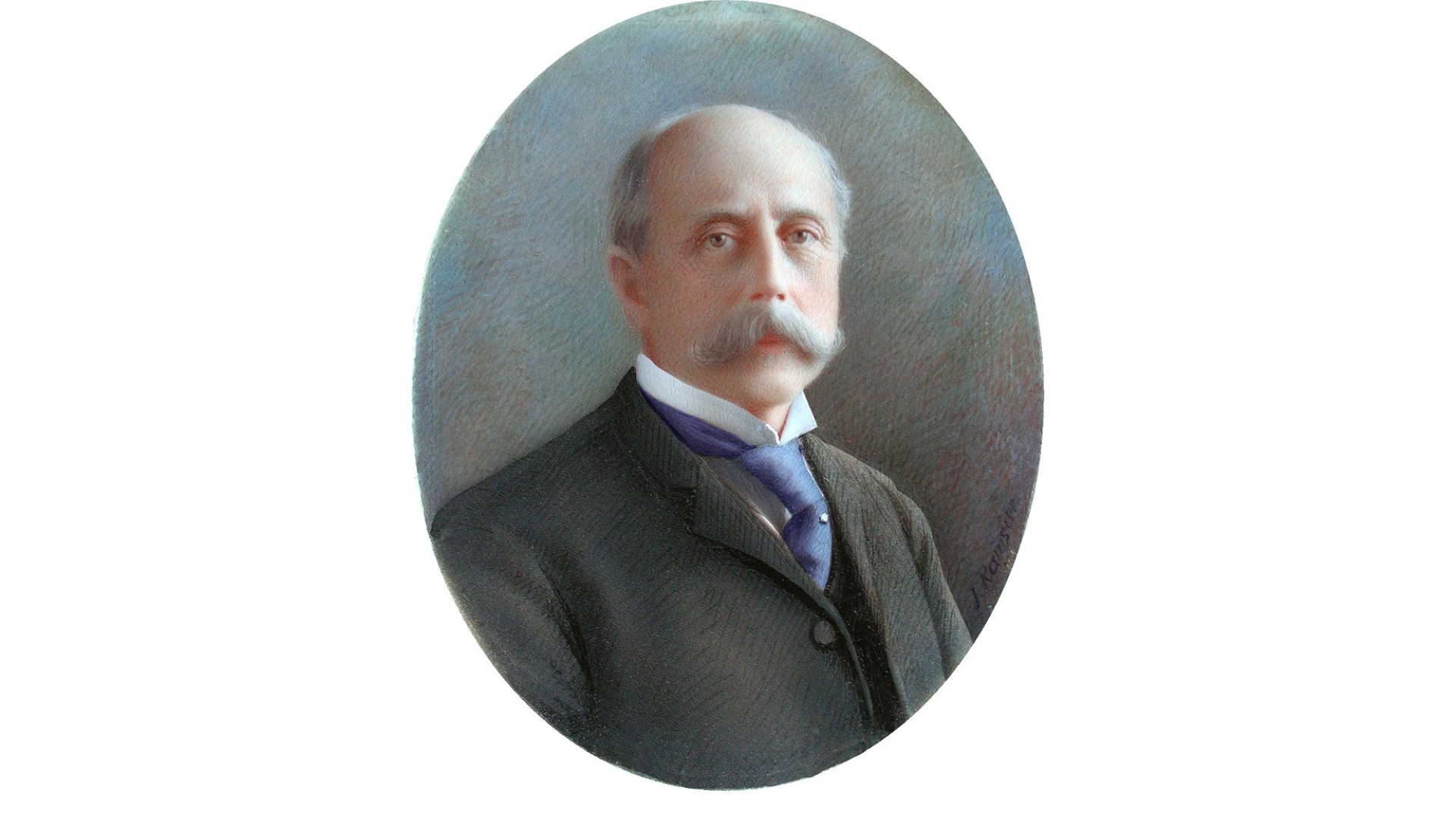
The coin belongs to the Barber dime series, named for Charles E. Barber, the U.S. Mint’s chief engraver, whose design went into production in the 1890s. Barber dimes were struck at four mints through 1916, and most trade for modest sums today. One date breaks the pattern completely: in 1894, the San Francisco Mint pressed only two dozen of them.
A $2.40 Accounting Gap May Explain Everything
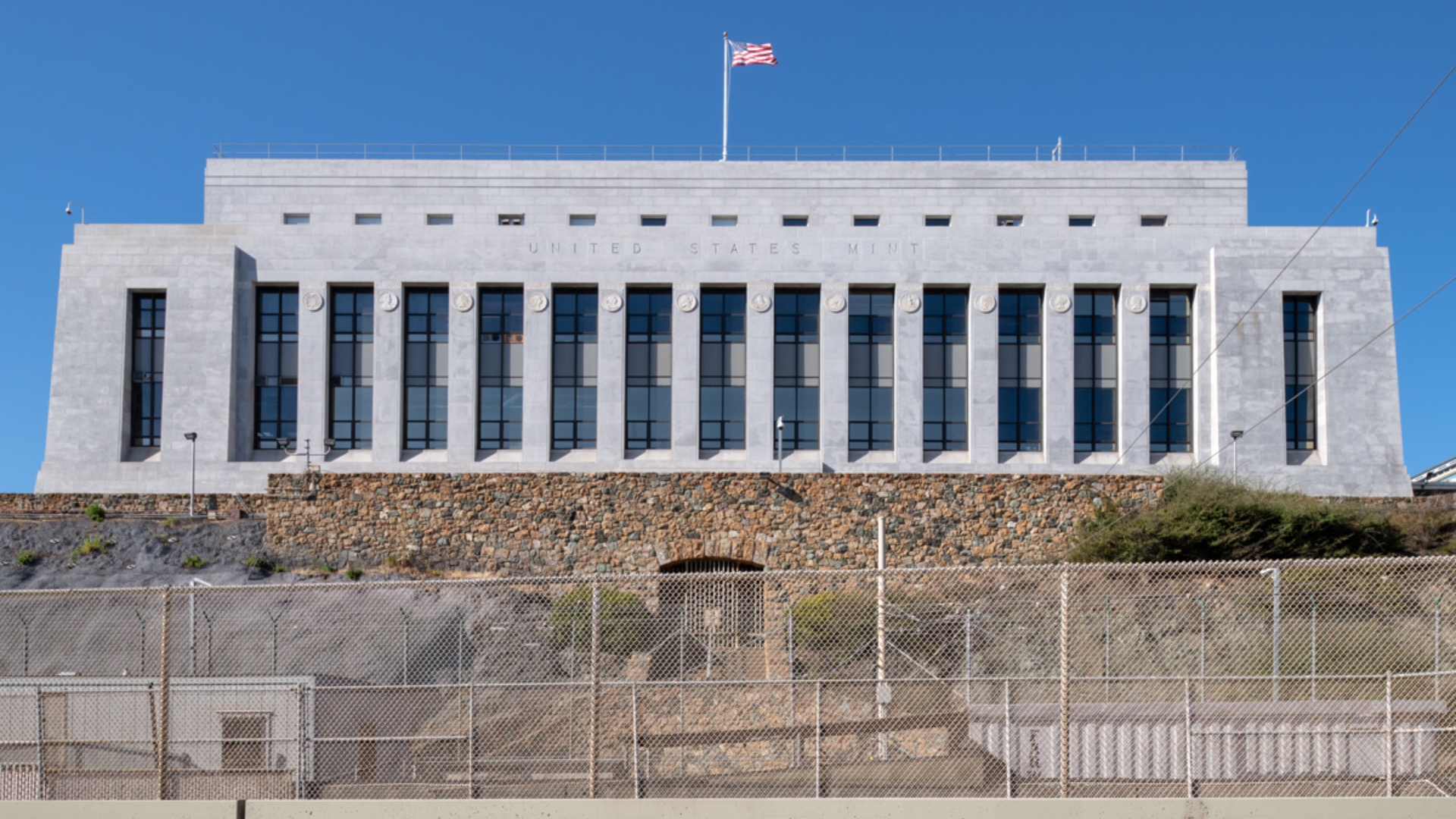
Mint records confirm 24 examples were struck in 1894, but no paperwork explains why. The most repeated theory, laid out by numismatic historians, points to San Francisco Mint superintendent John Daggett, who allegedly needed to balance the books after an audit turned up a shortfall of exactly $2.40. Striking two dozen dimes closed the gap. What happened to those coins next involves his own daughter.
Hallie Daggett Spent One On A Dish Of Ice Cream
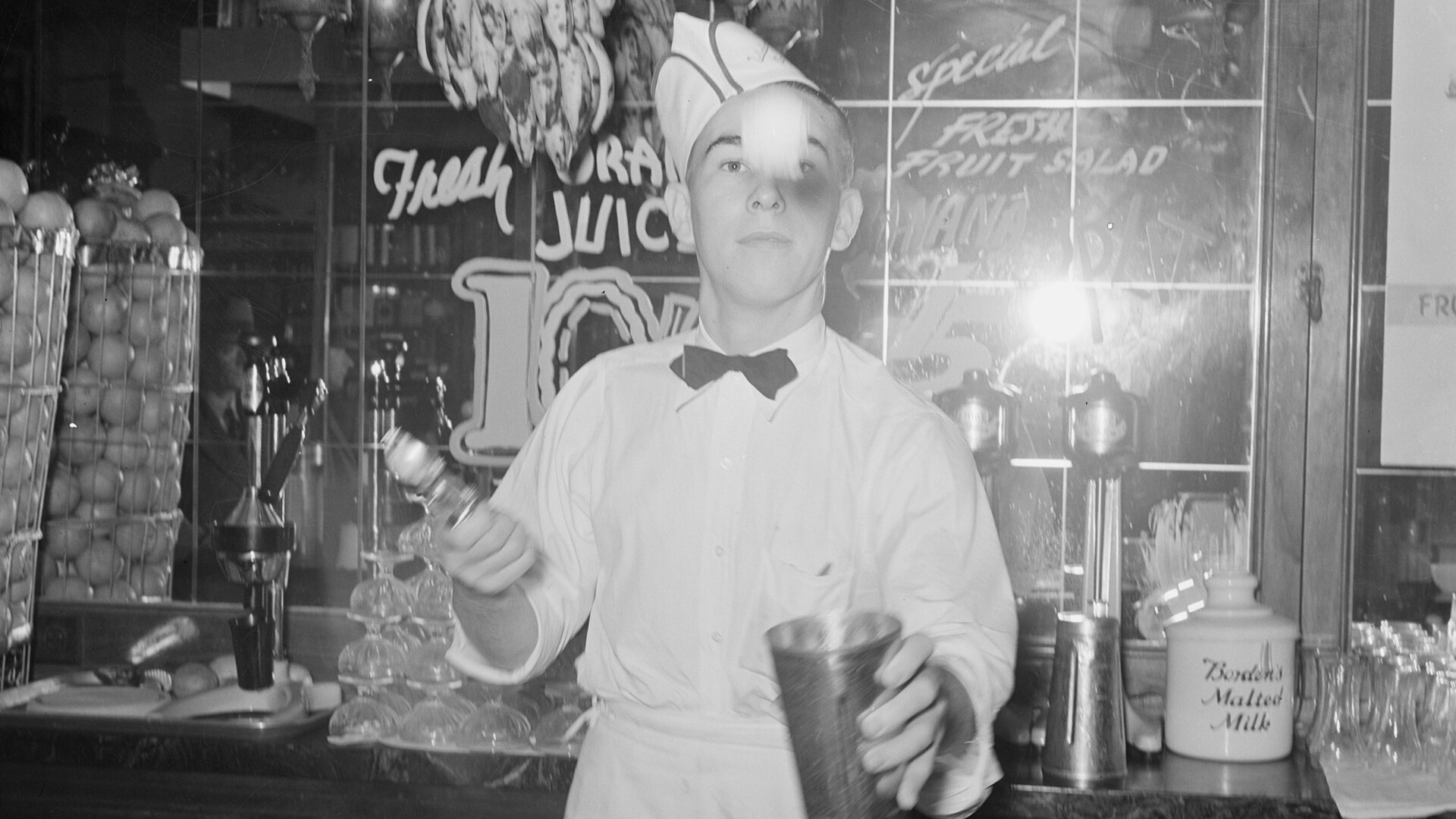
Daggett reportedly gave three of the new dimes to his daughter, Hallie, telling her to save them until she was his age, when they would be worth real money. She kept two. The third, by her own account years later, went toward a dish of ice cream on a hot afternoon. Decades passed before she sold the remaining pair, unaware collectors had already started chasing every one of the 24.
A 19-Year-Old Paid $4,750 For One In 1957
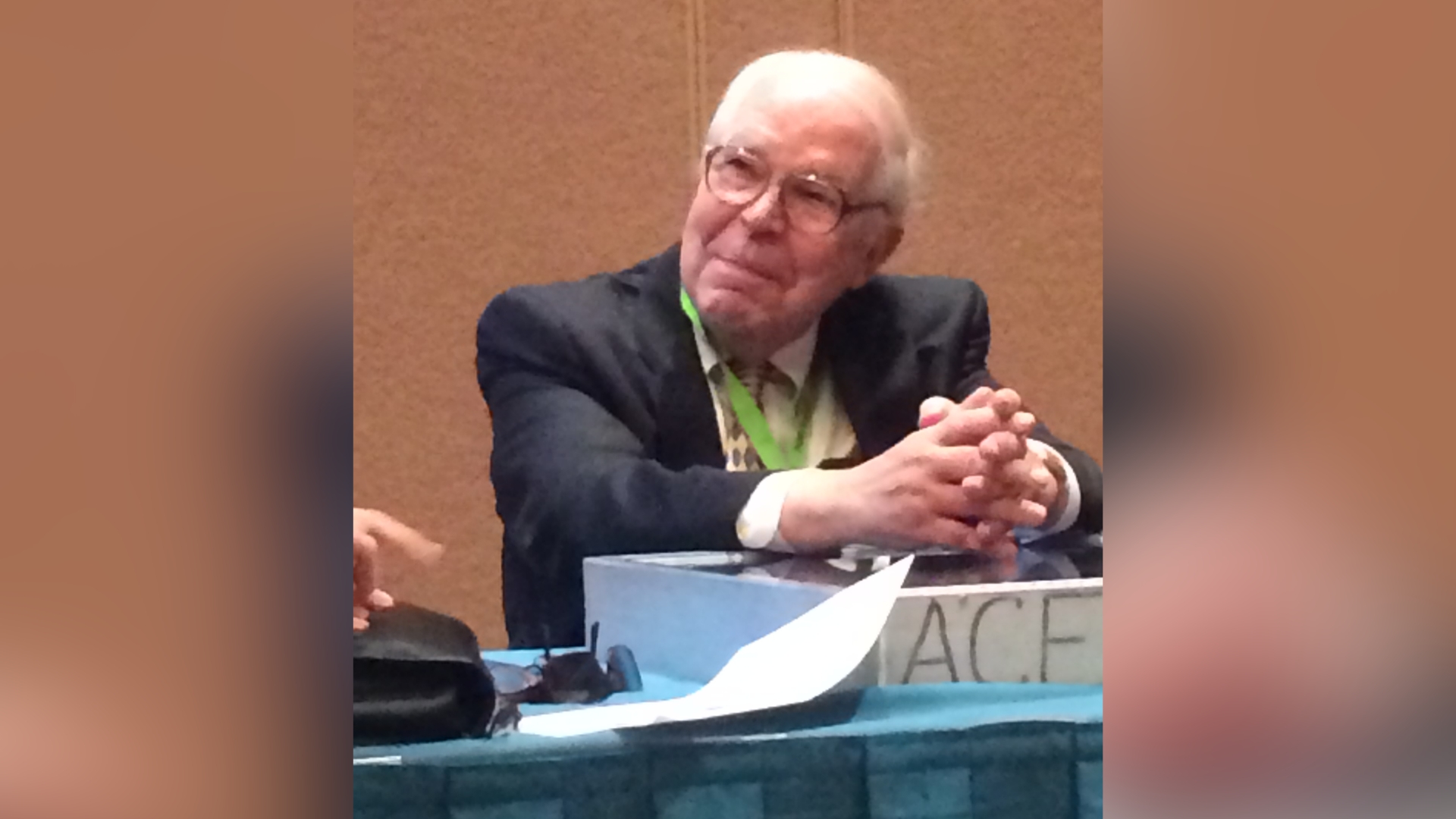
That same year, a teenage coin dealer named Q. David Bowers bid on one of the 1894-S dimes and won it for $4,750, a sum so unusual for a dime that it made national headlines. Bowers called it a record price at the time, and the purchase helped launch a career that made him one of the most recognized names in American coin collecting. He resold the coin in 1960 for $6,000.
The Same Coin Just Sold Through The Firm That Bears His Name
Bowers’ dime changed hands several more times before landing at auction again this September through Stack’s Bowers Galleries, the firm partly named after him. It had not appeared publicly in 36 years. On September 1, it sold for $1,250,500, more than 260 times what a teenager paid for it nearly seven decades earlier, closing a loop few auction houses ever get to witness.
Only Nine Of The Original 24 Are Confirmed To Still Exist
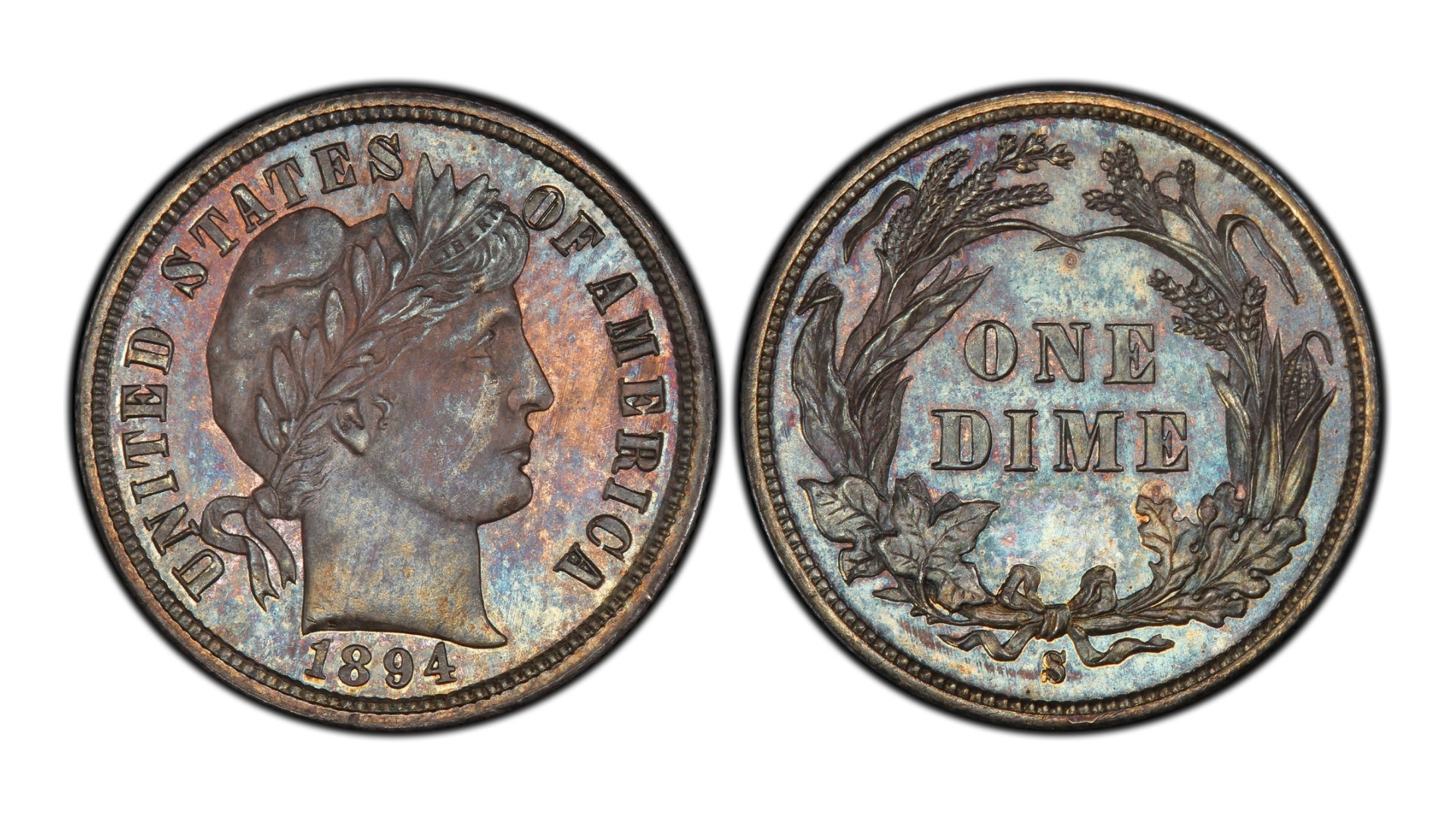
Of the two dozen 1894-S dimes ever struck, researchers count only nine surviving today, and two of those are heavily worn. One turned up decades later inside a box of junk coins at a Gimbels department store and sold for $2.40, the exact sum the mint is said to have needed to balance its ledger back in 1894. What happened to the rest remains unknown.
Other 1894-S Dimes Have Traded For Nearly $2.16 Million

Separate examples of the coin have set records of their own. In January 2016, the finest known specimen sold for $1,997,500 through Heritage Auctions in Tampa. Nine years later, that same coin resurfaced in a Heritage sale and brought $2.16 million, a new high for the series, drawing collectors from around the world for a coin most people would mistake for pocket change.
Other Dimes Have Sold For Even More Than The Barber Rarity
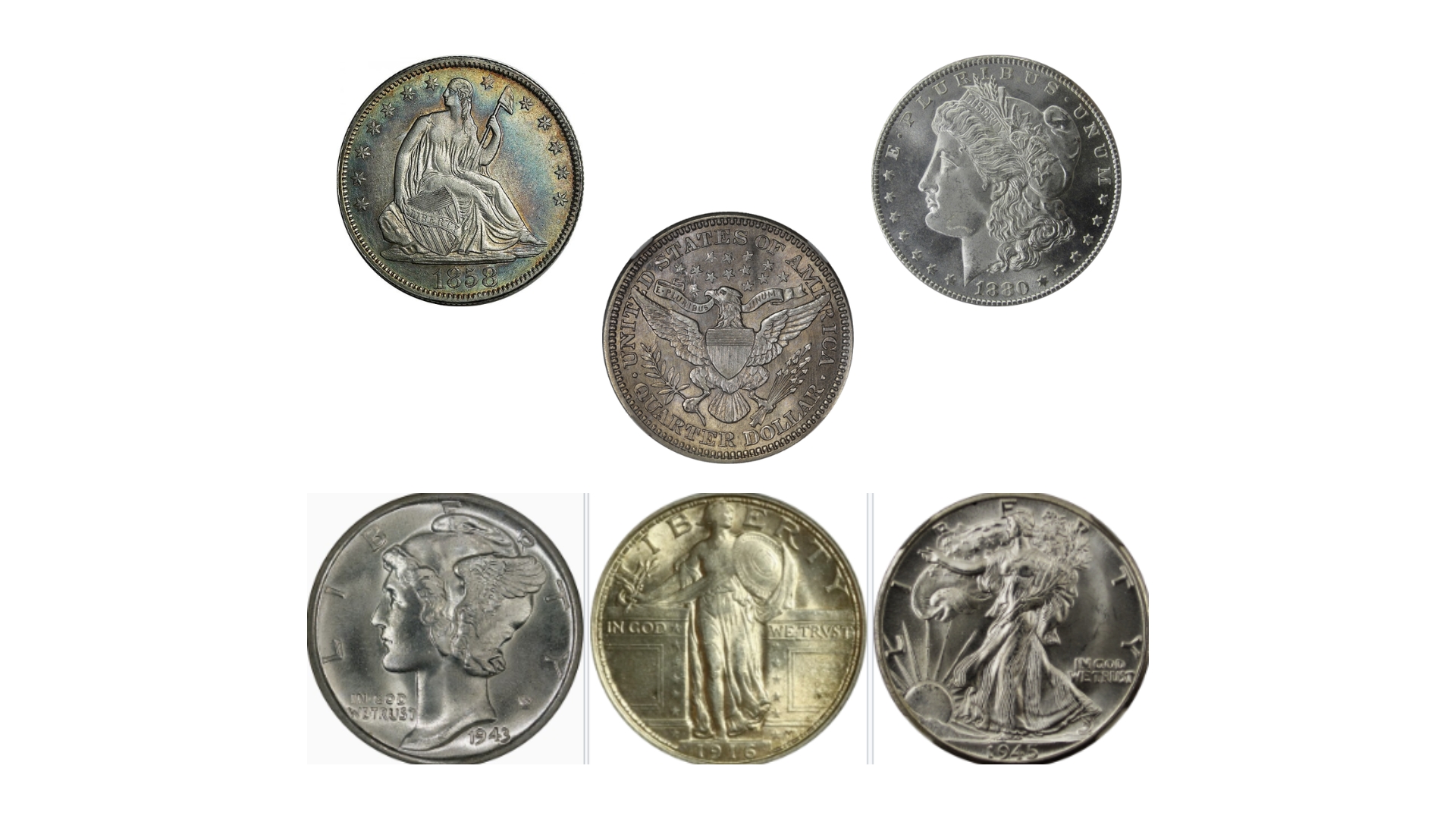
The 1894-S is not the record holder. A dime struck in 1873, right before a law ordered that year’s leftover coins melted down, sold for $3.6 million in 2023, the priciest dime on record and the presumed sole survivor of its batch. Even older is the 1792 “disme,” with only three known and the finest bringing nearly $999,000 in 2016.
Check The Date Before You Assume It’s Just Ten Cents
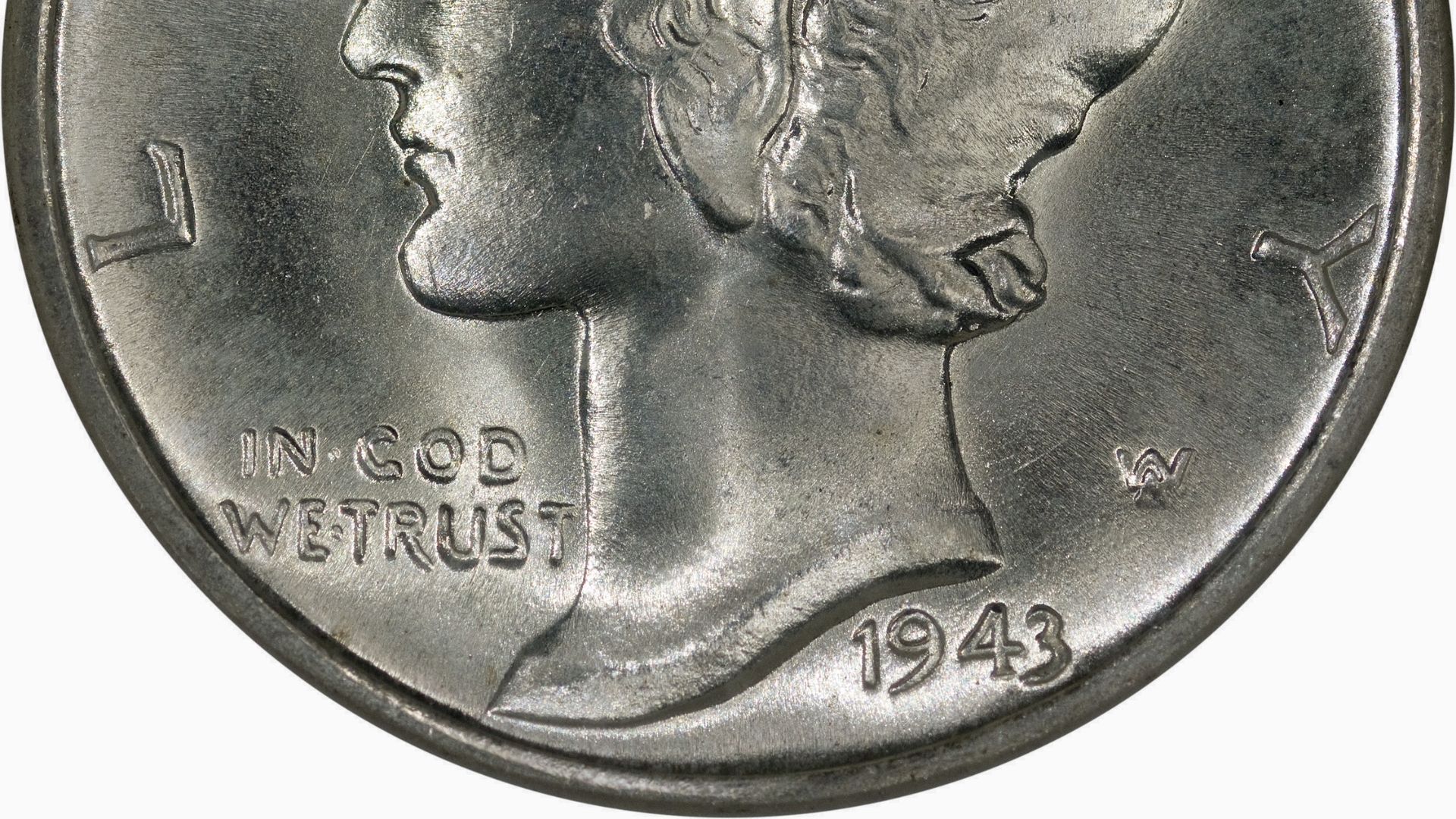
A coin’s worth comes down to rarity, not age or how unusual it looks. “Odd items are always set aside but that doesn’t make them rare or terribly valuable,” Dustin Johnson, vice president of numismatics at Heritage Auctions, told Nexstar. Most dimes in a couch cushion are worth exactly ten cents. The ones dated 1894-S, 1873, or 1792 are the rare exceptions, and any suspected match belongs in front of an expert, not a vending machine.