Cheap Travel Habits That Saved Real Backpackers


Claire, who runs Tales of a Backpacker, spent two years backpacking through South America, Central America, and Mexico after quitting her job, learning to stretch limited savings without earning income on the road. Jordan Simmons made a similar choice in 2014, selling possessions to travel continuously, visiting 33 countries across four continents with extended stays in Australia and Indonesia lasting over six months each. Both discovered that thoughtful decisions about where to go, where to sleep, and what to spend could transform modest budgets into extended journeys.
Where you travel matters more than almost any other factor, according to Claire, because accommodation, transport, and food prices shift dramatically between regions. She found South America far cheaper than Europe for backpacking. Travelers also need to weigh airfare from home against daily expenses at the destination. From Britain, European flights cost less than Asian ones, but Thai living expenses typically run lower than French ones. Brexit weakened the British pound, Claire notes, helping visitors to Britain but hurting British travelers abroad.
Dorm beds in hostels usually offer the cheapest option for backpackers, Claire says, whose budgets rarely cover five-star accommodations or even private hotel rooms. Walking from the bus station or airport to accommodation always costs less than taxis, according to Simmons, and researching routes beforehand or downloading offline maps makes navigation manageable. He recommends self-guided walking tours based on pre-trip research, or checking for free walking tours that many cities now offer for exploring while meeting people.
The slowest way to reach a destination usually costs the least, while the fastest typically demands the most, Claire explains, comparing walking or buses to flying. Travelers with flexible schedules can choose buses that cost a fraction of plane tickets. Staying longer in each place lets visitors learn the area well enough to find activities and spots without paying for tours or rushed convenience. Simmons calls this one of the best long-term money savers, noting that moving between places often represents the biggest travel expense.
Trading Work Hours for Beds and Meals
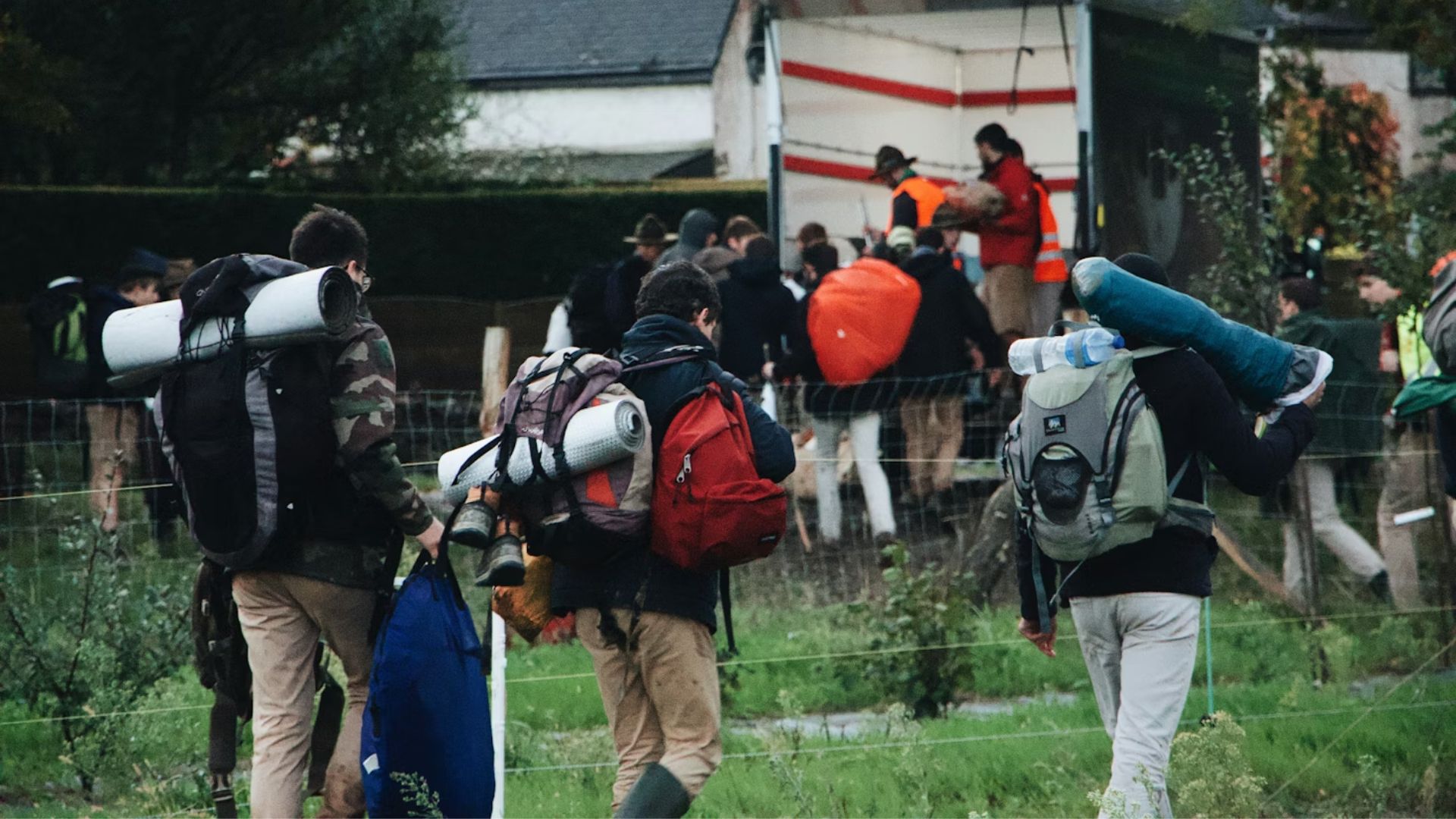
Work exchange websites connect travelers with hosts who need help, Claire explains, creating arrangements where backpackers contribute time and skills in exchange for accommodation. The platforms advertise opportunities from local individuals, businesses, and organizations seeking volunteers. Available positions include hostel work, teaching, cooking, cleaning, and eco-projects in countries worldwide. Volunteers typically receive free accommodation in dorms, private rooms, or tents plus meals, and sometimes additional perks like tours or language lessons. Most placements require at least two weeks, making them practical for long-term travelers conserving funds.
Backpackers moving through countries at their own pace without serious hiking expeditions can skip expensive equipment, Claire says. The backpack she carried for two years across Latin America originally came from a music festival years earlier, and her daypack cost around 20 pounds. She recommends checking charity shops, secondhand stores, eBay, and similar sources for used gear. Most of her kit came from charity shops and her father’s closet, though she invested in proper hiking boots before walking four days to Machu Picchu.
Everything is negotiable, Simmons says, especially in Asia, Africa, and South America, where the initial price rarely represents the final one. Practice improves bartering skills over time, and the approach even works in Western countries where it’s called negotiating instead. The key is feeling satisfied with the agreed price rather than arguing over small amounts. If both parties feel happy with the transaction, it’s a good deal. Claire found that filtered water bottles eliminate constant purchases, saving money while reducing plastic waste.
Local food usually costs less and tastes better than chain restaurants serving dishes from home, both travelers say. Street food offers the cheapest cooked meals, Claire notes, while local markets sell fresh ingredients for cooking at hostels. Simmons points out that local ingredients get prepared by cooks who know traditional recipes far better than imported cuisine, and the food is likely safer. Claire suggests visiting stalls during busy meal periods when locals eat, ensuring the food stays fresh and hasn’t been sitting out long.
Partnering Up Splits Costs on Everything
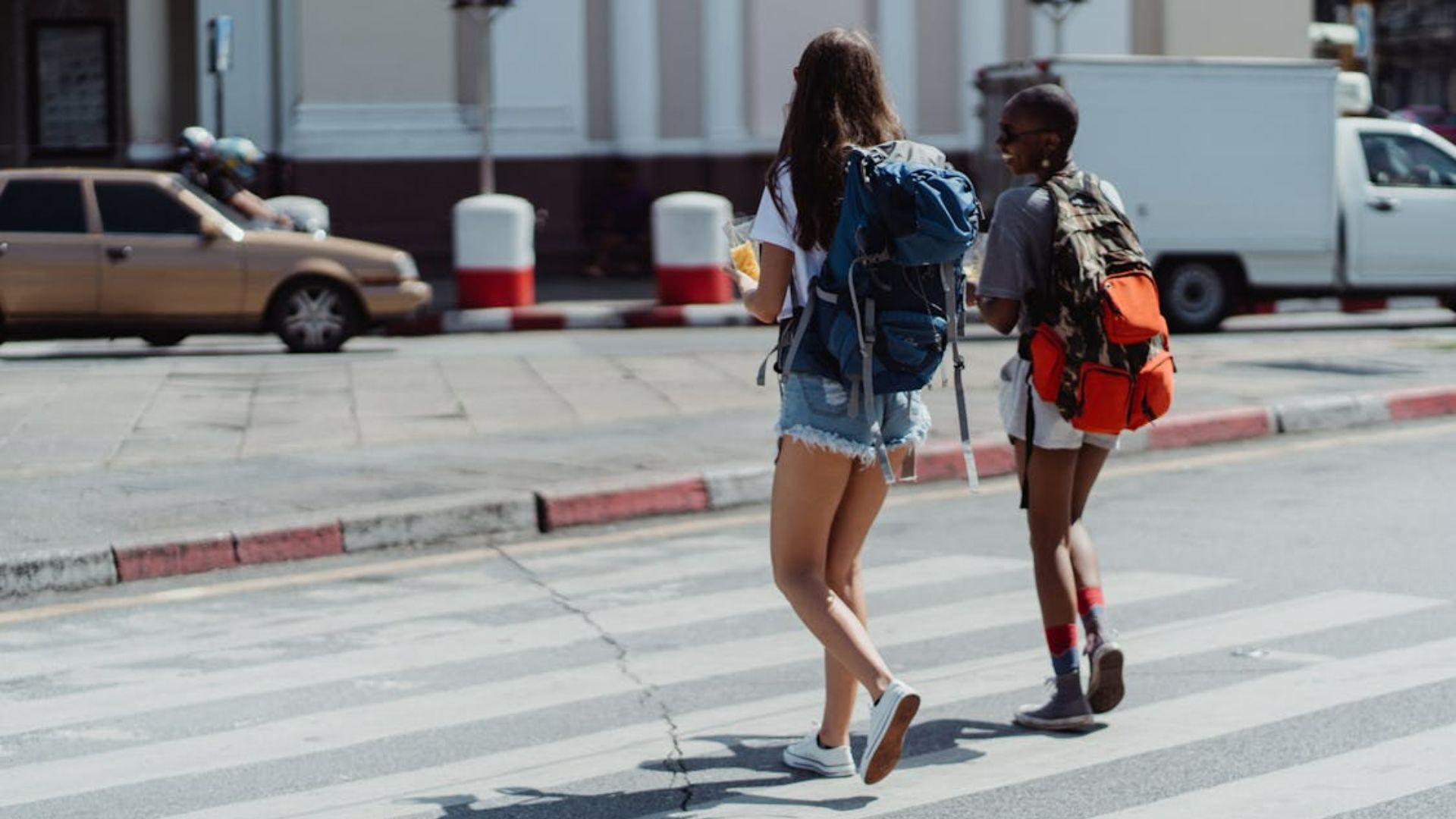
Traveling with another person makes everything cheaper, Simmons says, because partners can share rooms or beds, divide transportation expenses, and split meals. Claire acknowledges that solo travel offers unique rewards but often means paying more for tours, transport, accommodations, and food.
She recommends discussing budget expectations before committing to travel together, since someone on a shorter trip with more money might view prices differently than a long-term backpacker stretching savings as far as possible.
Actually sticking to your budget matters most, Simmons stresses. He balances expenses by spending 25 dollars one day, then only 15 the next, averaging 20 dollars daily over two days. Claire notes that travel insurance feels expensive upfront, especially for extended trips, but medical emergencies abroad can generate enormous bills. Her insurance proved valuable when her passport and laptop were stolen in Ecuador, covering part of the passport replacement costs, though medical coverage remains the primary reason for buying it.