CEO: ‘We Are Short of Permission,’ Not Energy, on Rising Bills
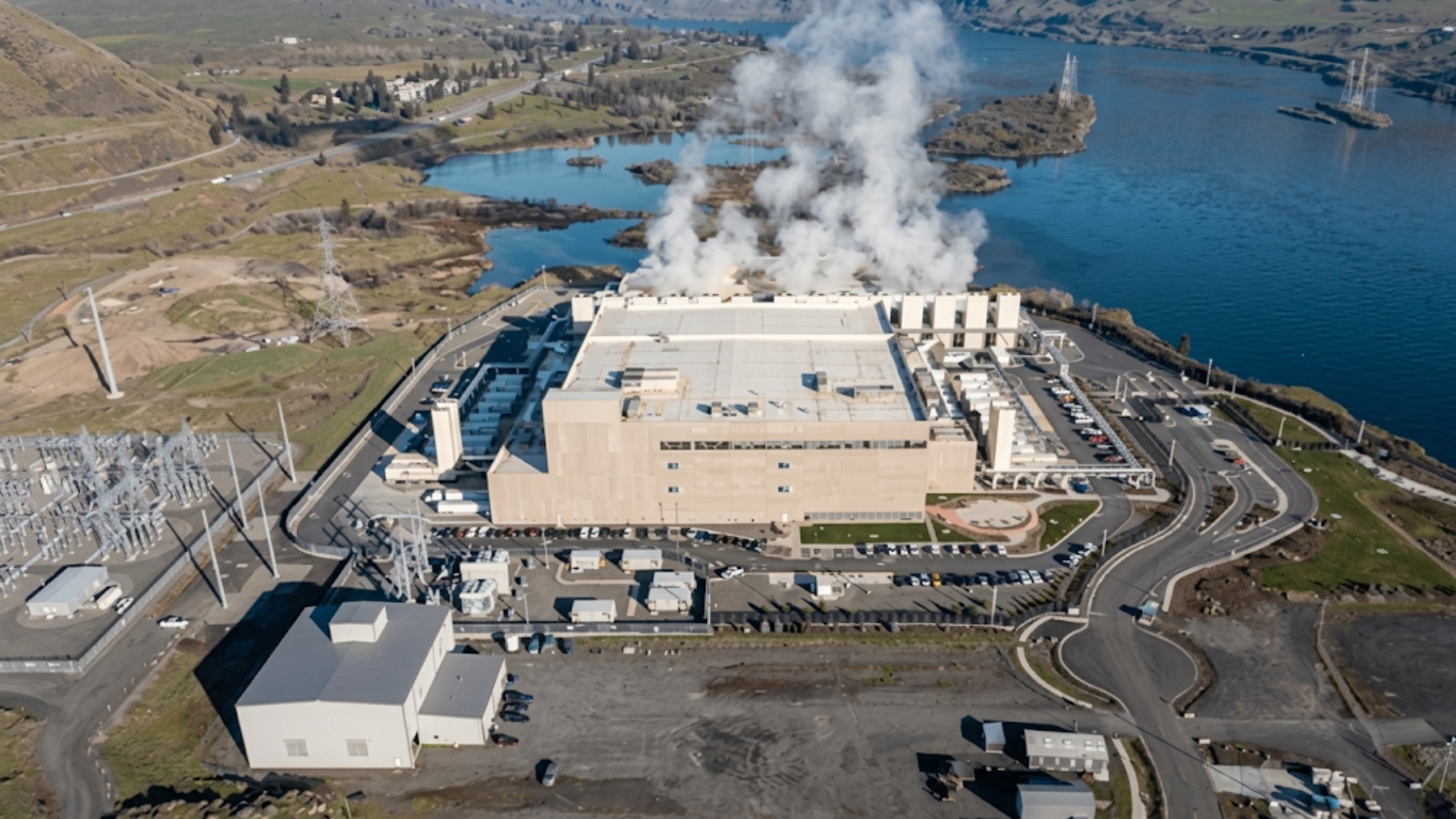

When electricity bills climb, the newest, most visible thing on the grid usually gets blamed first. Right now that means data centers. One energy industry executive argues that target is largely wrong, and that the real culprit is a building most of these controversial data centers haven’t actually finished building yet, or even started, at least not most of them.
Toby Rice is president and CEO of EQT Corporation, a natural gas producer. He makes that case directly. Residential electricity prices climbed roughly 30% between 2020 and 2025, a period when the AI data center buildout was still mostly slides in a corporate pitch deck rather than actual power draw on the grid. Tomorrow’s consumption, he argues, simply cannot explain today’s bill.
Rice points to a different culprit entirely. The country has been retiring dispatchable power generation faster than it replaced it. Since 2015, the U.S. has taken more than 100 gigawatts of dispatchable generation offline faster than new capacity came online to replace it. Whether that specific imbalance actually explains regional price differences is where his argument gets more testable.
Texas and Virginia Have a Third of U.S. Data Centers. Their Bills Are Below Average.
Rice’s central piece of evidence is a state-by-state comparison. Texas and Virginia together host roughly a third of the country’s data centers, and yet residential customers in both states still pay less than the national average, with Texas running about 10% below it. New England, by contrast, hosts almost no data centers at all, and its summer residential prices still climbed roughly 40% between 2020 and 2025, well above the 30% national average.
Rice attributes that gap to one thing. Differing approaches to building power infrastructure over the past two decades explain the split, he argues. Texas said yes, and added more generation and storage capacity than any other state in the country. New England said no, spending two decades fighting over pipelines that never got built, and the region now burns oil on its coldest days simply because there isn’t enough pipeline capacity to move natural gas to power plants.
That regional comparison is genuinely striking on its face. It forms the backbone of Rice’s entire argument. Whether it holds up as cleanly everywhere else in the country, though, is a separate question worth examining closely, especially once you look past the two headline examples he chose and at the specific mechanics of how the grid actually gets built.
2,060 Gigawatts Are Stuck Waiting in Line. Only 1,280 Are Actually Installed.
Rice names three specific bottlenecks. Together, he says, they make it nearly impossible to lower an electricity bill in America right now. The first is generation stuck waiting for approval: roughly 2,060 gigawatts of generation and storage sat in interconnection queues at the end of last year, against about 1,280 gigawatts actually installed nationwide, with the median approved project spending 61 months in line. That specific figure is independently corroborated by Lawrence Berkeley National Laboratory data.
The second bottleneck is transmission: a major line crossing multiple states, agencies, and courtrooms takes a decade or more to complete. The third is fuel delivery, since roughly 40% of American electricity comes from natural gas, and pipeline delays raise costs on the coldest and hottest days. Other analysts complicate this picture, though. In Virginia’s PJM grid region, a $9.3 billion capacity cost increase tied to data center demand added an estimated $16 to $18 monthly to nearby states’ bills last year.
That single counterexample does not undermine his broader case entirely. It does complicate his cleanest talking point, the idea that data centers play essentially no role anywhere in rising bills. Understanding what Rice actually proposes doing about all three bottlenecks fills out the rest of his argument, and where it ultimately lands.
His Fix: Pass Permitting Reform and Let Data Centers Overbuild Power
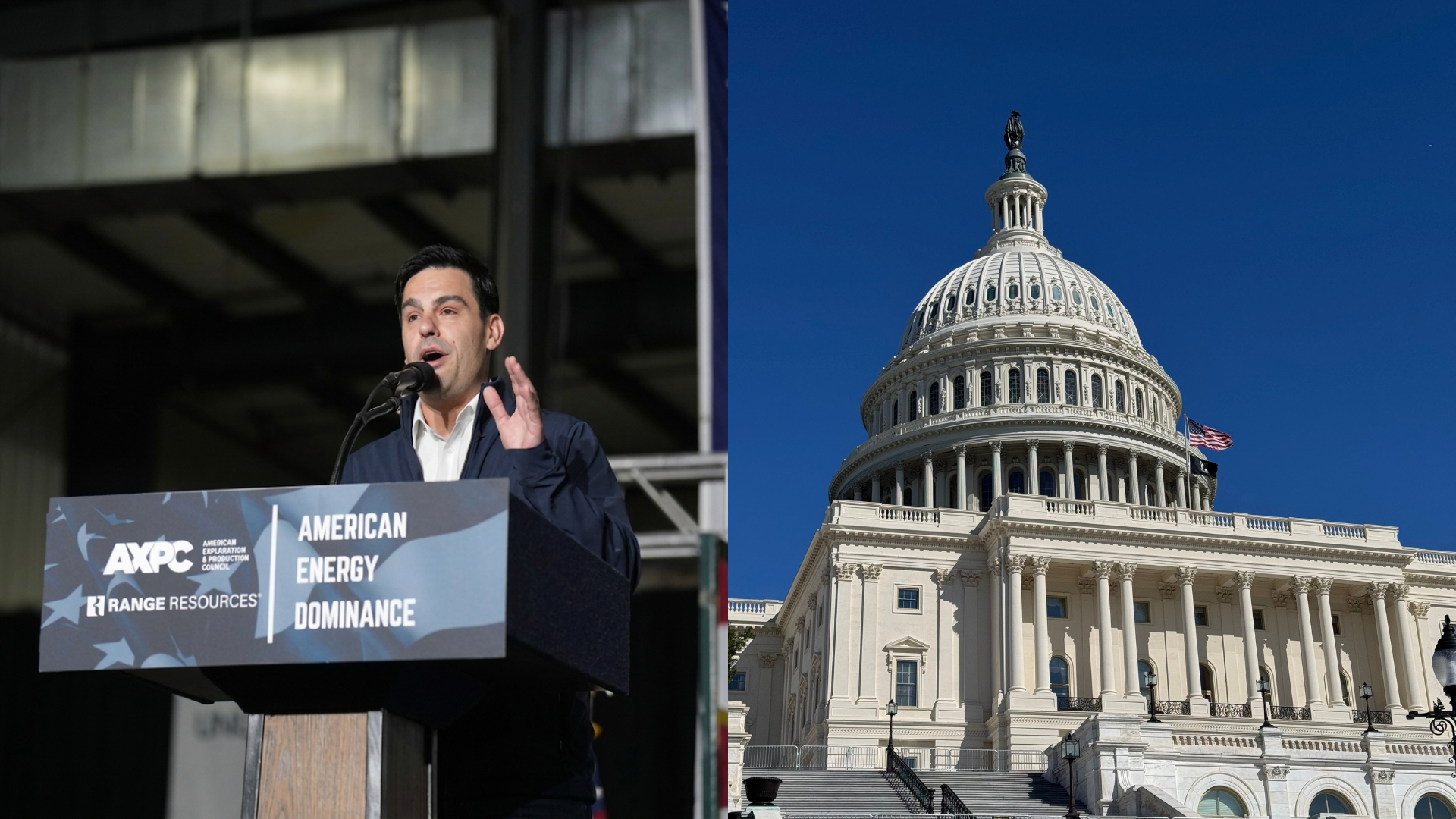
Rice’s proposed fix centers on federal permitting reform. He argues Congress is closer to passing it than it has been in a generation. The House passed several relevant bills back in December, before data centers had even become a political scapegoat for rising prices, and Rice believes the Senate is positioned to act soon if bipartisan cooperation holds through the current session.
Rice also has a specific proposal for the data centers themselves. When a facility builds its own on-site power generation, reliability standards typically require it to overbuild, roughly 1.2 gigawatts of capacity to serve 1 gigawatt of actual demand. Right now, that excess capacity sits idle behind a fence because rules for pushing surplus power onto the regional grid remain unsettled. Fix those rules, Rice argues, and a data center effectively becomes a tech-financed power plant for its surrounding community.
Rice’s underlying argument, that Congress should stop fighting over blame and simply build more power infrastructure, has real evidence behind it. It also has real bipartisan appeal. His cleanest claim, that data centers themselves bear little responsibility for rising bills, remains more contested than his piece suggests, given regional cases like PJM where analysts have traced real cost increases back to data center demand. Which argument proves more convincing may matter less than whether anyone actually builds anything.