Century-Old Factory Closes Its Doors – Manufacture Blames ‘Energy Model’


Factories don’t usually make headlines until the doors close for good. In Hillsville, Virginia, that moment finally came when a 109-year-old textile plant fell quiet. The company blamed its “energy model,” sparking talk across town about what that really means. For many, the news feels bigger than one factory. It’s a story about work, change, and what gets left behind when the machines stop running.
Hillsville Factory Faces Final Shutdown
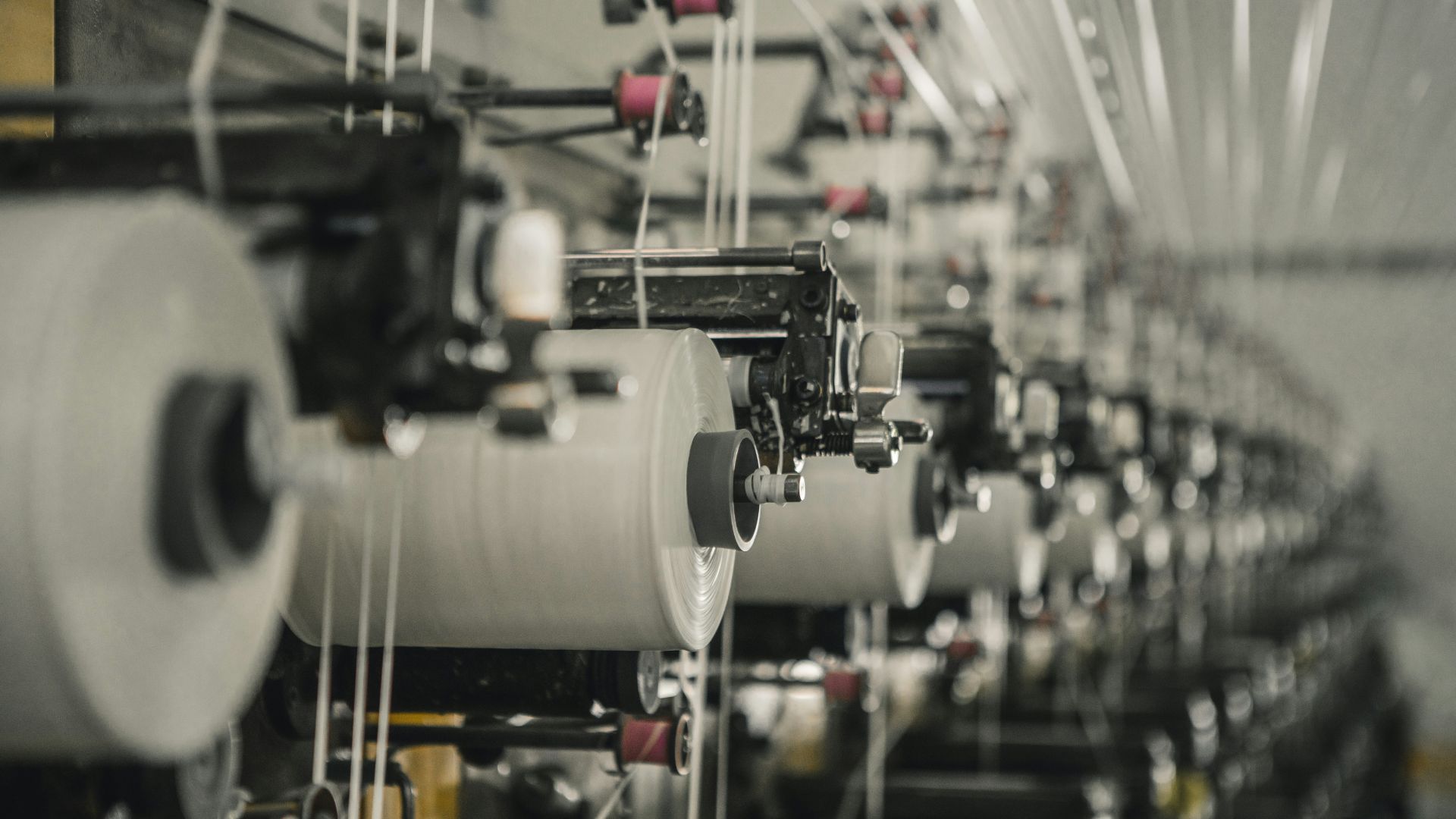
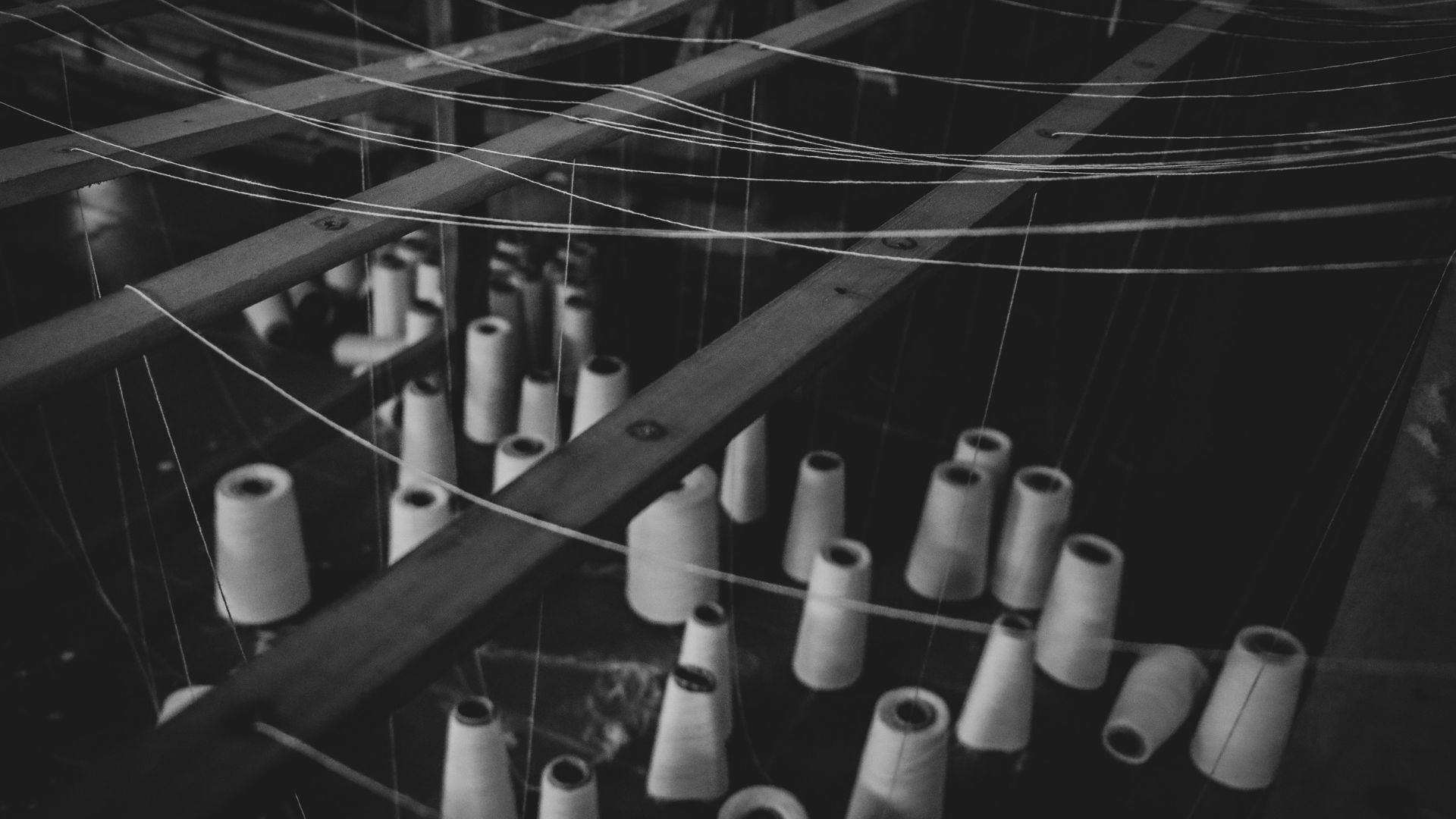
The sound of weaving machines has faded in Hillsville, Virginia. A 109-year-old textile factory is closing for good after decades of steady production. The company says rising energy costs pushed it to make the difficult call. For the 68 employees who spent years here, the closure feels personal. Generations worked in the same building, so its silence now carries the weight of both history and hard change.
A String of Closures Across Carroll County
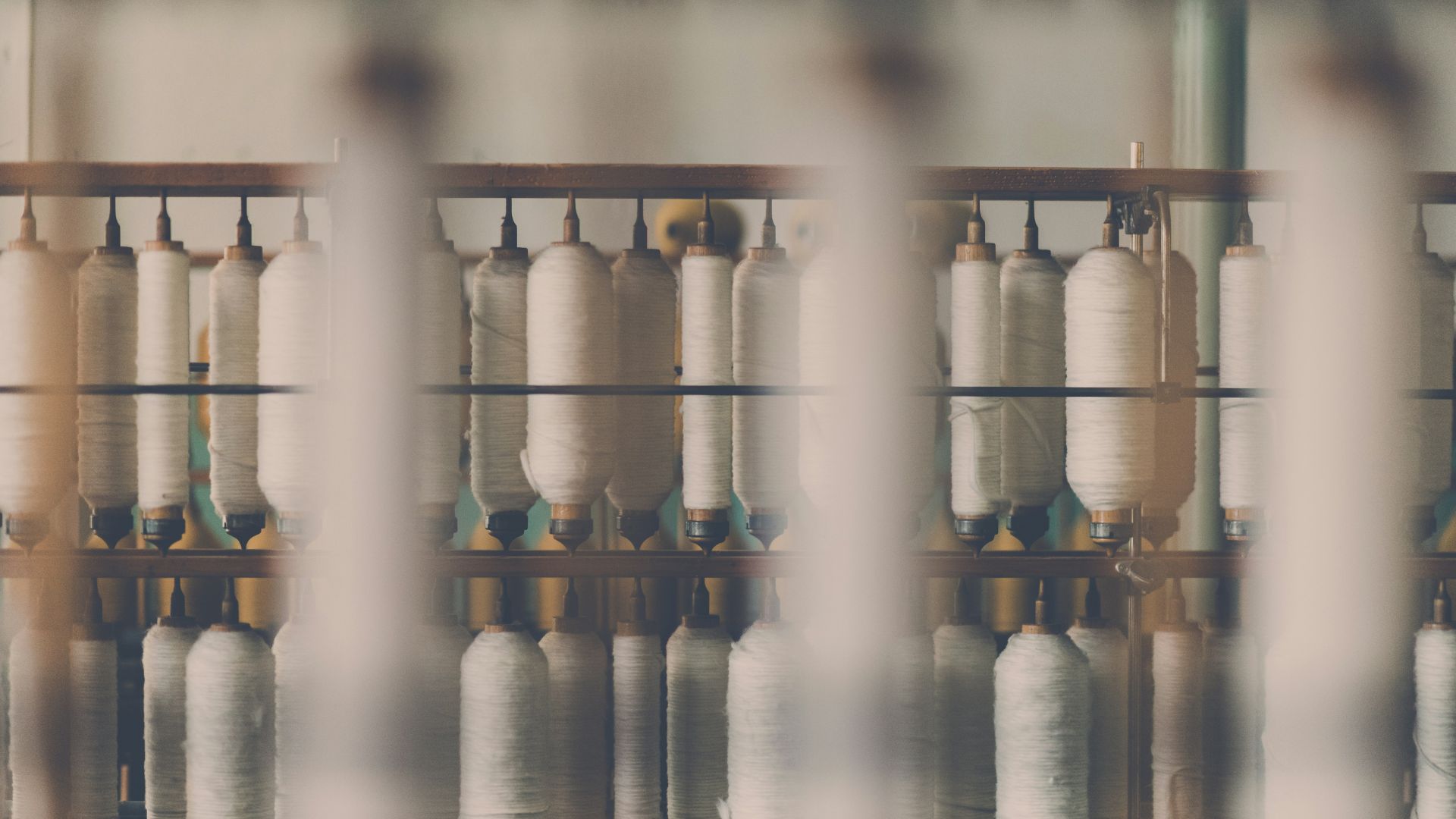
Carroll County has seen too many factory gates close in recent years. The Hillsville plant is the fourth to shut down, leaving empty parking lots where hundreds once worked. Local officials say the losses have already cut deep into tax revenue, and more closures could follow. Families who once relied on steady manufacturing jobs are now looking for new paths, so the county is trying to figure out what comes next before more plants go quiet.
A Legacy Built on American Textiles

The Hillsville factory stood as part of America’s textile story for more than a century. Generations worked the looms and spinning machines that once fed a growing industry. The mill survived world wars and economic downturns, adapting each time. Its name carried weight across the South, where textile work shaped entire towns. So when the machines stopped, it felt like more than a closure. It marked the end of a long, steady chapter in American manufacturing.
Rising Energy Costs Take the Blame

Company leaders pointed to rising energy costs as the reason for shutting down the Hillsville plant. The official notice described operations as no longer sustainable under the current model. Workers were told that high utility prices made it impossible to continue running the facility. The explanation raised questions across the community, since Virginia’s energy rates remain among the lowest in the country. Many are left wondering how such a longtime manufacturer could no longer keep up.
Foreign Imports Hit Domestic Mills Hard
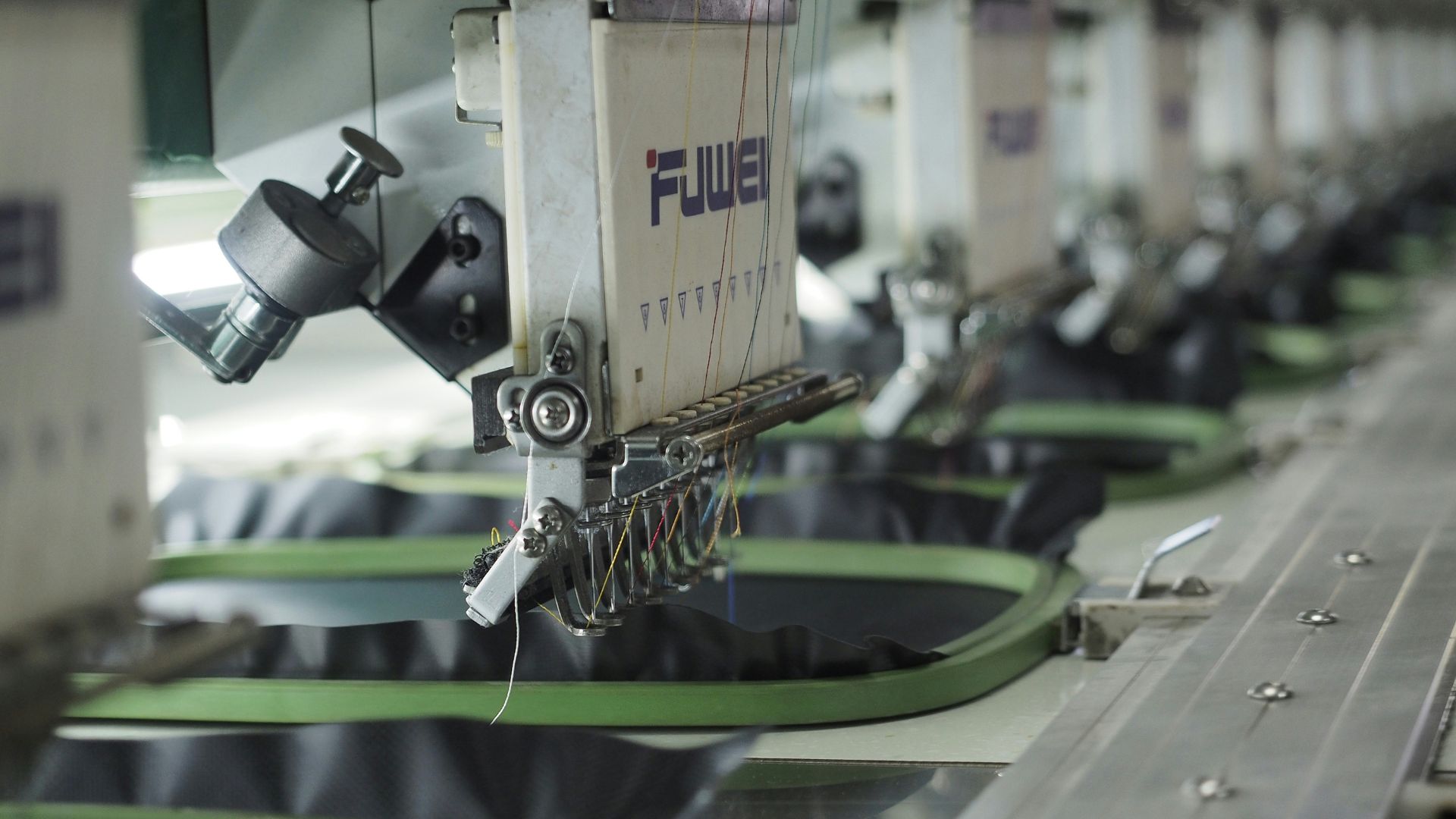
Foreign-made textiles have flooded the U.S. market, putting long-running mills under heavy strain. Parkdale’s CEO told Congress that the company is operating at only sixty percent capacity because of low-cost imports entering through the de minimis trade loophole. More than a billion duty-free packages arrived last year, many filled with fabric and apparel. American factories can’t match those prices, so even established manufacturers are now struggling to keep production lines moving.
Workers Confront Uncertain Futures
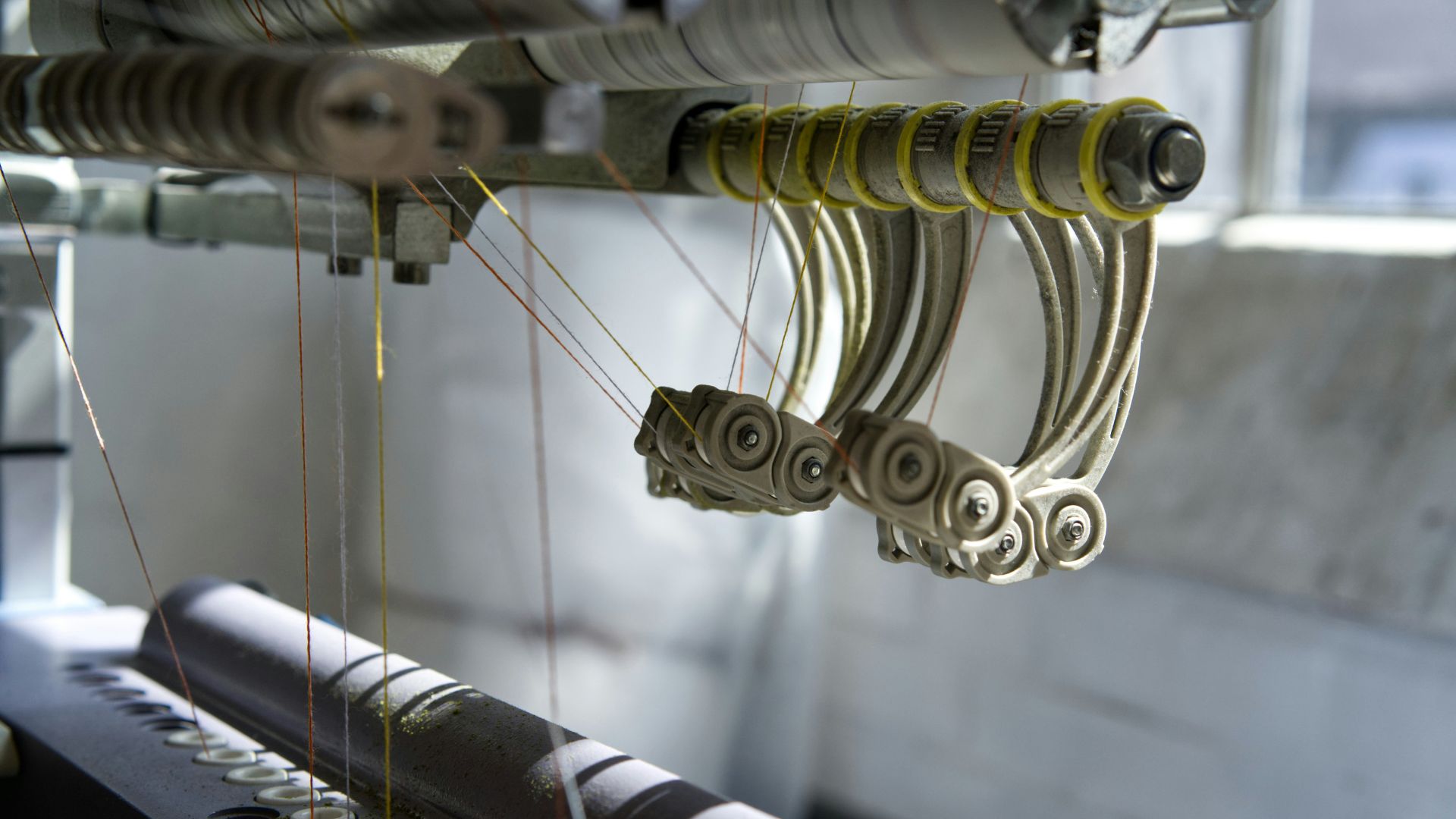
Sixty-eight workers in Hillsville are now preparing for their last day at the factory. Some have been there since their teens, building entire lives around steady shifts and familiar faces. Others were planning to retire soon, but must now rethink their plans. The closure leaves many searching for new jobs in a small town with limited options. Many are simply trying to adjust to a future they didn’t expect.
Washington Moves to Close the De Minimis Loophole

Federal leaders have started closing the gap in trade policy that many say has hurt American factories. In August 2025, the government suspended the de minimis exemption that allowed duty-free shipments under eight hundred dollars. The decision followed months of industry pressure after years of rising closures. Textile groups welcomed the move, saying it gives domestic producers a fairer chance. For towns like Hillsville, the change arrives after jobs and production lines have already disappeared.
Searching for New Paths in a Changing Industry

Carroll County is starting to look ahead after the loss of its historic textile plant. Local leaders are talking with new businesses and exploring ways to bring different industries to the area. A U.K.-based greenhouse company has already announced plans to expand nearby, offering new jobs and some optimism. Many hope these efforts will keep the community working and growing, so the county doesn’t depend on one industry the way it once did.
Looking Ahead for Hillsville
Hillsville’s story isn’t over yet. The factory may be closing, but the people here aren’t standing still. Local leaders are working to attract new employers, and residents are ready to adapt. The town has weathered hard changes before, so there’s reason to believe it can rebuild again. The hum of machines may have stopped, but the drive to create something lasting still runs strong through the community.