Carvana Acquires Seven Stellantis Dealerships For $160 Million, Entering The New-Car Market
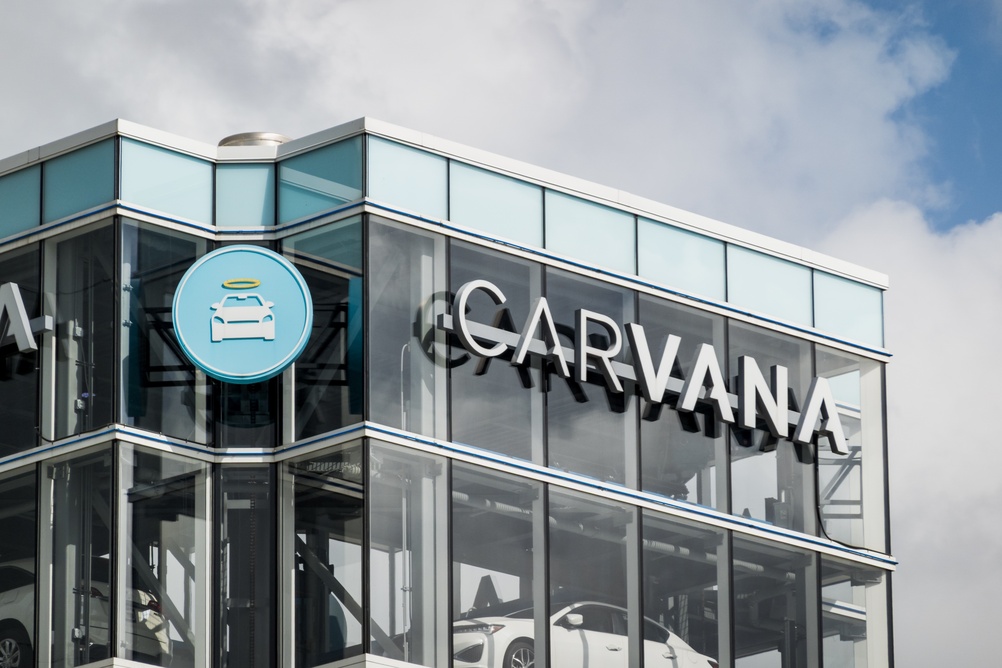

Carvana built its reputation by transforming used-car sales into a largely online experience, complete with home delivery and vehicle vending machines. Now the company is making a far more ambitious move. After spending more than $160 million to acquire seven Stellantis dealerships, Carvana is officially expanding into the new-car market, a business worth hundreds of billions of dollars annually and long dominated by traditional franchise dealers.
From Used Cars To New Vehicles

For years, Carvana focused almost exclusively on used vehicles, competing against retailers such as CarMax and independent dealerships. That strategy helped the company become one of the nation’s largest online vehicle sellers. Its recent dealership acquisitions, however, give Carvana direct access to selling new Chrysler, Dodge, Jeep, and Ram vehicles through Stellantis franchises across several major markets.
The Seven-Dealership Expansion
According to reporting cited by Entrepreneur and Autoblog, Carvana has acquired seven Stellantis dealerships over the past year. The locations include markets such as Phoenix, Atlanta, Dallas, San Diego, Sacramento, and the Boston area. The acquisitions provide an immediate entry point into new-car sales without requiring Carvana to build a dealer network from scratch.
Why Stellantis Became The Target

Industry observers believe Stellantis offered a relatively accessible path into the franchise dealership business. The automaker has faced sales challenges in recent years but is attempting a turnaround through the return of popular V8-powered models and the expansion of hybrid offerings. If those efforts succeed, Carvana could benefit from increased demand while already controlling several dealerships positioned to sell those vehicles.
The Online Model Could Change The Buying Experience
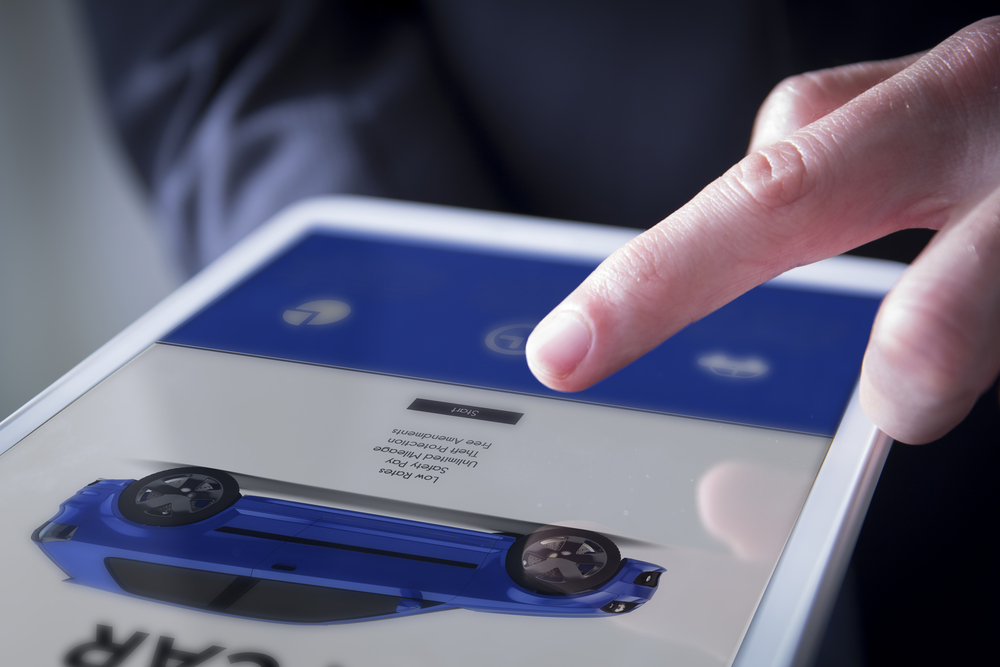
One reason the move has attracted attention is Carvana’s digital-first approach. Traditional dealership purchases often involve in-person negotiations, financing discussions, and lengthy paperwork. Carvana instead emphasizes online ordering, transparent pricing, and delivery options. Entrepreneur highlighted one buyer who purchased a new Jeep Wrangler online and had it shipped more than 1,000 miles rather than negotiate with local dealerships.
Dealers Are Not Happy About It

The expansion has reportedly generated significant concern among existing Stellantis dealers. According to Entrepreneur’s reporting, some dealers believe Carvana’s scale and online model could disrupt traditional pricing structures and customer acquisition strategies. One dealer described the reaction within the Stellantis dealer network as an “uproar,” and discussions about Carvana’s expansion reportedly became contentious during dealer meetings earlier this year.
A Potential Pricing Advantage

Analysts cited by Autoblog suggest Carvana may be able to use its online infrastructure to operate with lower overhead than conventional dealerships. That could allow the company to compete more aggressively on pricing while also offering nationwide delivery. Consumers could benefit from easier comparison shopping and potentially lower transaction costs, although traditional dealers argue that local service and personal relationships remain important advantages.
New Cars Could Strengthen The Used-Car Business
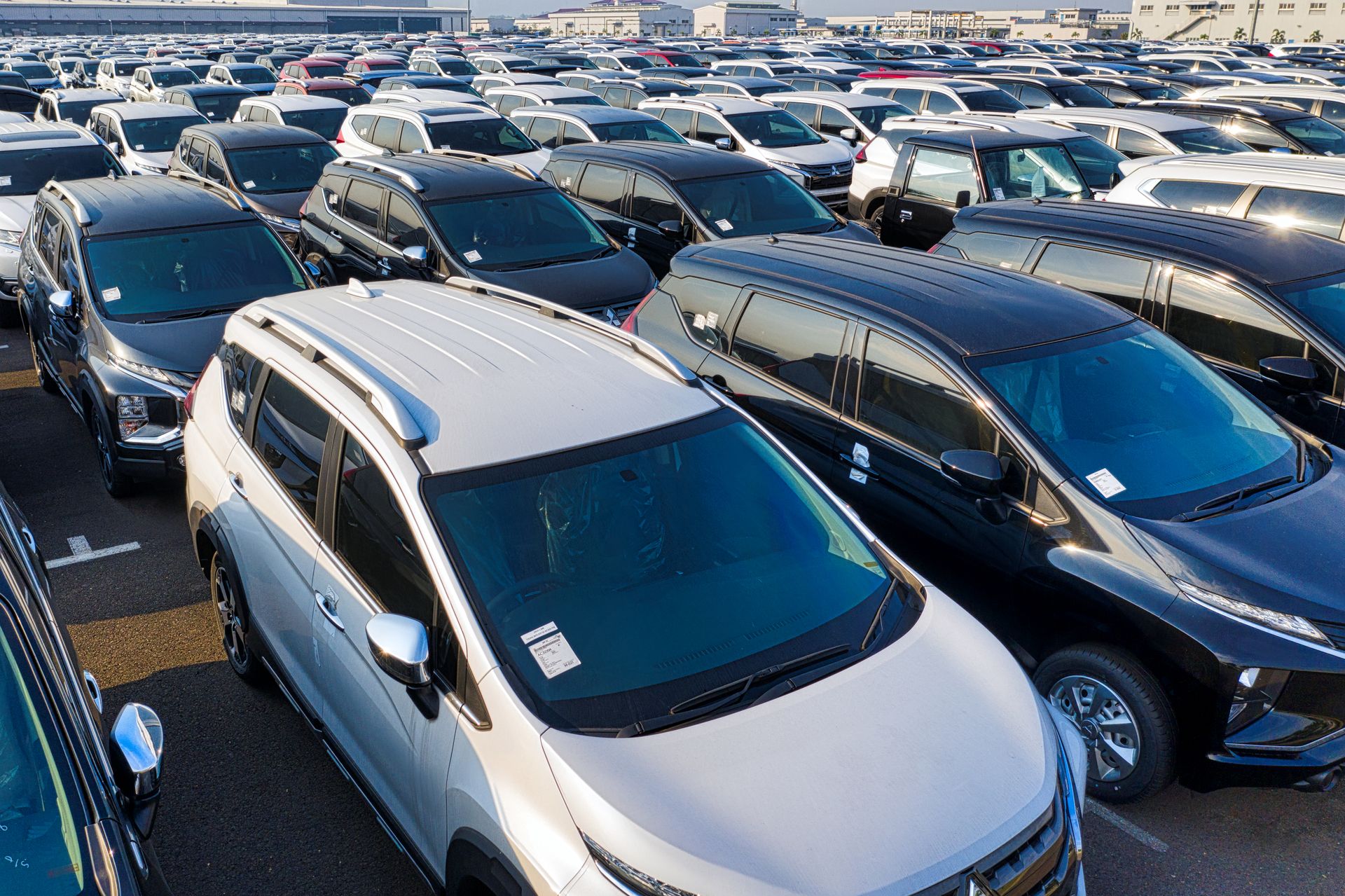
The dealership acquisitions may provide benefits beyond new-vehicle sales. Every new-car transaction creates opportunities for trade-ins, which can feed Carvana’s core used-car inventory. Autoblog noted that the company could generate a larger supply of vehicles at lower acquisition costs while also expanding into service and maintenance operations, creating additional revenue streams beyond retail sales.
Stellantis Has Already Responded

The controversy appears significant enough that Stellantis recently adjusted its dealer acquisition policies. According to reports, the automaker informed dealers that no buyer could acquire more than one Chrysler, Dodge, Jeep, and Ram dealership within a rolling 12-month period without special approval. While the policy did not specifically mention Carvana, many industry observers viewed it as a response to the company’s rapid expansion strategy.
A Test For The Future Of Auto Retailing

Carvana’s expansion raises a larger question about where vehicle sales are headed. Consumers increasingly shop for cars online, compare prices digitally, and expect transactions to be faster and more transparent. Traditional dealerships still control most new-car sales, but Carvana’s entry into the market represents one of the clearest tests yet of whether a digital-first retailer can reshape that model. The success or failure of these seven dealerships may ultimately influence how Americans buy new vehicles for years to come.