Car Brands Struggle to Hit EV Targets Despite $13 Billion in Discounts
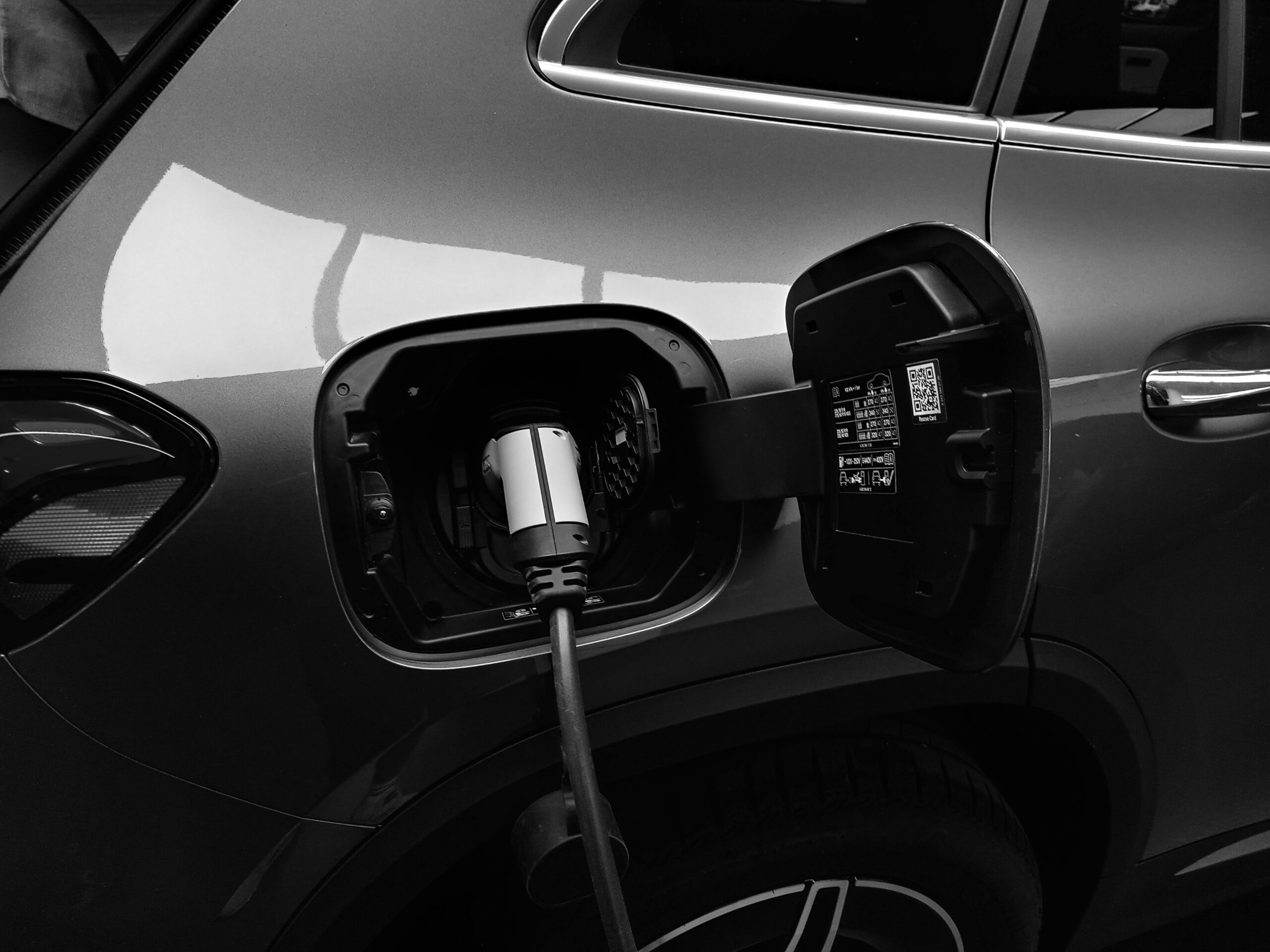

Car manufacturers across the UK have poured billions into discounts to encourage drivers to switch to electric vehicles. Yet even with aggressive price cuts and incentives, the industry is still struggling to meet government sales targets. The challenge highlights a complicated moment in the global transition toward cleaner transportation: enthusiasm for electric cars is growing, but not always fast enough to match political ambitions. Industry leaders say the gap between targets and real-world demand is becoming increasingly clear. Mike Hawes, chief executive of the Society of Motor Manufacturers and Traders (SMMT), warned that the difference between what policymakers hope for and what consumers are currently buying remains significant. “The gap between ambition and demand is too great,” Hawes said as automakers called for an urgent review of current rules.
The UK’s Zero Emission Vehicle (ZEV) mandate requires carmakers to sell a growing percentage of electric vehicles each year, with the goal of phasing out petrol and diesel car sales entirely by 2035. Under the policy, manufacturers must gradually increase EV sales to reach 80 percent of new cars by 2030 and eventually 100 percent by 2035. While the targets are designed to speed up the transition to cleaner transportation, they are also placing pressure on manufacturers that must meet quotas or face penalties.
To keep pace with these targets, automakers have slashed prices. Industry figures suggest companies have offered around £11,000 in average discounts on electric vehicles, with total incentives reaching roughly £10 billion in recent years. Even with those incentives, however, EV sales have not risen as quickly as regulators anticipated.
Why Carmakers Say the Targets Are Unrealistic
Many manufacturers argue that the rules were created under economic conditions that no longer exist. When policymakers designed the EV transition roadmap earlier in the decade, they assumed falling battery costs, expanding charging infrastructure, and rapidly increasing consumer demand. But according to industry leaders, reality has been more complicated. A report from the SMMT found that battery prices are now about 31 percent higher than expected, while EV purchase prices are 17 percent higher than predicted when the original targets were set. Energy costs for manufacturers have also risen sharply, creating additional pressure on the industry.
Those unexpected shifts, combined with global disruptions such as the COVID-19 pandemic, geopolitical tensions, and energy price spikes, have altered the landscape dramatically. “The UK’s EV transition pathway was conceived with the best of intentions – but the assumptions behind it have proved over-ambitious,” Hawes said in comments cited by the SMMT. He compared the situation to driving with outdated navigation instructions, suggesting that sometimes “a diversion is necessary to avoid a roadblock.”
Infrastructure challenges are also part of the equation. Public charging networks, particularly along major travel routes have expanded more slowly than expected, and the cost of charging at public stations has risen beyond earlier forecasts. Together, these factors have made the transition more expensive and unpredictable for both manufacturers and buyers.
Government Says the Transition Must Continue
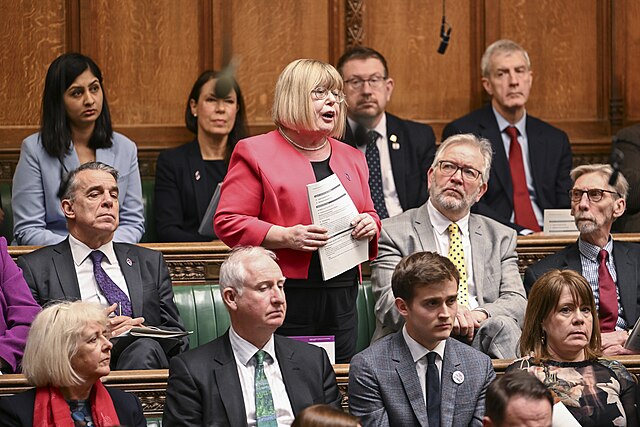
Despite the industry’s concerns, government officials have so far resisted calls to review the targets earlier than planned. The UK government has said a formal review of the ZEV mandate will take place in 2027, but ministers believe it is important to give the policy time to work before making major changes. Speaking at an industry event, minister for aviation, maritime and decarbonisation Keir Mather said the review timeline would remain unchanged. He explained that waiting until 2027 would allow officials to better understand where the real “pressure points” lie in the system and ensure the policy continues to work for manufacturers.
Supporters of the mandate also argue that the transition to electric vehicles is already well underway. Electric cars accounted for nearly a quarter of new car sales in the UK, and more than two million drivers are already using them, according to EV advocacy group Electric Vehicles UK. They warn that weakening targets now could slow momentum just as adoption begins to accelerate.
Tanya Sinclair—chief executive of Electric Vehicles UK—said changing course now could have unintended consequences. Slowing the rollout of EV policies, she argued, risks reducing consumer choice and delaying progress toward cleaner transportation.
A Difficult Balance Between Ambition and Reality
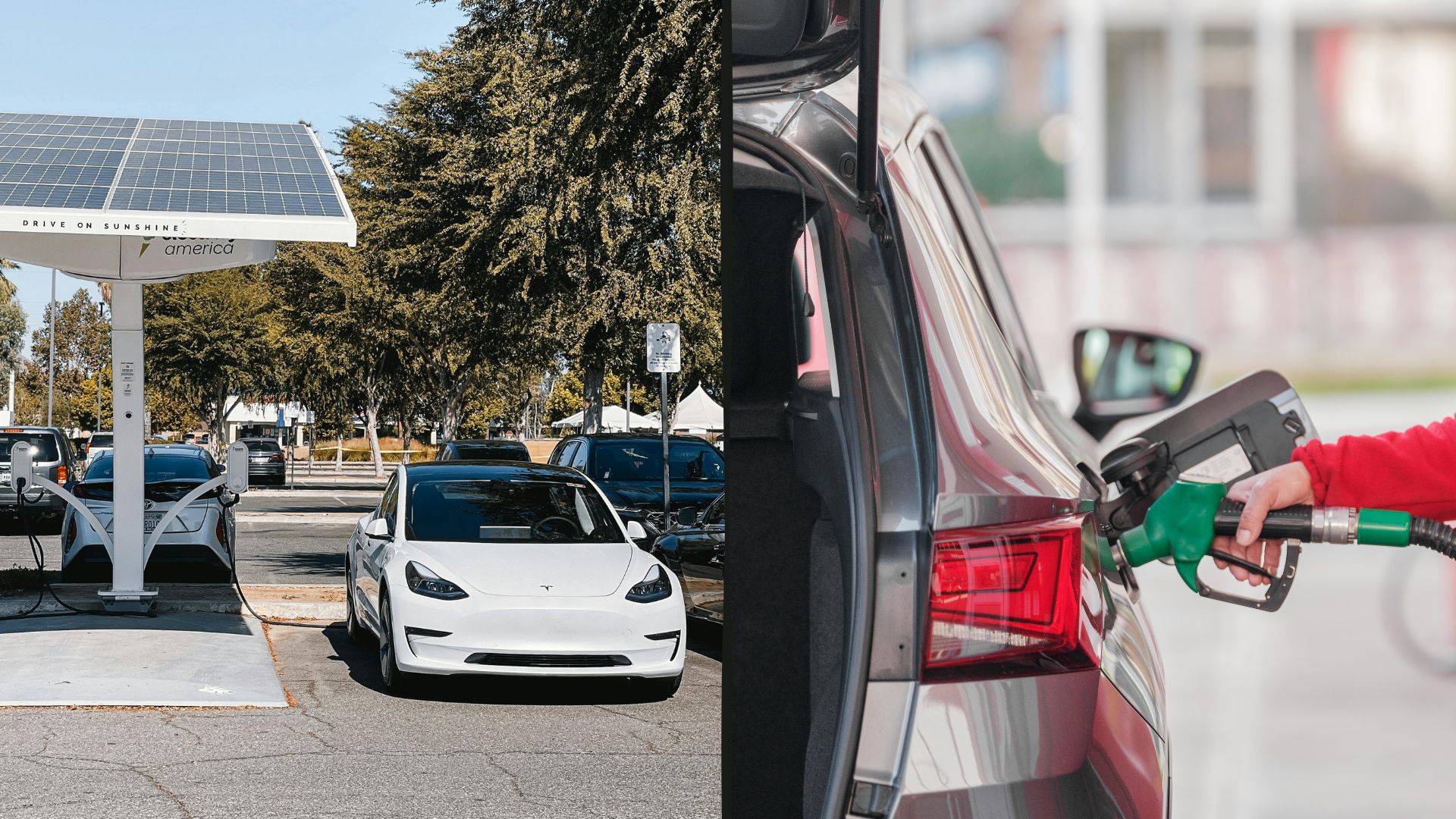
The debate highlights a broader tension facing governments and industries around the world. On one hand, policymakers are pushing for rapid action to reduce emissions and meet climate goals. On the other, manufacturers must navigate real-world market conditions, including consumer demand, production costs, and global supply chains. For now, carmakers say they remain committed to the long-term goal of electrification, even if the timeline may need adjusting.
“Everyone will comply with the mandate,” Hawes said, noting that manufacturers ultimately have little choice under the current system. But he also warned that meeting the targets through heavy subsidies and price cuts comes at “a tremendous cost.”
The coming years will likely determine whether current policies can successfully accelerate the shift to electric vehicles or whether governments will need to adjust their plans. Either way, the race to electrify the automotive industry is far from over—and both policymakers and carmakers are still figuring out the road ahead.