Cancer Fears and Water Quality Debate Shake Up Iowa Governor Race


Iowa’s governor race is being reshaped by growing concerns over cancer rates, nitrate pollution, and drinking water safety. What was once mostly a scientific and environmental policy debate has now become a major campaign issue, especially among Republican primary voters. Candidates are being pressed to explain how they would address rising cancer diagnoses, agricultural runoff, and public anxiety over whether Iowa’s water is safe enough for families across the state.
Why Cancer Has Become a Campaign Issue
Iowa has one of the highest rates of new cancer diagnoses in the country, and the issue is now coming up repeatedly on the campaign trail. According to the 2026 Cancer in Iowa report cited by the Des Moines Register, Iowa has the second-highest rate of new cancers nationally and is one of only a few states where cancer rates are still rising. That reality has made cancer prevention and environmental health impossible for candidates to ignore.
Nitrate Pollution Is at the Center of the Debate
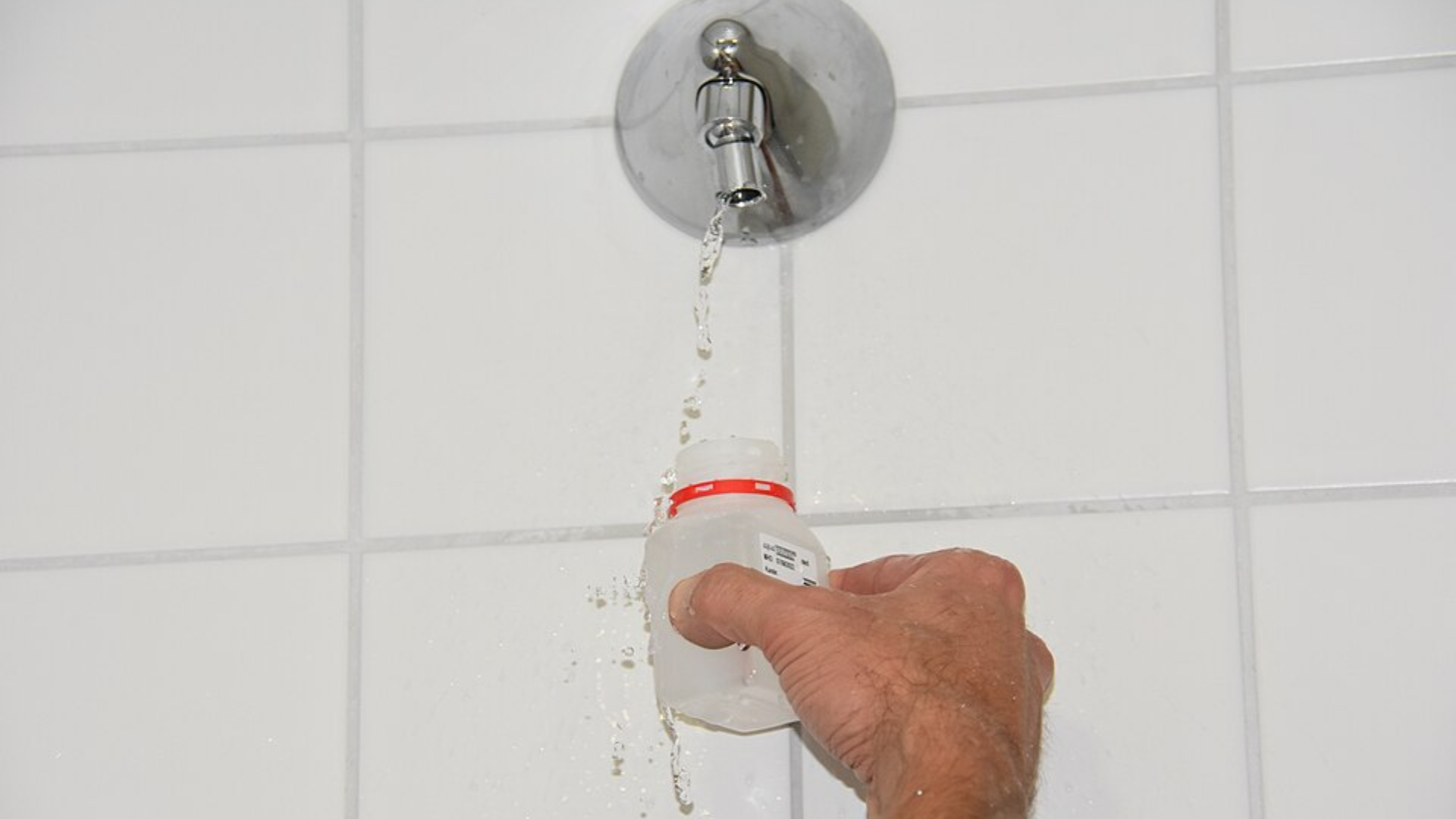
Much of the concern focuses on nitrate pollution in rivers and drinking water, a problem linked largely to fertilizer use, manure runoff, and agricultural practices. Central Iowa Water Works has previously had to use emergency measures to treat high nitrate levels in rivers that supply drinking water, intensifying public concern. Scientists have linked nitrate exposure to certain cancers, which is why voters are increasingly connecting water quality directly to public health.
The MAHA Movement Is Adding Fuel
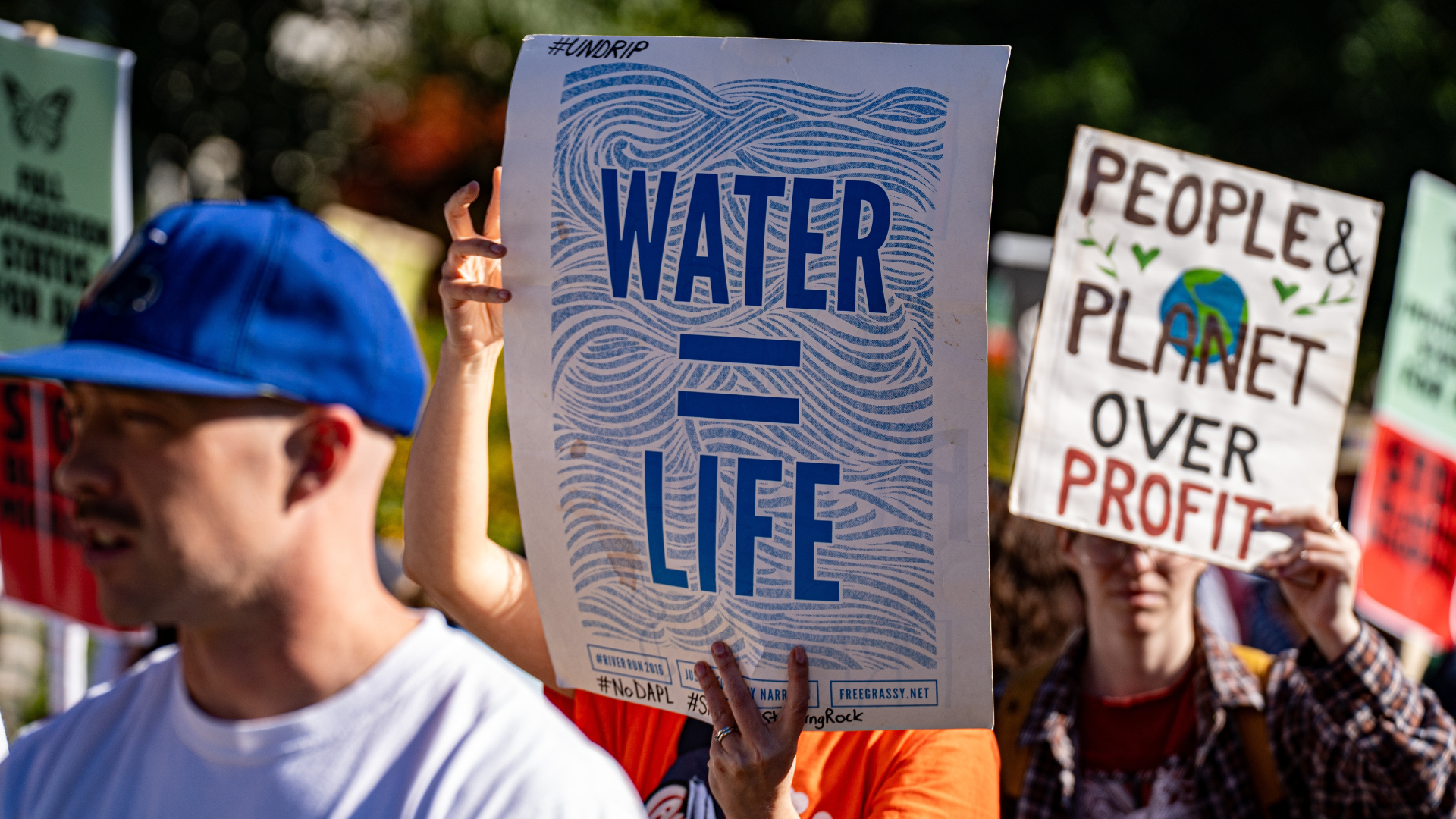
The Make America Healthy Again movement, associated with Robert F. Kennedy Jr., has helped push environmental health concerns into conservative politics. In Iowa, that movement has amplified questions about agricultural chemicals, toxins, food systems, and chronic disease. Some Republican candidates are now leaning into these concerns, arguing that clean water and cancer prevention should be treated as core public health issues rather than niche environmental topics.
Republican Candidates Are Being Pressed for Answers
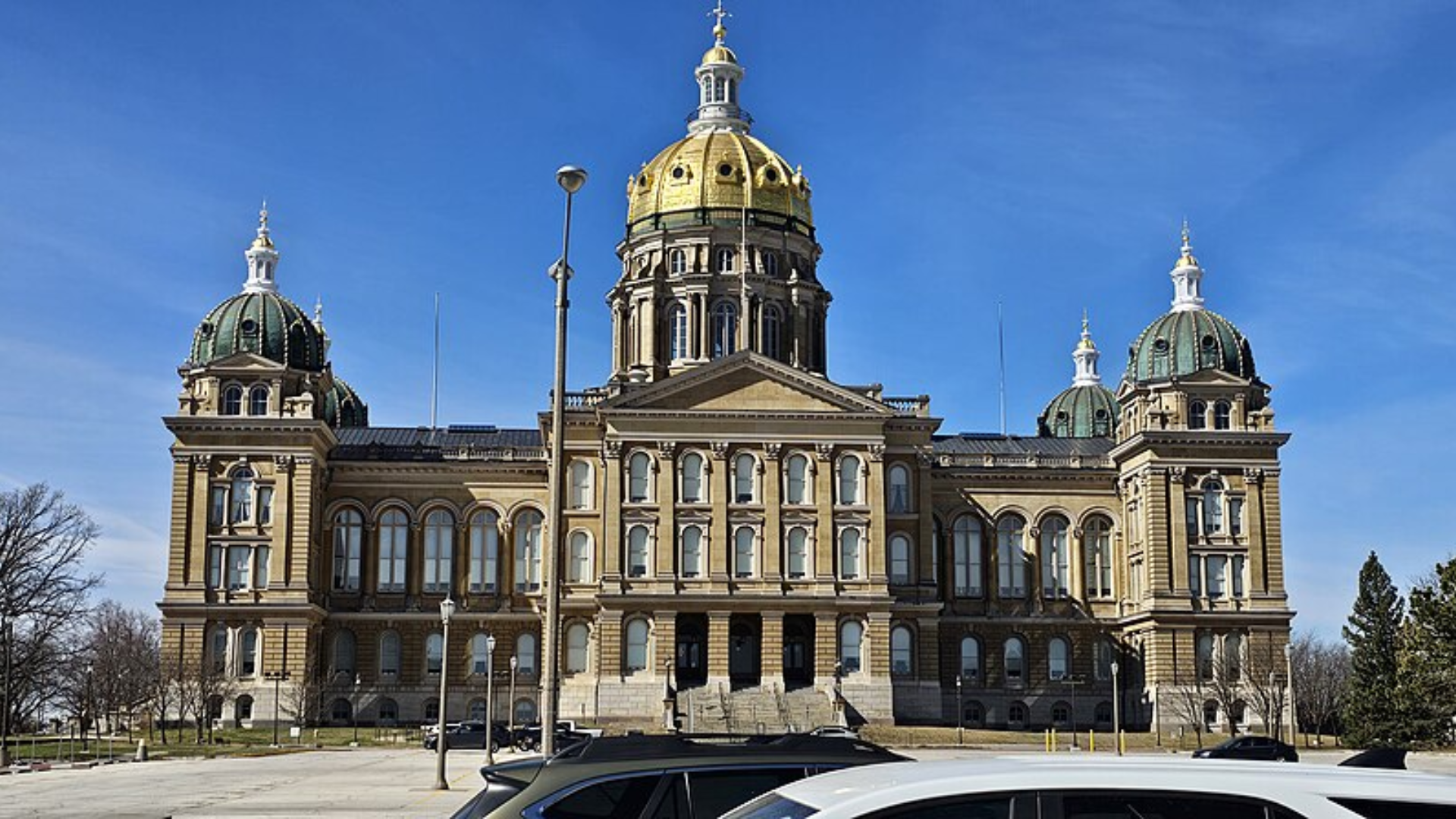
Republican candidates for governor are increasingly fielding questions about how they would respond to nitrate contamination and rising cancer rates. Candidate Zach Lahn has made water and cancer central to his campaign, saying clean water is a basic expectation for Iowans. Other candidates are also being asked to support independent research and explain whether they would impose stronger oversight on agricultural pollution.
Agriculture’s Role Makes the Issue Politically Sensitive

The debate is especially complicated because agriculture is deeply tied to Iowa’s economy, identity, and political power. Reports have pointed to pesticides, nitrates, PFAS, and radon as environmental exposures linked to cancer risk in the state, but any discussion of farm runoff or chemical use can quickly become politically charged. Candidates must balance public health concerns with support for farmers and the state’s powerful agricultural sector.
Water Utilities Are Already Under Pressure
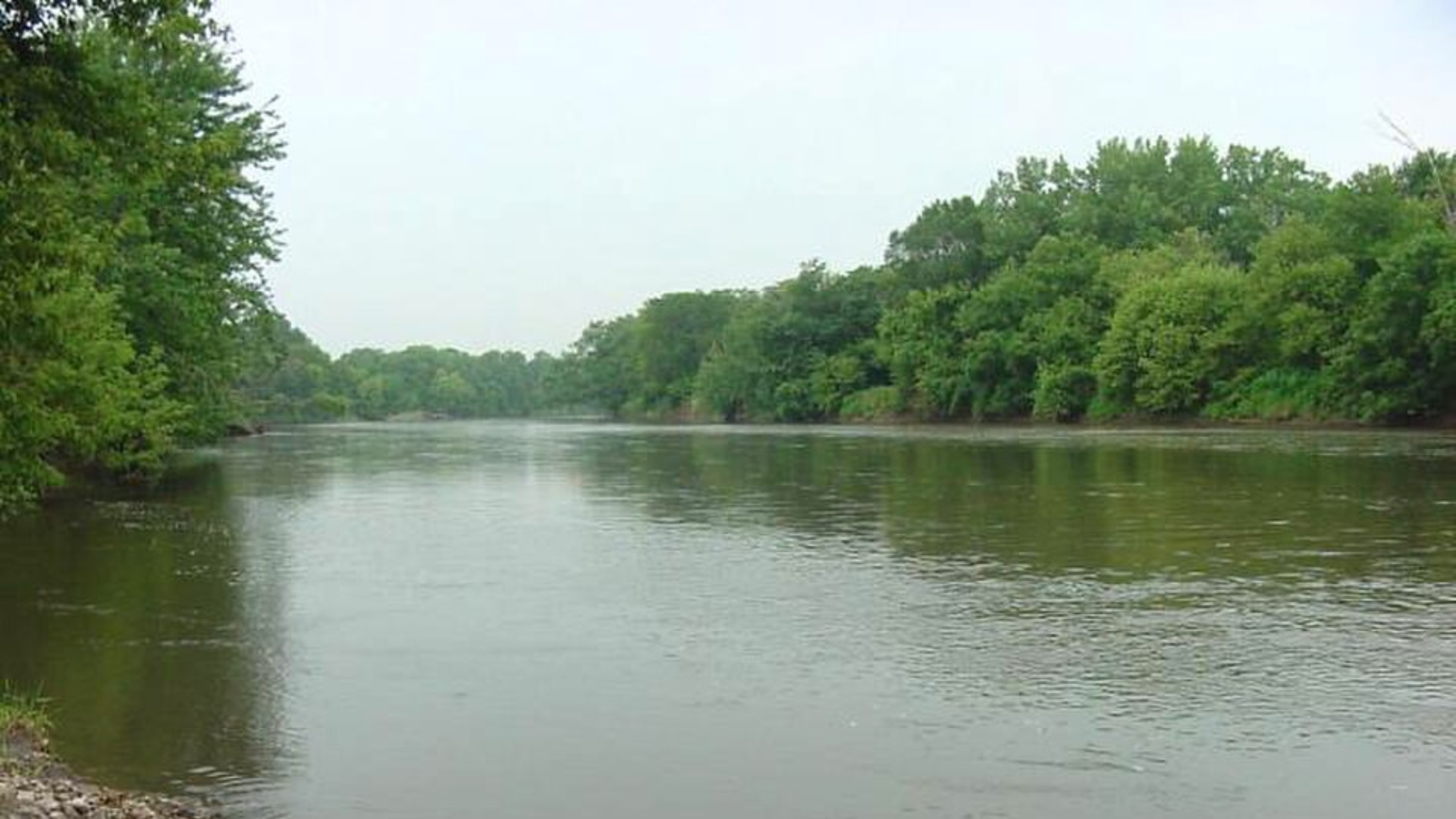
Water utilities in central Iowa have already been forced to respond to high nitrate levels, and some experts argue current federal nitrate standards may not be protective enough. Axios reported that nitrate levels in Des Moines-area water have frequently hovered above 5 milligrams per liter, even though the federal legal limit is 10 milligrams per liter. Some studies have raised concerns about health risks at levels below the current standard, adding urgency to the debate.
Voters Are Connecting Health, Water, and Trust
For many Iowa voters, the issue is not only about science but also about trust in government and institutions. Cancer survivors, parents, farmers, and outdoor enthusiasts are asking whether state leaders have done enough to investigate environmental risks and protect drinking water. As voters hear more about cancer clusters, nitrate spikes, and chemical exposure, the demand for transparency and accountability is growing louder.
The Debate Could Shape the 2026 Race
Although affordability, immigration, and the economy remain major issues for Republican voters, water quality may become decisive for a motivated subset of the electorate. Political consultants say voters who rank cancer and clean water among their top concerns tend to be highly engaged. In a competitive primary, that kind of voter intensity could force candidates to take clearer positions than they might have in past elections.
Why Iowa’s Water Fight Is Bigger Than One Election
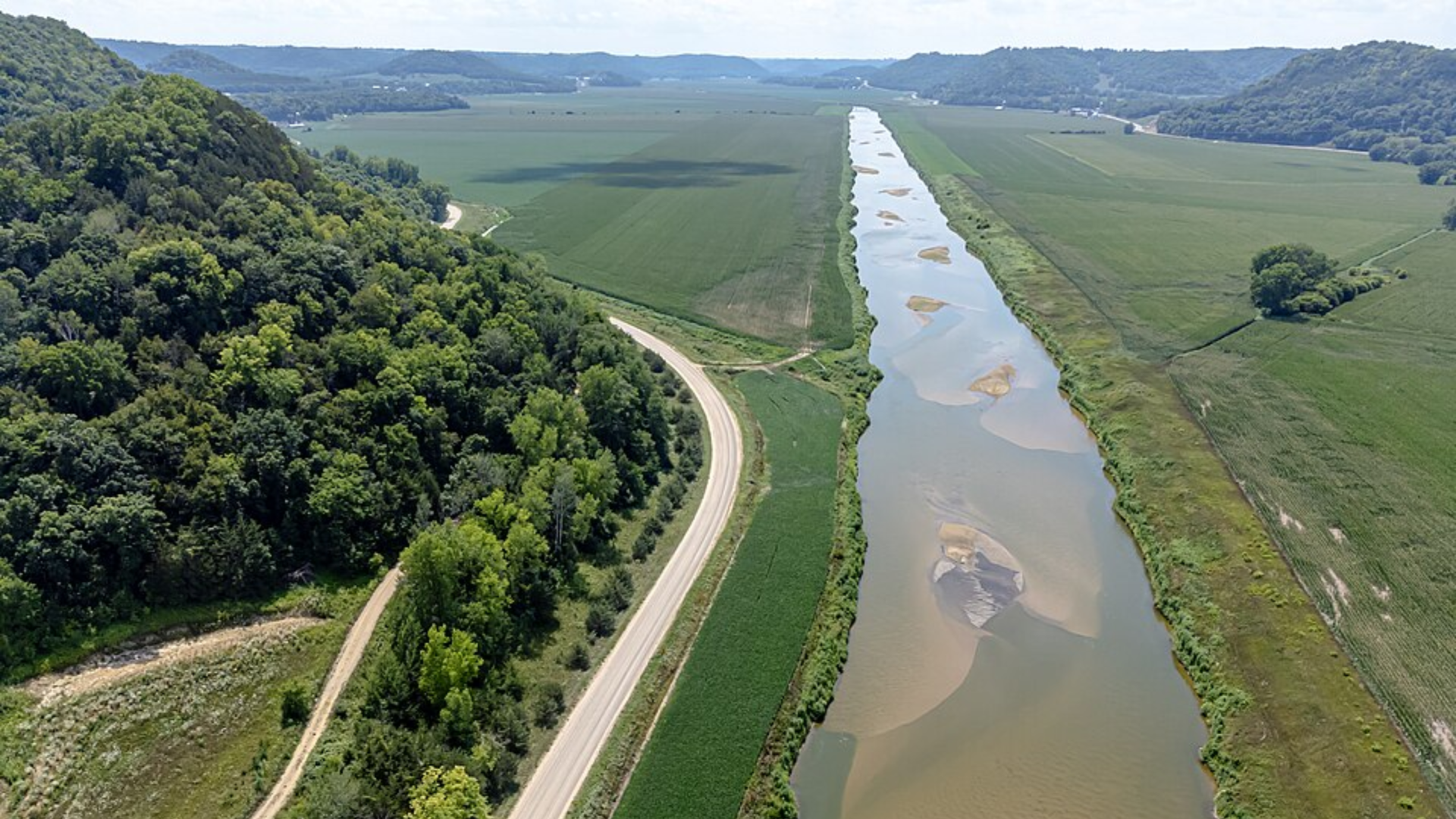
The debate over cancer and water quality is likely to outlast the 2026 governor race, because the underlying concerns involve long-term public health, farming practices, and environmental policy. Whether candidates propose stronger regulation, more research, expanded water treatment, or voluntary agricultural changes, Iowans are making clear that they want answers. As the campaign continues, clean water may become one of the defining tests of how Iowa’s next governor responds to a growing health crisis.