Canadians Have Stopped Visiting the U.S., Border Towns Warn People Could Lose Jobs


New data from Statistics Canada shows a sustained and dramatic drop in the number of Canadians traveling to the United States, with return trips by land and air falling sharply throughout 2025 and into early 2026, as political tensions, economic concerns and shifting preferences lead many northern neighbors to stay closer to home, a trend that local U.S. communities dependent on cross-border tourism are now feeling deeply. This decline is evident in Statistics Canada figures showing Canadian return trips from the U.S. down roughly 25 percent compared with recent years, illustrating a broad shift in travel behavior and economic impact on both sides of the border.
Several factors are driving Canadians’ hesitation to travel south, including political rhetoric and immigration enforcement measures, economic pressures such as a weaker Canadian dollar that makes U.S. vacations more expensive, and a growing “stay domestic” sentiment bolstered by campaigns encouraging travel within Canada, all of which have combined to make the U.S. a less attractive destination for leisure and shopping trips that once fueled border town economies. Researchers and travel experts note that this sustained pullback is part of a larger pattern of international visitors slowing travel to the United States broadly, but the drop among Canadians is especially pronounced because they historically accounted for a significant portion of short-trip visits and spending.
Business owners in states like Vermont, Michigan and New Hampshire have reported noticeably fewer Canadian visitors at retail stores, restaurants and entertainment venues near the border, with some warning that the reduction in cross-border traffic is eroding margins that were already thin and putting pressure on local payrolls, prompting fears that continued declines could force layoffs or even closures if the situation does not improve.
Economic Ripples Across Border Towns
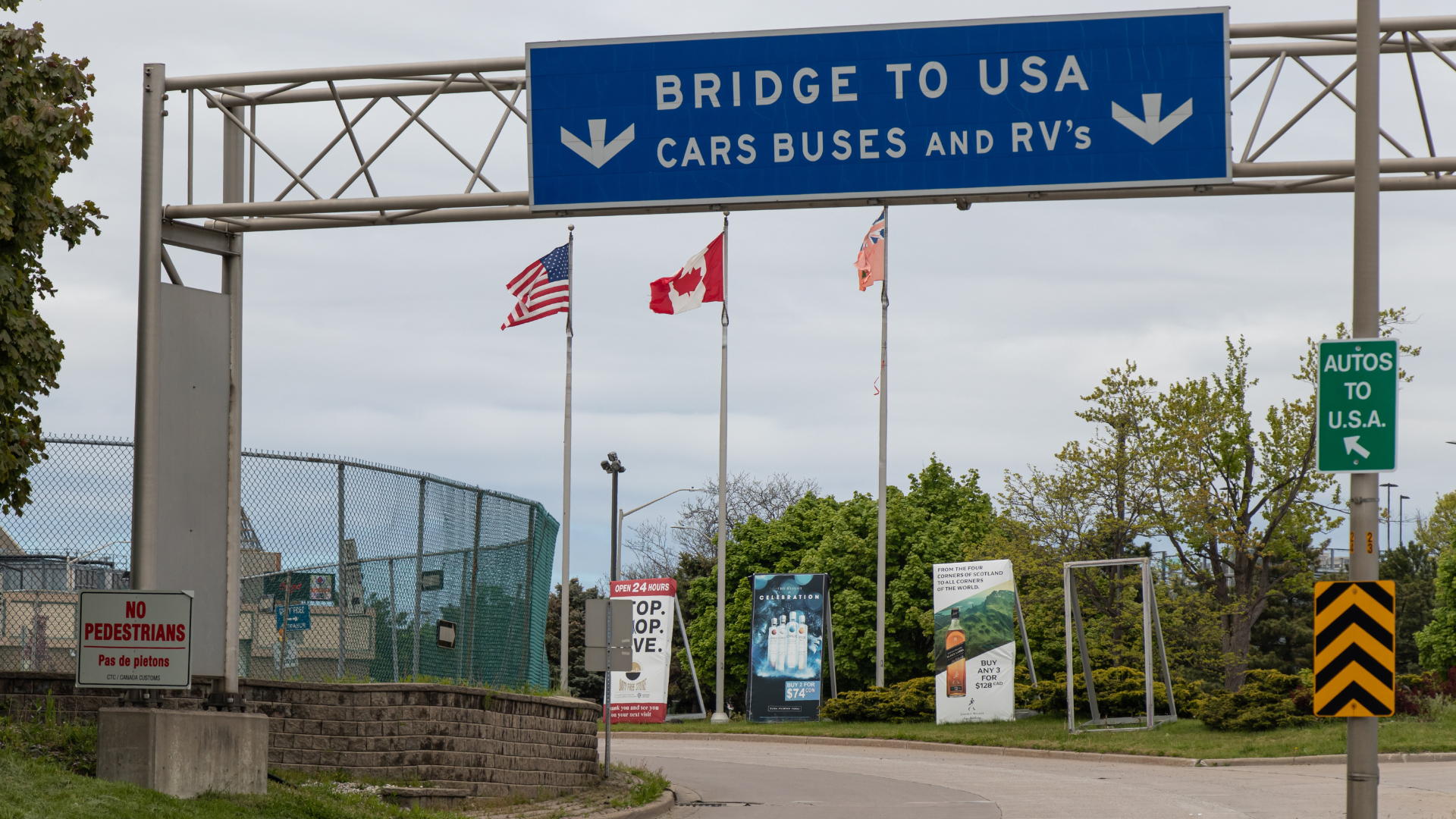
Historically, Canadian tourists have been a lifeline for many northern U.S. communities because their visits often translate into spending at shops, restaurants, gas stations, and attractions, helping sustain jobs and local tax revenue, but with fewer Canadians crossing the border, small businesses that rely on this influx are struggling to maintain sales levels and staff, creating real economic stress in places that once thrived on weekend day-trippers and seasonal vacationers.
Local officials have pointed out that the decline in Canadian travel does not just affect hospitality or retail, it also extends to service industries like guided tours, recreational facilities and entertainment venues that count on predictable flows of visitors each year, and with a downturn that shows no signs of reversing quickly, some border towns are considering emergency marketing incentives or campaigns to attract other international travelers or domestic tourists to help make up lost spending.
The reduced traffic from Canada has also contributed to broader concerns in the tourism sector, with national travel groups warning that a continued slump could erode millions of dollars in tourism spending and support tens of thousands of jobs in states that depend on international visitors, illustrating how shifts in travel patterns by one neighbor nation can have outsized effects on local economies that evolved with that demand in mind.
What Canadians Say and Where They’re Going Instead

Surveys and travel intent reports indicate that many Canadians are choosing to vacation within Canada or venture to destinations other than the United States, such as Mexico, the Caribbean or Europe, driven in part by both affordability considerations and a desire to explore new places abroad, a shift that tourism professionals say reflects evolving preferences and increased demand for alternatives to traditional U.S. road trips and shopping excursions.
Some travel analysts also point to political and cultural factors influencing Canadians’ choices, including perceptions about border enforcement, trade tensions, and broader diplomatic relationships, which have contributed to a sentiment among many residents that the U.S. is no longer the default travel destination it once was for quick getaways or long weekend trips.
At the same time, Canadian tourism within Canada has seen growth, with domestic travel spending rising as residents opt for local vacations, bolstering sectors like regional hospitality and recreation even as cross-border revenues decline, creating a contrasting set of outcomes for businesses on both sides of the border as travelers redirect their leisure dollars.
What This Means for the Future of U.S. Border Tourism

The trend of reduced Canadian travel to the United States could have long-lasting implications beyond short-term economic pain, because border communities and national tourism organizations may need to rethink strategies for attracting international visitors, diversifying markets and investing in promotional efforts to counteract perceptions that are deterring once-frequent travelers, ensuring that border towns are not left vulnerable to future downturns.
For businesses and local governments that have relied heavily on Canadian customers, adapting to this new reality may involve expanding marketing to other international visitors, enhancing attractions that appeal to a broader audience and creating partnerships aimed at offsetting losses from the north, a process that could reshape how tourism is approached at the regional and national level in the years ahead.
Ultimately, whether Canadian travel rebounds or continues to lag, the ongoing shift underscores the interconnectedness of the U.S. and Canadian economies and highlights how changes in cross-border travel patterns can ripple far beyond the border itself, affecting jobs, communities and industries that had grown accustomed to consistent tourism flows.