Can You Cut Back a Neighbor’s Tree That Crosses Into Your Yard? Lawyer Answers
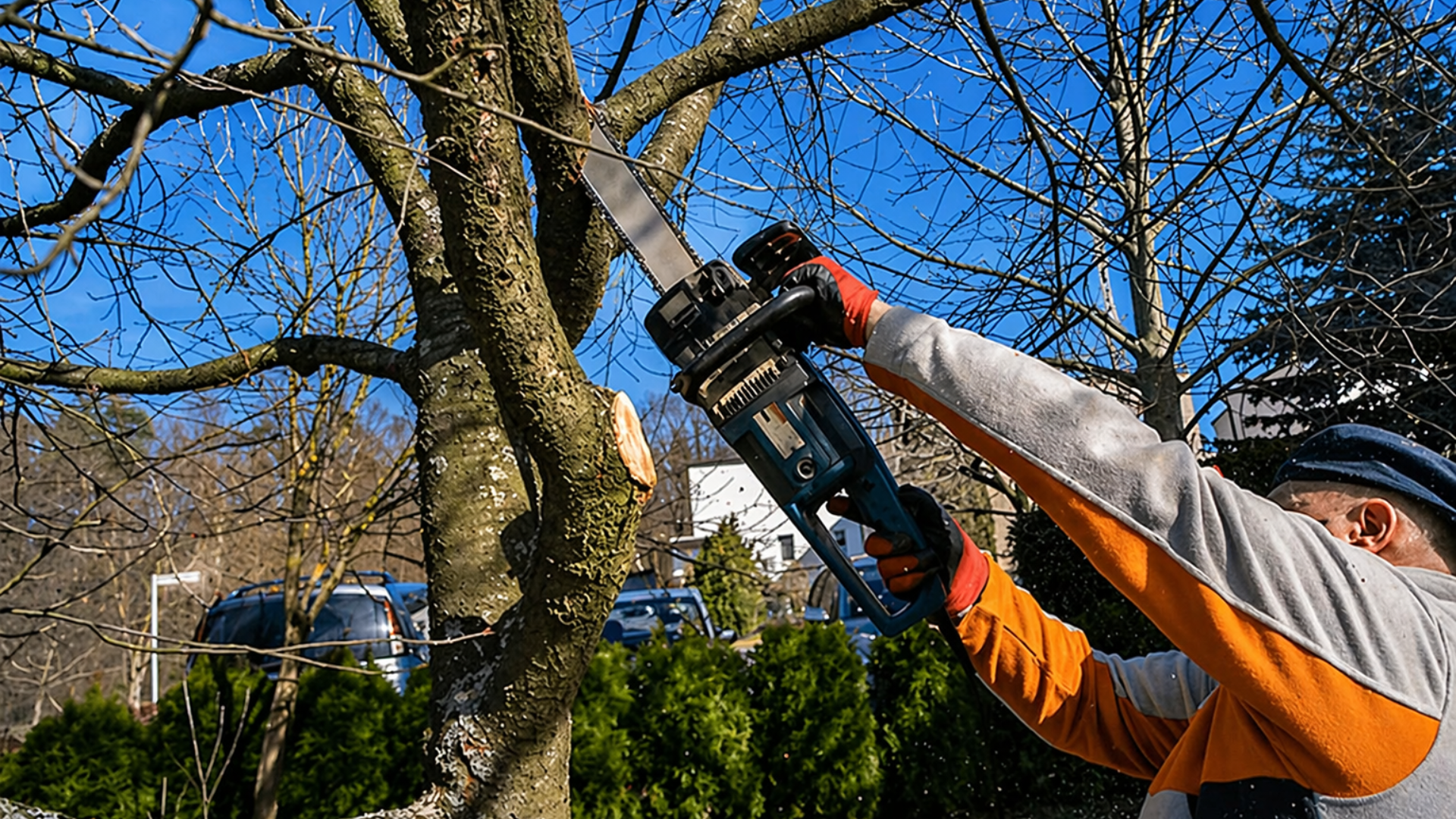

Your neighbor’s oak tree is gorgeous until half of it is hanging over your roof, dropping debris into your gutters and scraping your siding every time the wind picks up. You want it gone, or at least trimmed. But whose problem is it, really, and how far can you legally go before you become the one in trouble? The answer sits somewhere between property rights and neighbor relations, and it matters more than most homeowners realize.
According to Joe Zdrilich, lead attorney at Zdrilich Injury Law and a member of the State Bar of Georgia, homeowners do have legal standing to trim overhanging branches. “You have a right to protect and keep up your property, just as your neighbor has the right to preserve their tree,” he explains. Both interests are rooted in constitutional protections around private property, which means neither side automatically wins.
When branches or roots from a neighbor’s tree cross your property line, it is called encroachment, and you generally have the right to prune them back to that line. This rule holds in most U.S. states, but it carries conditions and limits that trip up even well-meaning homeowners. Knowing exactly what you can do, and what can get you sued, starts with understanding where legal permission ends and liability begins.
You Can Trim It, But the Rules Will Surprise You
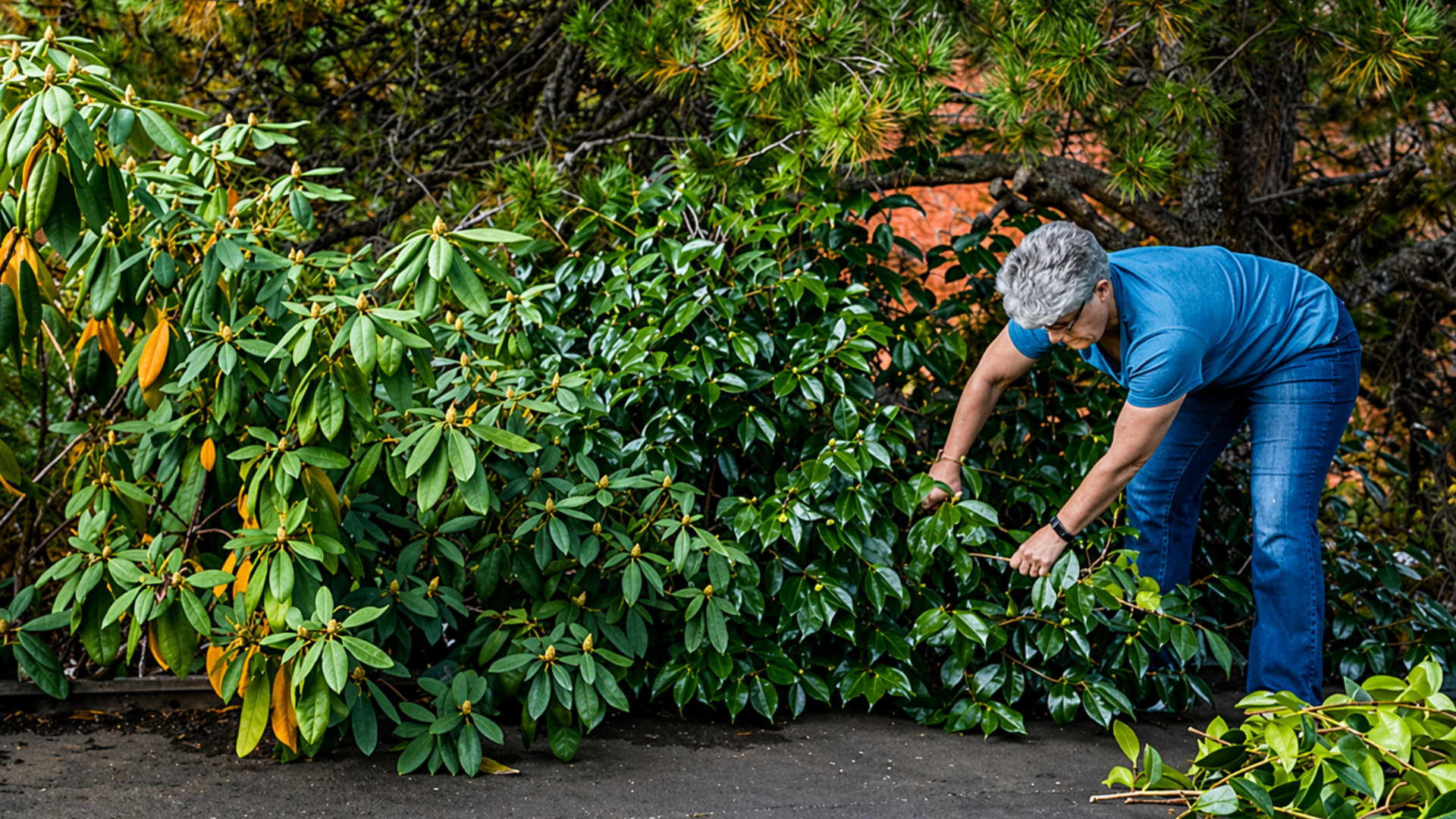
The moment you pick up a saw or hire a crew, a specific set of legal constraints kicks in. According to Zdrilich, you may only cut what is physically on your side of the property line. Nothing more. The law allows tree trimming only up to the property line, and property owners cannot cut the entire tree down, destroy its structural integrity, or ruin its cosmetic symmetry through improper trimming. That last part catches many homeowners off guard because aesthetic damage is taken seriously in court.
Zdrilich has handled disputes where neighbors claimed the pruning was too aggressive, citing lost shade, ruined appearance, and structural damage to the tree. “If a tree is injured, the potential monetary liability can be high, as the law deems trees valuable property,” he warns. Some case law exists where a property owner was awarded damages because neighbors trimmed a tree to the point where it was no longer visually pleasing. That precedent is a real deterrent worth understanding before any cutting begins.
One detail that often goes overlooked: before any work starts, you need to know exactly where the property line sits. Zdrilich says this is one of the most significant problems he has seen turn small tree disputes into full-blown litigation. People assume they know their boundaries, but they rarely have legal precision. When purchasing a home in the U.S., buyers should receive a survey that confirms precisely where the property extends to. If you cannot locate yours, get one before anyone lifts a blade.
The Hidden Liabilities That Can Flip the Case Against You

Once the cutting starts, liability does not stay still. Zdrilich is clear that certain actions, even when performed on your own side of the line, can expose you to a legal claim. Cutting into the base of the trunk, over-pruning in a way that weakens the tree, or stepping onto your neighbor’s land without permission are all potential triggers. The tree’s future health is your responsibility the moment your cuts affect it, regardless of which side the damage originated from.
In almost every state, a person who intentionally injures someone else’s tree is liable to the owner for two or three times the actual monetary loss. That multiplier exists because trees are not treated like ordinary objects. They have aesthetic value, environmental value, and in some cases, assessed landscape value tied directly to property prices. A single aggressive trimming session, done without professional guidance, can result in a damage claim that far exceeds what any pruning job costs.
There is also the matter of timing. Zdrilich advises confirming the tree species and the correct seasonal window for trimming before any work is done. Pruning at the wrong time of year can make a tree vulnerable to disease and structural failure. Damaging or killing a tree, intentionally or through negligent pruning, could leave you liable for significant damages, especially if the tree is protected or valuable. In other words, good intentions do not protect you. Proper execution does.
The Smartest Move Is Often the One You Make Before Touching the Tree
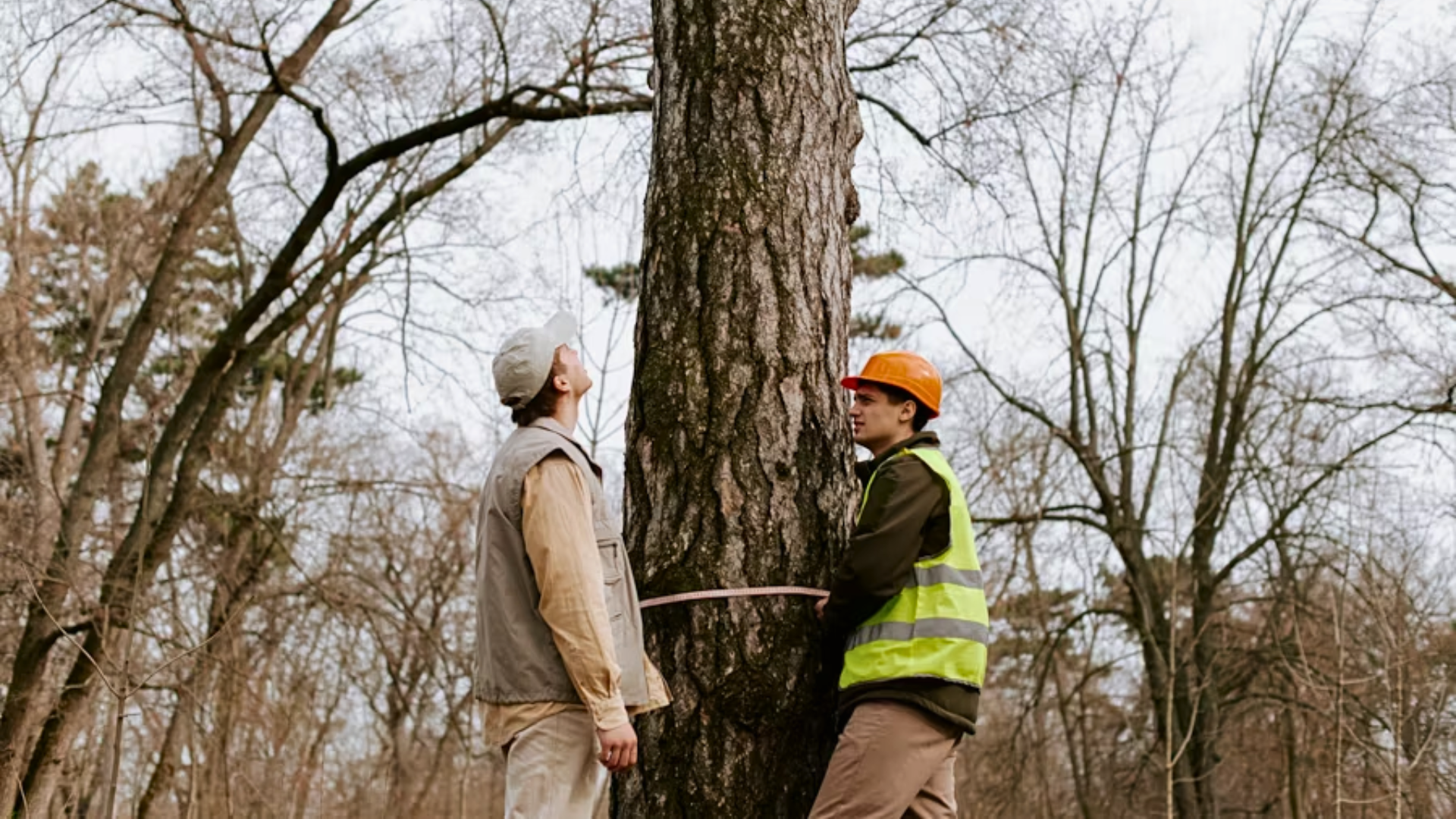
Legal rights aside, attorneys and arborists consistently point to communication as the most effective tool available. Zdrilich puts it plainly: “A brief chat and some photos of the overhang typically help avoid misunderstandings that could blow up into a claim.” Inviting your neighbor to be present during trimming keeps the process transparent, reduces the chance of a contested outcome, and often turns a potential dispute into a shared project both parties can live with.
Clinton, a partner at Gray Reed Attorneys and Counselors, notes that asking permission for a tree trimmer to access the neighbor’s yard is best practice, so trimming around the entire tree remains consistent and makes all sides look good. That kind of coordination also protects you legally. If you settle expectations in writing beforehand, specifying what will be trimmed, who handles removal, and who bears the cost, you eliminate most of the ambiguity that drives disputes into courtrooms. FindLaw, Nolo, SuperLawyers, and LawnStarter all reinforce this baseline: document everything, trim conservatively, and keep the relationship intact.
A tree hanging over a fence is never just a landscaping issue. It is a test of how well neighbors understand each other’s rights, and how willing they are to work within them. Laws give you the right to act, but they also make clear that acting poorly carries a price. The more interesting question is not whether you can legally trim your neighbor’s tree. It is whether doing so the right way might actually improve the relationship you have with the person living next door.