Can Cambridge Still Be Trusted After a Professor Faces Questions About His Work and Credentials?
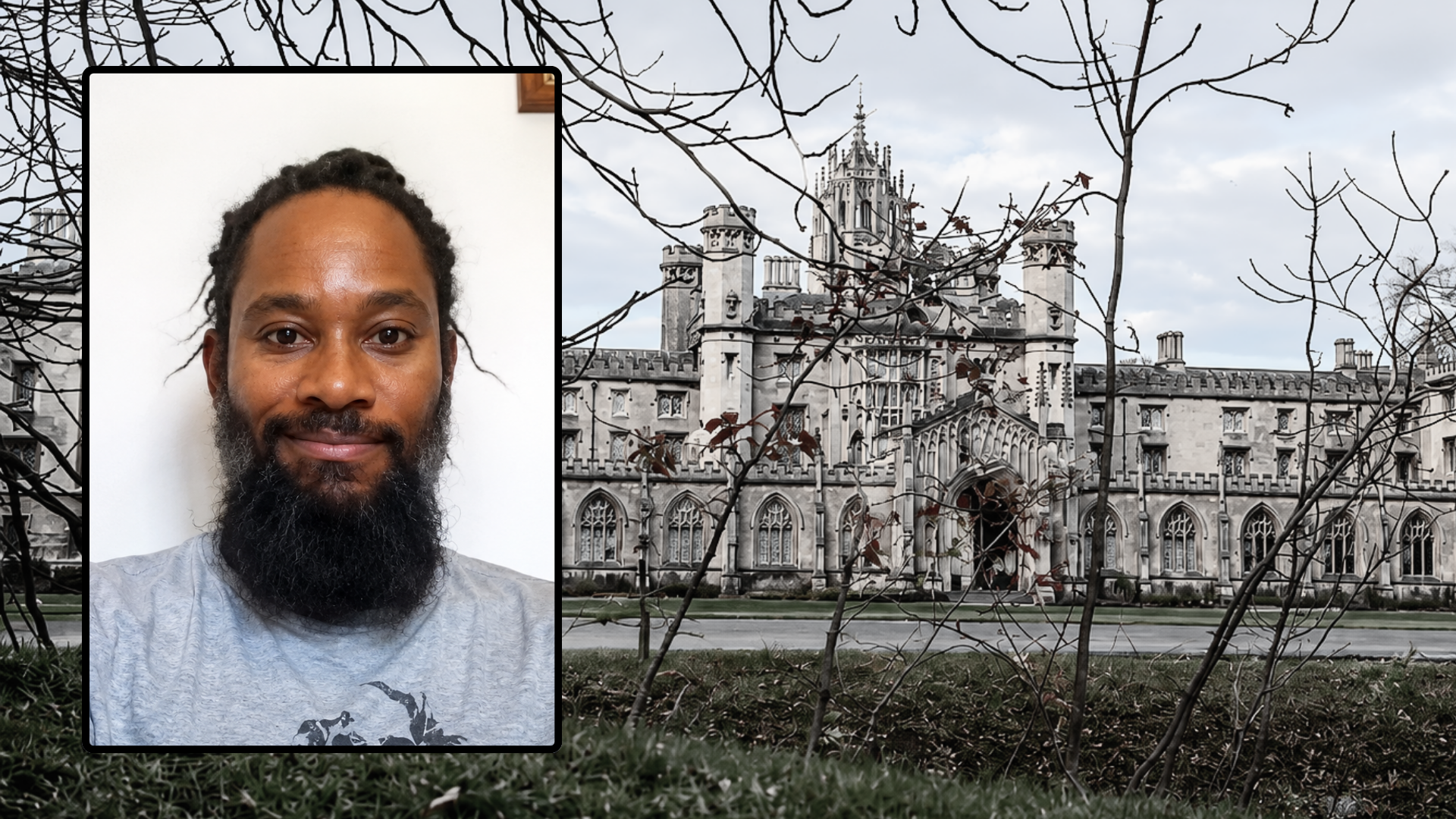

Jason Arday’s story once read like an inspiring headline in its own right: the youngest Black professor in the history of the University of Cambridge, appointed at 37. That story has taken a dramatically different turn. After months of mounting questions about his academic work and his resume, Arday resigned from his Cambridge post entirely in early August, calling the scrutiny he faced “far beyond scholarly disagreement.”
The controversy began with his 2015 doctoral dissertation. Nathan Cofnas, a postdoctoral researcher, published an online analysis claiming Arday’s thesis lifted more than 100 passages from another academic’s work, that of Brunel University student Paula Zwozdiak-Myers. A later statistical review reported by The Telegraph raised that count to 188 sentences described as identical or highly similar between the two theses. Arday has consistently denied any wrongdoing.
The university that awarded his PhD looked into it first. Liverpool John Moores University reviewed the allegations and did not uphold them, attributing the overlapping text to “honest and reasonable error” rather than deliberate copying. Cambridge initially stood by that finding and defended Arday publicly. Separately, though, questions were building about something else entirely: whether the academic titles listed on his official Cambridge biography were even accurate.
Ohio State Said It Has ‘No Record’ of a Professor It Listed on His Own Resume

Arday’s official biography listed him as a visiting professor at three different universities. At Ohio State, he claimed a role in the school’s Office of Diversity and Inclusion, an office that had already closed in 2025. School administrators said they had no record of him ever being employed there. At the University of Glasgow, where he had genuinely worked as a professor between 2021 and 2023, he no longer held any visiting title after leaving for Cambridge.
Ohio State spokesman Benjamin Johnson was blunt. “We have no record of an employee by that name,” he said. A University of Glasgow spokesperson gave a more precise timeline, confirming Arday held a genuine professorship there before departing for Cambridge, with no ongoing visiting role since. Durham University offered a similar clarification about his listed honorary position, saying he holds no formal role there now, though an unpaid academic association tied to earlier project work still exists.
Separate questions have since surfaced about claims tied to Arday’s charity fundraising. Archival records reportedly show a 2010 fundraising page that raised roughly £6,285, far below the multimillion-pound figure he had cited in his own biography. None of these individual threads, the plagiarism, the job titles, the fundraising numbers, proved decisive on their own. Together, they eventually reached a point Cambridge could no longer treat as settled.
Arday Resigned From Cambridge Days After the University Opened a New Investigation
On August 5, 2026, Arday resigned from his professorship and his fellowship at Jesus College, effective immediately. The announcement came hours after Cambridge said it had received new information about his qualifications and honorary appointments and would open a fresh investigation, separate from the earlier academic misconduct review. That timing matters. For months, Cambridge had defended Arday publicly. The new inquiry marked a clear reversal in the university’s position.
Cambridge’s shift was striking. Earlier in the process, the university had dismissed the campaign against Arday as unfair and declined to reopen anything. According to The Times of London, Cambridge changed course after being presented with new evidence described as containing fabricated and impossible material. A Cambridge spokesperson said only that the university would not comment further “in order to ensure a fair process” while the new investigation runs its course.
Arday has not backed down from his own account of events. In a recent newspaper interview, he denied plagiarizing his dissertation but acknowledged some mistakes, which he attributed partly to a lack of supervision during his doctoral studies. He has repeatedly pointed to the Liverpool John Moores finding as vindication. In his resignation statement, he said the scrutiny he faced had gone beyond ordinary academic disagreement, framing the entire episode as something closer to a campaign than a fair inquiry.
The Man Who First Raised the Allegations Was Fired From Cambridge Himself
There is an important wrinkle in who raised these allegations first. Nathan Cofnas, the researcher whose Substack post kicked off the plagiarism scrutiny, previously held a research position at Cambridge’s Emmanuel College himself, until he was dismissed in 2024. That dismissal followed backlash over his writings on IQ differences across racial groups, including a claim that Black student numbers at Harvard would fall below 1% under purely merit-based admissions, an assertion Harvard’s lawyers called incomplete and based on limited inputs.
Cofnas also sued Emmanuel College over his dismissal and lost. None of that necessarily makes his specific claims about Arday’s dissertation inaccurate, since the Liverpool John Moores review itself did find real overlap in the text, even if it labeled that overlap unintentional. But it does complicate the picture. This story now involves two separate academics with contested histories, evaluated by an institution that defended one of them loudly, right up until it suddenly did not.
The headline question was never answerable with a simple yes or no. Whether Arday plagiarized his thesis is still formally unresolved. Whether Cambridge handled the situation fairly is now genuinely in question too, given how quickly its public position flipped. What is clear is that an institution built on rigorous, consistent standards applied those standards unevenly, first defending a celebrated professor, then investigating him. That inconsistency, not any single allegation, may be hardest for Cambridge to explain.