Can AI Be Trusted With Health Questions? Microsoft and Mayo Clinic Are Teaming Up to Make Answers More Reliable


As artificial intelligence becomes a more common source of information, many people are beginning to use AI-powered chatbots for health-related questions that were once directed to search engines or medical professionals. While these tools offer convenience and speed, concerns remain about the accuracy of their responses. To address those concerns, Microsoft and Mayo Clinic have launched a long-term collaboration aimed at creating a healthcare-focused AI model built on trusted medical expertise and high-quality clinical data.
The Growing Role of AI in Health Information

For decades, people have searched the internet for answers about symptoms, treatments, and medical conditions. Today, AI assistants are increasingly becoming the next step in that evolution. Millions of users now rely on conversational AI tools to obtain health information quickly, but the quality of those answers can vary significantly depending on the data used to train the underlying models.
Why Current AI Health Advice Raises Concerns

Most popular AI chatbots are trained on vast amounts of information gathered from across the internet. While this broad approach helps them respond to a wide range of topics, it can also lead to inaccurate, incomplete, or misleading medical guidance. In healthcare, where decisions can have serious consequences, even small mistakes can create significant risks for patients.
A New Collaboration Focused on Medical Accuracy

To improve the reliability of AI-generated health information, Microsoft and Mayo Clinic are developing a specialized artificial intelligence model trained on medical research, clinical knowledge, and healthcare data. The initiative aims to create a system designed specifically for healthcare applications rather than relying on general-purpose AI technology.
Combining Technology With Clinical Expertise
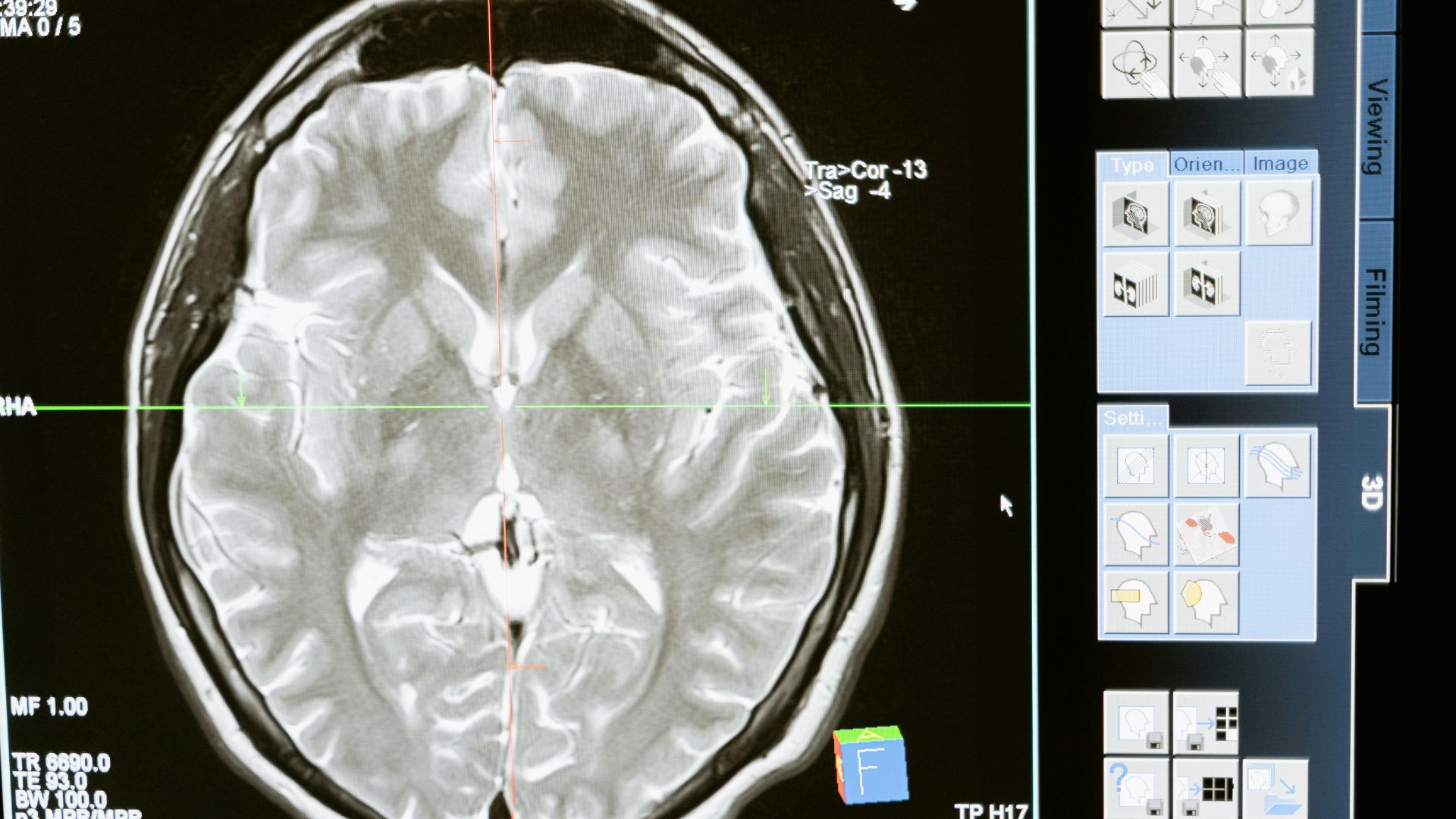
According to Mayo Clinic leadership, the project brings together the essential ingredients needed to build a trustworthy healthcare AI platform. By combining advanced technology with the knowledge of experienced clinicians and researchers, the organizations hope to create tools that support better medical decisions and improved patient outcomes over time.
How Mayo Clinic Plans to Use the New Model
Mayo Clinic will retain ownership of the AI model and intends to integrate it into internal systems used by healthcare professionals. The organization also sees potential opportunities to make the technology available to other healthcare institutions, allowing a broader network of providers to benefit from more specialized AI capabilities.
A Future Healthcare Assistant for Patients

One of the long-term goals of the partnership is to develop an AI assistant that patients can access through Mayo Clinic’s online platforms. Such a tool could help individuals better understand diagnoses, explore treatment options, learn about preventive care, and gain additional context regarding their medical journeys while remaining connected to trusted healthcare resources.
A Long Road Toward Trustworthy Medical AI

Despite the excitement surrounding the project, both organizations acknowledge that building a reliable healthcare AI system will require extensive testing and refinement. Microsoft AI CEO Mustafa Suleyman has indicated that the process could take many years, with the model initially being used by Mayo Clinic professionals to evaluate its performance before any broader public deployment.
Competition Is Intensifying Across the Industry

Microsoft and Mayo Clinic are not alone in pursuing AI-powered healthcare solutions. Several major technology companies have introduced health-focused AI features, including systems designed to support wellness planning, analyze health information, and answer medical questions. As competition grows, organizations are racing to establish the most trusted and effective healthcare AI platforms.
The Value of High-Quality Medical Data

A major advantage of the project lies in Mayo Clinic’s extensive experience treating patients and conducting medical research. Advanced AI systems depend heavily on large volumes of reliable data to improve their performance. To support development, Mayo Clinic is using anonymized patient information and drawing on previous experience creating AI tools for areas such as heart disease detection and pancreatic cancer diagnosis.
The Vision for AI-Driven Healthcare Innovation

Although discussions about artificial intelligence often include ambitious predictions about transforming medicine, Mayo Clinic leaders believe the technology can deliver meaningful benefits when developed responsibly. While acknowledging legitimate concerns about AI adoption, they argue that healthcare systems around the world face significant challenges that could be addressed through carefully designed tools that enhance prevention, diagnosis, and patient care.