California Wealth Tax Plan Advances as Billionaires Oppose It


California is moving closer to implementing a controversial wealth tax targeting the state’s richest residents, sparking a fierce debate between policymakers, labor groups, and billionaires. The proposal, which could appear on the 2026 ballot, would impose a one-time tax on extreme wealth to fund healthcare, education, and social programs. Supporters argue it is a necessary response to widening inequality and budget pressures, while critics warn it could drive wealthy individuals and businesses out of the state. The debate highlights a growing divide over how to address economic inequality in the United States.
What the Wealth Tax Proposal Includes

The proposal centers on a one-time 5 percent tax on the net worth of California residents with assets exceeding $1 billion. The measure would apply to wealth held as of a specific date, including stocks, real estate, and other high-value assets. Supporters estimate the tax could generate tens of billions of dollars in revenue to fund essential services. The initiative is being positioned as a targeted solution aimed only at the wealthiest individuals in the state.
Measure Gains Momentum Toward 2026 Ballot
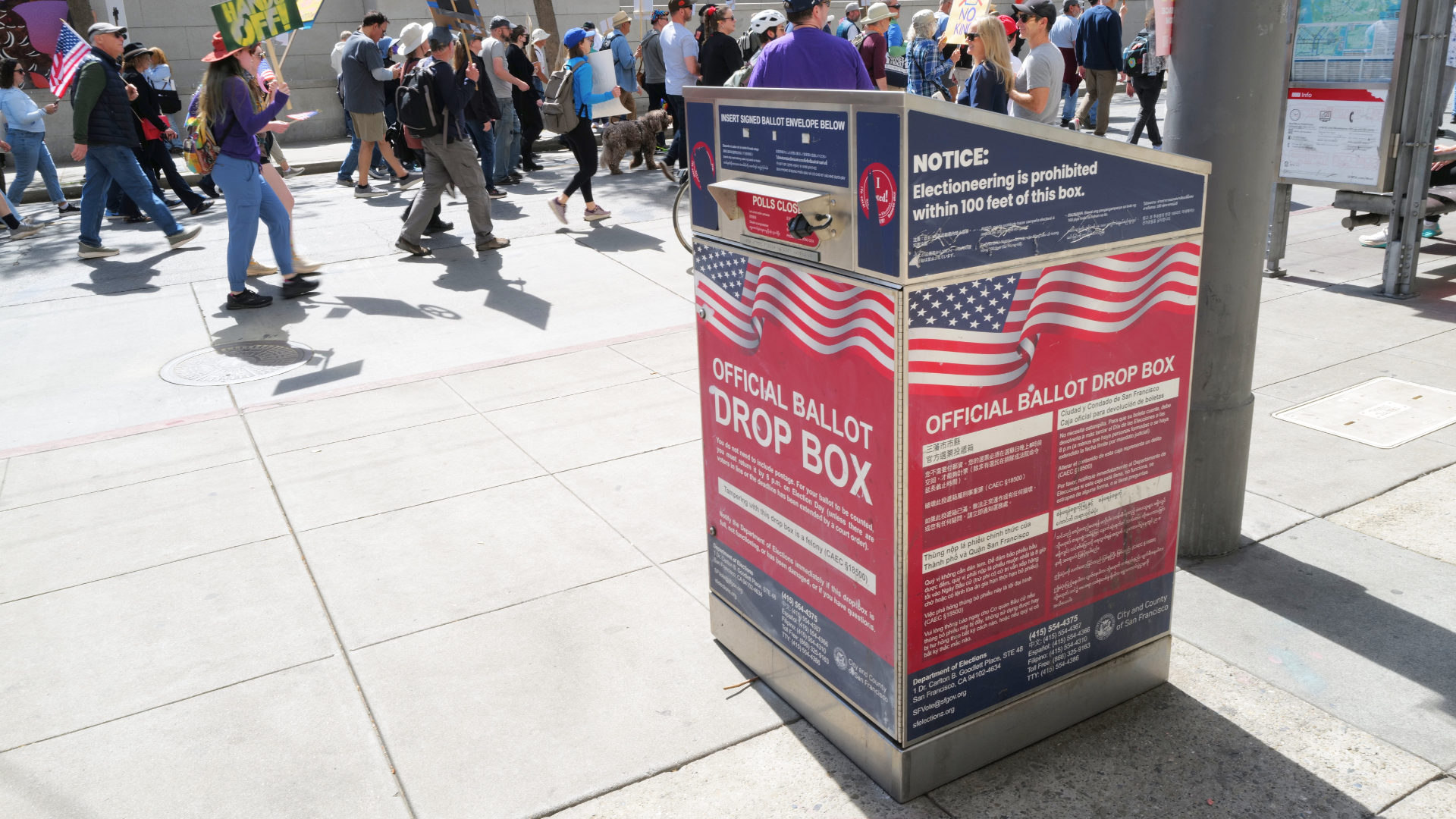
Backers of the wealth tax have gathered well over one million signatures, exceeding the threshold needed to qualify the proposal for the November 2026 ballot. This milestone marks a significant step forward in turning the idea into a statewide vote. Polling suggests that public support is mixed but leaning in favor of the measure. The proposal now moves into a more intense political phase as both sides prepare for a major campaign.
Billionaires and Tech Leaders Push Back

Many billionaires and tech executives have strongly opposed the proposal, arguing that it could have serious economic consequences. Some of the state’s wealthiest individuals have reportedly funded campaigns to block the measure or limit its impact. Critics claim the tax is unfair, potentially unconstitutional, and could discourage investment in California. The opposition campaign is expected to spend heavily in the lead-up to the vote.
Concerns About Wealth Flight and Economic Impact

One of the biggest concerns raised by opponents is the possibility that billionaires may leave California to avoid the tax. Some reports suggest that a small number of wealthy individuals have already relocated or moved assets out of the state. Critics warn that this could reduce tax revenue in the long term rather than increase it. Supporters, however, argue that such fears are exaggerated and unlikely to significantly affect the state’s economy.
Supporters Say Tax Would Fund Critical Programs

Proponents of the wealth tax say the revenue could help offset funding gaps in healthcare, food assistance, and education programs. Labor unions and progressive leaders backing the measure argue that billionaires can afford to contribute more to support essential services. They point to growing income inequality as justification for targeting extreme wealth. Supporters believe the tax could stabilize funding for programs that millions of residents rely on.
Political Divisions Emerge Within California
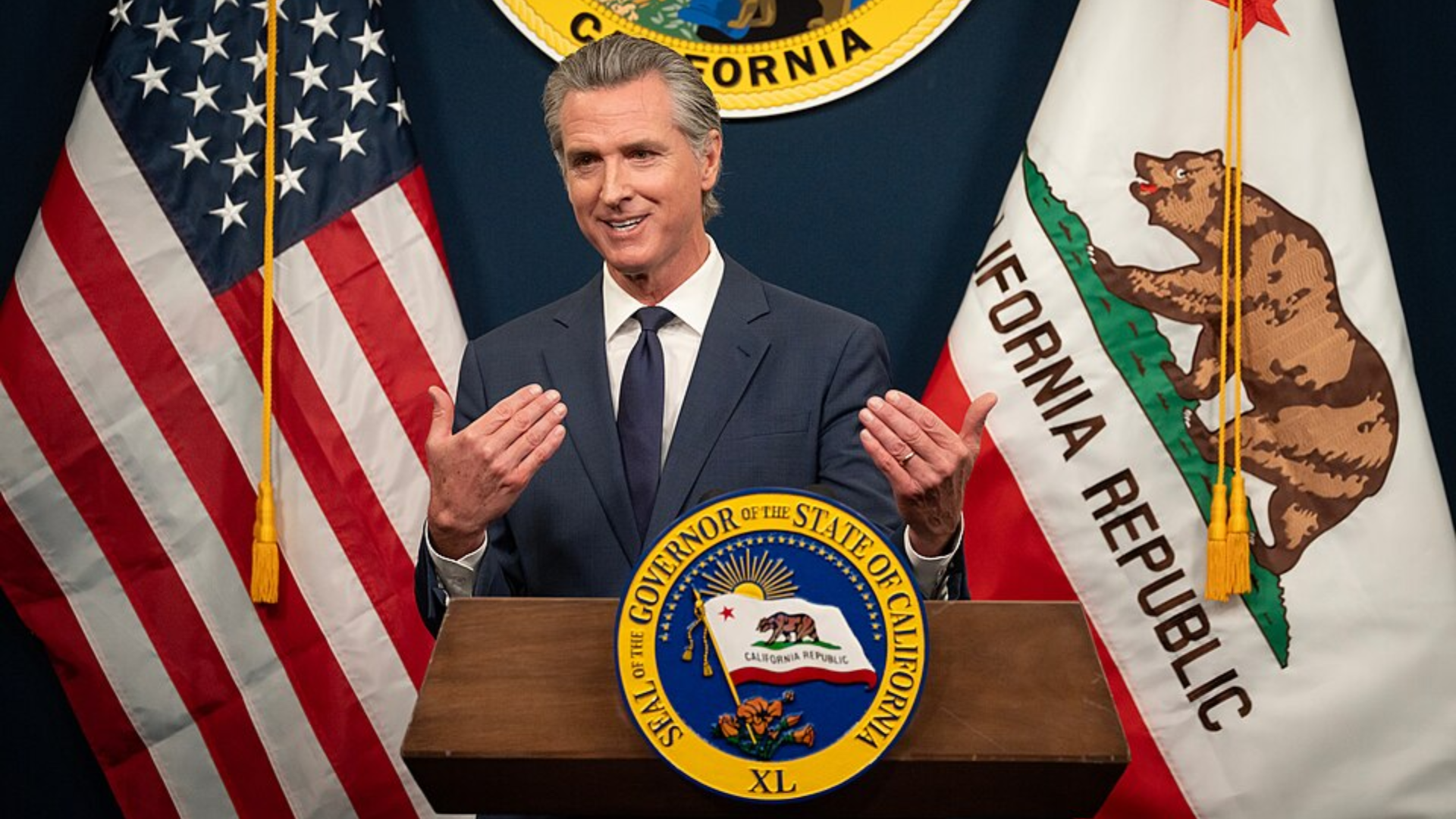
The proposal has created divisions even within California’s political leadership, with some prominent Democrats expressing skepticism or outright opposition. Governor Gavin Newsom has raised concerns about the economic impact and practicality of the tax. At the same time, progressive figures have rallied behind the proposal as a bold solution to inequality. This internal divide reflects broader national debates over taxation and economic policy.
Legal and Implementation Challenges Ahead

Legal experts have raised questions about how the wealth tax would be implemented and whether it would face constitutional challenges. Issues such as valuing complex assets and enforcing the tax across jurisdictions could complicate the process. Critics also argue that retroactive elements of the proposal may face legal scrutiny. These challenges could shape the final form of the measure if it is approved by voters.
A Broader Shift in U.S. Tax Policy Debate
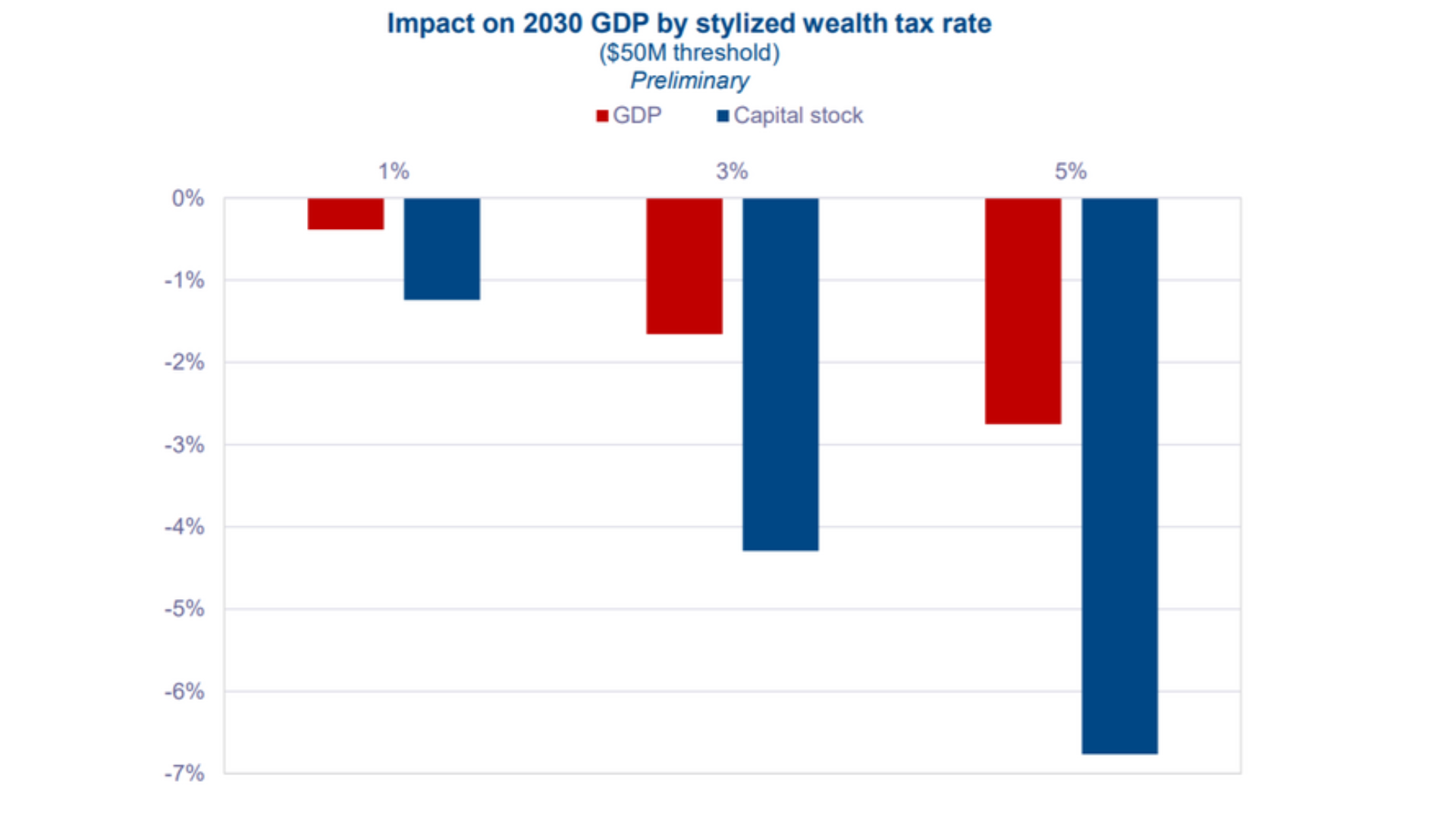
California’s wealth tax proposal reflects a larger national trend, with several states exploring ways to tax high-net-worth individuals. The idea has gained traction as governments seek new revenue sources while addressing inequality. At the same time, other states are moving in the opposite direction by lowering taxes to attract wealthy residents. This contrast highlights a growing divide in economic strategies across the country.
A High-Stakes Battle Over Wealth and Policy

California’s proposed wealth tax has set the stage for a high-stakes political and economic battle that could reshape how states approach taxation of the ultra-wealthy. Supporters see it as a necessary step toward fairness and funding essential services, while opponents warn of unintended consequences for the state’s economy. With billions of dollars and national attention at stake, the outcome of the 2026 vote could have far-reaching implications. As the debate intensifies, all eyes remain on California as a potential testing ground for wealth taxation in the United States.