California Schools Face Budget Cuts After Losing Nearly 75,000 Students
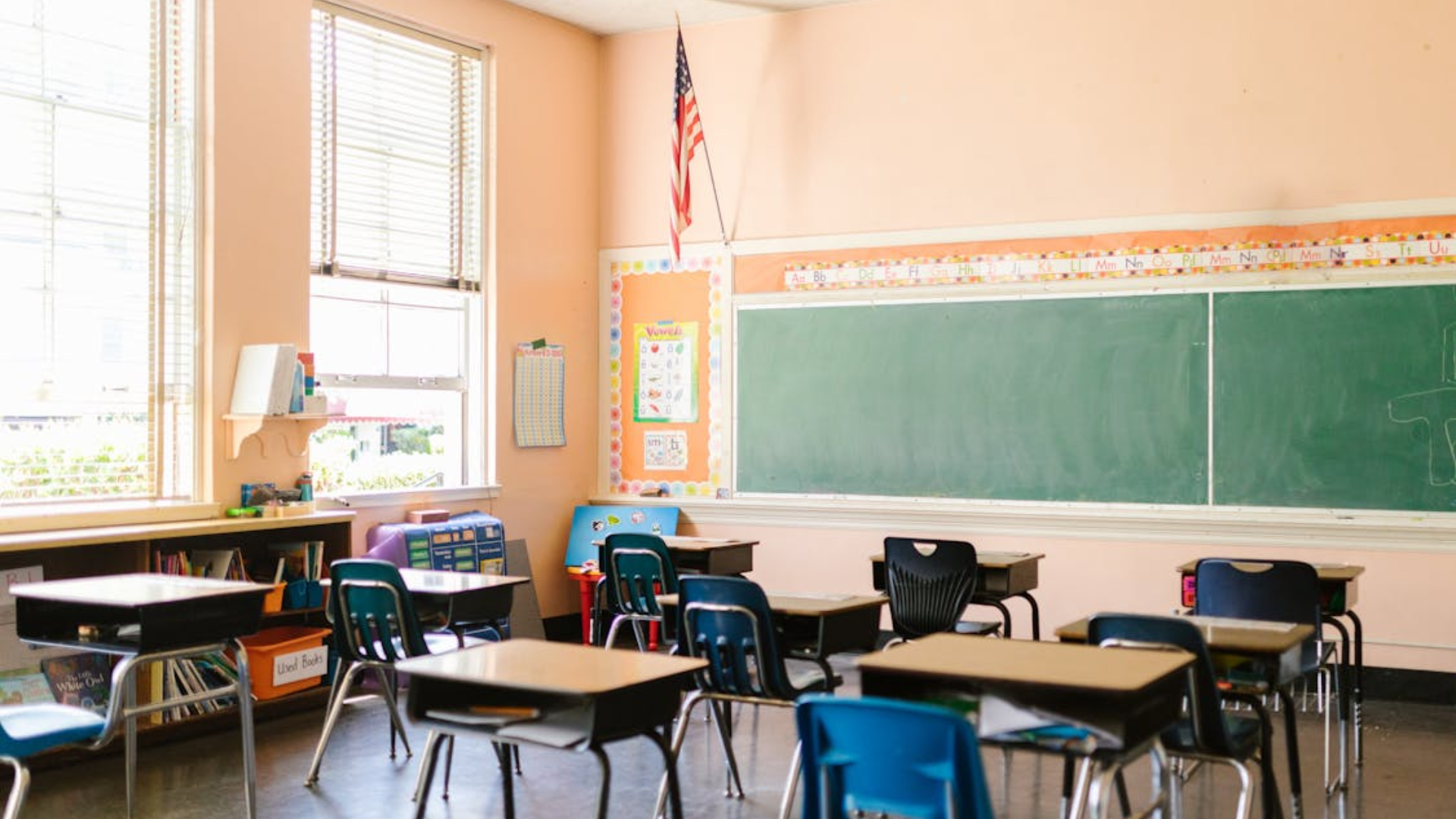

California’s public school system is preparing for renewed budget pressure after enrollment dropped by nearly 75,000 students in a single year. The decline represents about a 1.3% reduction in total K–12 enrollment, bringing statewide public school numbers down to roughly 5.7 million students. Officials say the drop is one of the steepest since the pandemic and far worse than earlier projections.
Education leaders attribute the decline mainly to long-term demographic changes, including falling birth rates and reduced immigration into the state. Because California funding is closely tied to average daily attendance, fewer students typically translate into less funding for districts across the state. This has raised concerns about future staffing cuts, school closures, and program reductions.
The enrollment loss also significantly exceeded expectations, with officials originally forecasting a drop closer to 10,000 students. The much larger decline has intensified pressure on already strained district budgets.
Why Enrollment Is Falling Across the State
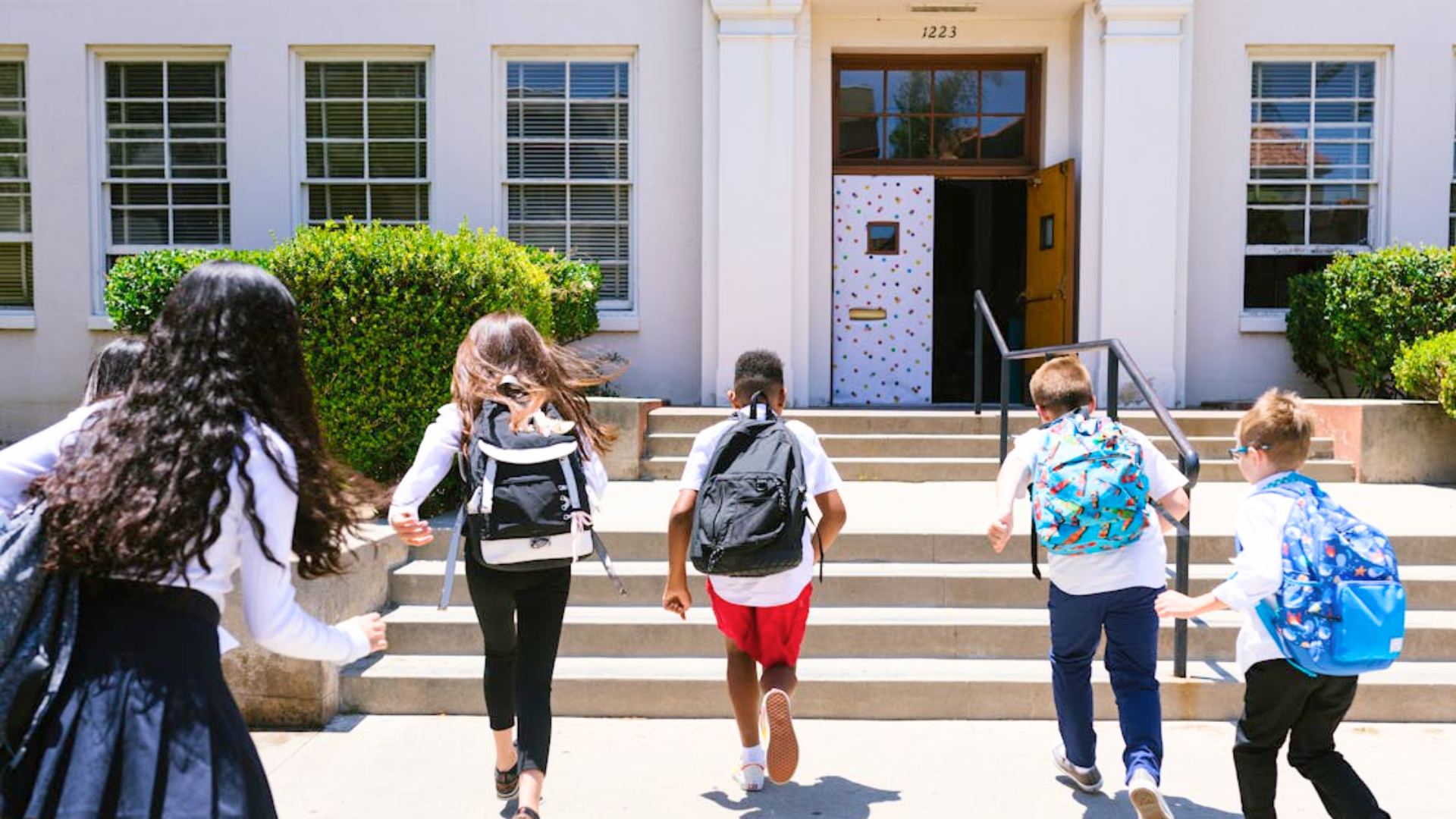
State officials point to shifting population trends as the main driver behind the enrollment decline. Families are having fewer children, and migration patterns have changed in recent years, both of which reduce the number of school-age students entering the system. Over time, these demographic shifts are expected to continue affecting school funding and planning.
The impact is not limited to traditional public schools, as charter and private school enrollment has also declined in some areas. Home schooling has seen fluctuations as well, but not enough to offset overall losses in public education. These combined trends suggest a broader statewide shift in how families are engaging with education systems.
Districts are already feeling the effects, with some schools reporting lower attendance and reduced classroom demand. In many cases, administrators are beginning to reassess staffing levels and facility usage in response to shrinking student populations.
Budget Pressures and District Responses

Because California school funding is largely based on enrollment, fewer students directly reduce the amount of money districts receive. This creates immediate pressure on local budgets, forcing some districts to consider layoffs, program cuts, or school consolidations. The financial strain is particularly acute in districts that were already operating on tight margins.
Some districts have already begun planning for closures or restructuring as enrollment continues to decline. In previous years, similar trends have led to school consolidations and reduced campus offerings in multiple regions. Officials warn that without enrollment recovery, more districts may face difficult financial decisions.
State education leaders are also exploring long-term adjustments to funding formulas and resource allocation. However, any structural changes are expected to take time and may not immediately offset current budget challenges.
A Long-Term Shift in California Education

The drop of nearly 75,000 students highlights a significant and ongoing challenge for California’s public education system. With funding tied directly to enrollment, even small percentage declines can translate into large financial shortfalls for districts across the state.
While officials expected gradual declines, the faster-than-anticipated drop has forced districts to rethink budgets, staffing, and long-term planning sooner than expected. The trend reflects broader demographic changes that are unlikely to reverse quickly.
As enrollment continues to fall, California schools will likely face ongoing financial adjustments, making this a defining issue for the state’s education system in the years ahead.