Report: 5 Unintended Effects Kicked In After California Raised Minimum Wage
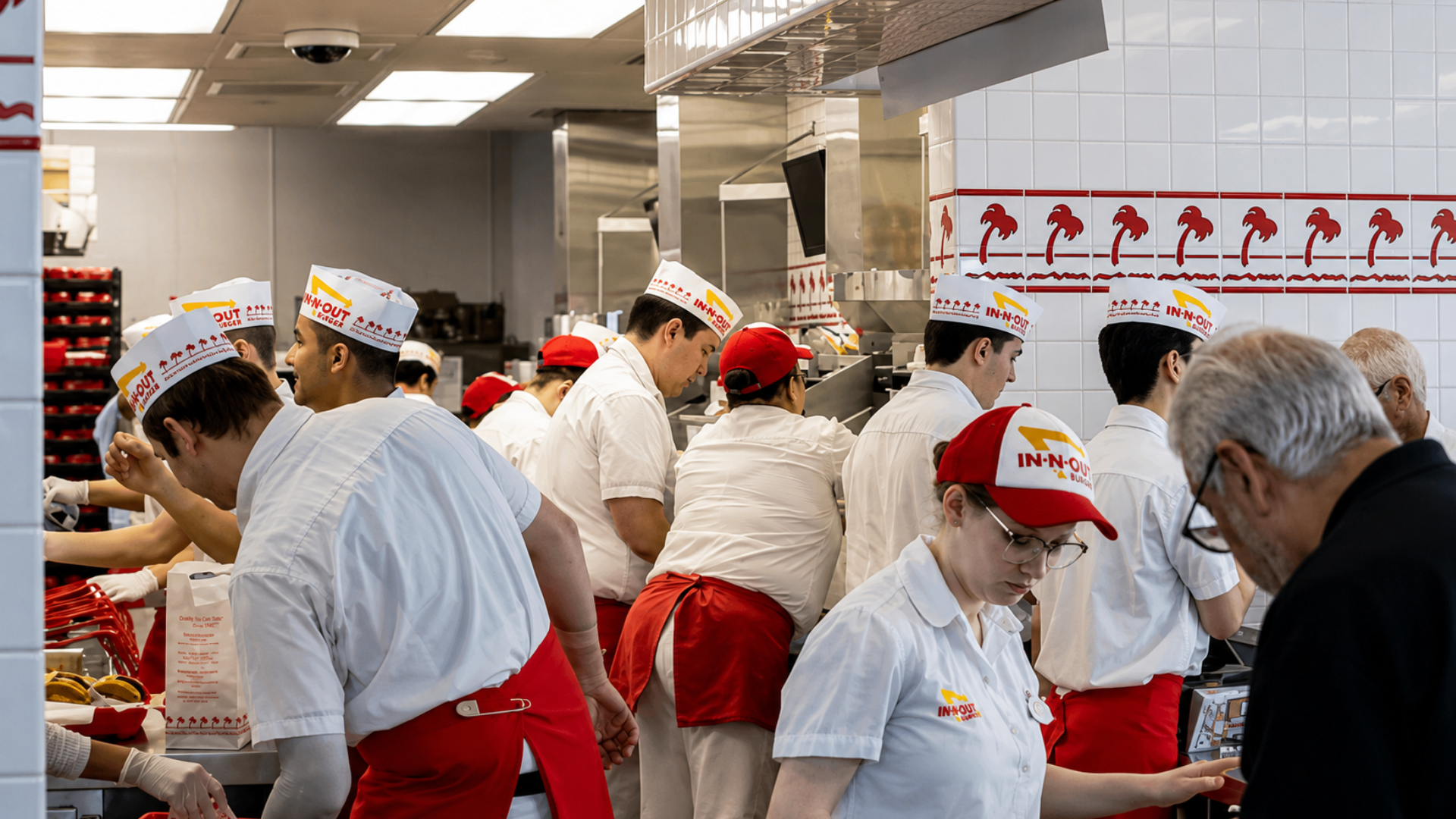

California raised the minimum wage for fast food workers to $20 an hour. It was supposed to help workers earn more money. But a new study found something strange. Many workers are not better off. Some are working fewer hours. Some lost their jobs to robots. A college study looked at more than 100 restaurants. It found five surprising changes nobody expected.
Stephen Owen led the study at UC Santa Cruz. He and his students checked restaurant records. They also talked to owners and managers. Owen called the results “a classic case of no good deed goes unpunished.” He said the outcomes were “definitely not as positive as policymakers had been expecting.” The wage went up. But the story did not end there.
Higher pay sounds simple. Pay people more, and they do better. But money does not work that way inside a busy restaurant. When one cost goes up, owners look for ways to balance it out. They raise prices. They cut hours. They buy machines. Five changes are now reshaping fast food in California, and workers are caught in the middle of all of them.
Restaurants Found Five Ways to Pay for the Raise, and Workers Felt Most of Them
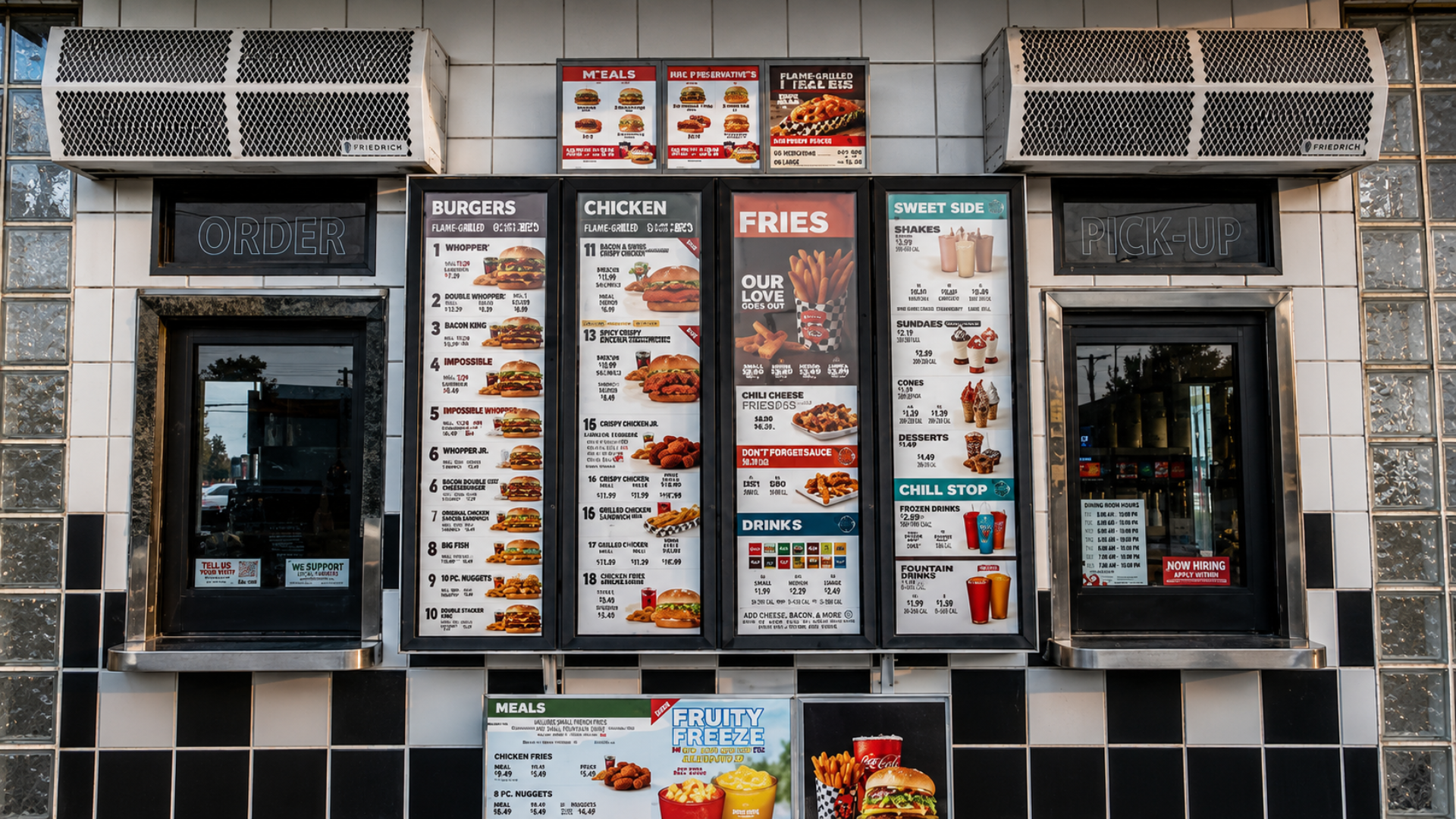
A wage hike does not just disappear into a worker’s paycheck. Restaurants have to find that money somewhere else first. The UC Santa Cruz study found five clear patterns. Each one is a way a business protects its profits after a big cost increase. Together, they explain why a $20 wage has not made life easier for many fast food workers in California.
The first change is simple: higher menu prices. Researchers found prices at restaurants in the study rose between 8 and 12 percent. A burger that cost $6 before might now cost almost $7. The business keeps its profit. The customer pays the difference at the register. It is the easiest fix for a restaurant, and the one shoppers notice first every time they order food.
The second change is sneakier. Workers now earn more per hour, but many get fewer hours each week. Some lose overtime pay entirely. Some no longer qualify for benefits like health coverage. A bigger number on the pay stub can hide a smaller number in the bank account at the end of the month. That gap is exactly what the next two changes make worse.
Robots Are Already Taking Drive-Through Orders and Making Guacamole in California
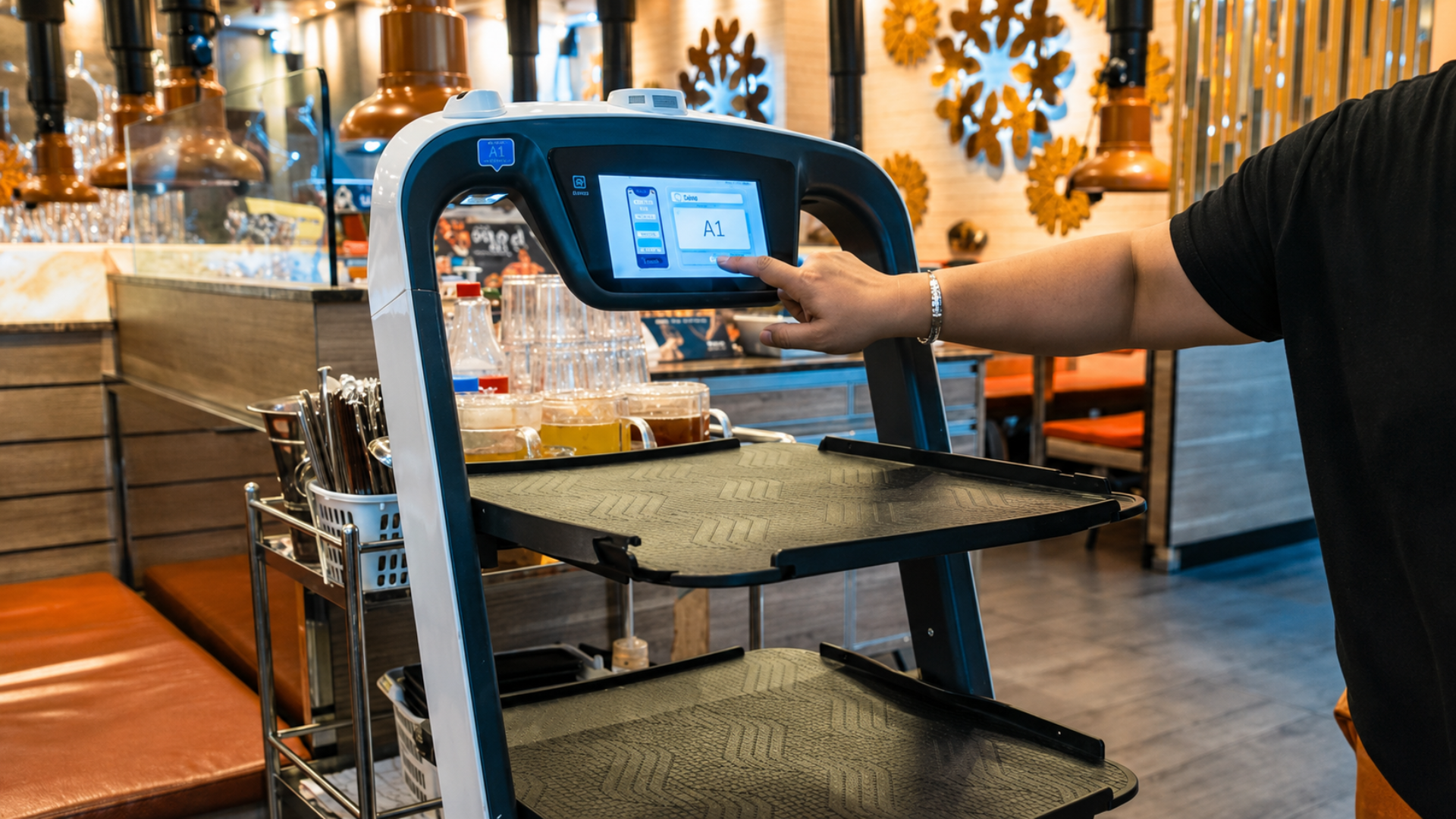
The third change is the one customers can actually see and hear. Burger King now uses a bilingual robot voice to take orders at some Bay Area drive-throughs. The franchise owner plans to add it to more locations soon. Taco Bell tested a similar AI ordering system at five California stores. It worked well enough that the company expanded it to 30 locations.
The fourth change happens in the kitchen, where customers never look. Chipotle is testing a robot called Autocado that helps make guacamole. It works alongside an automated assembly line for building bowls and burritos. Sweetgreen built something similar called the Infinite Kitchen. The company reports higher profits, fewer workers needed, and fewer mistakes on orders, exactly the outcome researchers warned about.
Researchers at UC Santa Cruz had predicted this would happen. They warned of “a substantial reduction in labor requirements” once companies built machines that could replace entry-level workers. That warning is no longer a guess. It is happening in real restaurants, right now, in the same towns where the new $20 wage was supposed to make those jobs better, not fewer.
The Newest Fast Food Restaurants Don’t Have a Front Counter, or Cashiers, at All
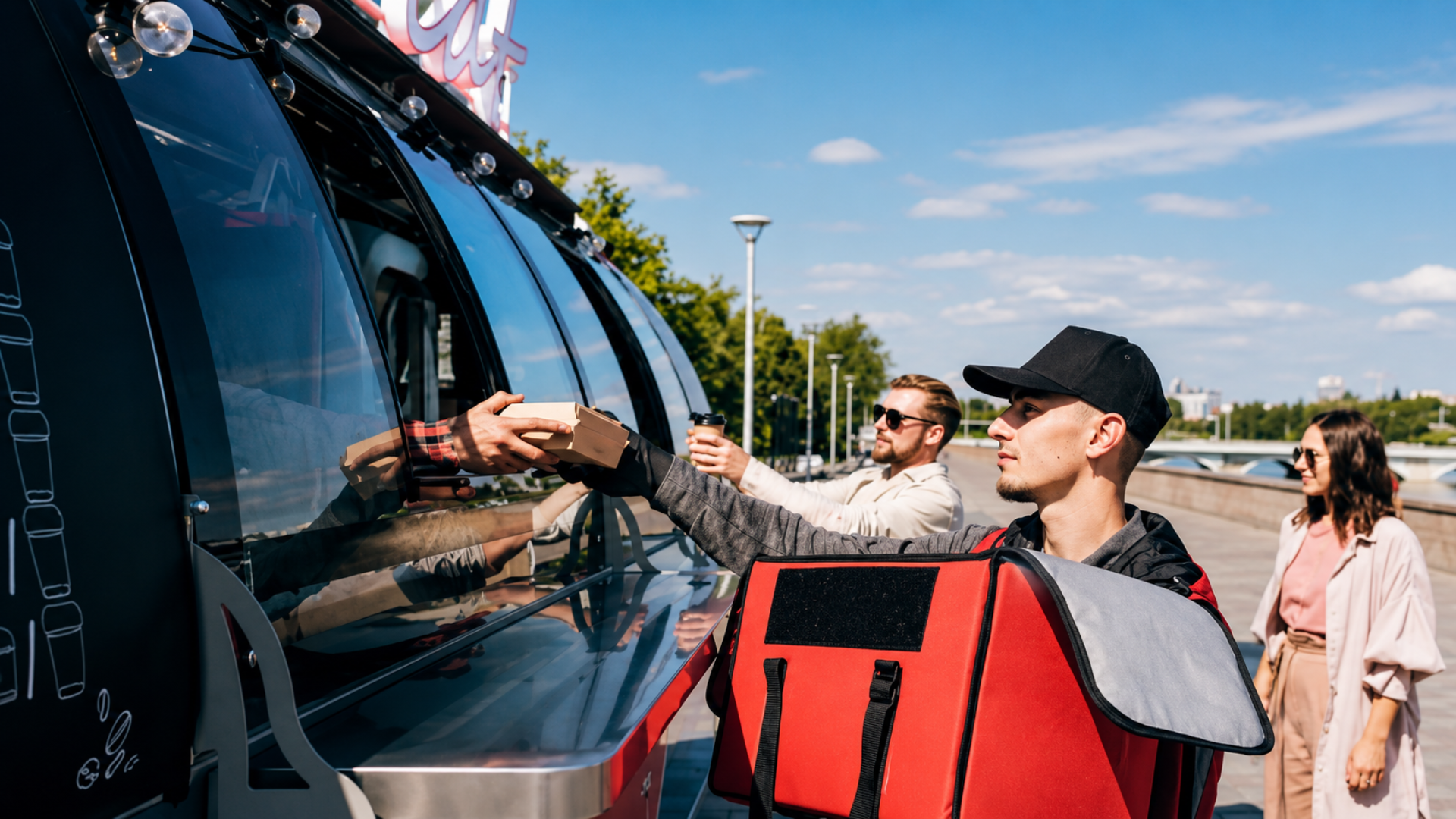
The fifth change is the biggest one. Chick-fil-A just opened its sixth delivery-only restaurant, this one in Miami’s Wynwood neighborhood. These restaurants have no dining room. They have no front counter. They have no cashiers at all. Every order comes through an app, and a driver brings the food to your door. The entire job of greeting customers has been erased from the building plan.
This is what makes the wage story so much bigger than a paycheck. A higher wage was supposed to help the person standing at the register. But many of these new restaurants were built without a register, and without anyone standing behind it. The job itself is gone before the worker ever gets the chance to earn the new, higher wage at all.
So the $20 wage may technically work. Some workers really do earn that much per hour now. But the bigger goal, helping fast food workers build a stable life, is slipping away in a different direction. The jobs are shrinking. The hours are shrinking. And the restaurants of the future may not need a person at the counter to hand you your food at all.