California Medicaid Freeze Raises Concerns for Seniors and People With Disabilities


California and Minnesota are at the center of a growing dispute after the Trump administration paused more than $1 billion in federal Medicaid payments, citing suspected fraud and noncompliance. While officials say the move is intended to protect taxpayer dollars, state leaders and disability advocates warn that the funding freeze has created uncertainty for programs that help seniors, people with disabilities, and low-income families receive care in their homes and communities.
Why the Federal Government Hit Pause
The Department of Health and Human Services (HHS) and the Centers for Medicare & Medicaid Services (CMS) said California must provide additional documentation for about $867.5 million in claims tied largely to in-home care programs, while Minnesota must justify roughly $199 million in claims involving 14 service areas identified as high risk for fraud. HHS says the money is being deferred, not permanently cut, while the claims undergo further review.
Officials Say the Goal Is to Stop Fraud Before Money Goes Out
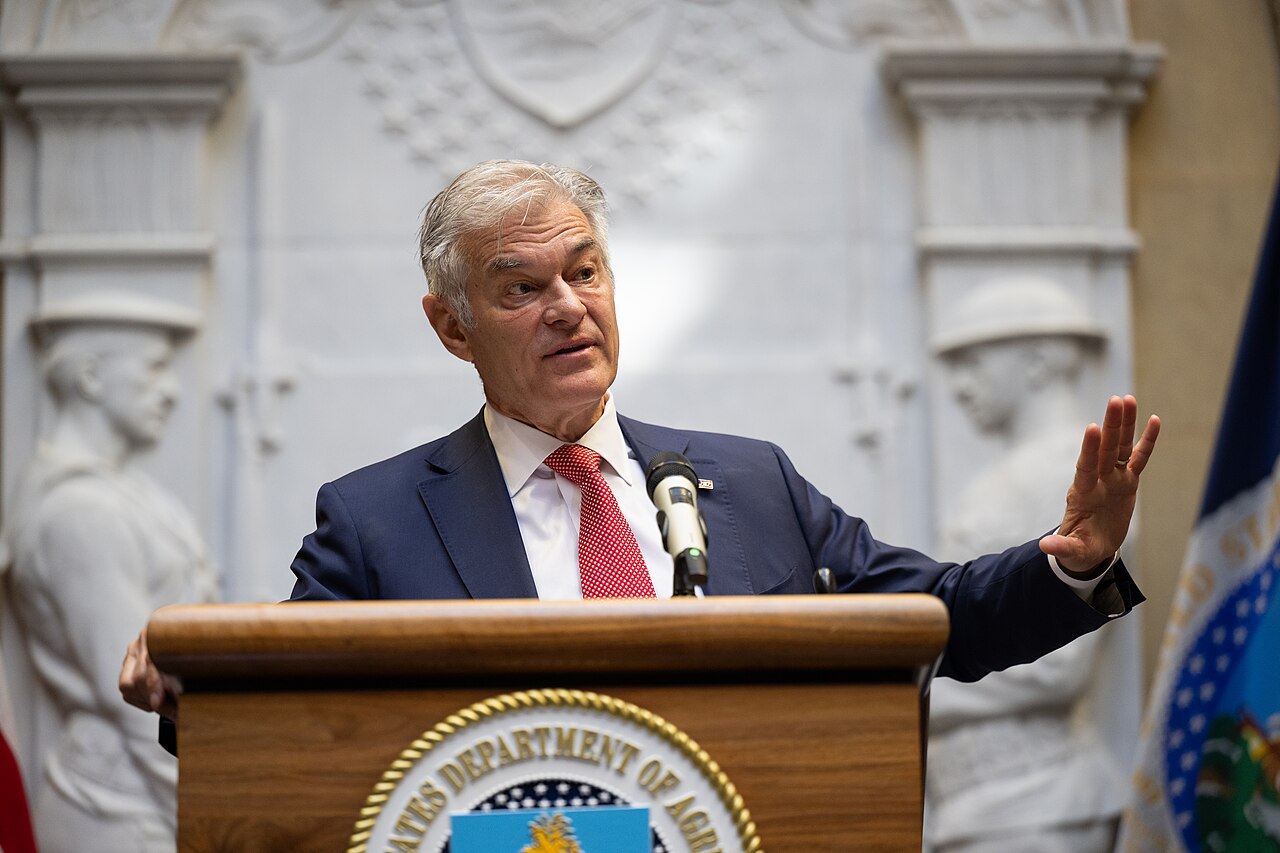
Health Secretary Robert F. Kennedy Jr. said states receiving federal Medicaid dollars must demonstrate that every claim meets federal requirements before payments are released. CMS Administrator Dr. Mehmet Oz described the effort as a shift away from trying to recover money after suspected fraud has already occurred, saying the agency wants to prevent questionable payments before federal funds are distributed.
The States Strongly Disagree With the Decision

California Governor Gavin Newsom called the action a politically motivated move, arguing that the state’s in-home care programs actually save taxpayer money by helping seniors and people with disabilities remain at home instead of entering more expensive nursing facilities. Minnesota Governor Tim Walz similarly rejected the administration’s reasoning, saying the funding freeze affects vulnerable residents rather than those committing fraud.
Disability Advocates Say the Stakes Go Beyond Politics

The Arc, one of the nation’s largest disability advocacy organizations, said broad payment actions risk disrupting healthcare and community-based services that many people rely on every day. CEO Katy Neas argued that conversations focused solely on fraud can overlook Medicaid’s role in helping people with disabilities get out of bed, attend school, work, and live independently in their communities. She said fighting fraud and protecting essential services should happen at the same time rather than being treated as competing goals.
Why In-Home Care Is Receiving So Much Attention

Federal officials pointed to unusually rapid spending growth in some California in-home care programs as one reason for the review. State leaders, however, argue those same services reduce long-term costs because they allow older adults and people with disabilities to receive assistance at home instead of relying on institutional care, which is often far more expensive.
Minnesota Has Been Under Increased Scrutiny
The latest payment deferral is not the first involving Minnesota. According to Stateline, the Trump administration has already deferred Medicaid payments to the state twice this year, totaling nearly $400 million. Officials say the latest review focuses on providers and service areas identified through billing analyses and program integrity reviews, while Minnesota argues federal agencies have not shared enough information explaining how the questioned claims were identified.
The Funding Freeze Doesn’t Immediately Change Eligibility
Despite the headlines, federal officials emphasize that the action does not change who qualifies for Medicaid or eliminate benefits outright. Instead, the deferred payments will remain on hold while California and Minnesota submit documentation supporting the claims. According to CMS, the funds can still be released if the states demonstrate that the services meet federal Medicaid requirements.
The Debate Reflects Two Very Different Priorities
The administration says the payment deferrals are part of a broader campaign to eliminate fraud, waste, and abuse across federal healthcare programs. Critics counter that sweeping funding actions can create anxiety for providers and families who depend on Medicaid, especially when officials have not publicly presented evidence supporting allegations of widespread fraud in the deferred claims.
What Happens Next Could Affect More Than Two States

For now, California and Minnesota are working to provide the documentation federal officials have requested, and the deferred payments remain under review rather than permanently canceled. The outcome could shape how future Medicaid oversight is handled, particularly as federal agencies continue expanding efforts to identify questionable claims while states and advocacy groups push to ensure fraud investigations do not interrupt care for the people who depend on these programs every day.