California Just Made It Harder for Luxury Car Owners to Avoid Thousands in Taxes
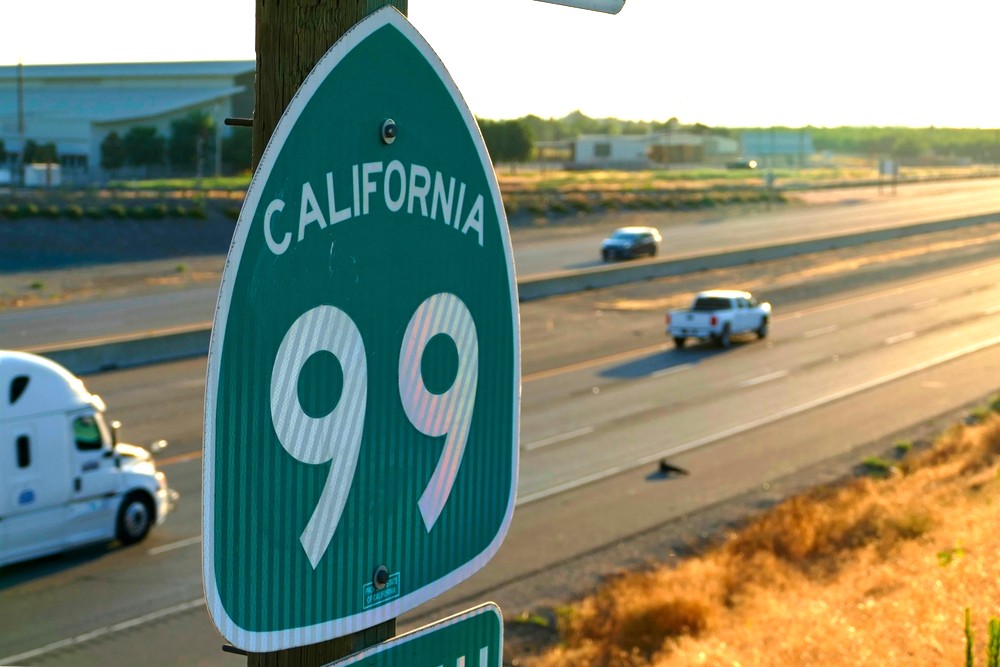

Picture a $500,000 Lamborghini cruising through Beverly Hills with Montana plates. Strange? Not necessarily. Some California luxury-car owners have used out-of-state registrations to save tens of thousands of dollars in taxes. But a new California law is making that strategy considerably riskier, and the reason goes beyond what’s printed on the license plate.
The Tax Bill Can Be Enormous

Buying a supercar is expensive enough before taxes enter the picture. In California, a $500,000 luxury vehicle could generate more than $50,000 in sales taxes, depending on the local rate. For collectors purchasing multiple exotic cars, those costs add up quickly. That’s where another state’s tax rules become particularly appealing.
Montana Offers A Tempting Advantage
Unlike California, Montana has no statewide general sales tax. That difference makes registering expensive vehicles there potentially attractive. On a six-figure purchase, avoiding California’s applicable taxes could mean substantial savings. But there’s a catch: California generally taxes qualifying vehicles purchased for use within its borders, regardless of where they’re registered.
The Trick Often Involves An LLC
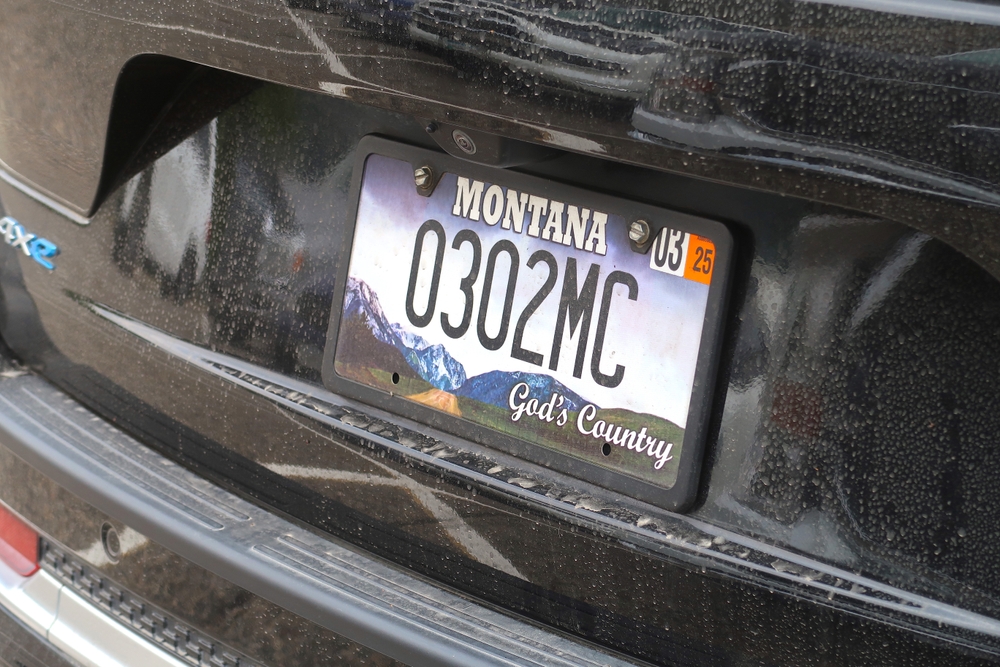
Here’s how the arrangement can work. A California resident establishes a limited liability company, or LLC, in Montana. The company purchases and registers the luxury vehicle, giving it Montana plates. LLCs are legitimate business structures, but problems arise when they’re created mainly to hold vehicles that actually live in California.
The Car Might Never Leave California

A Ferrari could be registered to a Montana company while spending nearly every day in a California garage. That’s the situation officials are targeting. The paperwork suggests an out-of-state connection, but the vehicle’s actual use may create California tax obligations. And the state has now made those arrangements harder to defend.
California Has Closed A Major Gap

Governor Gavin Newsom signed Senate Bill 1406 on September 30, 2026, and it took effect immediately. Introduced by Senator Jerry McNerney, the law strengthens California’s ability to pursue unpaid vehicle taxes involving out-of-state shell companies. It doesn’t ban Montana plates, but it changes how certain companies are treated.
One California Owner Can Change Everything
Under the new rules, a qualifying shell company can be treated as a California resident if even one shareholder, partner, member or beneficial owner lives in the state. That replaces a more permissive ownership test for these arrangements. Simply placing most of a company’s ownership outside California may no longer provide the same protection.
More Types Of Companies Are Covered
The legislation also expands the relevant rules beyond corporations and LLCs. Partnerships, limited partnerships and limited liability partnerships are now included. That matters because changing a company’s legal structure shouldn’t necessarily change whether its California-based vehicle is taxable. But another provision creates an even bigger financial risk.
The Tax Bill Can Follow The Owner
Previously, owners might have expected a company to provide some separation from its tax obligations. SB 1406 allows California to hold certain officers, managers, partners, members and beneficial owners of qualifying shell companies personally responsible for unpaid vehicle taxes, interest and penalties. The company name may no longer shield the people behind it.
Montana Plates Aren’t Automatically Illegal
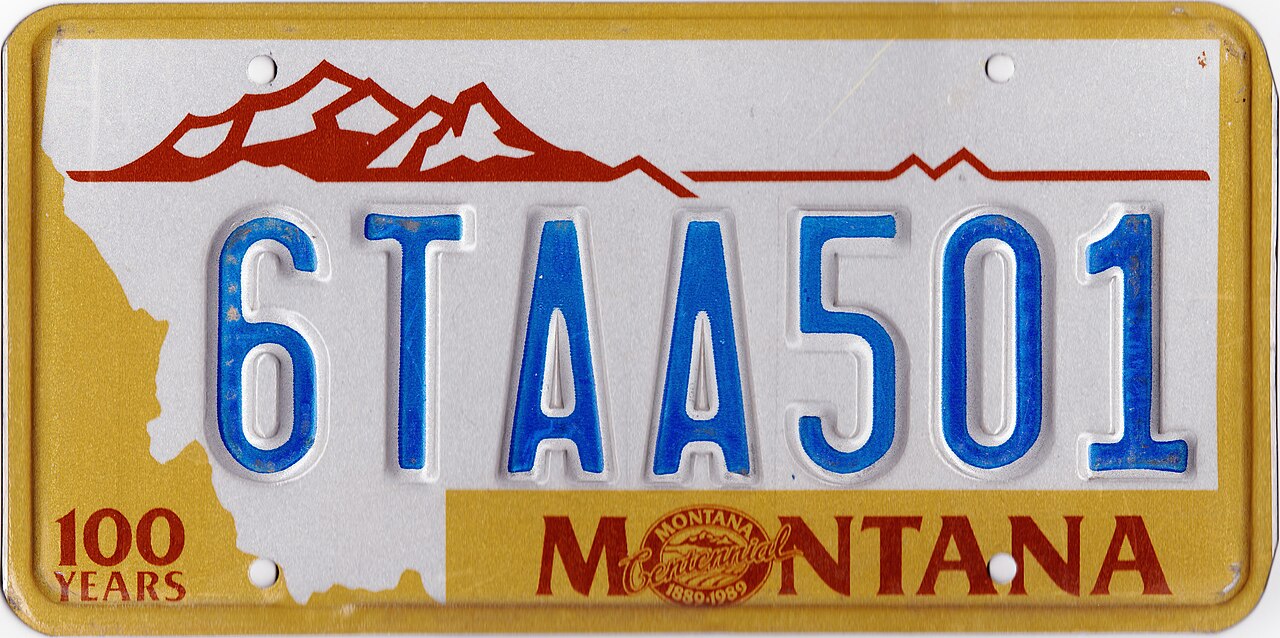
Owning a vehicle registered in another state doesn’t automatically mean someone is avoiding taxes. California still needs to establish the relevant facts, including qualifying use, storage or consumption within the state during the applicable 12-month period and unpaid taxes. Legitimate out-of-state businesses can have legitimate reasons for their registrations.
Investigators Are Looking For Paper Companies
California can examine whether an out-of-state company has real business operations. Warning signs include no identifiable business activity, no physical location outside California, no employees receiving W-2 forms and missing required tax returns. These factors aren’t automatic proof of wrongdoing, but they can help officials identify questionable arrangements.
The State Says It’s Losing Millions

McNerney estimates the Montana loophole costs California approximately $20 million annually in lost tax revenue. He argues that recovering that money could support road repairs and other public services. The figure helps explain why officials are devoting resources to a practice involving a relatively small number of expensive vehicles.
Authorities Were Already Investigating

The crackdown didn’t begin with SB 1406. California officials previously identified nearly 500 dealerships connected to more than 2,500 vehicle sales since 2023 involving buyers claiming their cars would be used in Montana. Investigators estimated the transactions under scrutiny were costing the state more than $10 million annually.
Fourteen People Faced Criminal Charges

In March 2026, Attorney General Rob Bonta announced a 56-count felony complaint against 14 people. Prosecutors alleged the defendants evaded more than $1.8 million in taxes involving over $20 million in luxury vehicle purchases. The allegations included conspiracy, false tax returns, perjury and money laundering. The charges are accusations, not findings of guilt.
The Cars Were Worth A Fortune

The investigation involved some extraordinary vehicles, including a $1.8 million McLaren Elva, a $1.5 million Porsche 918 Spyder and a $1.26 million Ferrari F12tdf. Other vehicles identified in court documents included Lamborghinis and high-performance Porsches. At those prices, even a single avoided tax payment could be substantial.
Some Shipping Records Were Allegedly Fake
Prosecutors alleged that participants used false shipping documents to make vehicles appear destined for other states. In some cases, investigators claimed the cars never left California. Court documents also described messages discussing fabricated signatures. Those allegations show why authorities examine shipping records and actual vehicle locations, not just registration information.
Dealerships Are Under Scrutiny Too

Luxury-car dealers have also attracted investigators’ attention. California already required records for certain out-of-state transactions, and officials have examined whether those documents accurately reflected buyers’ plans. A dealership’s involvement in a transaction doesn’t establish wrongdoing, but accurate paperwork matters when a customer claims a vehicle will be used elsewhere.
This Isn’t A New Luxury-Car Tax

California hasn’t created a special tax just for Ferrari or Lamborghini owners. SB 1406 strengthens enforcement of existing sales and use-tax obligations involving qualifying shell companies. That distinction matters: the law targets arrangements used to avoid taxes that may already be owed, rather than imposing a new charge on every expensive vehicle.
The Savings Could Become A Costly Mistake

Avoiding a $50,000 tax bill might sound attractive until unpaid taxes, interest and penalties enter the picture. Owners involved in alleged document falsification could face additional legal consequences. For anyone relying on an out-of-state company, the financial calculation now looks different. And California has more tools to investigate those arrangements.
The Next Move Belongs To California
The law is already in effect, but its impact will become clearer as officials investigate registrations and pursue unpaid taxes. Future cases will test how the expanded rules work in practice and whether they discourage questionable arrangements. For luxury-car owners, one thing has changed: Montana plates alone won’t necessarily keep California’s tax collector away.