California Hikers Hit by Norovirus Outbreak Near Popular Pacific Crest Trail Stop
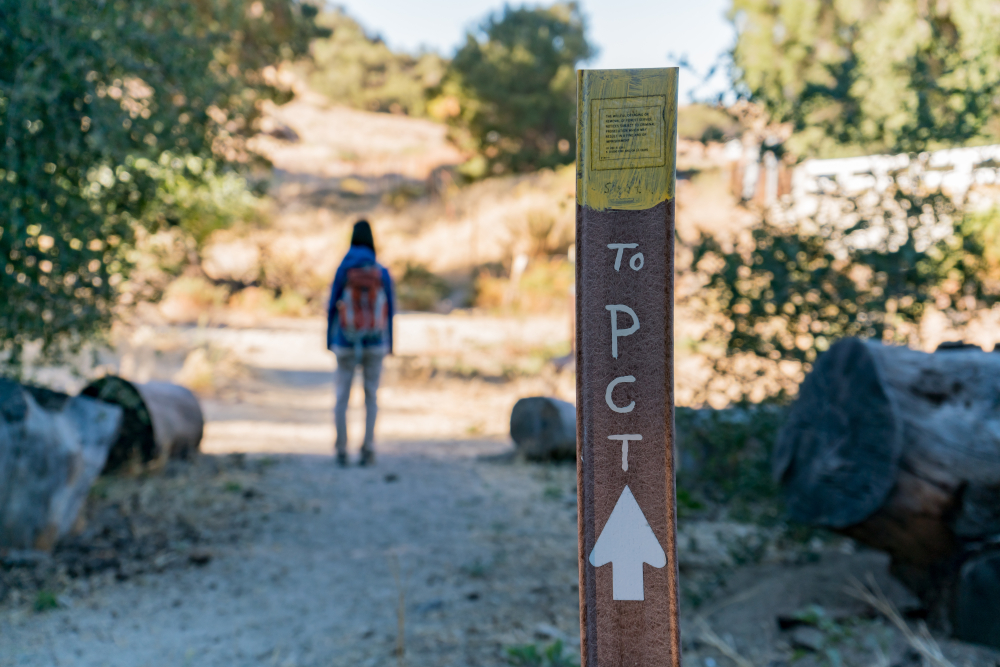

For thousands of hikers each year, the Pacific Crest Trail represents endurance, freedom, and adventure. But in May 2026, a stretch of the famed 2,650-mile route near Wrightwood, California, became the center of a norovirus outbreak that left dozens of hikers ill, triggered at least one helicopter rescue, and forced local trail-support organizations to rethink operations. What began as scattered reports of sickness quickly evolved into a public health concern stretching across one of America’s most recognizable long-distance trails.
Reports Began Emerging in Early May

Members of the Pacific Crest Trail community first started discussing unexplained gastrointestinal illnesses around May 8. As hikers traveled north through Southern California, reports spread through trail networks and online communities. Roughly two dozen hikers eventually reported symptoms consistent with norovirus, while at least seven received confirmed diagnoses after seeking treatment in nearby communities including Hesperia and Victorville. The clustering of cases suggested more than isolated illness, prompting increased attention from trail volunteers and public health officials.
Why Norovirus Spreads So Easily
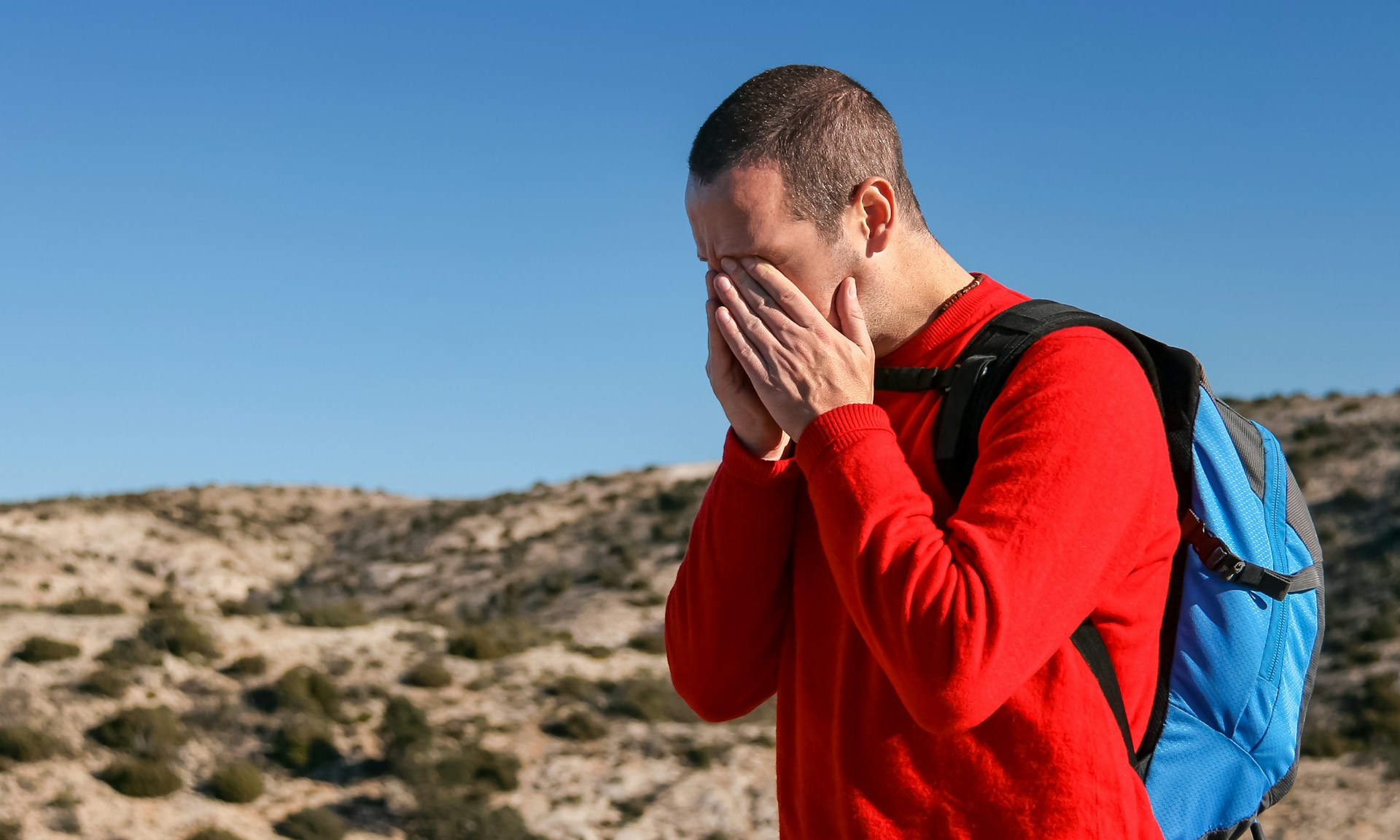
Norovirus is one of the most contagious gastrointestinal viruses and the leading cause of foodborne illness in the United States. Symptoms typically appear within 12 to 48 hours and often include nausea, vomiting, diarrhea, and stomach pain. The virus spreads through contaminated food or water, infected surfaces, and direct person-to-person contact. Unlike many pathogens, norovirus is not reliably eliminated by hand sanitizer, making traditional handwashing with soap and water the most effective prevention measure.
The Challenges of Wilderness Hygiene
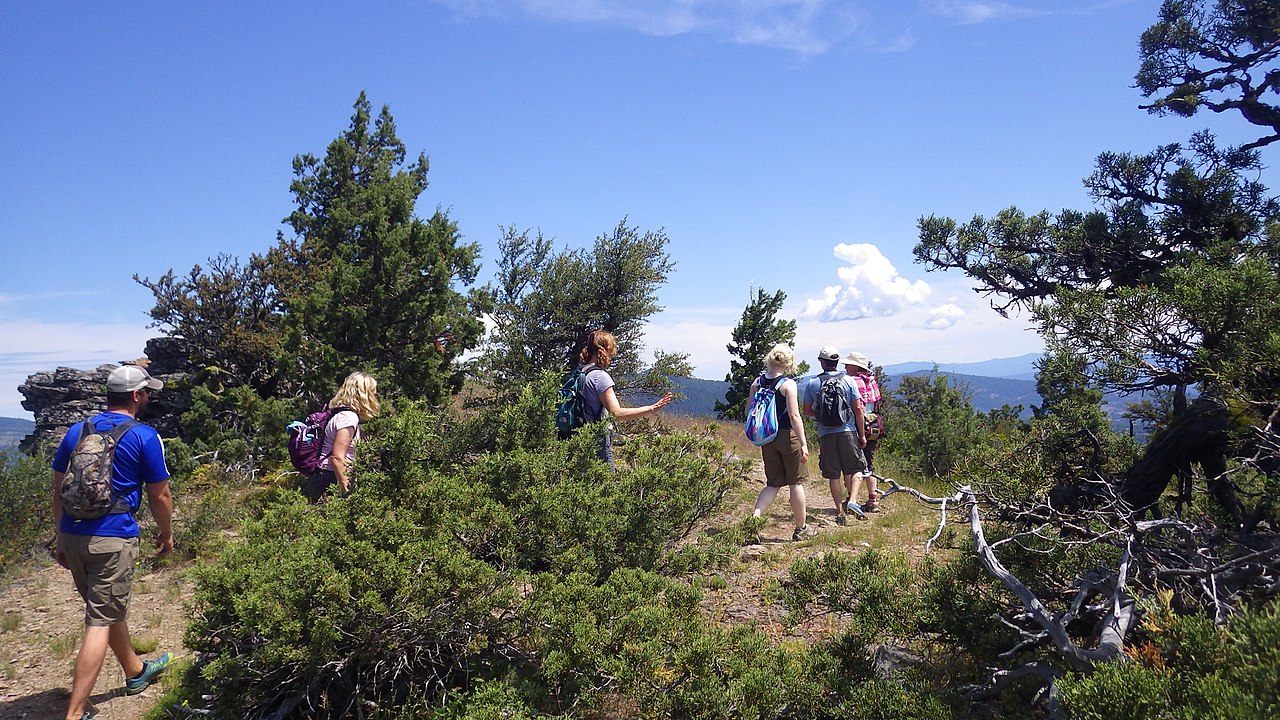
Backcountry environments can create ideal conditions for transmission. Long-distance hikers often share campsites, water sources, transportation, and communal resources while having limited access to sanitation facilities. Public health experts note that norovirus outbreaks frequently occur wherever groups share close quarters or common facilities. On remote trails, even basic hygiene practices become more difficult, increasing the risk that a single infection can affect many people over a short period.
One Hiker’s Ordeal Became a Warning
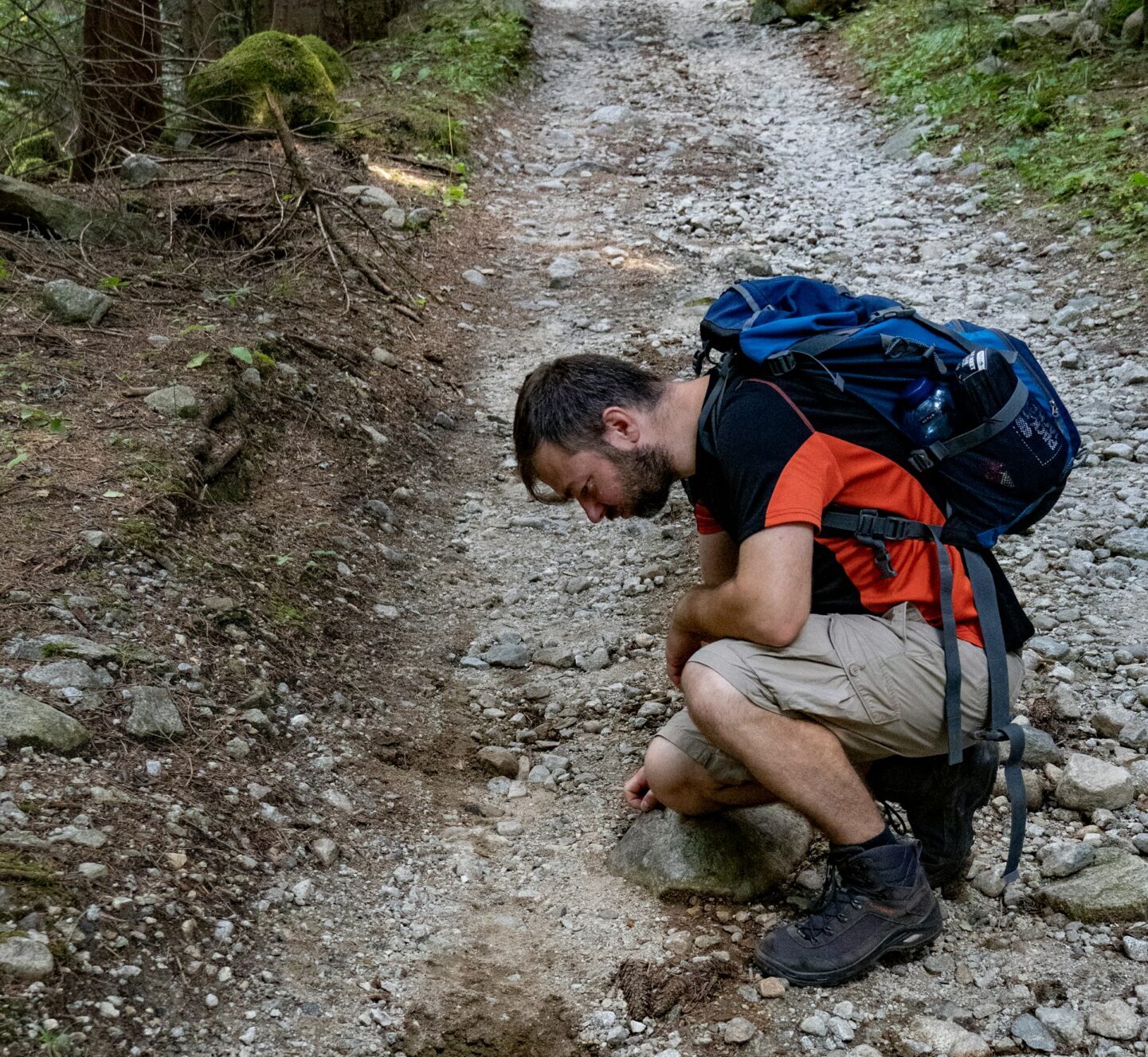
Among those affected was 73-year-old Ron Hals of Fort Bragg, California. According to SFGATE, Hals had already hiked more than 370 miles on the Pacific Crest Trail when he suddenly became violently ill at his campsite on May 14. He told the publication that the symptoms left him so weak he struggled to stand, prompting concern from fellow hikers who alerted emergency responders. Search and rescue personnel ultimately transported him by helicopter to a medical facility in Lancaster, where he was diagnosed with norovirus. His experience illustrated how quickly dehydration and gastrointestinal illness can become dangerous in remote wilderness settings, where medical assistance may be hours away.
Investigators Search for the Source
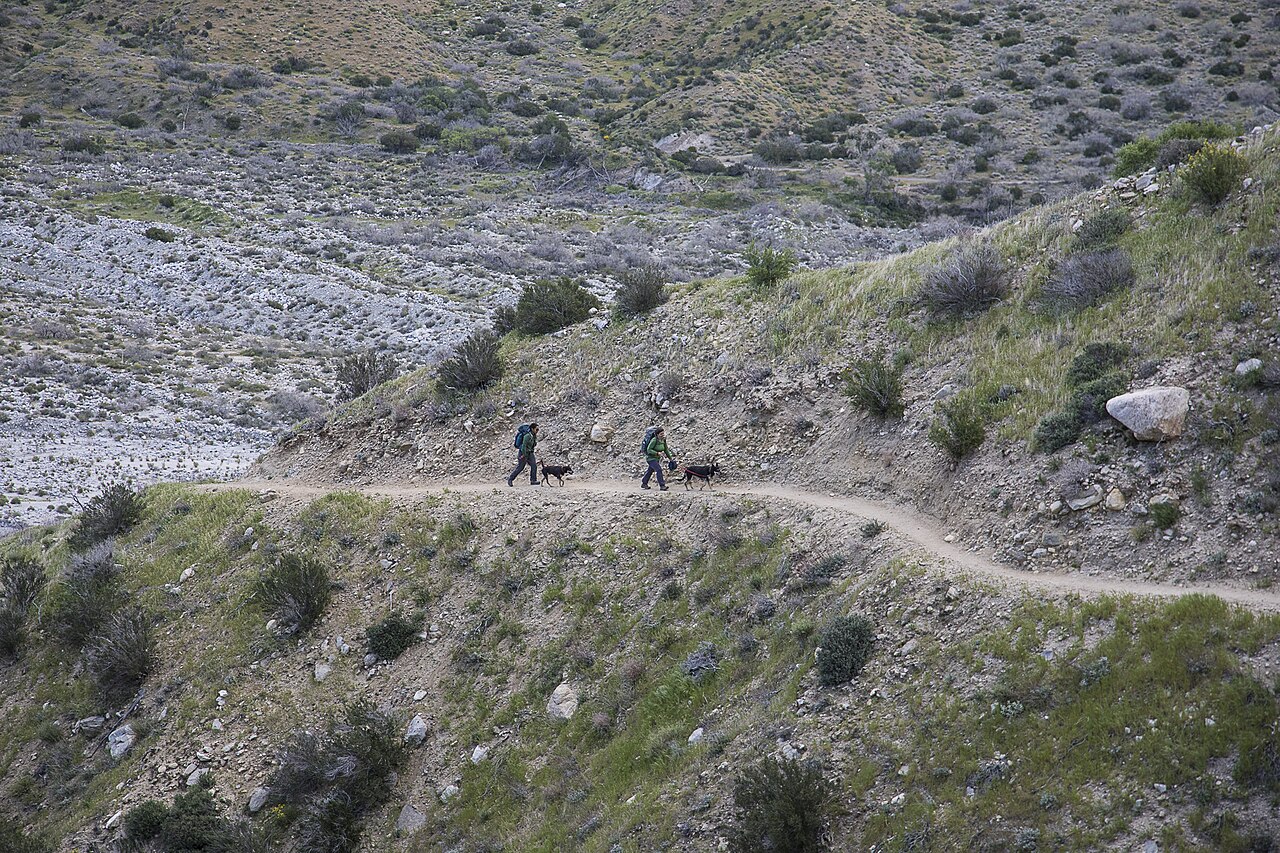
Officials have not identified a definitive origin for the outbreak. Attention initially focused on a popular water cache in Swarthout Valley between Cajon Pass and Mount Baden-Powell, where volunteers known as “trail angels” provide water and supplies. Witnesses reported seeing symptomatic hikers near the cache on May 10 and May 11. Volunteers subsequently replaced communal water containers with sealed bottles and introduced measures intended to reduce contamination. Some trail advocates believe the outbreak may have originated even farther south, possibly near Deep Creek, based on estimated incubation periods.
Public Health Officials Urge Caution

Despite widespread concern among hikers, San Bernardino County Department of Public Health officials said they had limited confirmed data. A department spokesperson stated that authorities were aware of a reported case but had not found evidence of an unusual cluster beyond what would normally be expected in the Wrightwood area. Nevertheless, officials indicated they would continue monitoring reports and responding to suspected outbreaks as information develops.
Local Communities Feel the Impact

The outbreak’s effects extended beyond the trail itself. Businesses frequented by hikers increased cleaning efforts, wiping down surfaces and emphasizing sanitation practices. Angeles Crest Christian Camp, a longtime stop that provides showers, lodging, laundry facilities, and other services to hikers, temporarily closed its doors to trail users out of concern for staff and local residents. Operators stressed that the decision was precautionary but necessary until the situation became clearer.
A Broader National Health Context
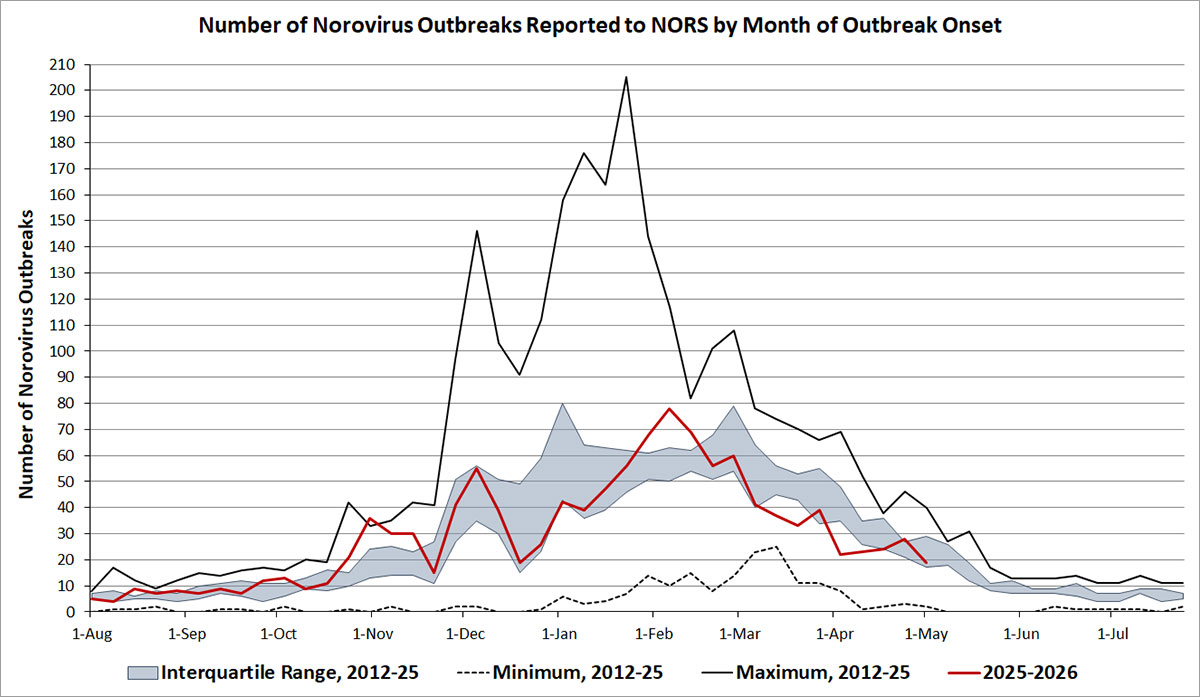
The California outbreak emerged amid continued national monitoring of norovirus activity. According to CDC NoroSTAT data, 1,194 norovirus outbreaks were reported by participating states between August 2025 and May 2026, a figure that remains within historical norms for recent seasons. At the same time, wastewater surveillance programs have detected elevated levels of norovirus activity in various regions of the United States. Health experts note that outbreaks can continue well into spring, even though norovirus is most commonly associated with winter months.
What Happens Next for the Trail Community

The Pacific Crest Trail Association has said it is working with the San Bernardino County Department of Public Health and plans to share information as it becomes available. For hikers preparing to enter the area, the outbreak has reinforced longstanding lessons about sanitation, water safety, and illness prevention in remote environments. Whether investigators ultimately identify a single source or multiple transmission points, the episode serves as a reminder that even vast wilderness landscapes are not immune to highly contagious diseases, and that maintaining public health on a trail stretching from Mexico to Canada depends on the actions of every person who uses it.