California High-Speed Rail Missed Its 2020 Deadline. Now a Governor Candidate Wants a New Plan.

California’s high-speed rail project was supposed to connect Los Angeles and San Francisco by 2020. That deadline came and went, and the bullet train, designed to carry passengers at up to 220 miles per hour, is now projected to reach completion no earlier than 2038. With Californians heading to the polls today, the project’s troubled history is back at the center of the governor’s race.
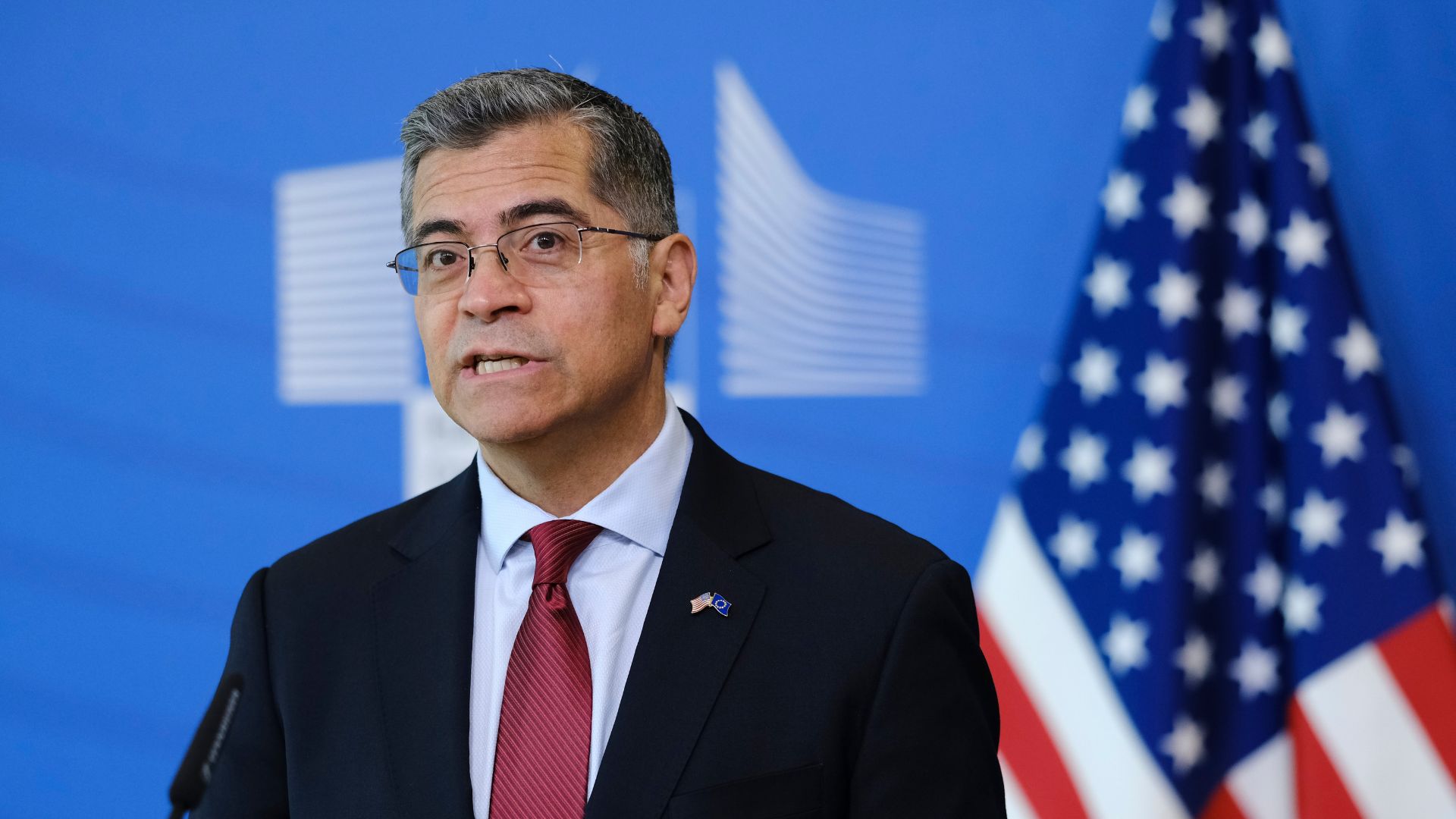
Gubernatorial candidate Xavier Becerra made his position clear during a Saturday appearance in Fresno. The Democrat, who previously served as California attorney general, a U.S. representative, and secretary of health and human services under President Joe Biden, told the crowd he would scrap the current plan, though not the project itself. “I’m going to scrap the current configuration, and I’m going to make sure we finish,” he said. “But we’ve got to do it on budget and on time.”
Becerra did not lay out specific changes he would make to the current plan. His campaign, however, pointed to progress already made on the ground. Spokesperson Jonathan Underland told Newsweek that nearly 80 miles of guideway are complete, along with bridges, viaducts, and overpasses, and that Becerra’s focus now is clearing every approval delay and bottleneck holding the next phase back.
A Project That Began With a 2008 Ballot Measure Has Faced Delays Ever Since
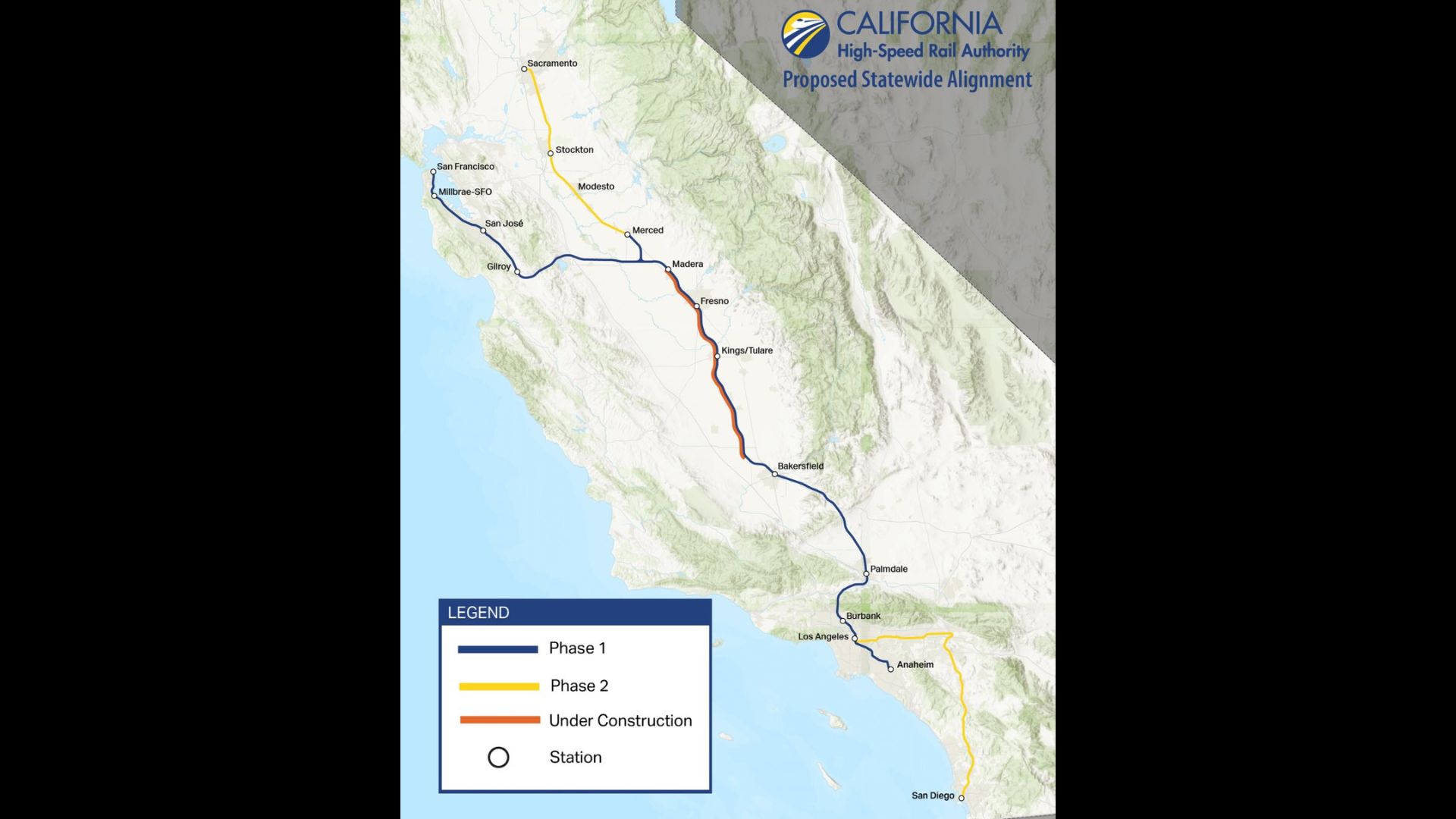
Voters narrowly approved the rail project in 2008 through Proposition 1A, which authorized nearly $10 billion in bonds, including $9 billion for planning and construction, for an 800-mile system linking San Francisco and Los Angeles. Even before construction began, a 2006 estimate had already placed the total cost at around $45 billion, and that figure predated inflation.
Federal funding for the project shifted significantly in 2019, when the Trump administration canceled nearly $1 billion following a dispute with Governor Gavin Newsom. The project had moved forward with federal backing through the Obama years, making the reversal a turning point. President Biden later restored support, adding $3.1 billion through the Infrastructure Investment and Jobs Act, though by then the project faced a shortfall of at least $7 billion just to complete an initial 171-mile segment between Merced and Bakersfield.
Uncertainty over the project deepened in July 2025, when the Trump administration canceled $4 billion in federal grants, followed by an additional $175 million cut in August. California sued but dropped the case in December 2025, saying it no longer viewed the federal government as a dependable partner. California lawmakers also passed reforms last summer loosening environmental review requirements, which Newsom described as a path to delivering on the state’s high-speed rail vision without sacrificing environmental oversight.
Candidates Are Divided, and Polls Show Most Californians Want It Finished
The rail project has become one of the clearest dividing lines in the governor’s race. Among Democrats, Antonio Villaraigosa said he would not cancel it and wants to expand transit, while Katie Porter expressed skepticism but said she wants to see it completed. Becerra has taken a different approach, saying the current configuration needs to go while still committing to finish the project.
Republican candidates have taken a harder line against the project altogether. Chad Bianco called it “a train to nowhere,” and Tony Strickland described it as a “mismanaged failure.” The upcoming primary includes a large field of Democrats alongside two Republican contenders, with recent polling showing varying leads for Republican Steve Hilton and Becerra depending on the survey, with a May Emerson College poll putting Becerra ahead by one point.
A POLITICO-Citrin Center-Possibility Lab poll conducted last year found that roughly 62 percent of Californians said they would have continued funding the project even without federal support. As of the latest updates from the High-Speed Rail Authority, 463 of the planned 494 miles have cleared environmental review and are considered construction-ready.
The Rail Project’s 2038 Target Depends on Who Takes the Governor’s Office
Becerra centered much of the Fresno appearance on his Central Valley roots, arguing that communities in the region have too often been overlooked by state leaders. He framed his commitment to finishing the rail project as part of that promise, telling the crowd the Valley would not be forgotten under his watch. California State Assembly Speaker Robert Rivas also attended, publicly backing his campaign.
That appearance came as Becerra was making his final push through the Central Valley ahead of the June 2 primary vote. His rail remarks drew attention at the event, though he has not yet detailed what changes he would make to the current configuration, what the restructured plan would look like, or how he would fund the work still ahead.
The current completion estimate of early 2038 is contingent on continued state-level support, meaning the outcome of that vote carries real weight for the project. Whoever succeeds Newsom will inherit a system with significant infrastructure already in place and significant distance still to cover. Becerra’s pledge to finish under a new configuration puts the question squarely before voters: not whether to build it, but how.