California Forever Loses $3.2 Billion Shipyard Project to Texas, Raising Job Concerns
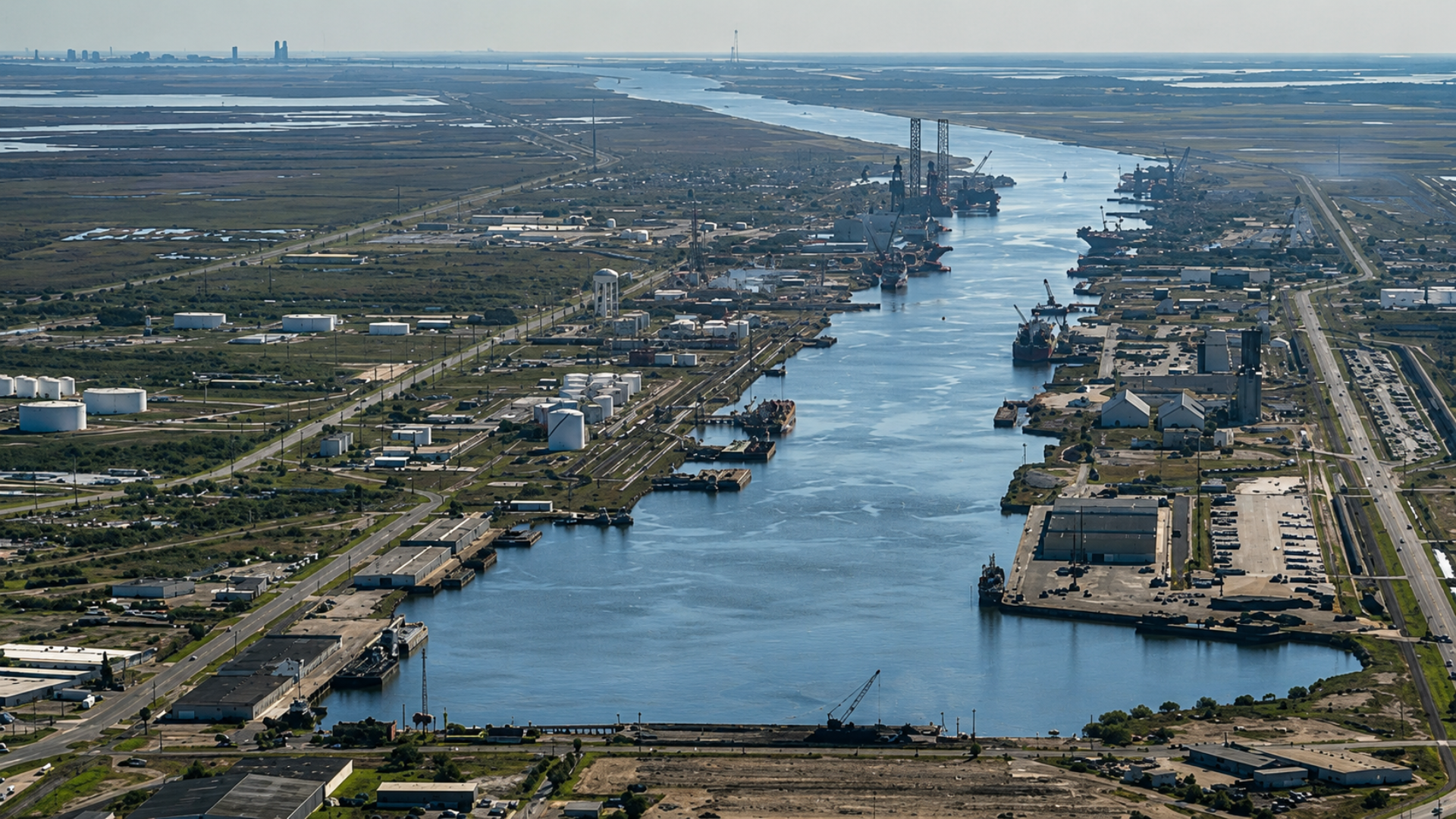

California Forever spent months pitching its Solano County land as the ideal spot for a massive new shipyard, backed by Pacific Ocean access and a defense contractor eager to build. Last week, that pitch fell apart. Saronic Technologies, the company behind the $3.2 billion project, chose Texas instead. The rejection lands as another setback for a group already known for one of California’s most controversial land deals in recent memory.
Saronic builds autonomous ships under contract with the U.S. government, including drones recently used in a Navy operation against a naval base in Iran and in a pilot rescue in the Strait of Hormuz. The company had narrowed its shipyard search to several finalists, with the Solano site among them. Instead, Saronic awarded the contract to the Port of Brownsville, citing Texas as the faster path to breaking ground.
California Forever did not stay quiet about the loss. The group issued a joint statement Thursday calling itself “extremely frustrated that California lost this historic opportunity.” That frustration points directly at the state’s permitting process, which the group says could not move fast enough to compete with Texas. Understanding why California lost this deal means looking closely at what Saronic actually gained by choosing Brownsville instead.
Texas Promised Saronic Speed That California Couldn’t Match

Saronic didn’t just choose Texas for its scenery. It chose Texas because California Forever’s own permitting timeline couldn’t keep pace with what the company needed. California Forever acknowledged as much directly in its statement, explaining that despite significant state-level support, the approval process simply moved too slowly for a project tied to national defense priorities.
The group’s statement laid blame squarely on regulatory speed, not on the merits of the Solano site itself. “Despite the incredible hard work of the Newsom Administration, GO-Biz, and numerous business, labor, education, and community leaders, our approval process cannot accommodate the required speed without special legislation,” the statement said. California Forever argued that state timelines simply weren’t built for “the speed required by America’s national defense needs.”
That explanation reframes the loss as a systemic problem rather than a failure specific to California Forever’s pitch. If accurate, it suggests California’s regulatory pace could cost the state other high-value defense and manufacturing contracts in the future, regardless of how attractive a given site’s location or infrastructure might otherwise be to companies racing against tight government deadlines.
Brownsville’s $160 Billion Promise Dwarfs What Solano County Was Offered
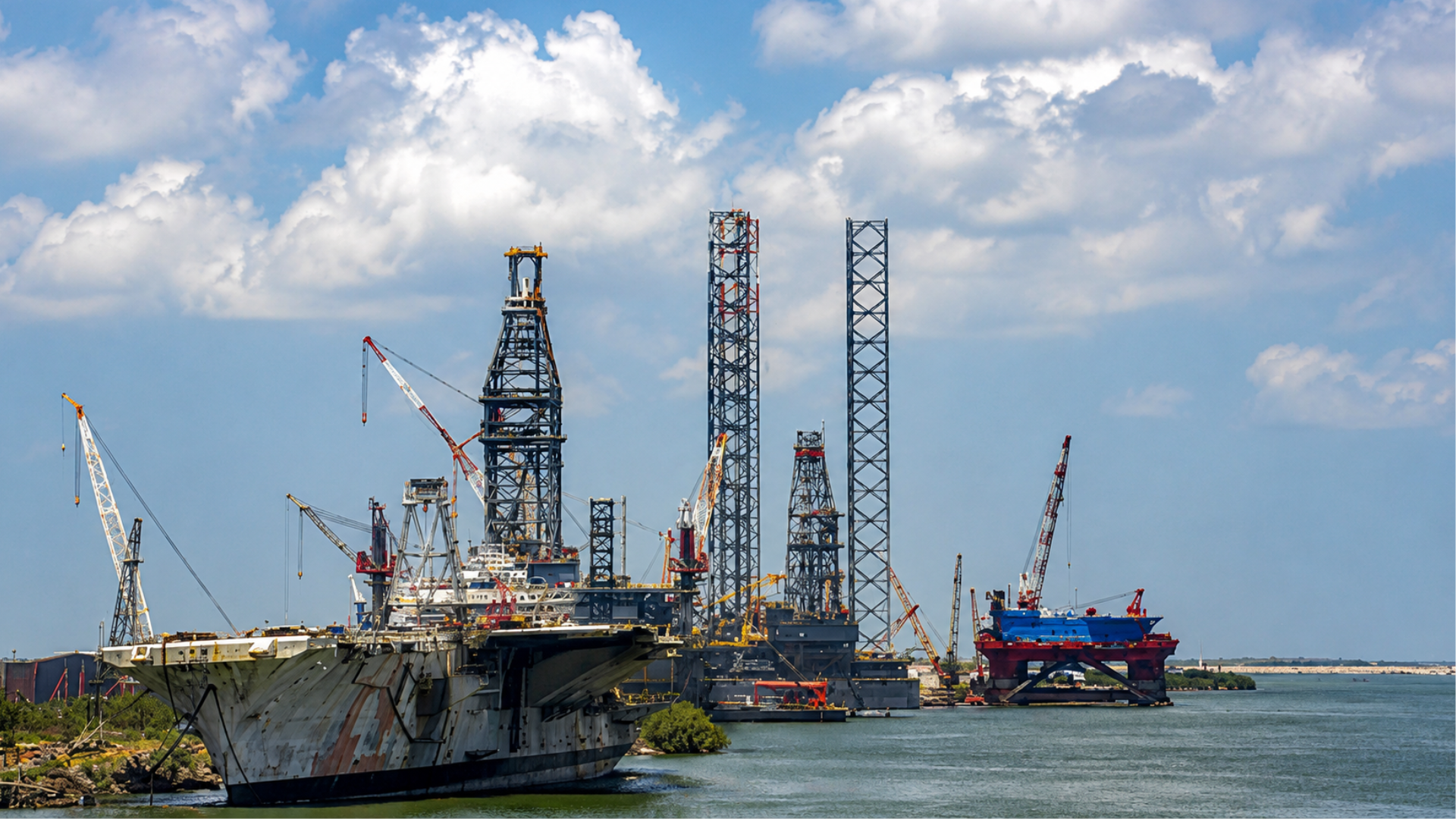
Texas didn’t just win on speed. It won with numbers that are hard to overstate. In a press release announcing the decision, Saronic projected the shipyard will generate $160 billion for Cameron County, calling it “one of the largest economic development projects in modern Texas history.” Construction is scheduled to begin this year, with the port fully operational by 2028.
That kind of economic promise is exactly what Solano County stood to gain, and lost, when Saronic walked away from the Suisun Bay site. California Forever had marketed the location specifically for its Pacific Ocean access, positioning it as a natural fit for shipbuilding. The pitch made sense geographically. It simply couldn’t compete with a Texas timeline built for defense-speed construction.
The San Francisco Chronicle has reported that California Forever is now trying to attract other manufacturers to the same property, hoping to salvage some version of its industrial pivot. Whether another company steps in remains uncertain. What’s clear is that the shipyard deal represented one of the clearest, highest-dollar validations California Forever’s manufacturing strategy had received, and it just went to a different state entirely.
A Lost Shipyard Won’t Stop California Forever’s Bigger, Riskier Bet

Losing a $3.2 billion contract would derail most companies’ long-term plans. California Forever appears undeterred. Earlier this year, the group reaffirmed its original, far larger ambition: building an entirely new city for 400,000 people on its Solano County land, a construction timeline the group describes as running “non-stop” for the next 40 years.
That number is worth sitting with. Adding 400,000 residents to Solano County would nearly double the county’s entire population. California Forever’s shipyard pitch was always framed as a short-term pivot, a way to generate momentum and credibility while the group’s original, deeply unpopular city-building vision waited in the background for its moment to return.
The shipyard rejection reveals something the group’s public statements don’t quite say outright: California Forever’s setbacks keep accumulating, from a scrapped 2024 ballot measure to a lost defense contract worth billions, yet the underlying 40-year city-building plan hasn’t shrunk at all. For a group already known for its outsized ambitions, losing to Texas may end up being remembered as a footnote, not a turning point.