California Condo Owners Face New Insurance Worries Even Outside Fire-Risk Areas

You’d assume good behavior protects you from financial disaster. Not always. One Los Angeles condo owner paid his premiums on time for a decade, never missed a mortgage payment, and lived in a flat neighborhood far from any fire zone. Last week, Liberty Mutual canceled his policy anyway, effective October 3. No claims history explained it. No property issue triggered it. Just a blanket decision tied to the insurer’s broader retreat from California entirely.
This Owner Built His Life Around One Small Condo

He moved to California a decade ago chasing stability and opportunity. After years of saving in shared houses and rented rooms, he bought his first home in 2016, a condo in Mar Vista near Venice Beach. He’s paid more than $1,300 annually in insurance since before closing. Renovations followed for years: new floors, retiled fireplaces, fresh paint throughout. That steady investment now sits exposed, with no clear path to new coverage in sight.
The Cancellation Notice Blamed Broad Statewide Risk, Not His Home

Liberty Mutual’s email cited factors far beyond his specific property. The message pointed to “catastrophic weather events” and wildfires that have caused “billions of dollars in losses for insurers” statewide. Inflation and rising construction costs were also listed as contributing reasons. The company stated its primary goal was reducing exposure “especially in regions with high susceptibility to catastrophic events, like California.” His calls asking about alternative coverage options have gone unanswered so far.
His Neighborhood Isn’t Even in a High Fire-Risk Zone

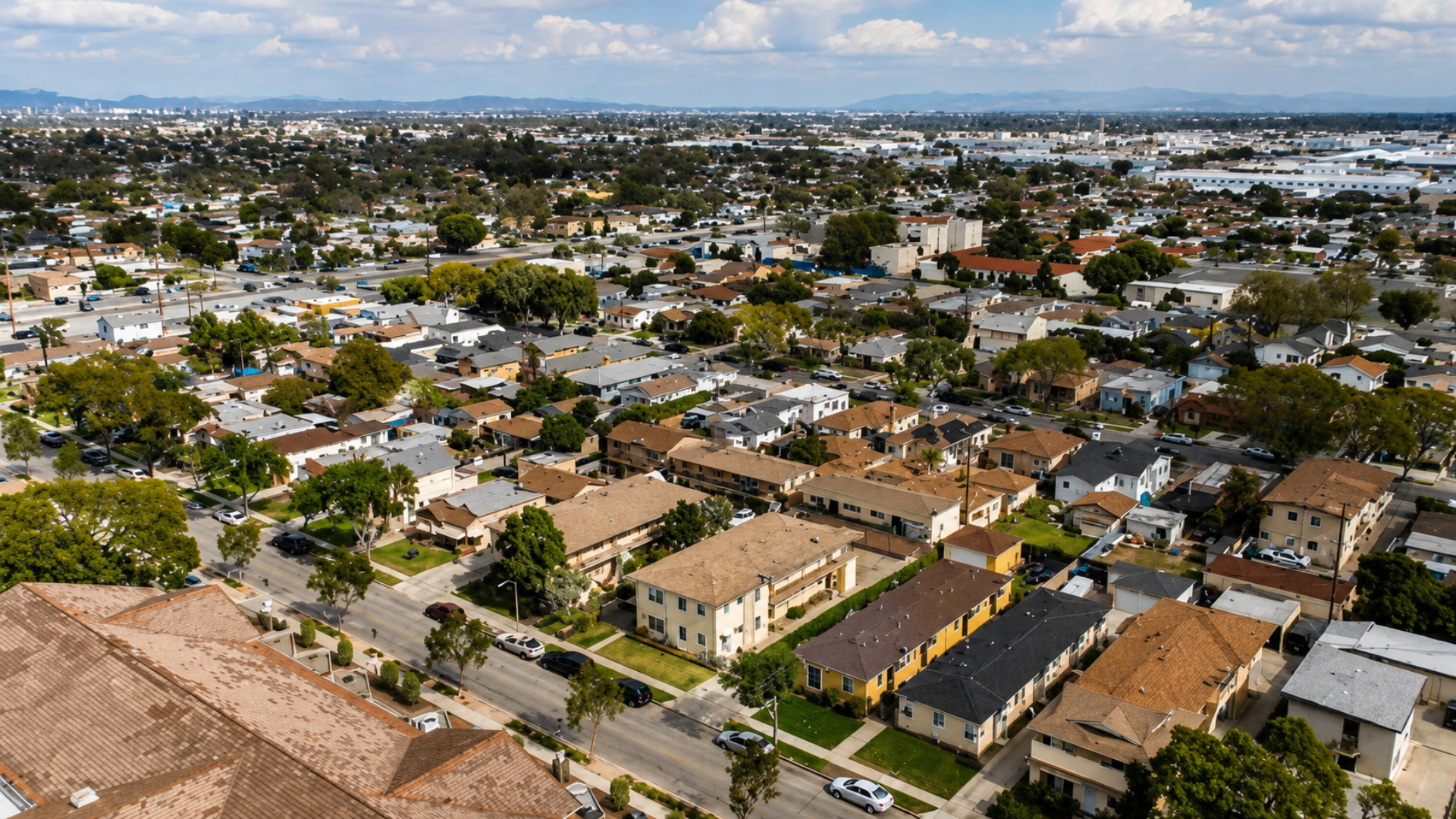
This is where his frustration sharpens considerably. Mar Vista is a mostly flat residential neighborhood, not an area typically associated with wildfire danger. Yet insurers across California are non-renewing policies broadly, often citing wildfire risk as a blanket justification regardless of specific location. His seismically retrofitted building and well-maintained condition apparently made no difference in Liberty Mutual’s decision. The cancellation reflects a company-wide retreat rather than any assessment tied to his actual risk profile.
Earthquake Risk, Not Fire, Is the Threat Actually Looming Over Him
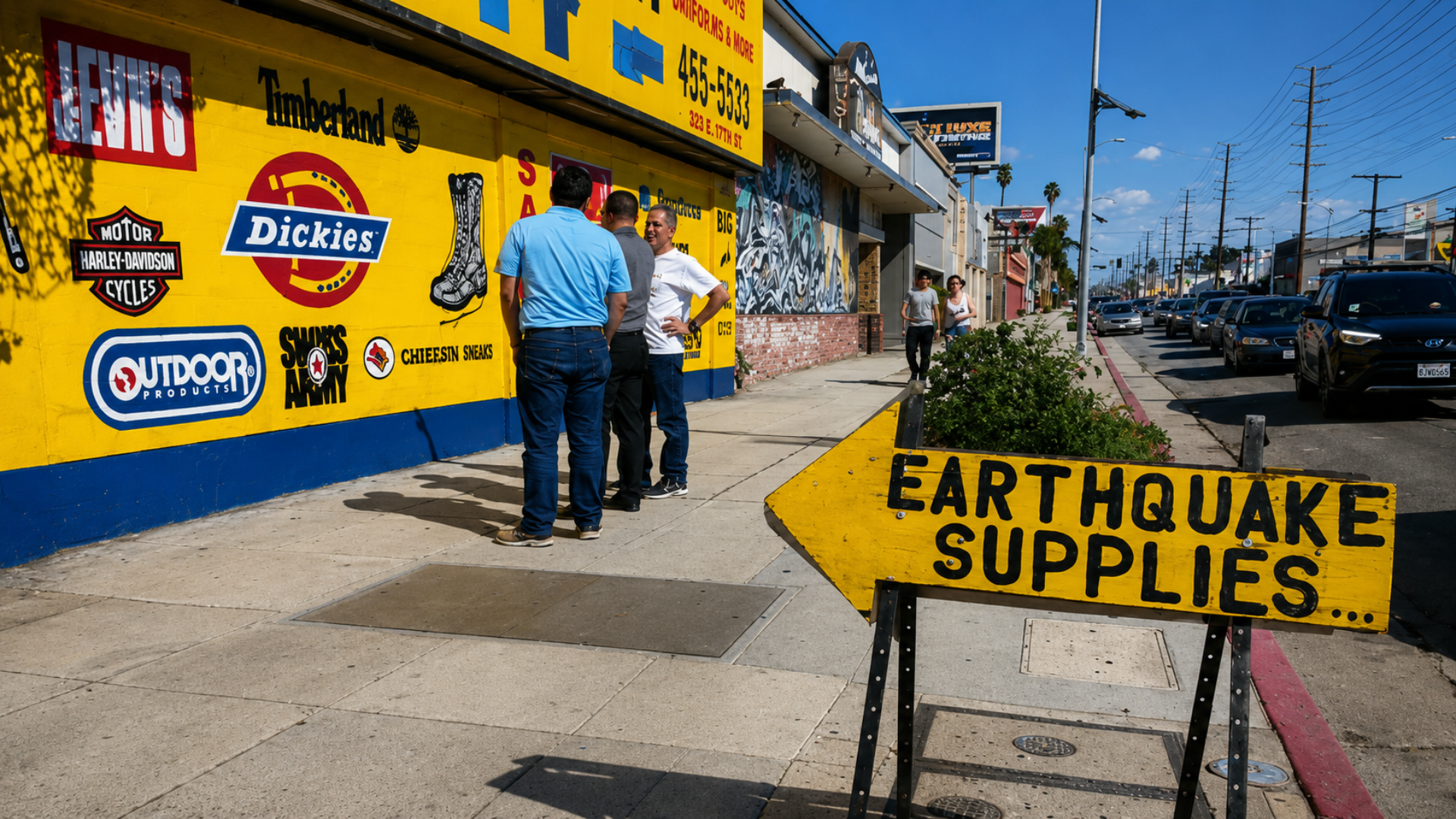
If any disaster genuinely threatens his area, it’s seismic activity, not flame. The U.S. Geological Survey estimates roughly a 60% chance of a magnitude 6.7 or larger earthquake hitting Southern California within the next 30 years. The California Earthquake Authority puts that probability even higher, at 99%, citing 15,000 fault lines across the region. That makes reliable coverage especially critical for homeowners like him, even as insurers focus their retreat elsewhere.
He’s Not Alone, and That’s Exactly the Problem

This experience extends well beyond one condo in West LA. Insurers across Los Angeles and California are non-renewing policies at what many describe as alarming rates. Companies frequently cite wildfire risk, inflation, and catastrophic financial losses as their reasoning. For many homeowners, the timing compounds an already difficult financial moment. Elevated mortgage rates and rising gas prices have already stretched household budgets thin before insurance costs even entered the equation.
New Quotes Are Coming Back Far Higher Than His Old Premium

Finding replacement coverage has proven far harder and more expensive than expected. He begun calling brokers directly, and the quotes he’s receiving run significantly higher than what he previously paid. Some carriers have reportedly stopped writing new condo policies in parts of Los Angeles altogether. Earthquake coverage, given the region’s seismic risk, comes as an additional cost layered on top of already elevated premiums. Options are narrowing just as his need for protection grows more urgent.
He Understands Risk Management, But Not Being Left Behind

He doesn’t dispute that insurers need to manage financial exposure responsibly. His frustration centers on what happens when major companies withdraw from a market all at once. He describes herself and others like his as people who pay taxes, follow rules, and meet every financial obligation on time. Despite that, she feels abandoned in a state he’s invested years of work and money into calling home. That gap between responsible behavior and available protection defines his current situation.
His Advice to Others Starts With Acting Early

Rather than wait passively, he’s taken concrete steps of his own. He’s calling every broker he can reach, reading policy details closely, and reaching out to the California Department of Insurance for guidance. His advice to others facing similar non-renewals is to start shopping for replacement coverage as early as possible and document every interaction along the way. Early action, he believes, offers the best chance of finding workable options before a cancellation deadline arrives.
One Canceled Policy Reveals a Much Bigger Housing Problem
Go back to that notice arriving out of nowhere, despite a decade of responsible homeownership. His story reflects something larger than one insurer’s decision or one condo’s fate. It touches housing stability, financial fairness, and whether hardworking residents can still trust the systems meant to protect their biggest investments. California’s insurance crisis isn’t confined to fire zones or flood plains anymore. It’s reaching people who did everything right and still find themselves wondering what happens next.