California Beach Visitors Could Face $1,000 Fines Under New Clothing Rules


For more than six decades, San Gregorio Ranch let visitors sunbathe without a stitch of clothing on one of California’s most scenic stretches of coast. That freedom disappears this month. The 238-acre property along the San Mateo County shoreline is becoming part of San Gregorio State Beach, and with it comes a rule that never applied here before: clothing is now mandatory. Visitors who ignore it could face real legal consequences once the gates open.
California State Parks Bans Nudity Under New Ownership
San Gregorio Ranch is transferring from private hands into the California State Parks system, and that shift brings regulations that were never enforced here. Under Title 14 of the California Code of Regulations, nudity is prohibited on all state park land, including beaches. Officials confirmed the rule takes effect the moment the property opens to the public, ending a policy that had let visitors go nude without restriction since the 1960s.
Violators Could Face $1,000 Fines and Jail Time
The consequences for breaking the new dress code are steeper than many visitors might expect. According to KTVU’s reporting on the transition, anyone caught violating the nudity ban can be charged with a misdemeanor carrying a fine of up to $1,000 and possible jail time. Officials haven’t said how quickly enforcement will ramp up, but the penalty structure matches rules already in place at other California state parks.
Rangers Plan to Educate Before They Enforce

State park officials have signaled a gradual rollout rather than immediate crackdowns. Rangers will initially focus on informing beachgoers about the new rules rather than issuing citations, giving longtime visitors a grace period to adjust. Bonny Hawley, executive director of Friends of Santa Cruz State Parks, the nonprofit managing daily operations, said the agency plans to explain the change to the public before enforcement intensifies.
A Private Beach Ran Informally for Generations
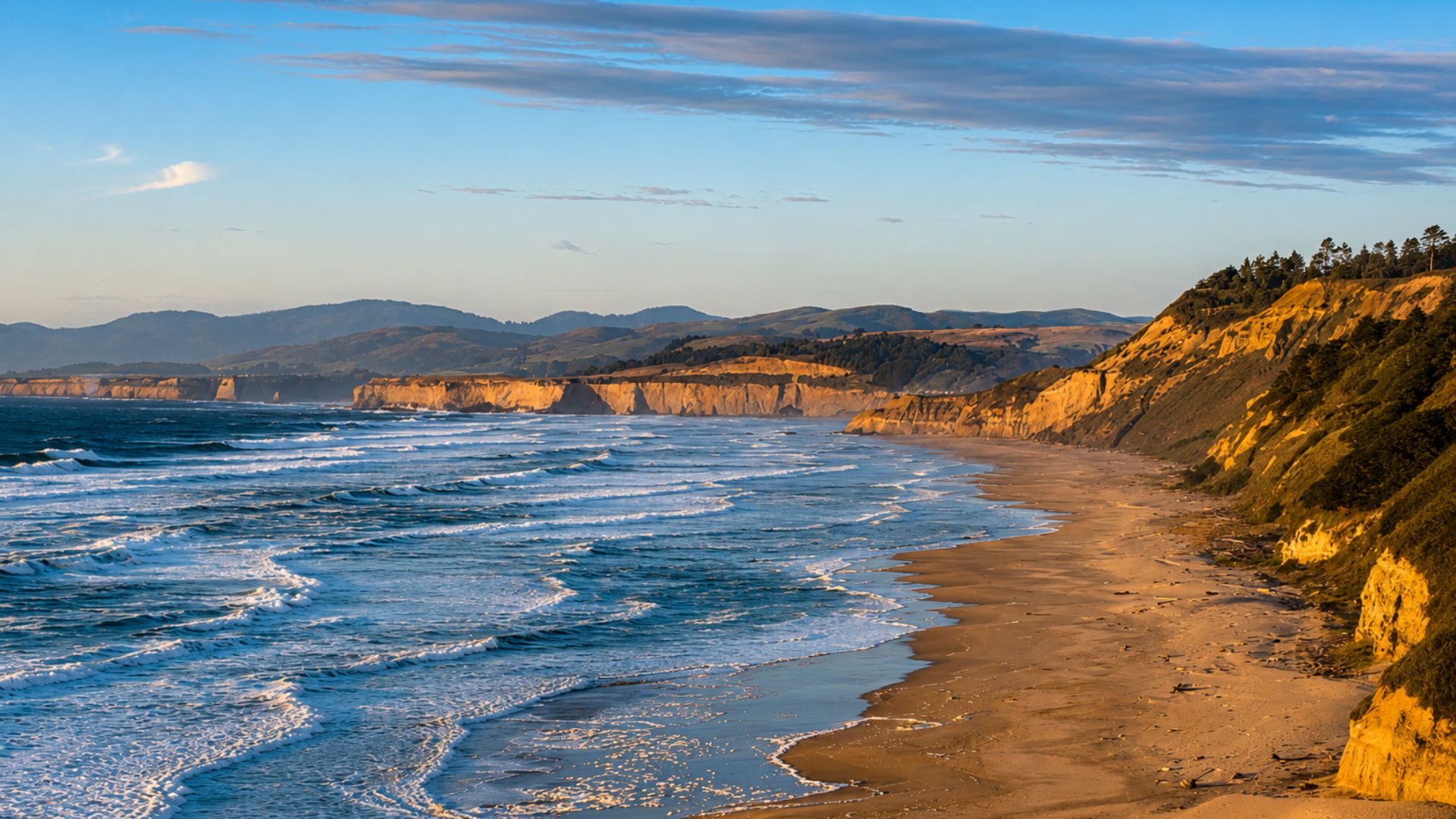
San Gregorio Ranch sits just north of the existing San Gregorio State Beach, near the intersection of Highway 1 and Highway 84. For decades, the clothing-optional stretch operated as informally tolerated private land, drawing sunbathers from across the Bay Area since the free beach movement took root there in the 1960s. It became one of the oldest and most recognized nude beaches in California, holding particular significance for the region’s LGBTQ+ community during the 1970s and ’80s.
Nonprofit Buys the Land for $10 Million
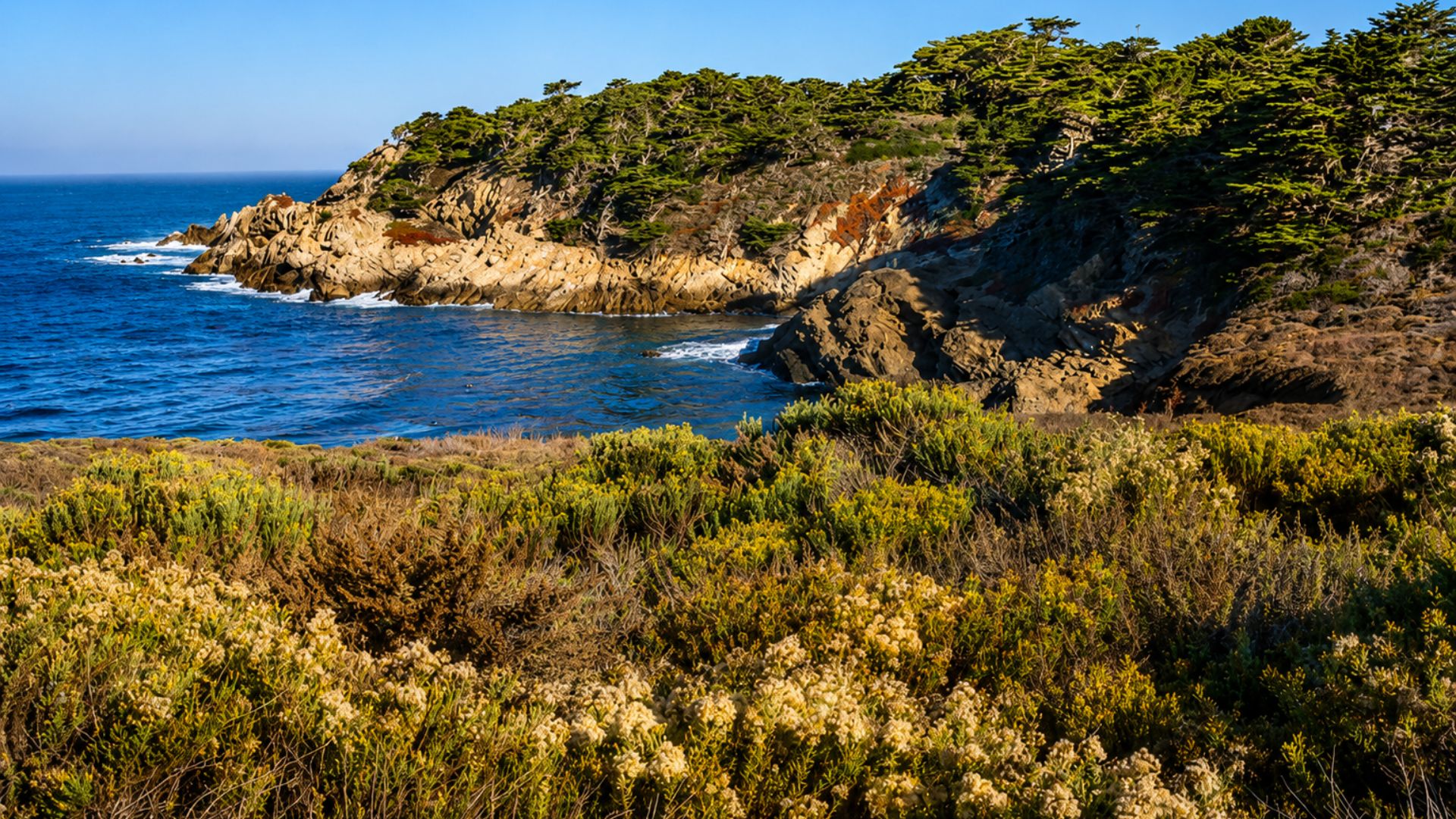
The Peninsula Open Space Trust, a Palo Alto conservation organization, purchased the 238-acre property last spring for $10 million. The nonprofit never planned to keep the land for itself. Instead, POST intended to donate the beach and its surrounding trails to California State Parks, folding the once-private stretch of coastline into the public park system permanently and settling any ambiguity over who controls access to the shoreline.
The Beach Grows by 50% Under New Ownership
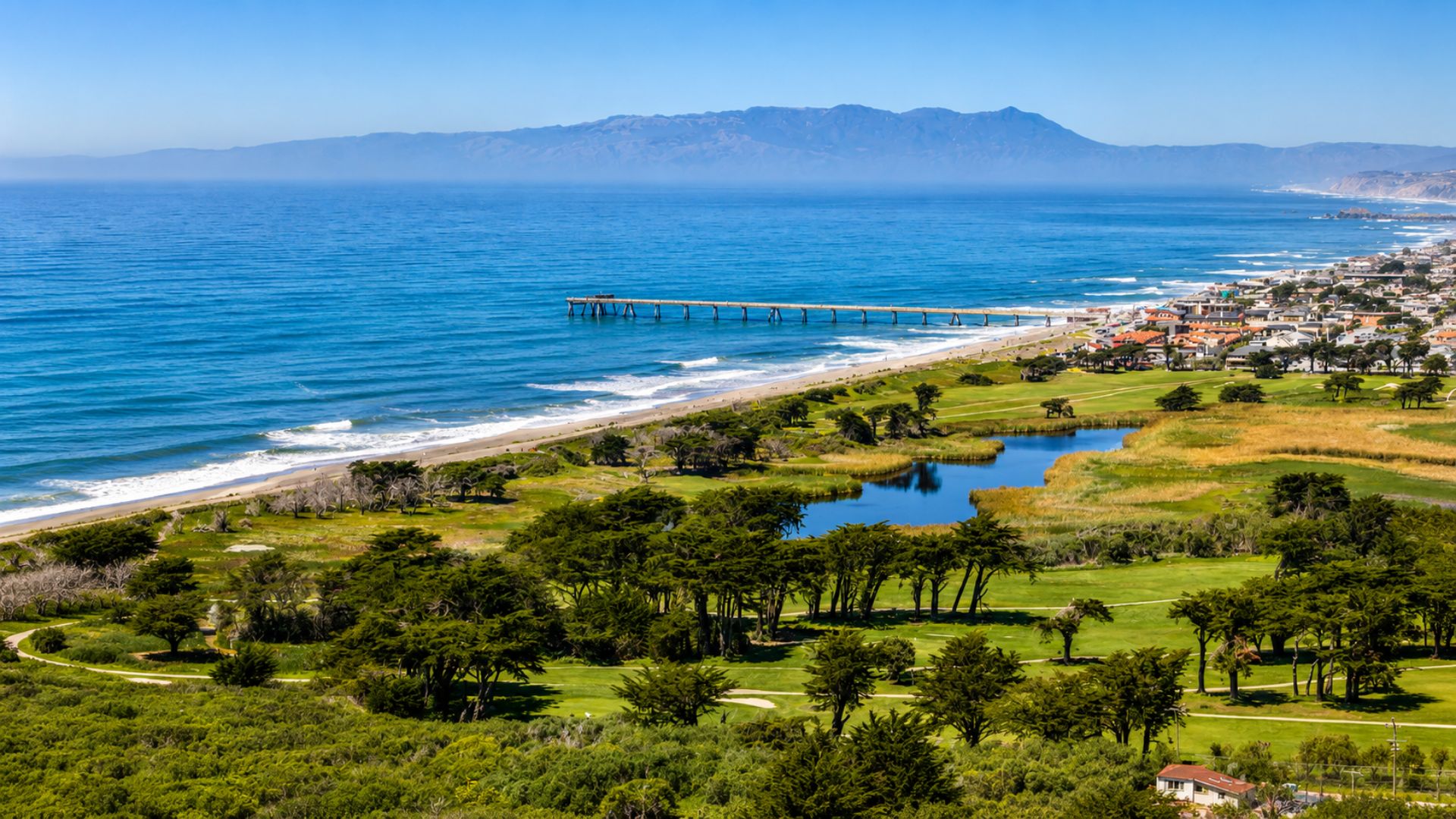
Once the transfer is complete, San Gregorio State Beach will expand by more than 50%, adding a half-mile of sandy shoreline, coastal bluffs, walking trails, and a pond to the existing park. State officials say the addition marks one of the largest coastal expansions in the area in years, giving the public formal access to land that had previously required informal permission, or outright trespassing, to enjoy.
Beach Reopens July 29 After Safety Upgrades

The property has been closed to the public while crews complete maintenance and safety improvements ahead of its debut as a state park. San Gregorio Ranch is scheduled to reopen July 29, operating daily from 8 a.m. until sunset under the management of Friends of Santa Cruz State Parks. Visitors will pay an entrance fee, and the clothing-optional chapter of the property’s history ends the moment the gates open.
Longtime Nudists Say They’re Losing Something Rare
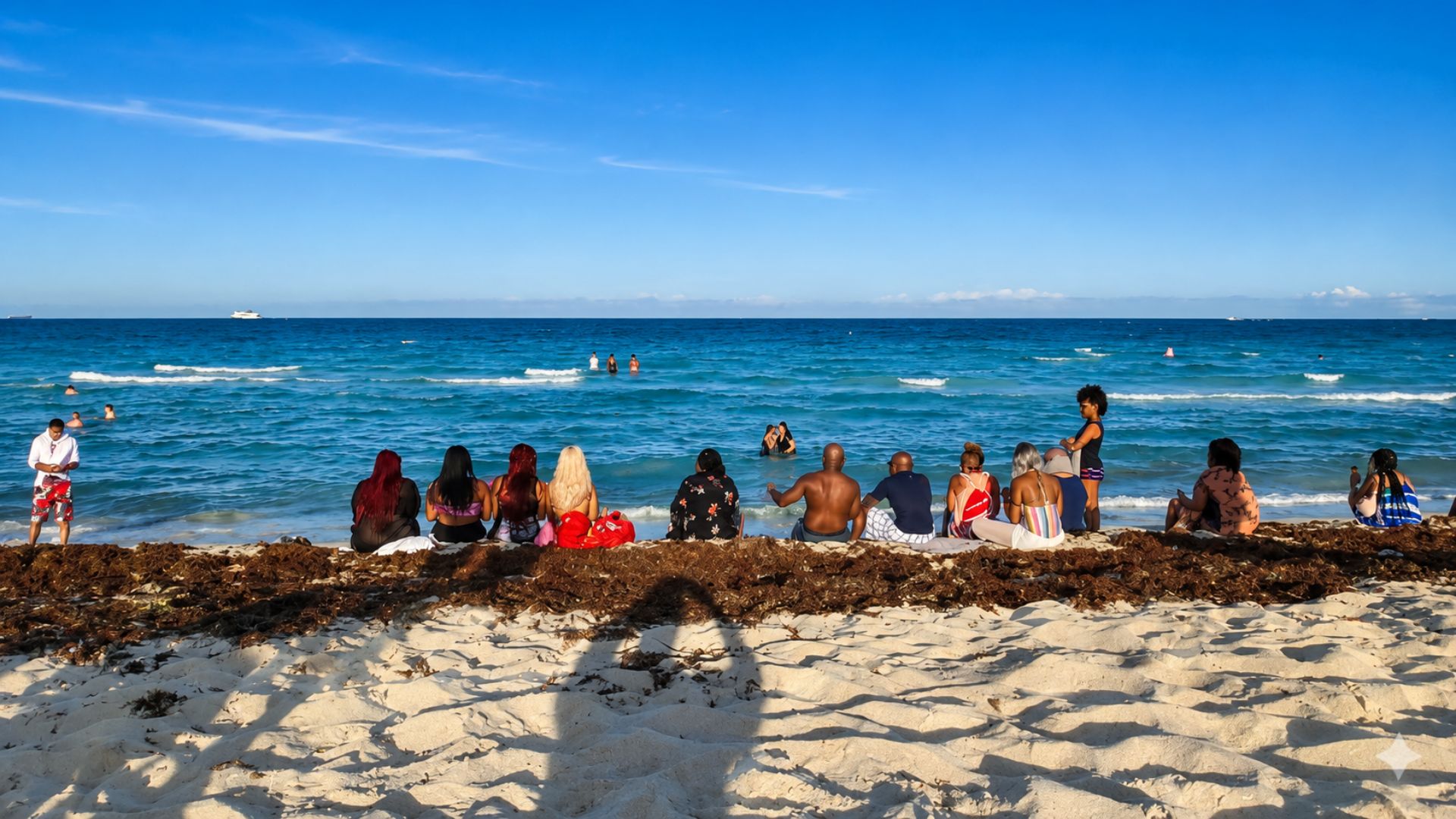
Not everyone welcomes the change. Naturists who have visited San Gregorio for decades argue the beach offered a level of openness disappearing from public spaces across California. Some have pushed back publicly, calling the new rule confusing given the beach’s remote, natural setting. Conservation advocates counter that the expansion secures permanent public access to land that could otherwise have faced development pressure, framing the tradeoff as a net win for the coastline.
A New Era Begins on California’s Coast
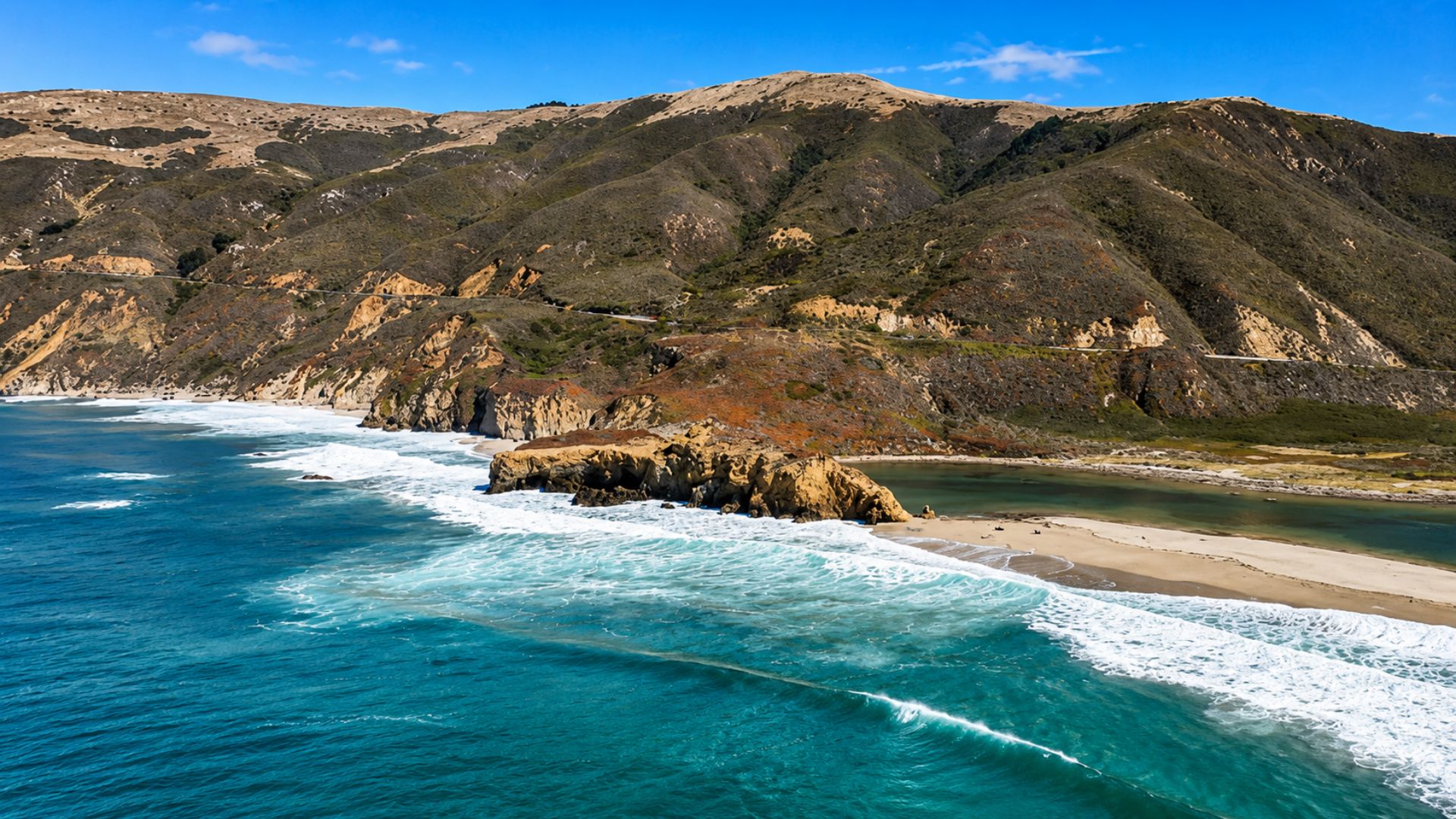
San Gregorio Ranch’s transformation closes a distinctive chapter in California beach culture while opening a new one focused on broader public access. The property’s decades as an unregulated, clothing-optional retreat give way to a managed state park bound by the same rules that govern beaches statewide. For longtime visitors, the change ends a tradition. For the wider public, it secures permanent access to a rare piece of coastline that might otherwise have stayed out of reach.