California Advances Bill to Allow Plug-In Solar Without Permits or Installers. Here’s What It Could Mean for Homeowners
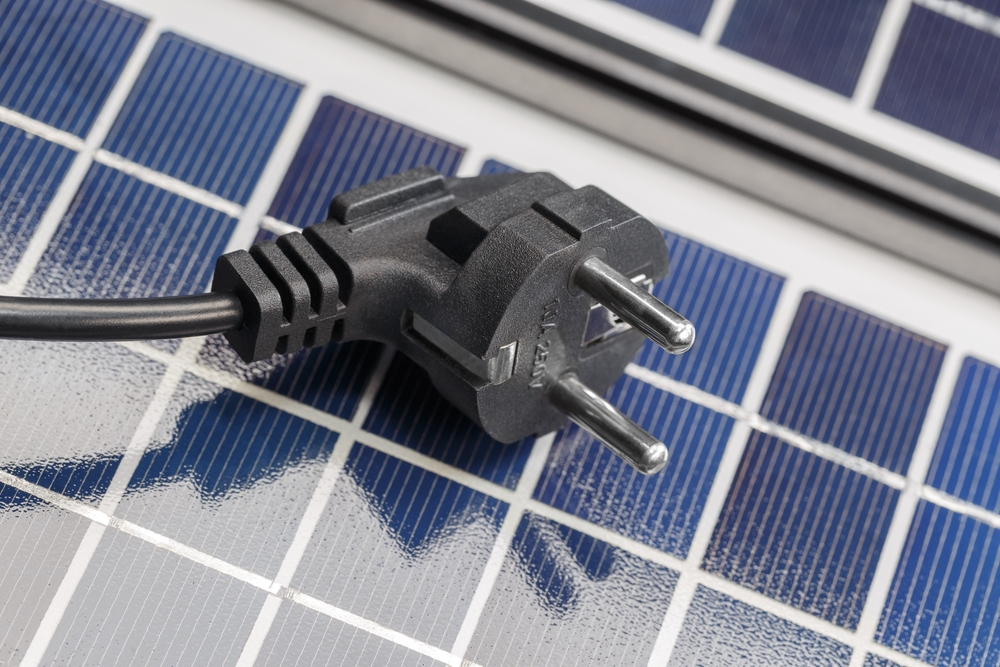

For decades, going solar has often meant permits, inspections, contractor visits, and thousands of dollars in upfront costs. California lawmakers are now considering a proposal that could dramatically simplify that process, allowing residents to generate their own electricity with solar panels that plug directly into a standard household outlet.
The proposal, known as Senate Bill 868 or the Plug and Play Solar Act, recently passed the California Senate on a 35-1 vote and is now moving through the Assembly. If approved, it would create a legal framework for plug-in solar systems that produce up to 1,200 watts of electricity and connect through a standard 120-volt outlet using a small inverter. Unlike traditional rooftop solar installations, these systems would not require utility interconnection approvals, permitting fees, or professional installation.
Supporters say the bill could open solar energy to millions of Californians who have historically been left out of the market, including renters, apartment dwellers, condominium residents, and homeowners who cannot justify the expense of a full rooftop system. With electricity costs continuing to rise across the state, lawmakers and advocates see plug-in solar as a way to make clean energy more accessible and affordable.
What Plug-In Solar Actually Looks Like
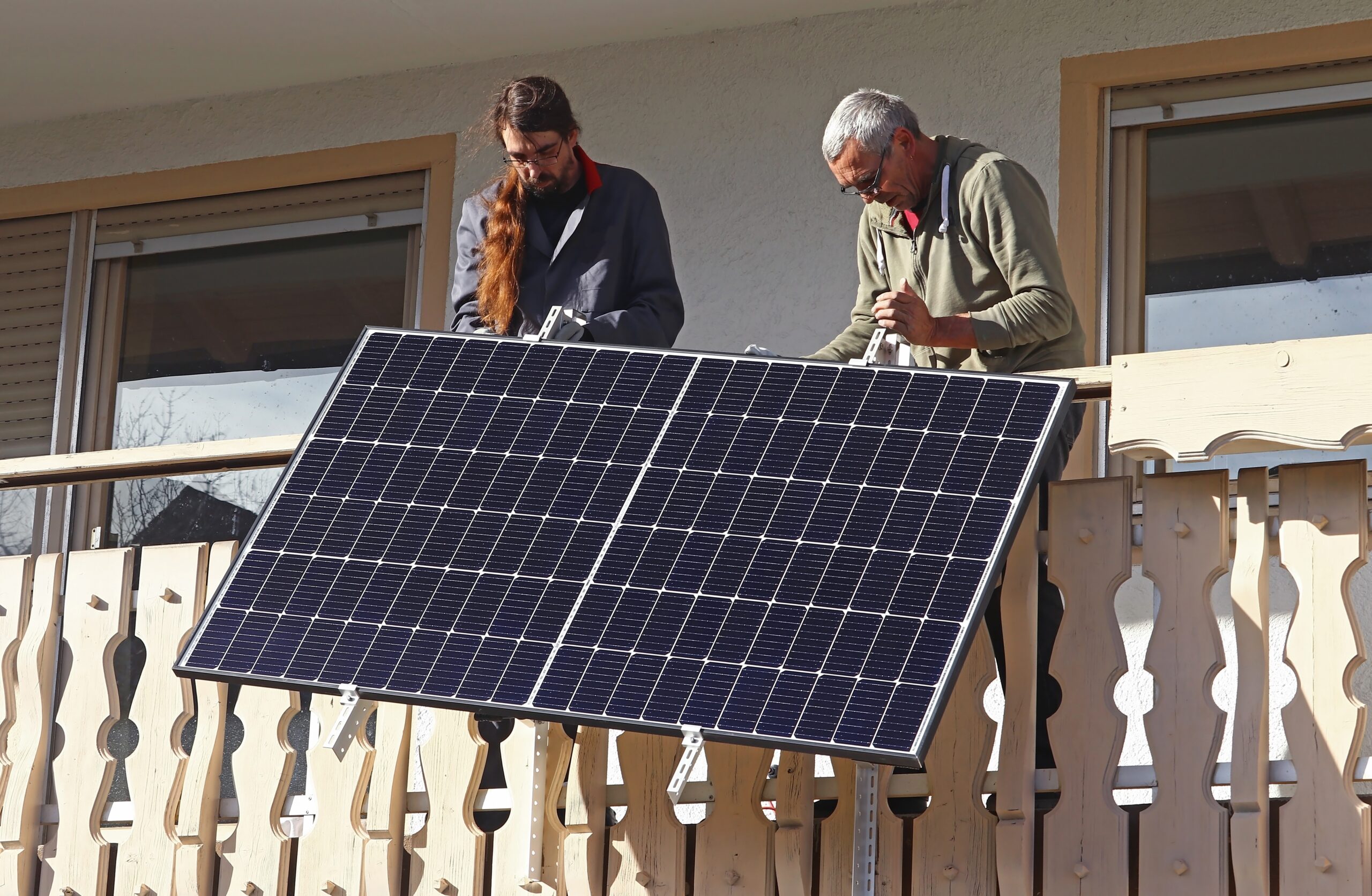
Unlike traditional solar arrays that require roof mounting, electrical permits, and utility paperwork, plug-in solar systems are designed to be small, portable, and easy to install. A typical setup may consist of a few solar panels connected to a microinverter, allowing electricity generated during the day to flow directly into the home’s electrical system through a standard outlet.
The technology has already gained popularity in parts of Europe, where so-called “balcony solar” systems are common in apartments and smaller residences. California’s proposal would establish clear rules for similar systems in the state, providing legal certainty for consumers and manufacturers alike. Advocates argue that the simplicity of installation could remove many of the barriers that have slowed solar adoption among people who do not own single-family homes.
Supporters also emphasize that these systems are intended to reduce electricity consumption rather than serve as backup power during outages. A 1,200-watt plug-in system can help offset daytime electricity use, but it is not designed to run an entire home when the grid goes down. Instead, the primary benefit is lowering utility bills through small-scale energy generation.
Why Advocates Believe the Economics Are Attractive

The appeal of plug-in solar is rooted largely in cost. Traditional rooftop solar systems can require significant investments and professional installation, while plug-in systems are expected to cost substantially less because they eliminate permitting expenses and labor charges. Some industry estimates suggest costs could continue falling as adoption increases and more products enter the market.
Supporters point to California’s high electricity rates as a major reason the technology could gain traction. Discussions among solar advocates suggest that even relatively small systems may generate meaningful annual savings, particularly in areas served by utilities with some of the nation’s highest residential power rates. Because the systems generate electricity during daylight hours, households can reduce the amount of energy they need to purchase from the grid.
The portability of plug-in solar may also prove attractive. Unlike rooftop systems that stay with a property, many plug-in units can be moved when a resident relocates. That flexibility could make solar ownership practical for renters, a group that has traditionally had limited access to residential renewable energy options.
The Opportunities and Questions Still Ahead

While the proposal has attracted broad support, questions remain about how plug-in solar systems will integrate into existing electrical infrastructure. Some industry observers have raised concerns about safety standards, electrical circuit limits, and ensuring that systems include proper protections to prevent power from flowing back into the grid during outages. Manufacturers and policymakers continue to debate how those safeguards should be implemented.
The bill also faces additional legislative hurdles before becoming law. California lawmakers must still advance the proposal through the Assembly, and final approval would require the governor’s signature. Despite those uncertainties, supporters believe the measure reflects a broad shift toward making clean energy technologies easier to access rather than more complicated to install.
If enacted, California could become one of the largest markets yet for plug-in solar technology. In a state with abundant sunshine, high electricity costs, and millions of renters, the legislation would test whether a simpler approach to solar adoption can bring renewable energy to households that have long been excluded from the traditional rooftop model.