Buried for Centuries, These Archaeological Finds Are Truly Chilling

Archaeology often uncovers more than artifacts and ruins. Beneath layers of soil lie stories that are deeply unsettling and emotionally მძიმე. While popular culture romanticizes the field through films like Indiana Jones, reality can be far darker. Excavations sometimes reveal human suffering, forgotten tragedies, and chilling evidence of past lives. These discoveries force us to confront uncomfortable truths about history.
Hidden Graves of Indigenous Children Shock Nations
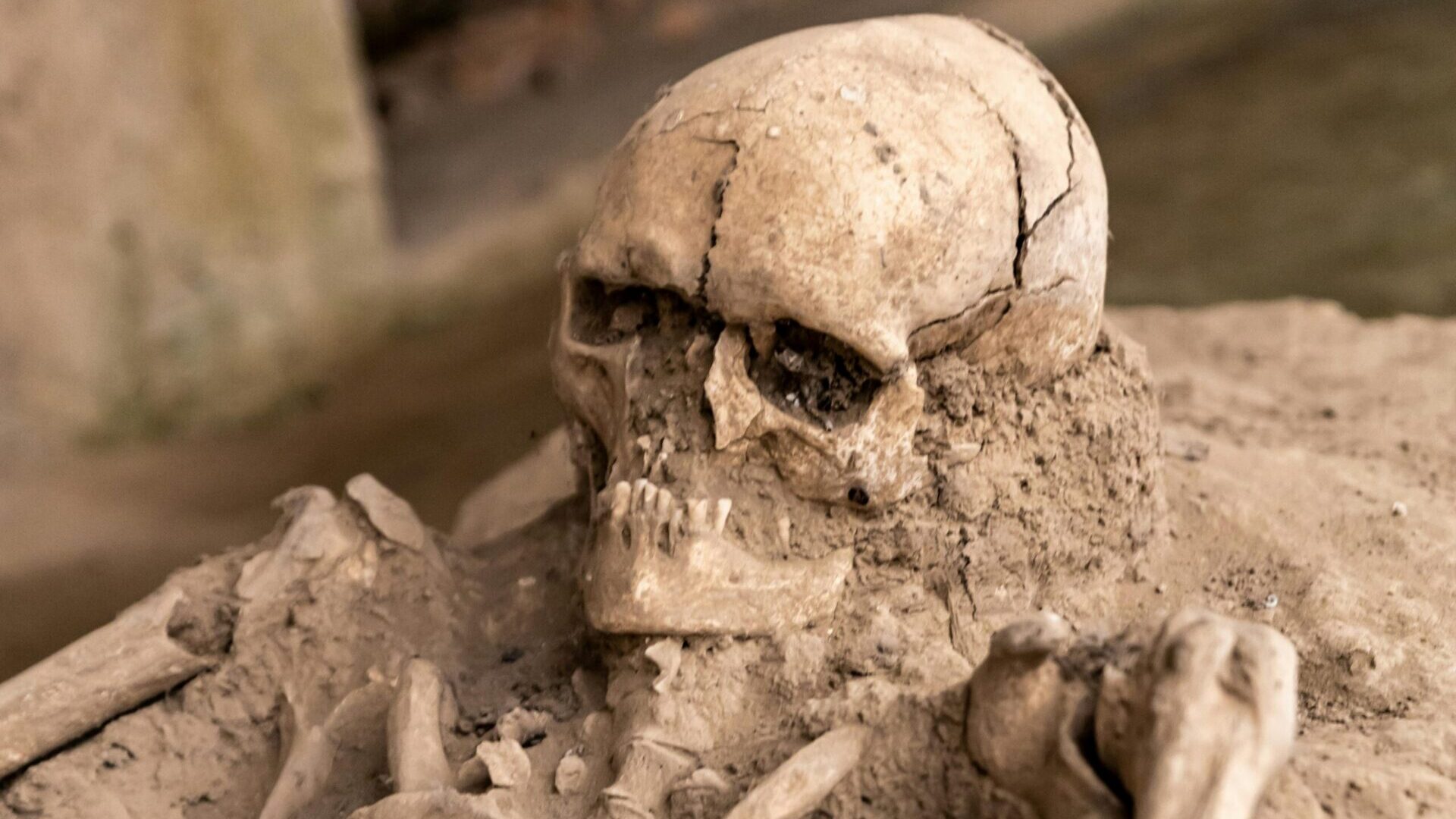
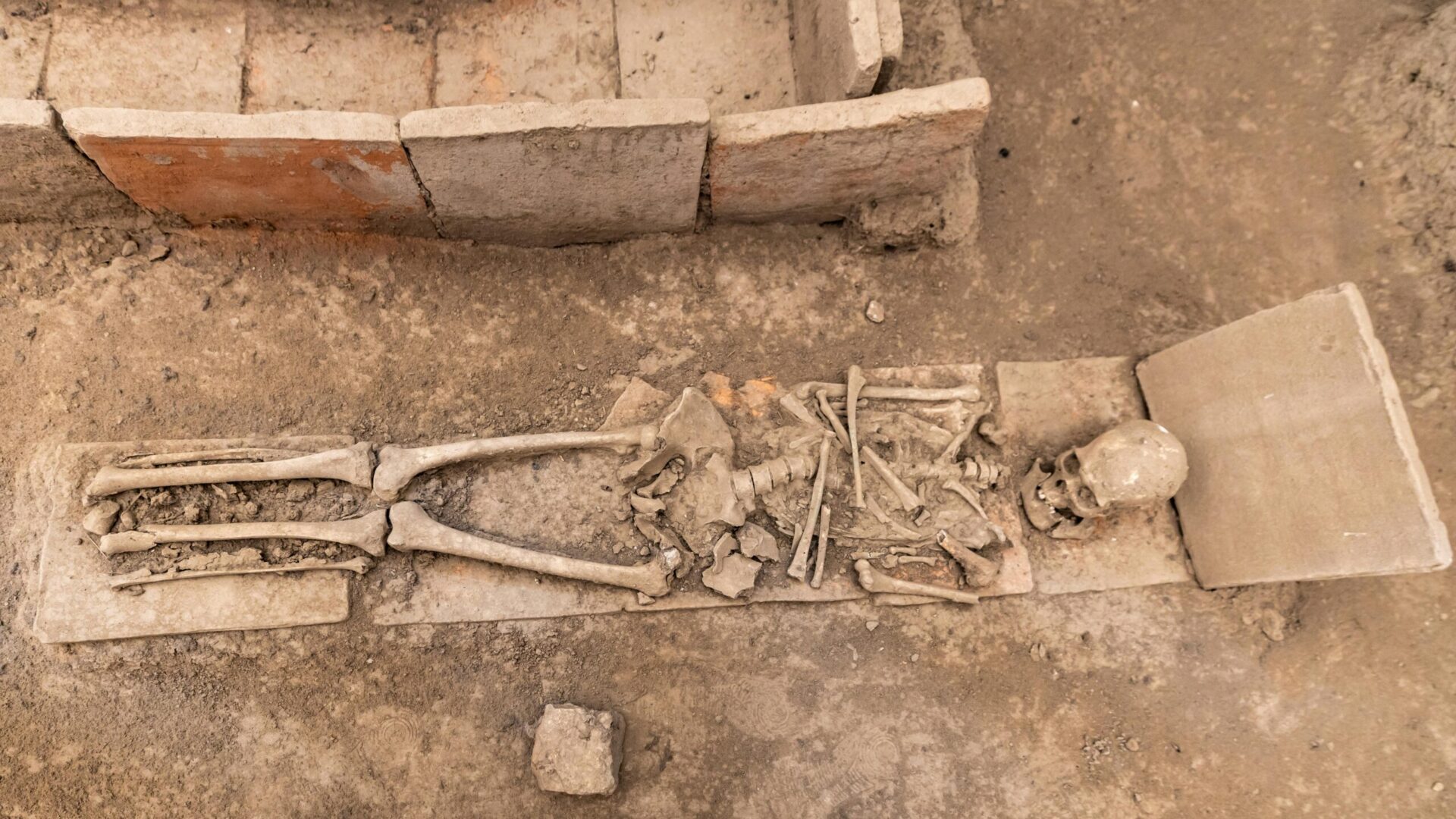
One of the most heartbreaking discoveries involves unmarked graves of Indigenous children across Canada and the United States. These burial sites were linked to residential schools where children were separated from their families. Thousands are believed to have died due to neglect, disease, and abuse. Many of these deaths were never officially recorded. The findings continue to spark outrage and calls for justice.
Ancient Temple Complex Raises Unsettling Questions
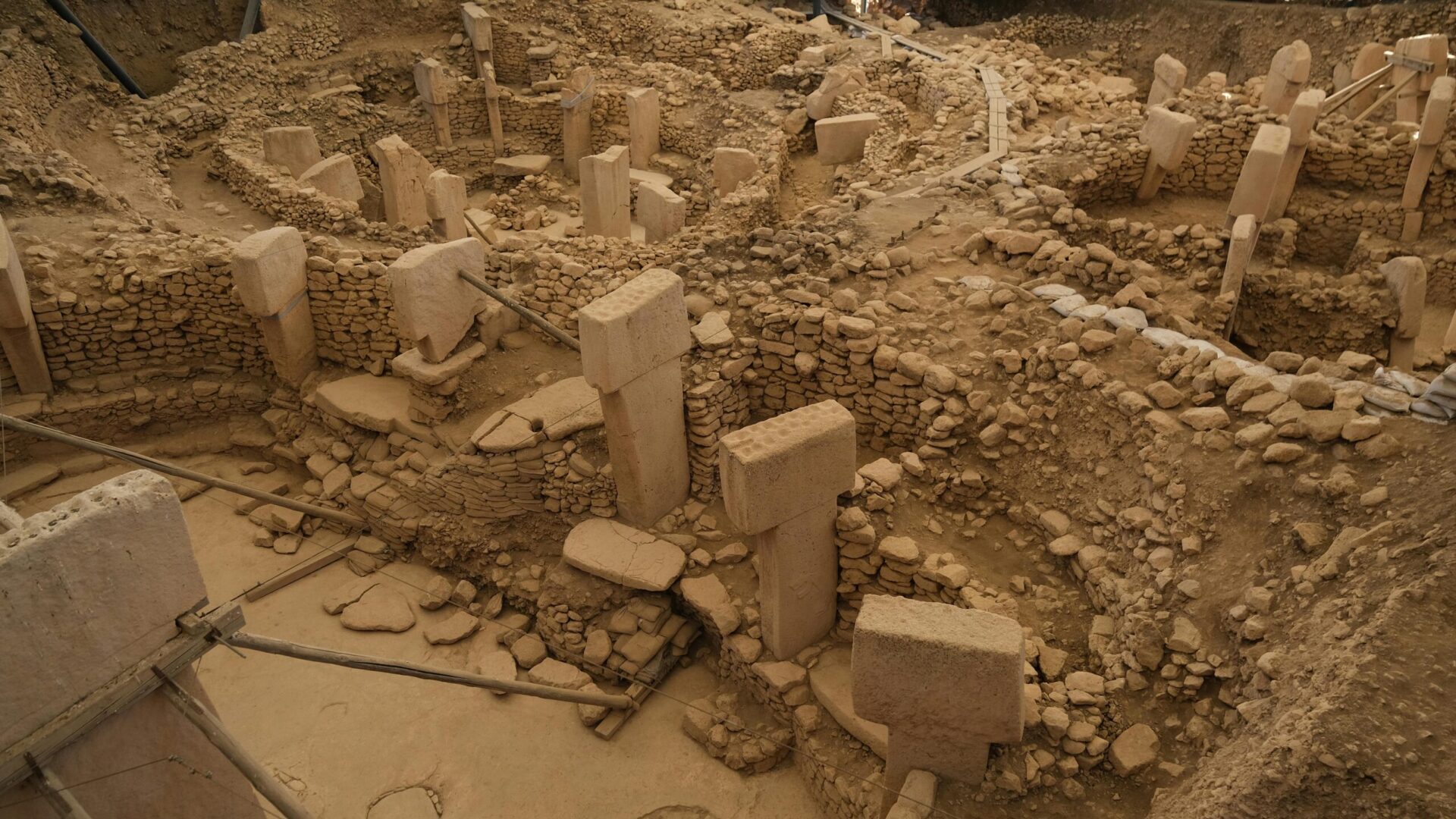
The site of Göbekli Tepe challenges everything we know about early civilization. Built around 10,000 BCE, it predates agriculture and written language. Massive stone pillars suggest coordinated labor on a remarkable scale. Yet the most mysterious aspect is its deliberate burial. Researchers still question why an entire monumental complex was intentionally hidden.
Mass Burial Site in Ireland Reveals Grim Past

At the Bon Secours Mother and Baby Home, over 800 children’s remains were discovered. The site once housed unmarried mothers and their infants. Many children died from malnutrition and neglect under institutional care. Their bodies were buried in unmarked graves, hidden for decades. The discovery exposed systemic abuse within religious institutions.
Melting Permafrost Reveals More Than Fossils
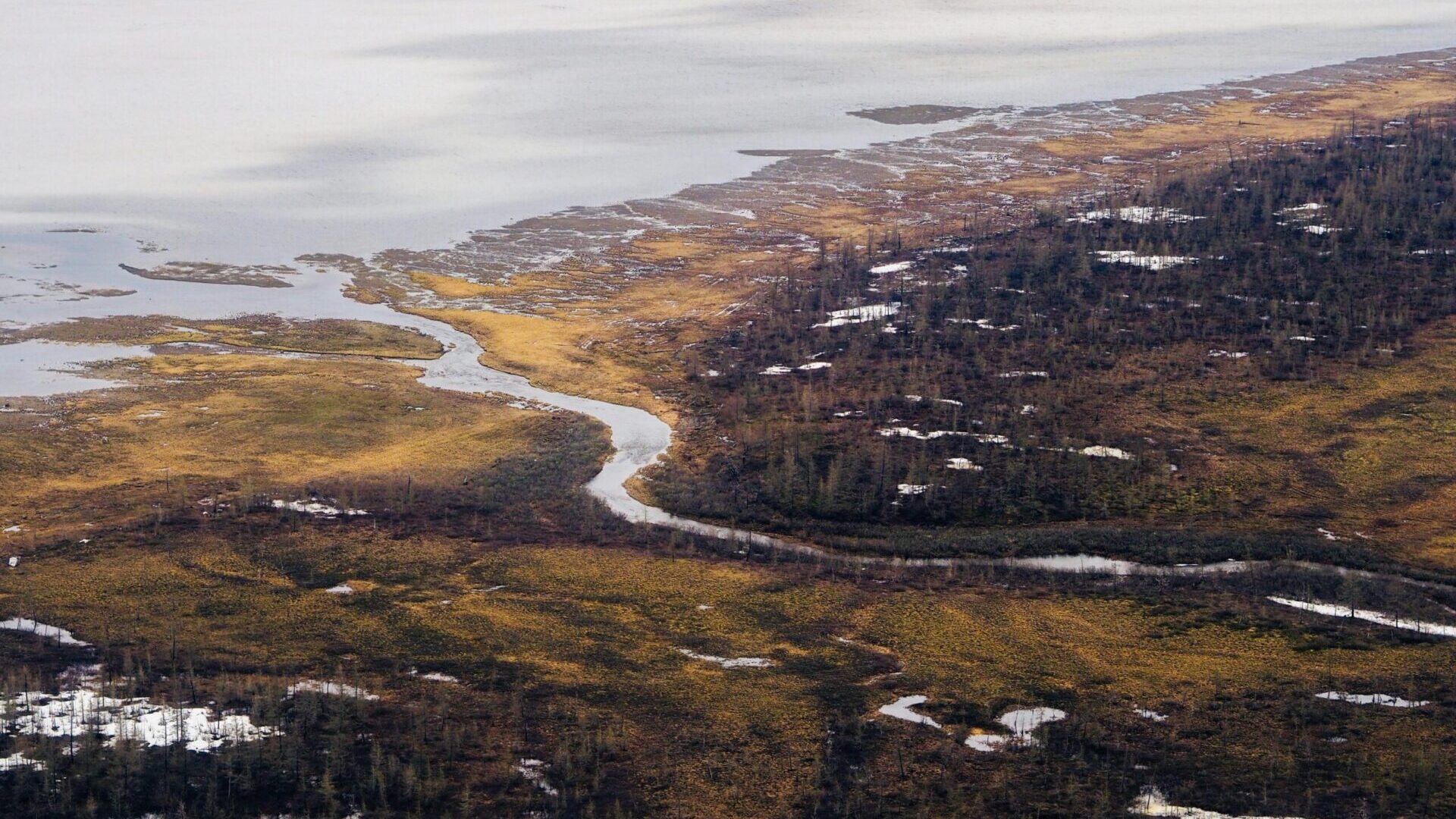
As climate change accelerates, ancient remains are being uncovered in thawing permafrost. Discoveries of creatures like the Woolly Mammoth have fascinated scientists. However, these findings may also release ancient pathogens. Some researchers warn of dormant viruses emerging after thousands of years. This raises concerns about unknown biological risks.
Pompeii Preserves a City Frozen in Tragedy
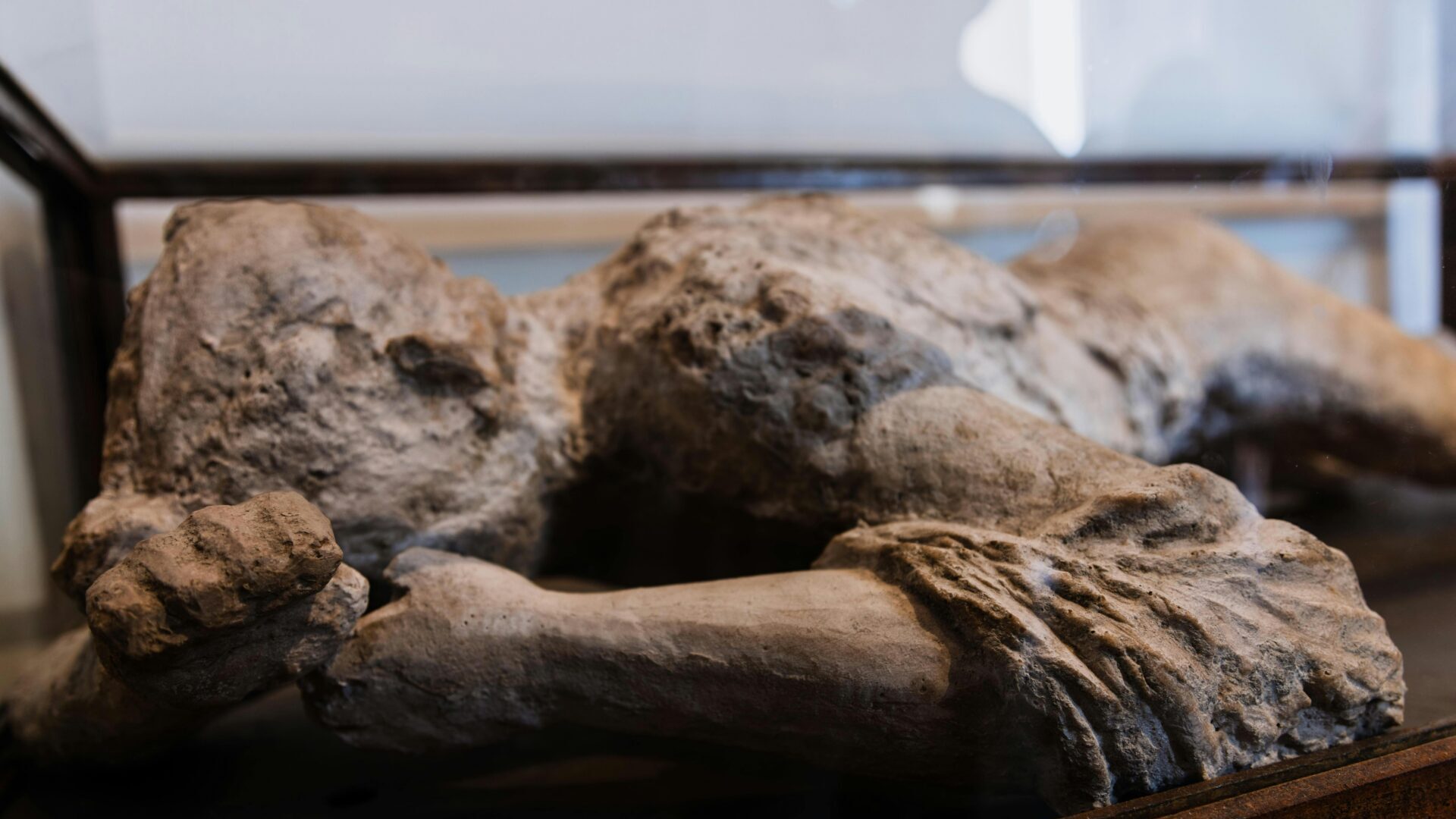
The ruins of Pompeii remain one of the most haunting archaeological sites. When Mount Vesuvius eruption of 79 AD struck, it buried the city in ash. Victims were preserved in their final moments, capturing expressions of fear and desperation. These
casts offer a vivid glimpse into sudden catastrophe. The site stands as a chilling reminder of nature’s wrath.
Evidence of Cannibalism in Ancient Settlements
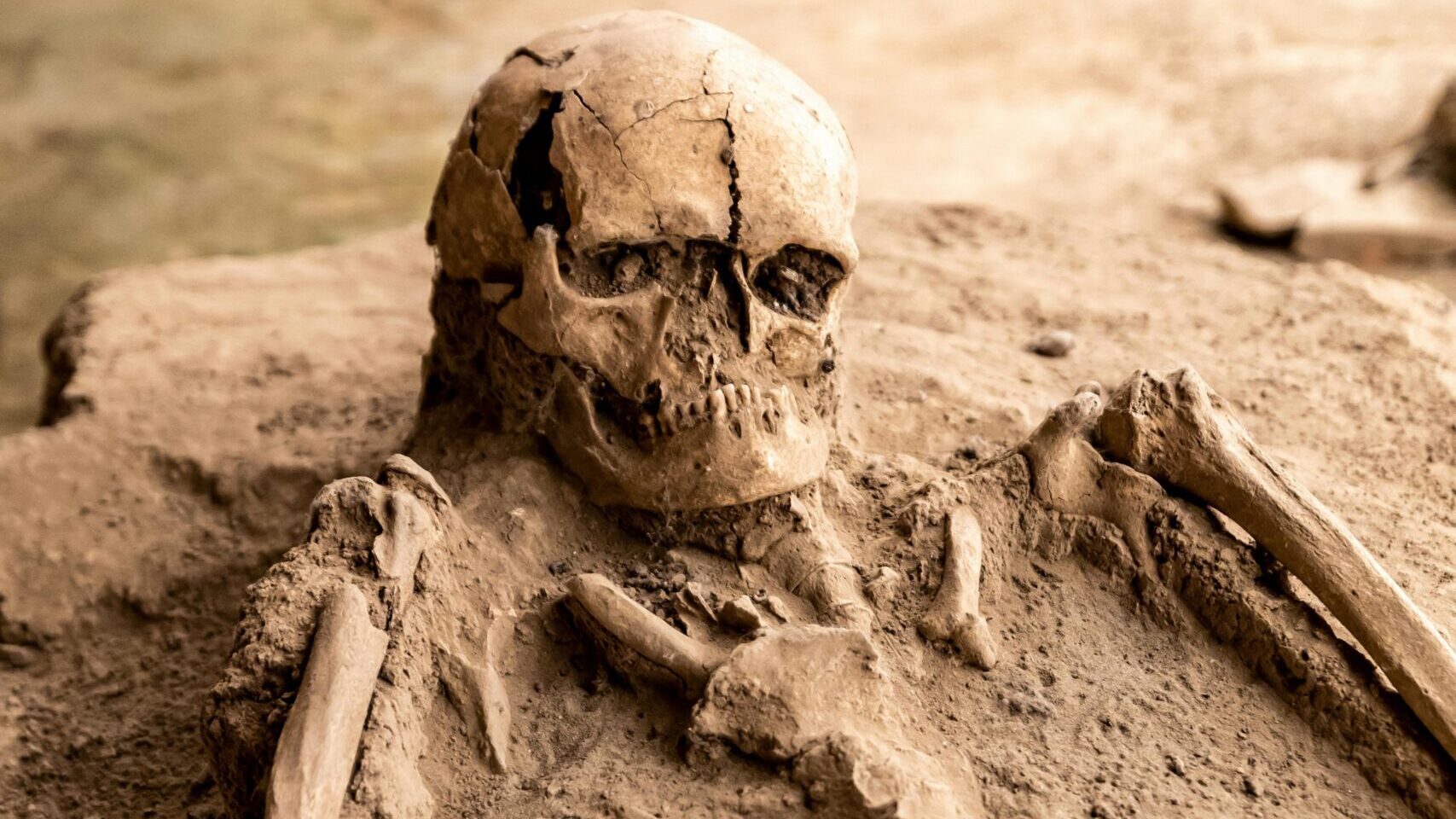
In one archaeological study, a family’s remains revealed signs of violent death and consumption. Cut marks on bones indicated deliberate butchering. Analysis of ancient waste confirmed the presence of human tissue. DNA evidence linked the remains directly to the victims. This grim discovery suggests survival-driven cannibalism during extreme famine.
Lost Knowledge of Advanced Ancient Civilizations
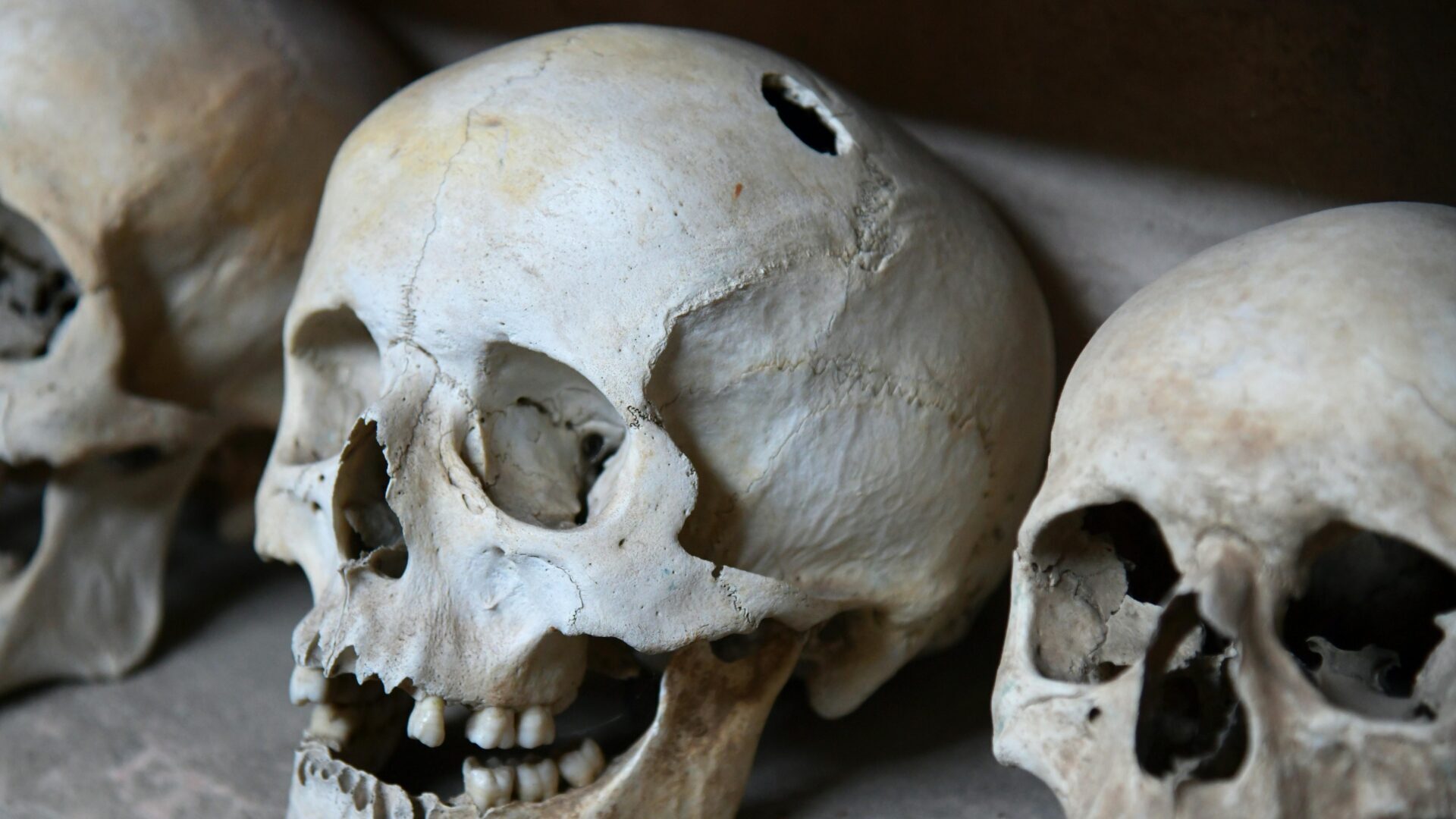
Archaeology has uncovered evidence of surprisingly advanced ancient technologies. Early brain surgeries, precise architectural acoustics, and complex mapping systems have all been documented. Yet much of this knowledge has been lost over time. Wars, colonization, and societal collapse erased countless innovations. These gaps leave historians wondering how advanced humanity once was.
Extinction Events Echo Through Human History
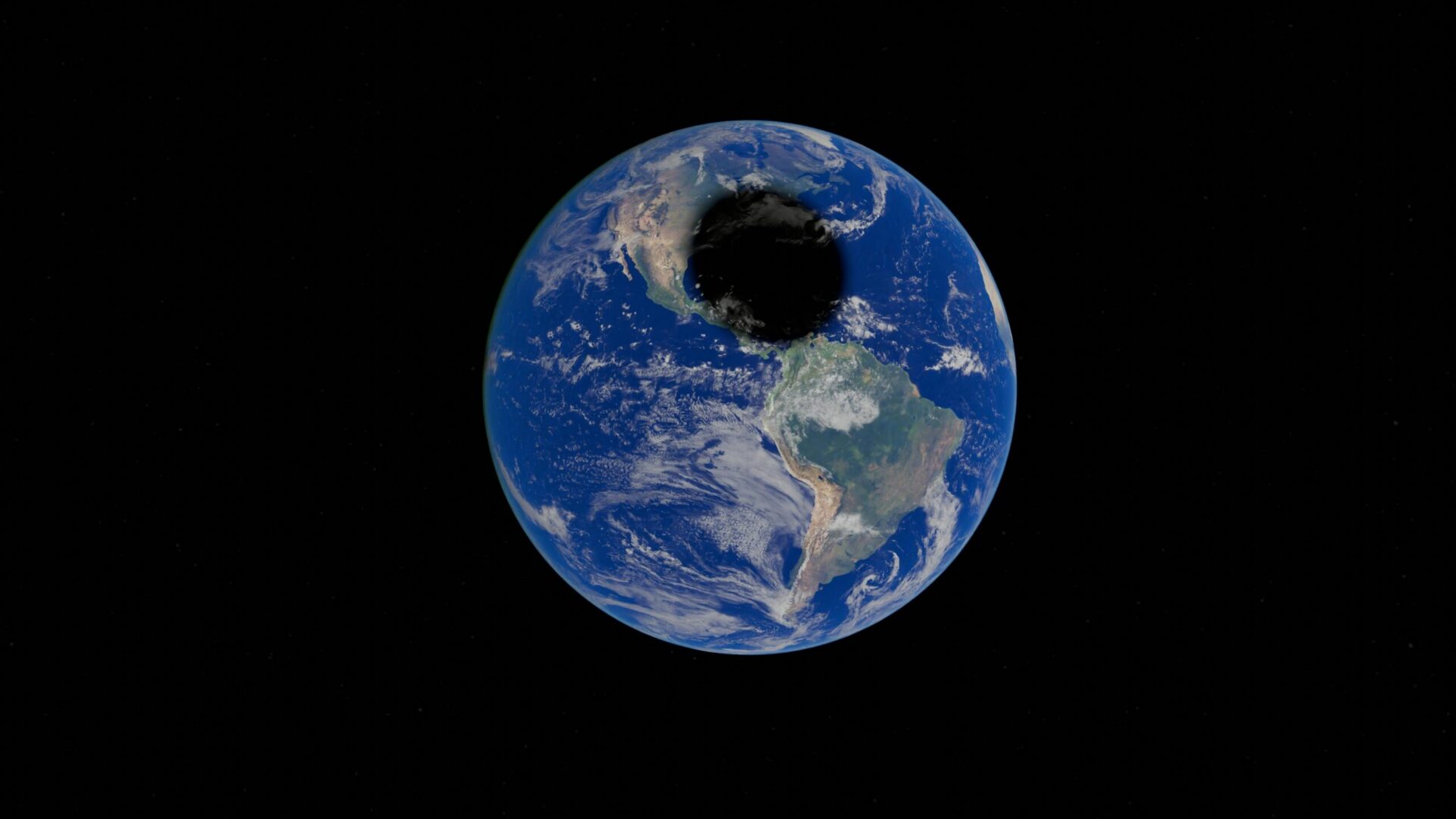
Scientific evidence shows that Earth has experienced multiple mass extinction events. These catastrophic periods reshaped life on the planet. Some researchers believe humanity may be approaching another such crisis. Archaeological and geological records serve as warnings from the past. They remind us of the fragile balance that sustains life.
Recent Vampire Graves Reveal Lingering Superstitions
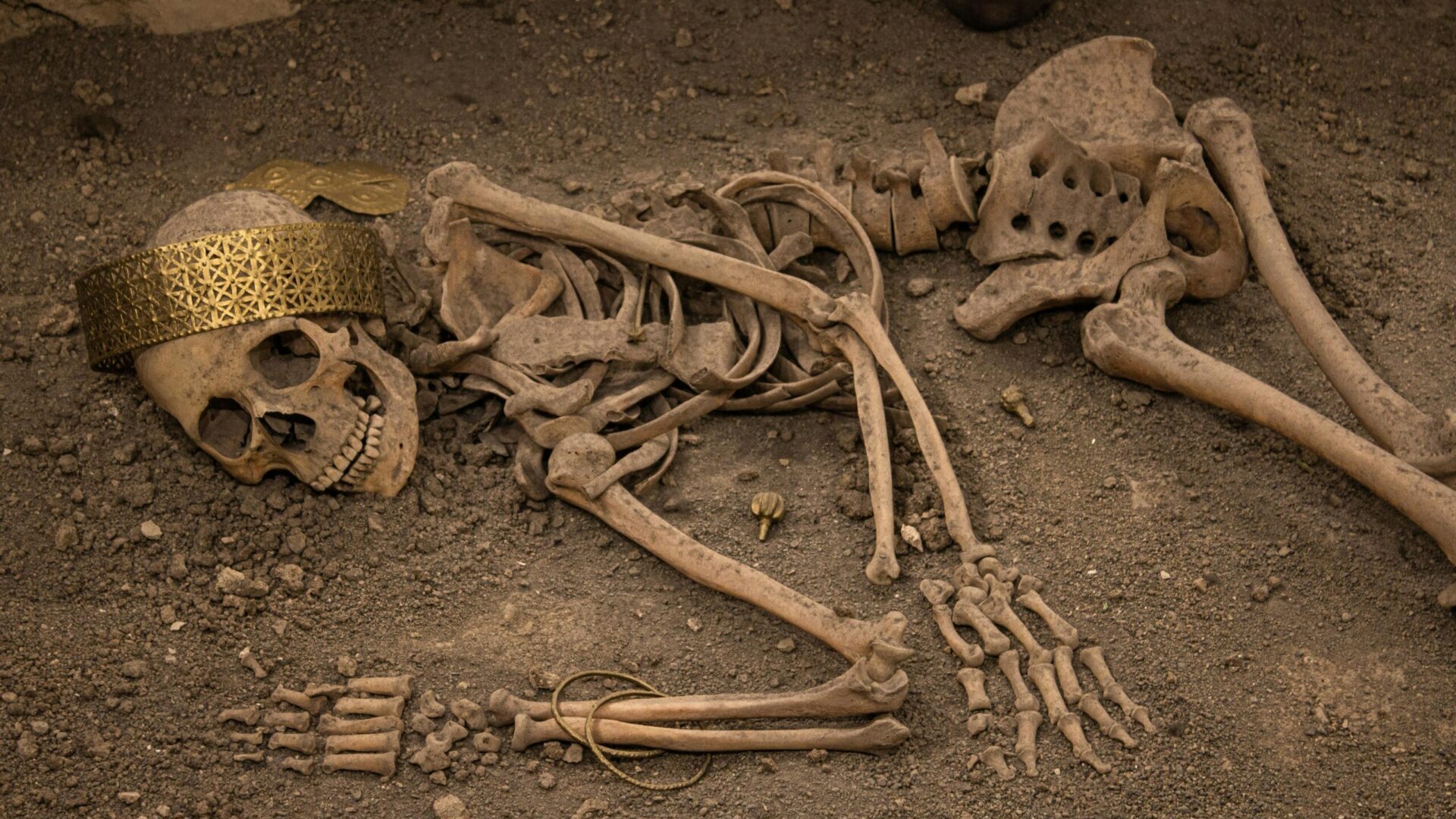
In parts of Eastern Europe, unusual graves have been uncovered dating to the early 20th century. Bodies were found decapitated, staked, or positioned in ways meant to prevent them from rising. These so-called “vampire graves” reflect deep-rooted cultural fears. Their relatively recent age makes them even more unsettling. They reveal how superstition can persist even in modern times.