Trump Admin Will Partially Pay for SNAP Benefits Amid Shutdown


The Trump administration announced that it will partially fund Supplemental Nutrition Assistance Program (SNAP) benefits as the federal government continues to face a shutdown. Officials confirmed on Monday that temporary payments will be made to prevent immediate disruption to millions of Americans who depend on the program for food assistance. The move aims to provide short-term relief as Congress remains deadlocked over government funding.
SNAP Benefits Suspended for Millions of Americans
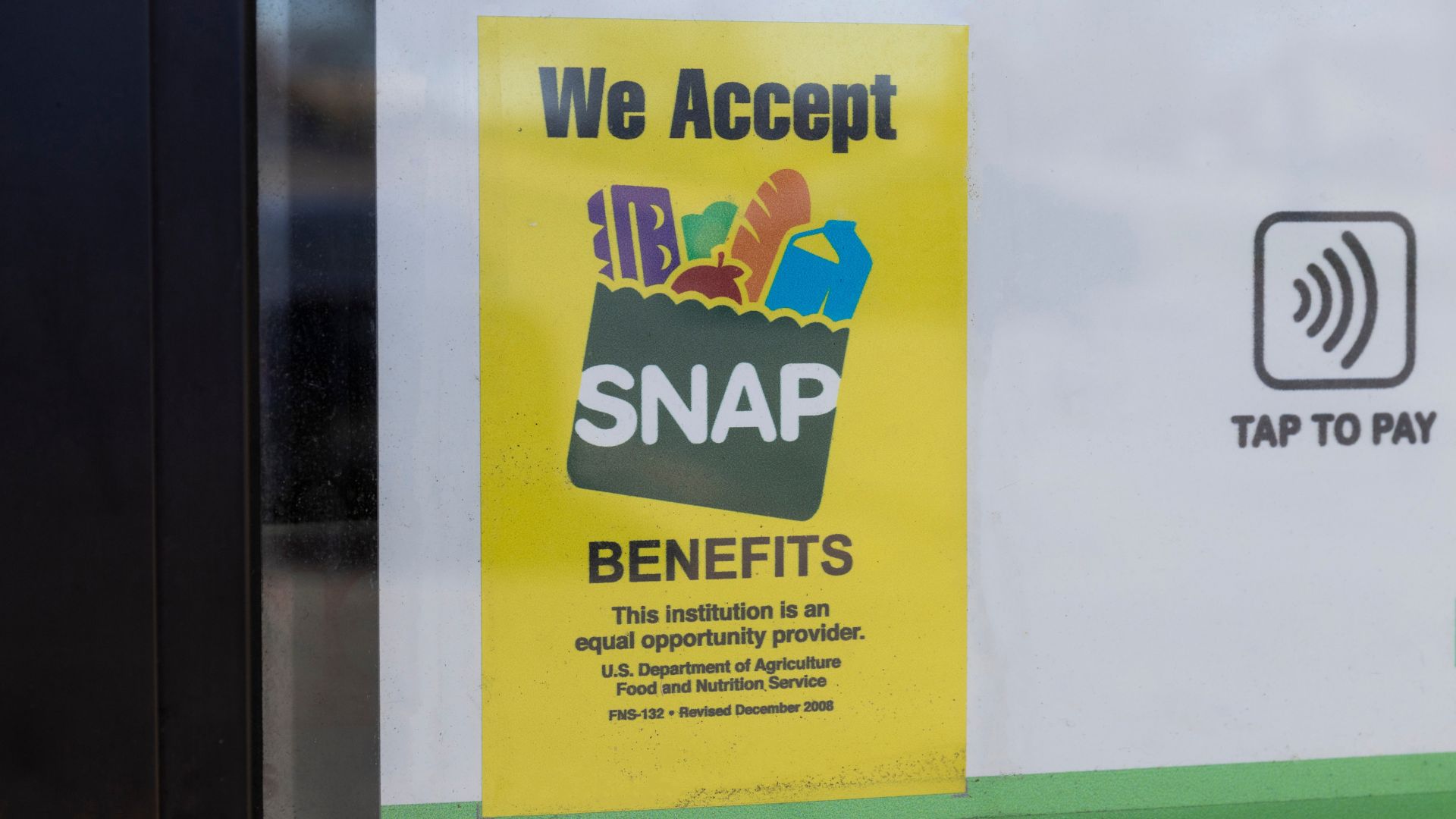
Before the announcement, SNAP benefits were at risk of being halted entirely due to the prolonged government shutdown. The U.S. Department of Agriculture (USDA) had previously warned that funding reserves were nearly exhausted, putting more than 42 million Americans in jeopardy of losing food assistance. The uncertainty caused widespread concern among families relying on monthly benefits for essential groceries.
Millions of Americans Rely on SNAP Benefits
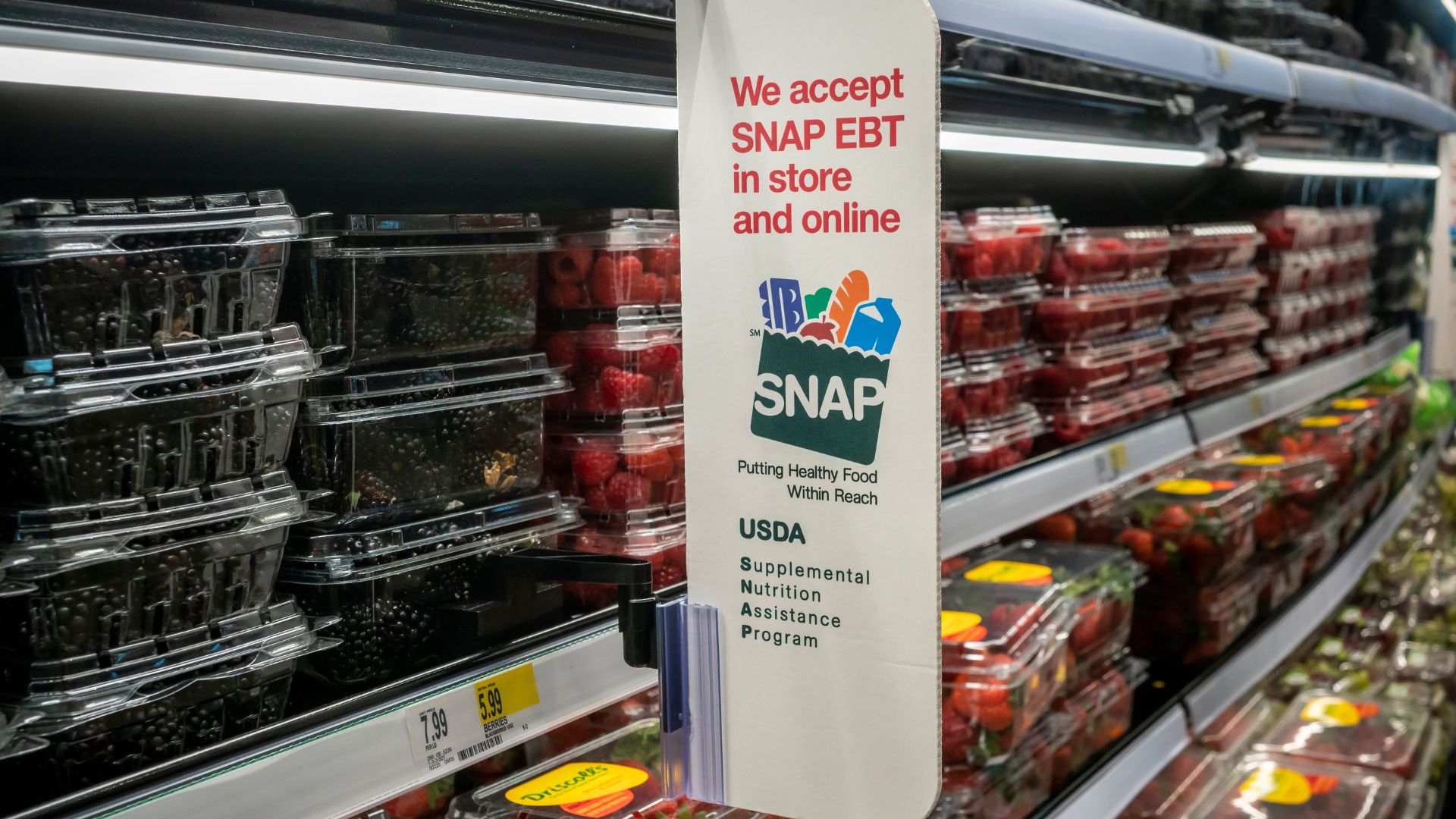
SNAP, formerly known as food stamps, provides critical financial support to low-income individuals and families. According to USDA data, the program serves households in all 50 states, with the average recipient receiving about $200 per month in assistance. For many, these benefits are a lifeline amid rising food costs and economic instability.
Trump’s Admin Will Partially Pay for Benefits

The Trump administration announced it would authorize partial payments to ensure some continuation of benefits through the coming weeks. While not a full reinstatement of SNAP funding, officials said the temporary measure would help prevent a total lapse in aid. The plan was confirmed by the Office of Management and Budget, with further details still being finalized.
Details of Assistance

Under the temporary funding plan, states will receive limited allocations based on existing resources. This means some recipients may experience reduced payments or delayed disbursements. The USDA emphasized that it is working with state agencies to prioritize households most in need, though the relief is expected to be short-term unless Congress approves a full spending bill.
Reason for Stalemate
The government shutdown, now entering its third week, stems from a funding impasse between the White House and Congress. Lawmakers have failed to agree on budget provisions tied to border security and other policy measures. The deadlock has left several federal programs, including SNAP, in partial suspension until a resolution is reached.
Republican Perspective on Shutdown

Republican lawmakers have largely supported the administration’s decision to provide temporary SNAP funding while maintaining pressure on Democrats to approve broader budget legislation. Many GOP leaders argue that the partial payments strike a balance between fiscal responsibility and immediate public need. They continue to call for long-term spending reforms alongside temporary relief measures.
Democratic Perspective on Shutdown
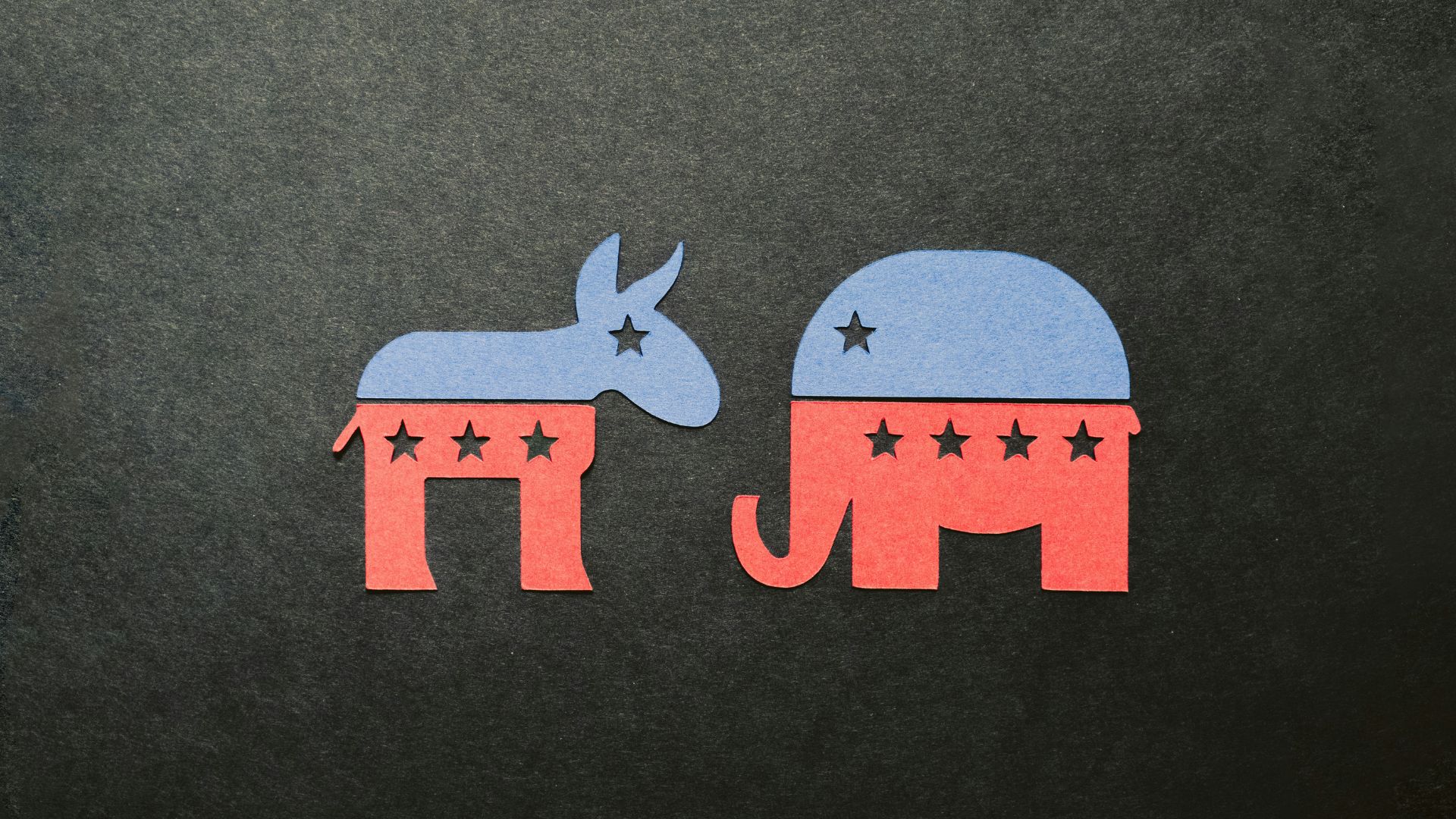
Democratic leaders have criticized the shutdown as unnecessary and harmful to vulnerable Americans. They contend that using essential programs like SNAP as leverage in political negotiations puts millions of families at risk. Democrats have urged the administration to reopen the government fully and guarantee funding for nutrition and housing programs without conditions.
Future of SNAP Benefits Amid Government Shutdown
If the shutdown continues, officials warn that the government’s ability to sustain even partial SNAP payments will diminish quickly. USDA representatives said contingency funds can cover only a limited period. Without a new appropriations bill, millions could once again face uncertainty about their next month’s benefits.
A Path Forward

Both parties agree that extending federal food assistance is urgent, though negotiations over a comprehensive spending bill remain ongoing. Lawmakers have signaled plans to resume talks this week to avoid further economic disruption. Until an agreement is reached, millions of Americans will rely on temporary funding to meet basic needs amid one of the longest shutdowns in recent history.