BMW Recalls 27,700 Vehicles Over a Sudden Power-Loss Risk
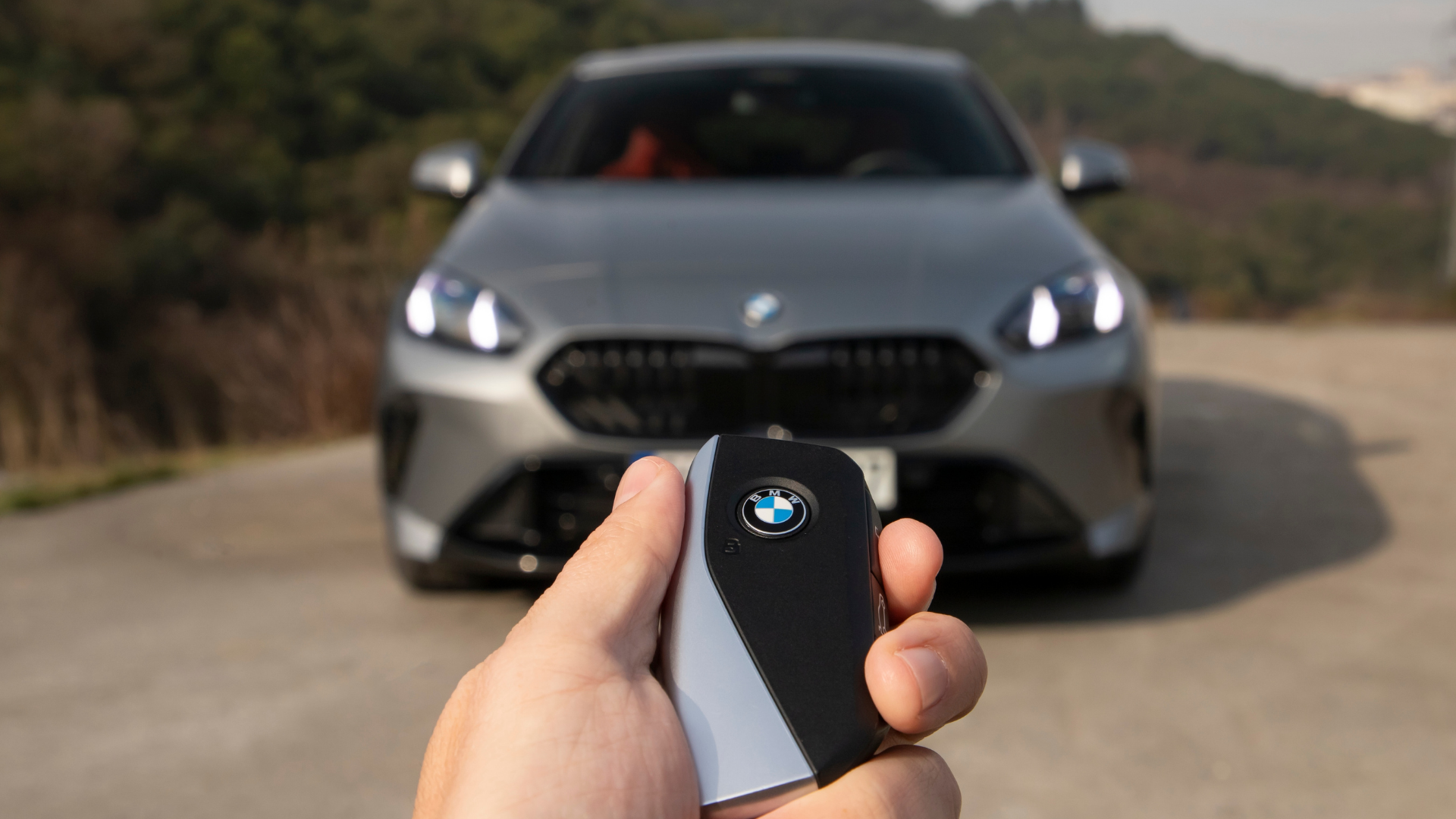

BMW is recalling 27,720 vehicles in the United States because a problem involving the driveshaft and rear differential could cause drivers to unexpectedly lose power to the rear wheels. The defect can also create a separate rollaway risk in some circumstances if the parking brake is not applied. The recall covers select 5 Series, 7 Series, and 8 Series vehicles spanning the 2021 through 2026 model years.
Six BMW Models Are Included in the Recall
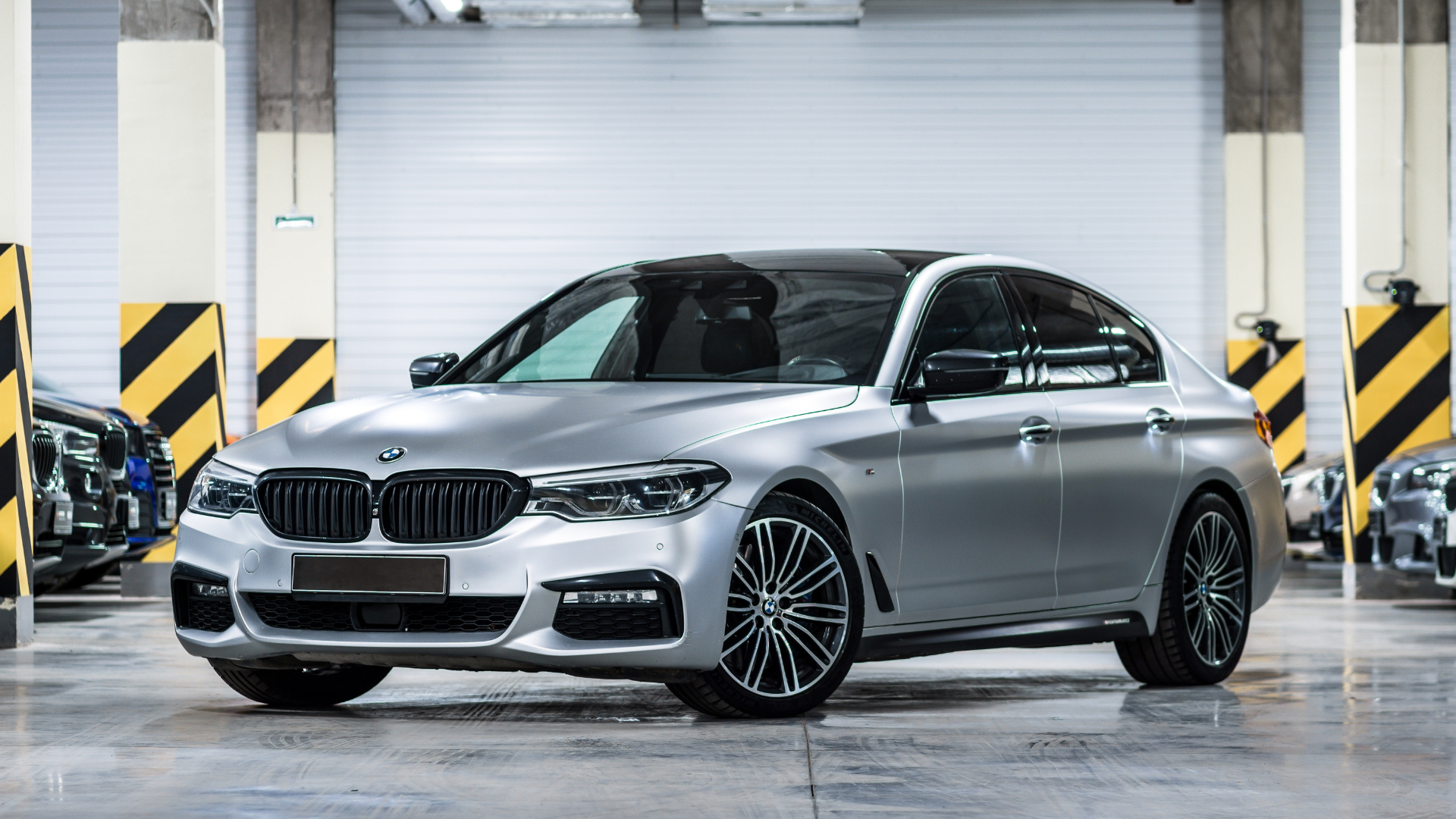
Owners should pay close attention to the model and model year because the recall does not include every BMW 5 Series, 7 Series, or 8 Series. The affected vehicles are certain 2021 to 2023 BMW 540i, 540i xDrive, and M550i xDrive models; 2022 to 2026 BMW 840i and 840i xDrive models; and 2024 to 2026 BMW 750e xDrive plug-in hybrids. Owners can ultimately confirm whether their individual vehicle is included by checking its VIN.
Most of the Recalled Vehicles Are 5 Series Models
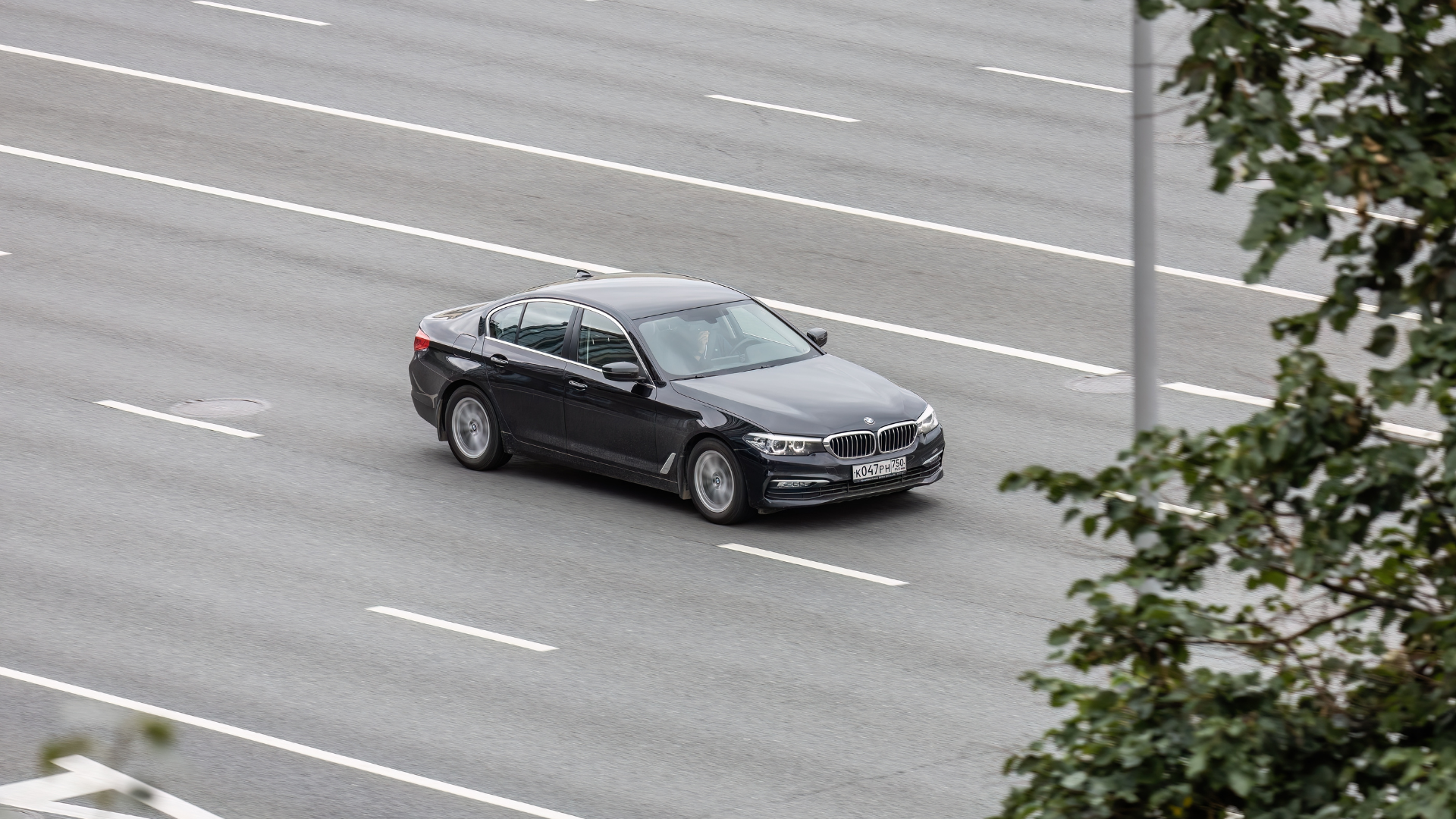
The 5 Series represents the largest portion of the recall, with 18,150 affected vehicles, according to the recall documents cited by Road & Track. Another 7,372 vehicles come from the 8 Series lineup, while 2,198 are 7 Series 750e xDrive models. Together, those groups bring the total recall population to 27,720 vehicles.
The Problem Starts Where the Driveshaft Meets the Rear Differential
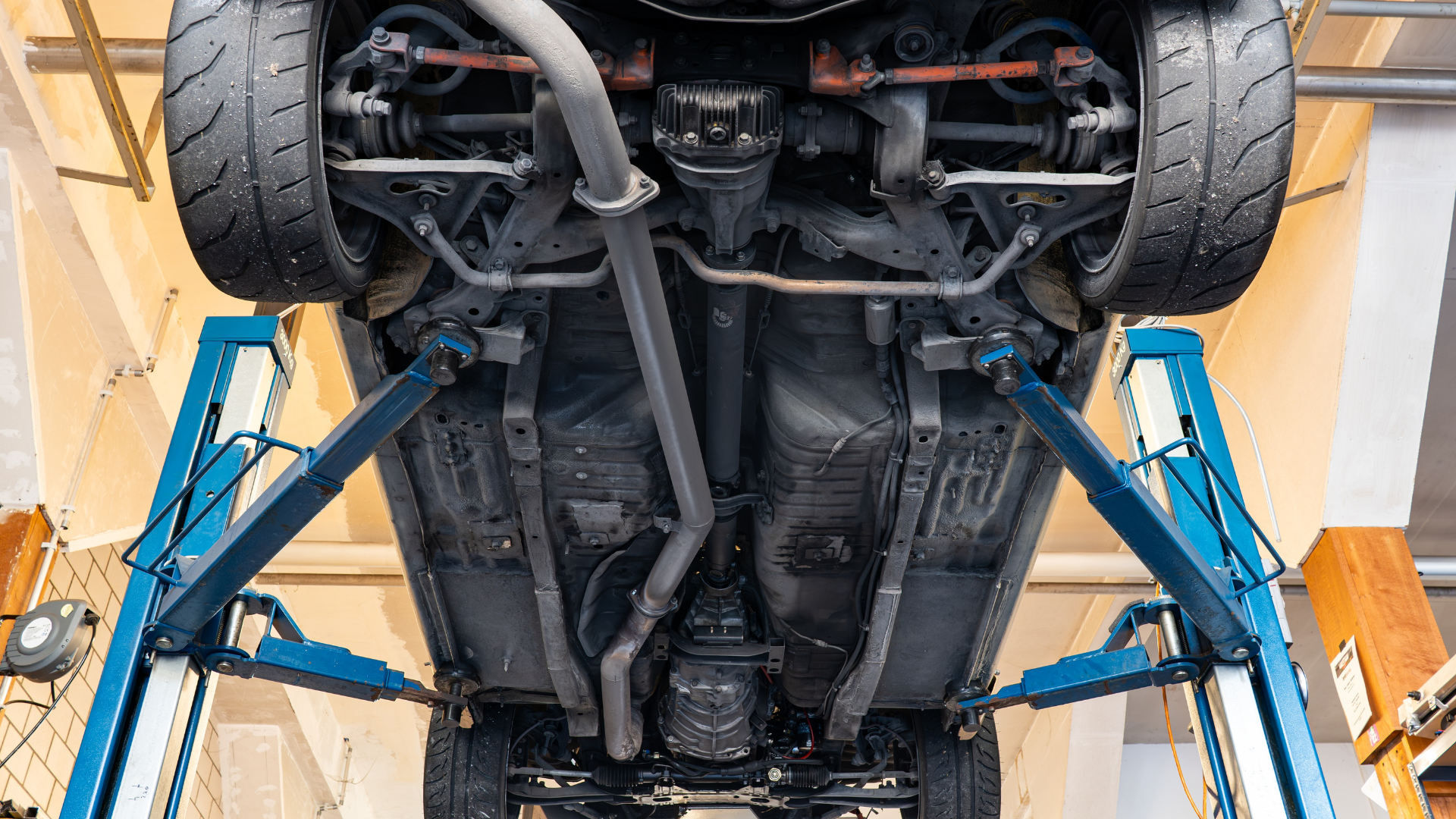
At the center of the recall is the connection between the driveshaft and the rear differential, components that help transfer power through the vehicle’s drivetrain and ultimately to the wheels. BMW’s filing says this connection may experience excessive or premature wear over time, potentially damaging the components. If that deterioration progresses far enough, the drivetrain may no longer be able to deliver power properly to the rear wheels.
Drivers Could Suddenly Lose Rear-Wheel Power
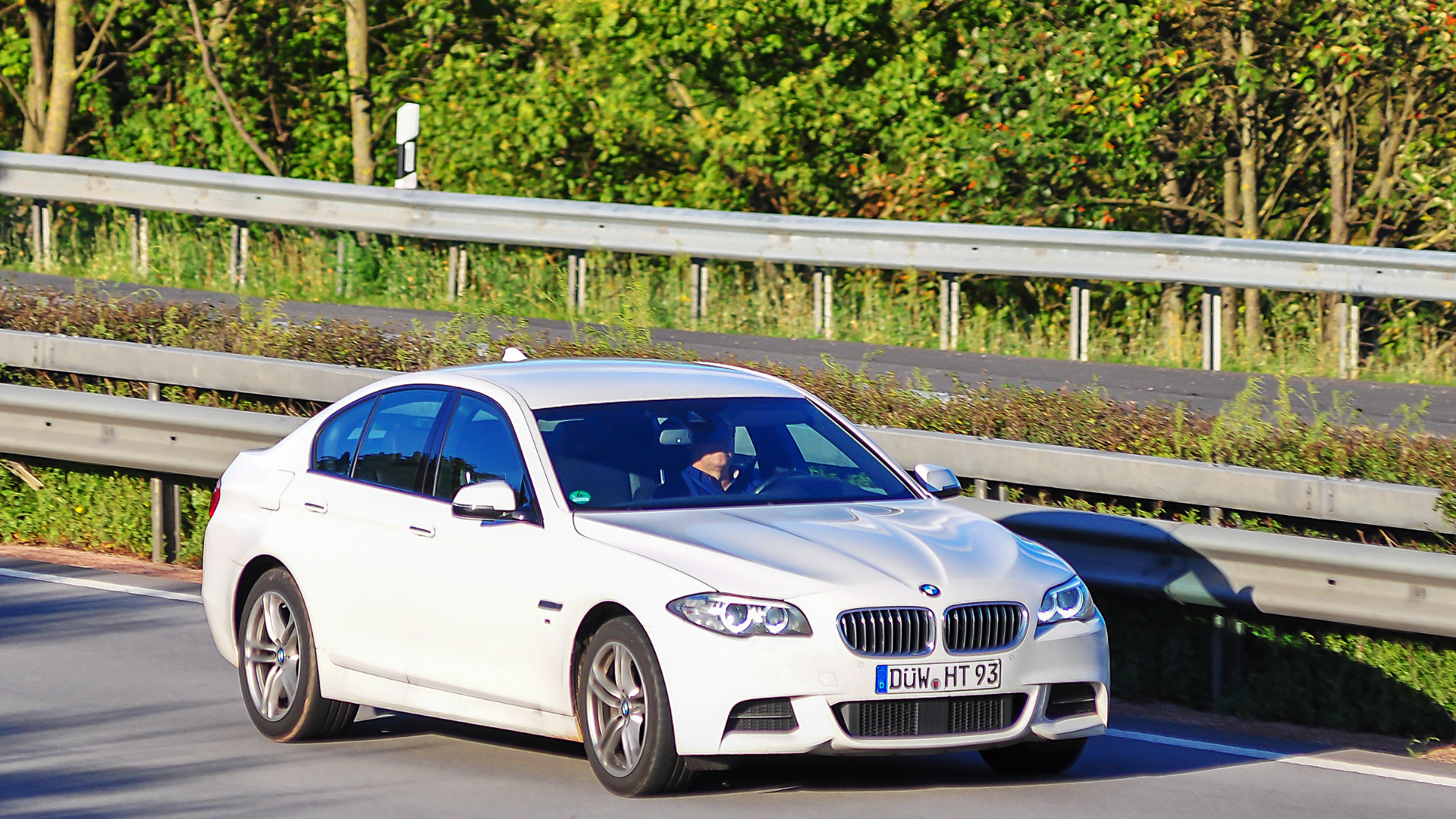
The most immediate safety concern is an unexpected loss of drive power to the rear wheels. Losing motive power while a vehicle is being driven can leave the driver unable to accelerate normally and can increase the risk of a crash, particularly when merging, crossing traffic, or traveling at highway speeds. NHTSA’s recall information specifically identifies unexpected loss of drive power as one of the safety consequences associated with the defect.
There Is Also a Potential Rollaway Risk
The same damaged connection can create another problem after the vehicle has stopped. Recall documents warn that an affected BMW could potentially roll away when the parking brake has not been applied, creating a risk of a crash or injury even when nobody is actively driving it. The possibility reinforces the importance of consistently applying the parking brake while affected owners wait to have their vehicles inspected.
Owners May Not Get an Obvious Warning Before the Problem Occurs
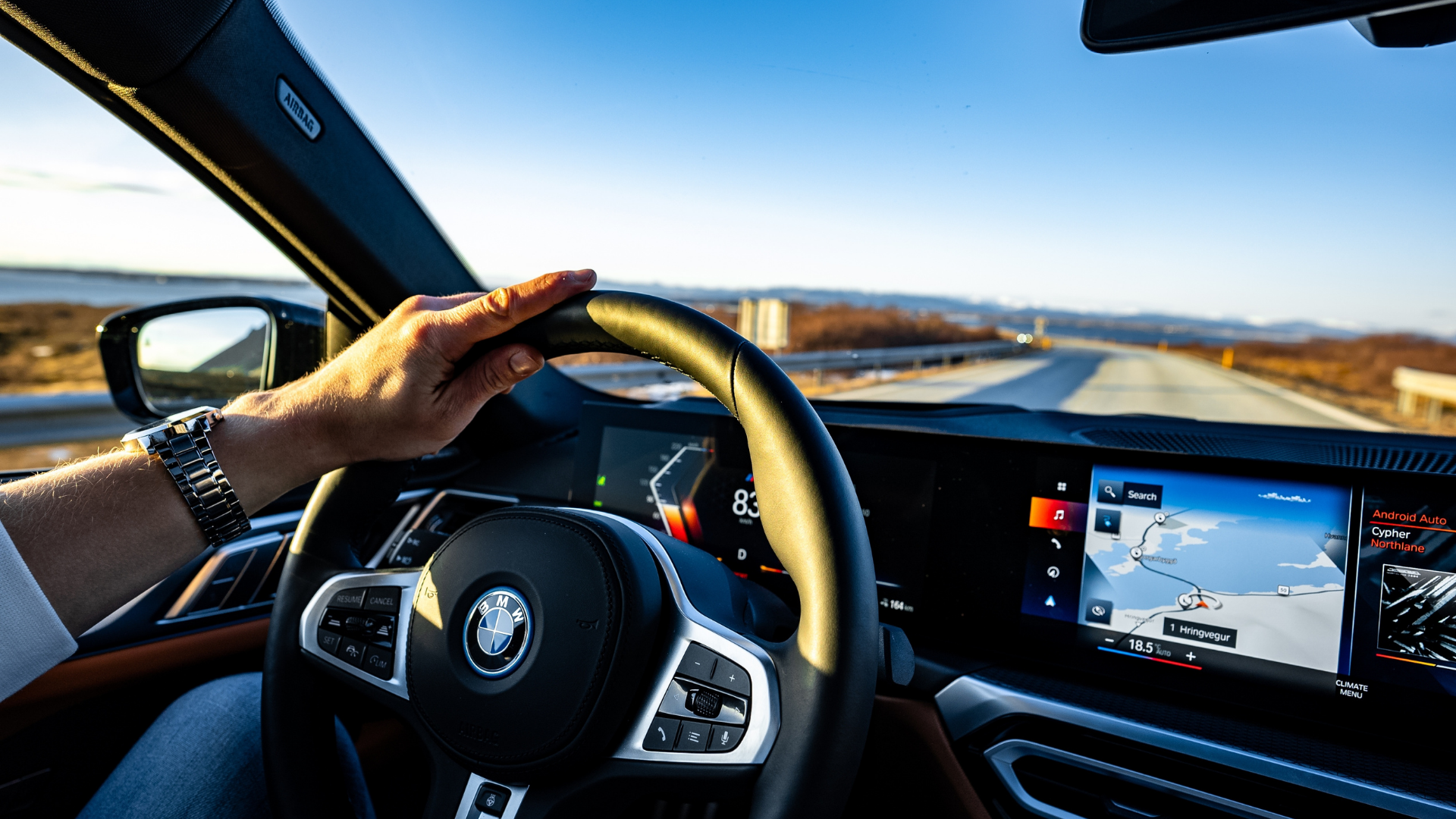
One challenging part of this recall is that owners may not receive a clear advance warning that the driveshaft connection is deteriorating. Car and Driver reports that BMW’s recall paperwork does not identify specific warning signs drivers can rely on to recognize the defect beforehand. The good news is that BMW said it was not aware of accidents or injuries associated with the issue when the recall documentation was filed.
Dealers Will Inspect the Driveshaft Connection for Free
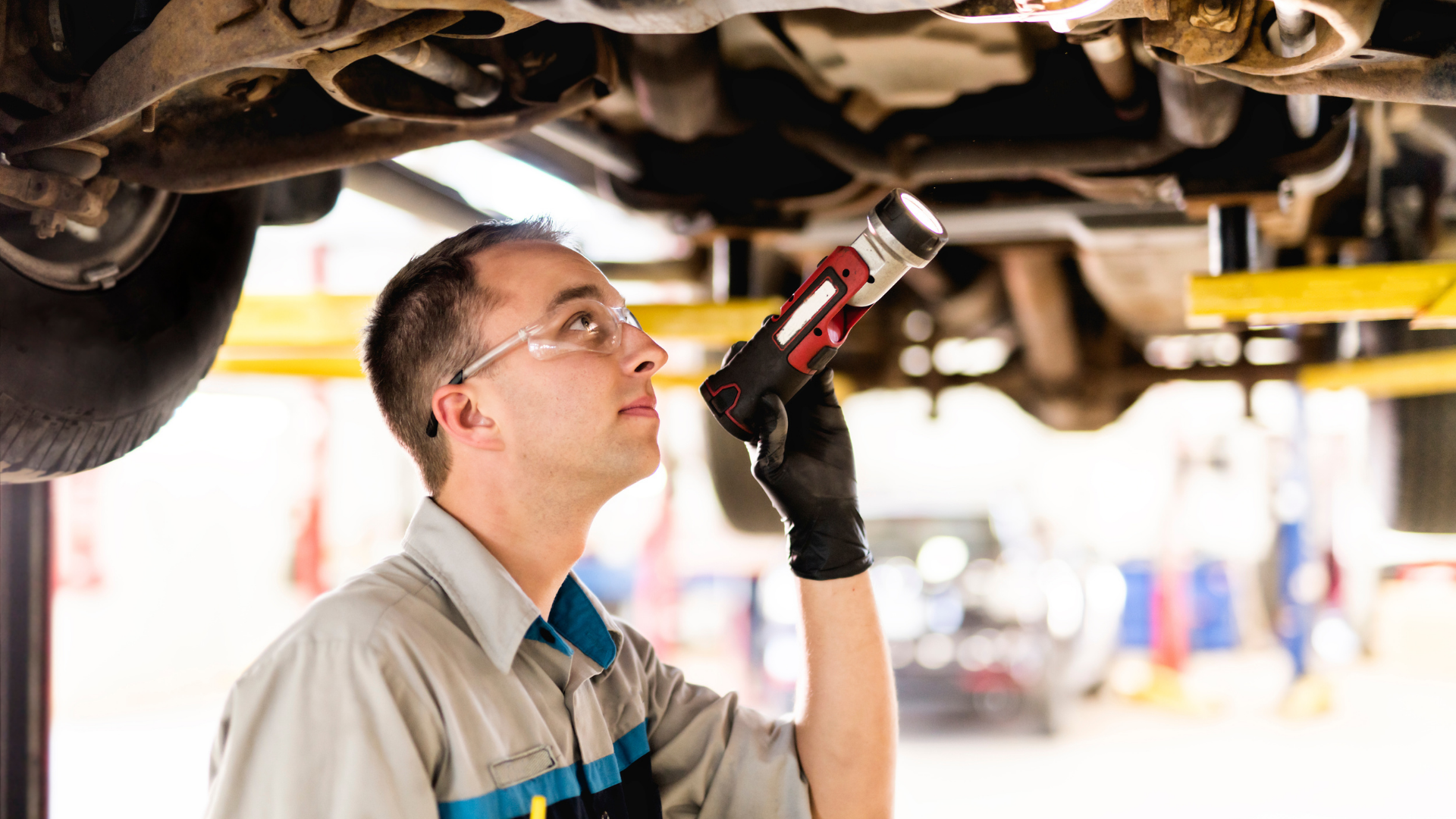
BMW dealerships will inspect the connection between the driveshaft and rear axle differential to determine what repair each vehicle needs. If the components are still suitable for repair, technicians will apply additional adhesive to the affected connection. If the damage has progressed too far for that remedy, dealers will replace the driveshaft and rear differential as necessary, with all recall-related inspection and repair work performed at no charge to owners.
Owner Notification Letters Are Expected in October
BMW has already notified its dealers about the recall and repair procedure, while notification letters to affected vehicle owners are scheduled to be mailed on October 2, 2026. Owners do not necessarily have to wait for a letter to become proactive about recalls, since NHTSA allows drivers to search for open recalls using a vehicle’s 17-character VIN. NHTSA also recommends having open safety recalls repaired promptly because manufacturer recall repairs are provided free of charge.
BMW Owners Should Check Their VIN Rather Than Rely on Model Year Alone

Seeing your BMW model and model year on the affected list does not automatically mean your individual vehicle is included, which is why checking the VIN is the most reliable next step. Owners can find the 17-character VIN near the lower driver’s side of the windshield, inside the driver’s doorjamb, or on registration and insurance documents, then use NHTSA’s recall lookup tool to check for open recalls. For affected vehicles, arranging the free dealer inspection and repair can address both the unexpected power-loss risk and the possibility of the vehicle rolling away.