Billions in Tariff Refunds Start Rolling Out Across the US
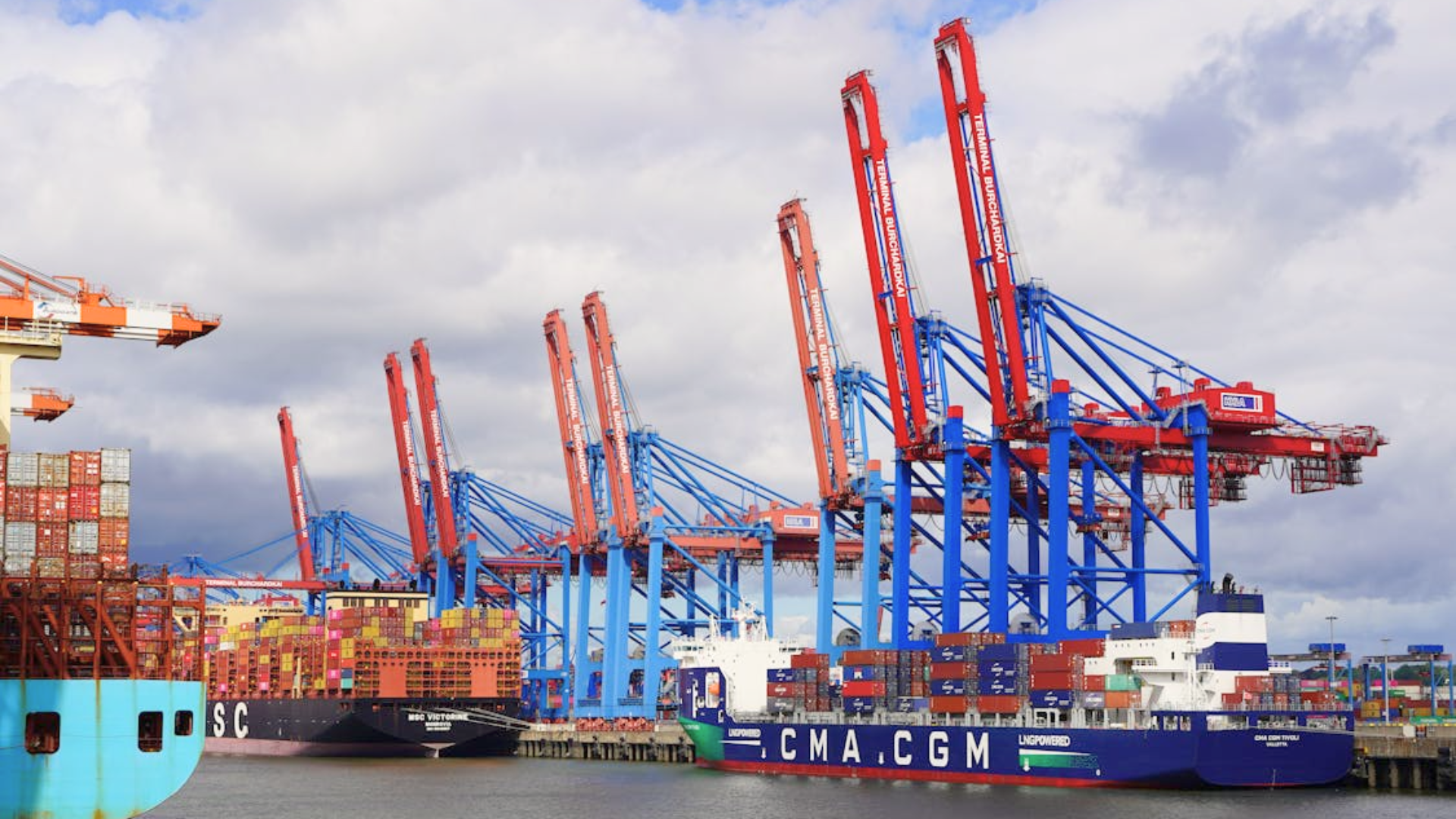

Billions of dollars in tariff refunds are beginning to roll out across the United States after a major government system officially opened for claims. The refunds stem from tariffs previously collected on imported goods that were later struck down following a Supreme Court ruling earlier this year. The new process allows eligible businesses to begin recovering payments tied to those import duties.
The U.S. Customs and Border Protection agency launched an online portal known as CAPE, which is designed to streamline refund applications for importers. Officials estimate that more than $166 billion in tariff-related payments are potentially eligible for reimbursement, making this one of the largest refund processes in recent trade history.
The rollout marks a major shift in trade policy enforcement, as companies that paid the tariffs can now formally apply for refunds. Payments are expected to be processed within 60 to 90 days after approval, although timelines may vary depending on review complexity.
How the Tariff Refund Process Works

Only importers of record, meaning the companies that originally paid the tariffs, are eligible to submit refund claims through the CAPE system. These businesses must provide detailed documentation of shipments and duties paid in order to qualify for reimbursement. In some cases, large corporations are filing claims covering thousands of import entries at once.
The system consolidates multiple entries into a single electronic refund payment rather than processing each shipment individually. This approach is intended to speed up what would otherwise be a highly complex and time-consuming reimbursement process. However, officials have noted that early phases of the rollout may still face delays as the system scales.
Analysts say that while the process is now active, it remains operationally complex due to the massive volume of claims involved. More than 300,000 importers are believed to be potentially eligible, highlighting the scale of the refund effort.
Economic and Industry Impact
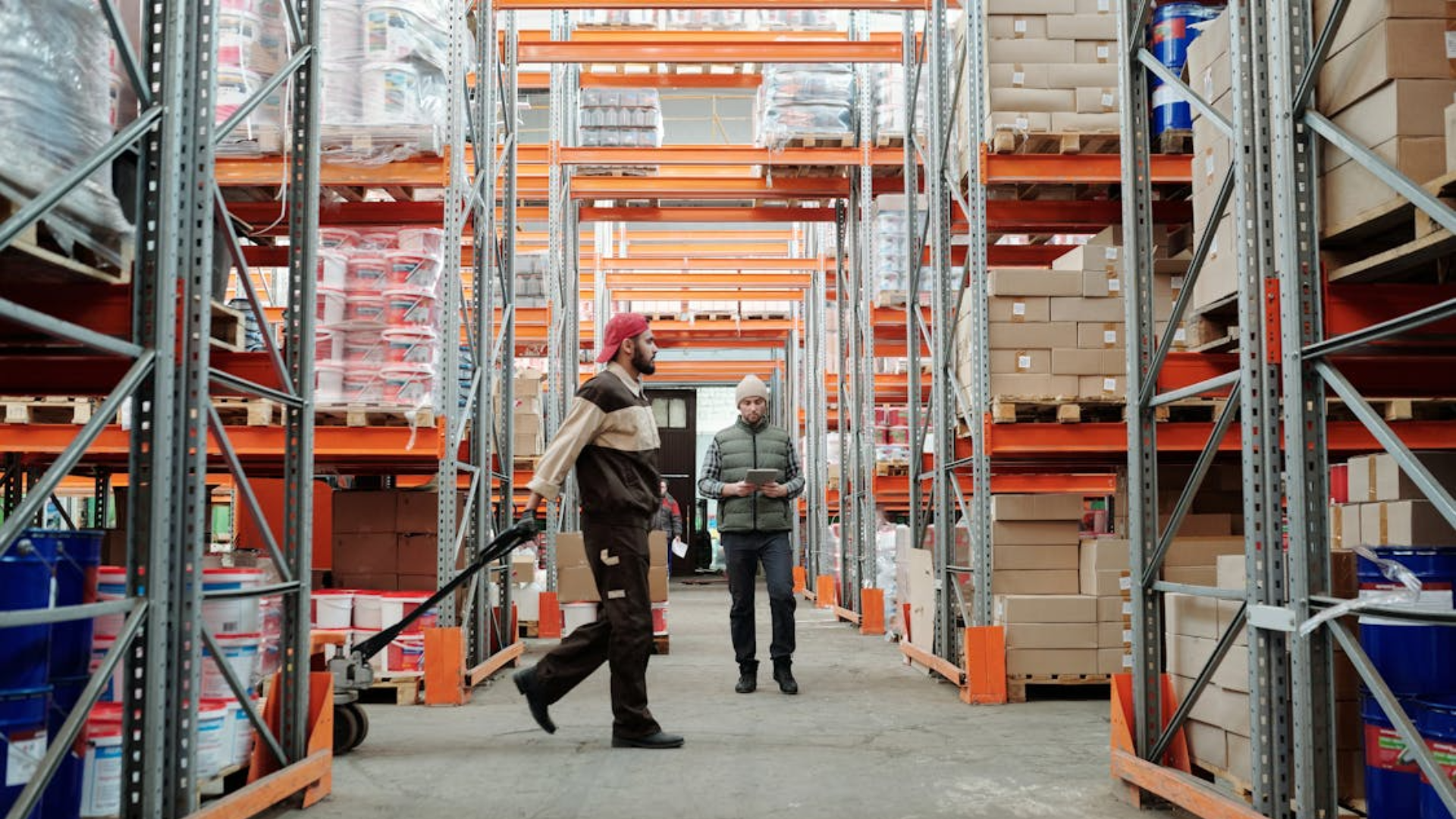
The tariff refund program is expected to provide significant financial relief to major importers across retail, manufacturing, and logistics sectors. Large companies that previously absorbed tariff costs are now positioned to recover substantial sums, which could improve balance sheets and cash flow. Some estimates suggest that individual corporations may receive billions in refunds.
However, experts note that the benefits are largely concentrated among businesses rather than consumers. Because importers originally paid the tariffs, they are the primary recipients of refunds, while price impacts for consumers may not be directly reversed. This has sparked debate over how much economic relief will actually reach households.
Markets have already begun reacting to the announcement, with sectors tied to exports and imports showing movement based on expected refund inflows. Analysts say the long-term impact will depend on how quickly claims are processed and how companies choose to use recovered funds.
A Massive Refund Process Still Unfolding
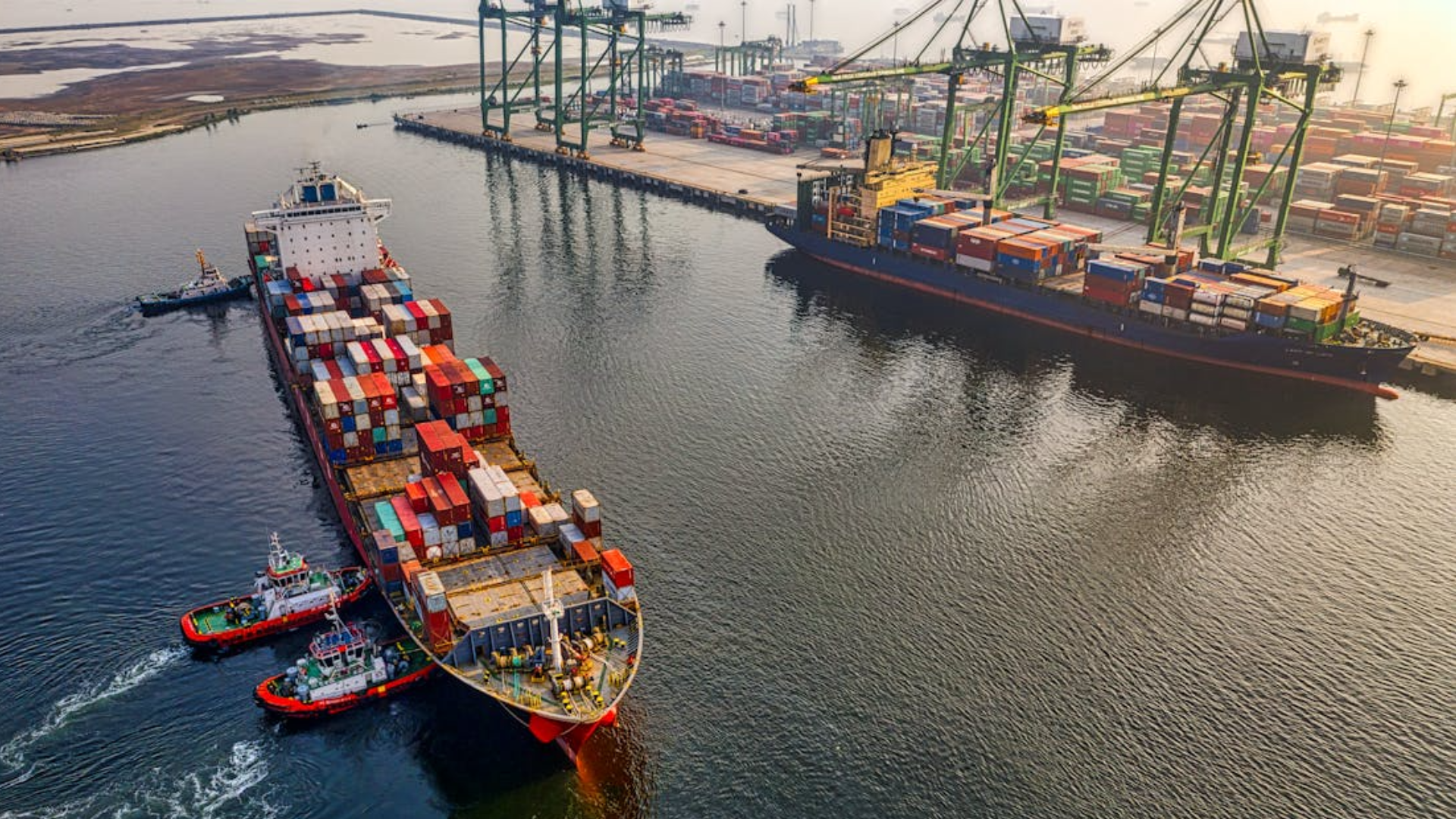
The start of billions in tariff refunds marks a significant moment in the aftermath of major trade policy changes. While the system is now active, it will take months for most payments to be fully processed and distributed to eligible businesses.
With hundreds of billions of dollars potentially at stake, the refund process is expected to remain a key economic story throughout the year. Companies are now racing to submit claims and recover funds tied to past import costs.
As the rollout continues, the scale and speed of reimbursements will determine how quickly businesses feel the financial impact of this historic reversal in tariff policy.