Billionaire CEO Pushes Back on Mamdani Grocery Plan, Calling It a “Game”
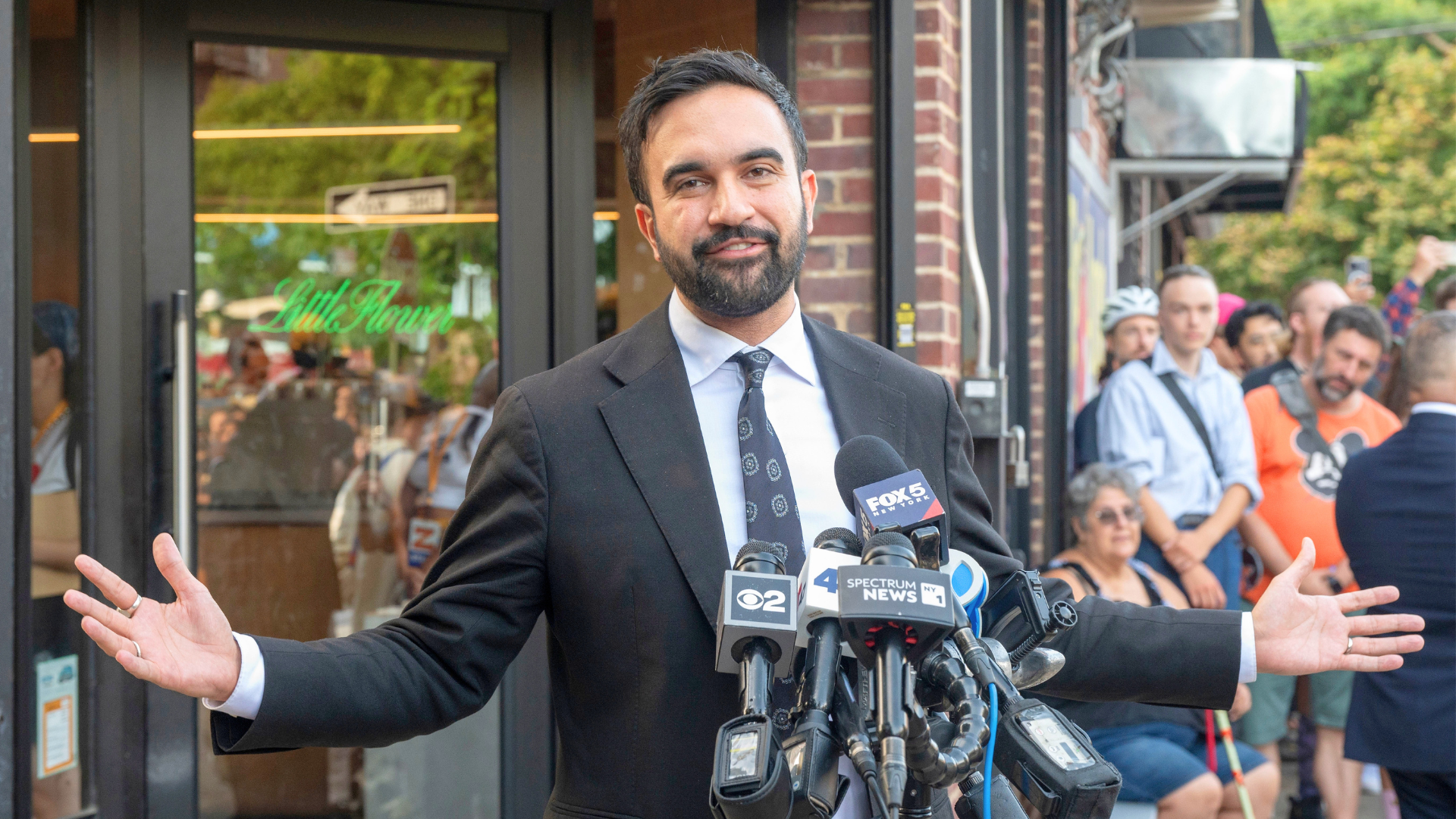

New York City mayoral candidate Zohran Mamdani is facing criticism from billionaire grocery executive John Catsimatidis over his proposal to create city-run grocery stores. Catsimatidis reportedly described the idea as “just a game being played,” arguing that government-operated supermarkets could create unfair competition for existing private businesses. The comments quickly added fuel to an already heated debate surrounding food affordability, public spending, and the future of grocery retail in New York City.
Mamdani’s proposal centers on establishing publicly supported grocery stores aimed at lowering food costs and improving access in underserved neighborhoods. Supporters of the plan say city-run stores could help address food deserts and rising grocery prices that continue affecting many residents across the city. Critics, however, argue that government-backed retailers may disrupt competition and place additional pressure on independent grocers and existing supermarket chains.
The disagreement has become part of a broader national conversation about affordability, inflation, and the role government should play in essential consumer markets. Grocery prices have remained a major issue for households across the country, making proposals tied to food access especially politically sensitive. Catsimatidis’ remarks drew widespread attention online as supporters and opponents of the plan debated whether city-run grocery stores would help or hurt local communities.
Grocery Industry Leaders Warn About Government Competition
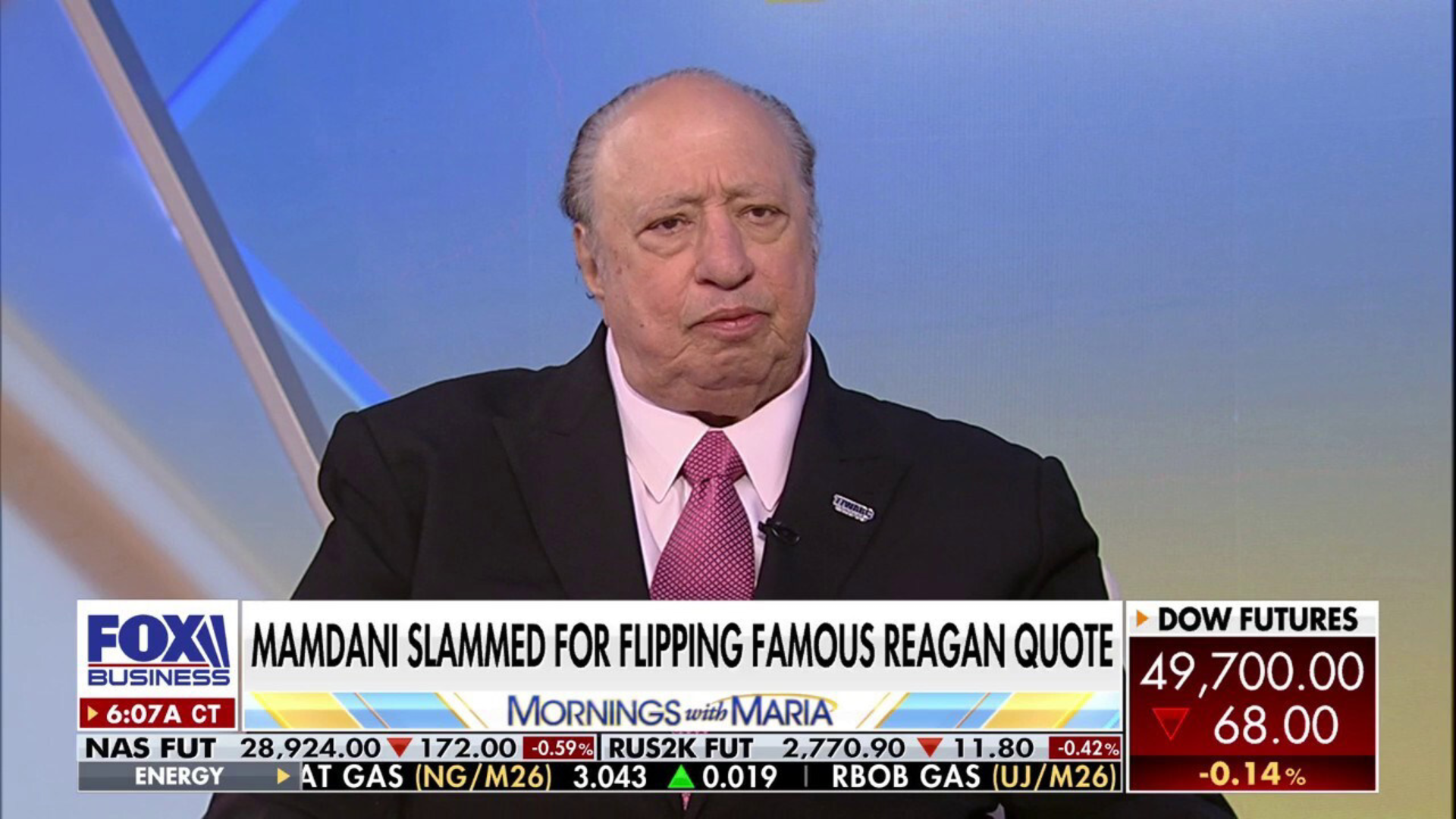
Catsimatidis, whose business interests include grocery and fuel operations, argued that city-run grocery stores could unfairly compete with private retailers already operating on thin margins. Critics of the proposal say government-supported stores may have financial advantages that independent businesses cannot realistically match. Some business leaders warned that subsidized pricing models could reshape how consumers choose where to shop throughout New York City.
Opponents of the plan also questioned whether municipal governments can efficiently manage large-scale grocery operations. Running supermarkets requires complex supply chains, staffing systems, inventory management, and pricing strategies that private companies have spent decades refining. Critics argue that government involvement in grocery retail could create operational inefficiencies while increasing taxpayer costs if stores fail to meet financial expectations.
Supporters of Mamdani’s proposal pushed back by arguing that the goal is not to eliminate private businesses but to improve affordability in neighborhoods where residents struggle with limited food options and high prices. Advocates say public grocery stores could increase competition and encourage retailers to lower costs for consumers. The debate reflects larger disagreements over whether government intervention is necessary to address rising living expenses in major cities.
Political Debate Expands Beyond Grocery Stores
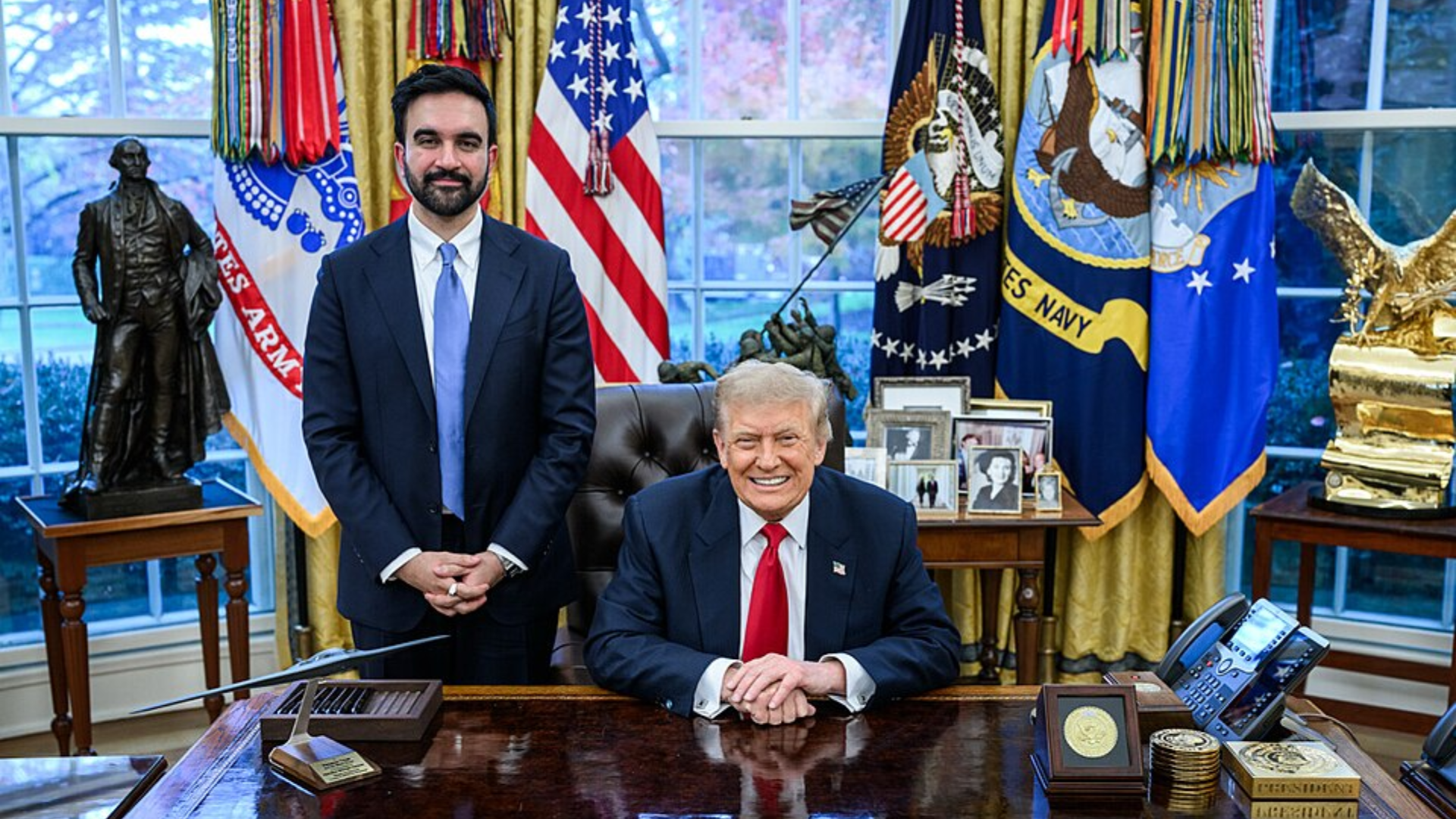
The controversy surrounding Mamdani’s proposal has expanded into a wider political debate about progressive economic policies and government involvement in everyday consumer services. Supporters of public grocery initiatives argue that cities should take stronger action to address affordability challenges facing working-class families. Opponents, meanwhile, view the proposal as an example of excessive government expansion into private industry.
Political analysts note that proposals involving food prices and grocery access often generate strong public reactions because they directly affect household budgets. Rising costs tied to groceries, housing, and utilities have become major concerns for many urban voters. As a result, debates surrounding city-run grocery stores are increasingly tied to larger discussions about inflation, economic inequality, and government responsibility.
The public disagreement between Mamdani and Catsimatidis also reflects the growing divide between progressive policy advocates and business leaders over how cities should respond to affordability pressures. Social media reactions to the comments varied widely, with some praising the proposal as innovative while others criticized it as unrealistic or politically motivated. The issue continues attracting attention as New York City voters closely watch the broader economic debate unfold.
Debate Over City-Run Grocery Stores Continues to Intensify
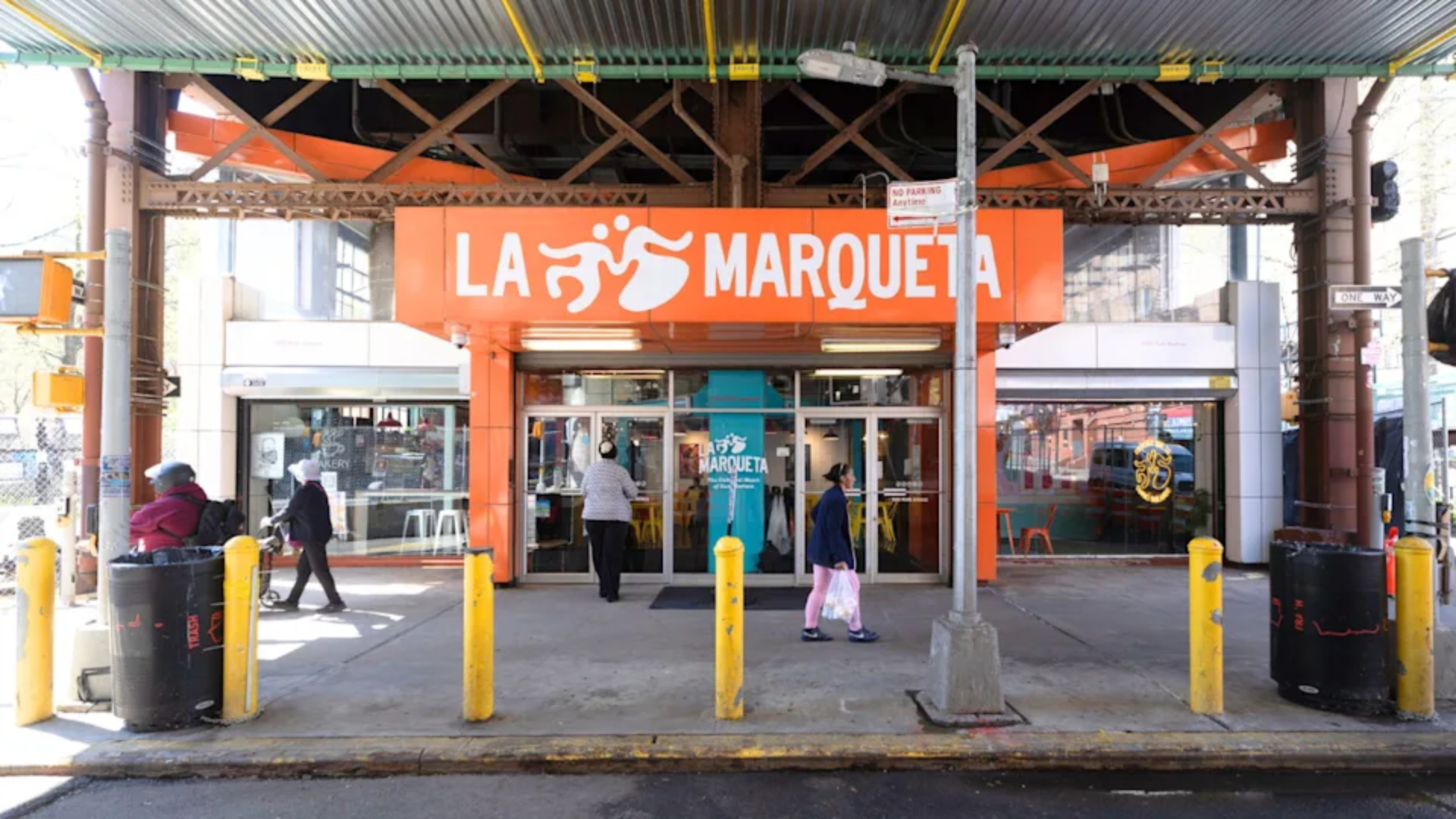
The dispute over Zohran Mamdani’s city-run grocery proposal intensified after billionaire CEO John Catsimatidis publicly criticized the plan and described it as “just a game being played.” Supporters argue the proposal could improve food access and reduce grocery costs in underserved neighborhoods throughout New York City. Critics, however, continue warning that government-backed supermarkets could disrupt private competition and create long-term financial challenges.
The debate highlights broader national tensions surrounding inflation, affordability, and the role governments should play in essential consumer industries. Grocery prices remain a major issue for households across the country, making proposals tied to food access politically significant. Business leaders, policymakers, and voters continue weighing whether public grocery initiatives would provide meaningful relief or create additional economic complications.
As discussion continues, the proposal has become part of a larger conversation about how cities respond to rising living costs and economic inequality. Reactions from both supporters and opponents demonstrate how closely food prices and public policy are connected in today’s political climate. The controversy surrounding the plan is likely to remain a major topic as New York City’s political and economic debates continue evolving.