Billionaire Ambani Wants AI in Every Call, App, and Home. What Happens to Privacy?


Mukesh Ambani, Asia’s richest businessman and the chairman of Reliance Industries, is betting heavily that artificial intelligence will become a part of nearly every aspect of daily life. Through Reliance Jio, India’s largest telecom operator, Ambani has outlined plans to integrate AI into phone calls, mobile apps, business services, and smart home technologies, with the goal of making advanced AI tools available to hundreds of millions of users.
The vision reflects a broader global race among technology giants to embed AI into everyday products and services. Supporters argue that AI-powered systems can improve convenience, productivity, communication, and access to information. However, privacy advocates warn that the more deeply AI becomes integrated into daily life, the more questions arise about how personal data is collected, stored, analyzed, and protected.
As companies push toward an AI-powered future, the debate is shifting from whether AI will become ubiquitous to how much personal information consumers are willing to share in exchange for its benefits.
Ambani’s Vision Would Put AI Everywhere

According to reports, Reliance Jio is working to embed artificial intelligence throughout its vast ecosystem of digital services. The company envisions AI enhancing everything from customer support and communications to business applications and connected home devices. With Jio serving hundreds of millions of users across India, even modest AI integrations could affect a massive number of people.
The strategy is part of a larger effort to position India as a major player in the global AI economy. Rather than limiting AI to specialized tools used by businesses, Ambani’s approach aims to make the technology available through services people already use every day. This could include AI-powered voice assistants, intelligent customer service systems, automated content recommendations, and smarter communication platforms.
Supporters say widespread adoption could help expand digital access and improve efficiency for consumers and businesses alike. By lowering barriers to advanced technology, AI could become as common and essential as smartphones or internet access are today.
Privacy Questions Grow As AI Expands

The same features that make AI powerful also create privacy concerns. Modern AI systems often rely on large amounts of user data to provide personalized responses, understand preferences, and improve performance. The more integrated these systems become, the more information they may process about users’ habits, communications, and daily activities.
Privacy advocates argue that consumers deserve clear explanations about what information is being collected and how it is being used. Questions surrounding data retention, third-party access, security protections, and user consent have become increasingly important as AI systems gain access to more aspects of everyday life.
Experts also note that trust will play a major role in adoption. Consumers may embrace AI-driven services if they believe their data is being handled responsibly, but concerns about surveillance, misuse, or unauthorized access could slow acceptance if companies fail to provide transparency and robust safeguards.
The Future May Depend On Finding The Right Balance
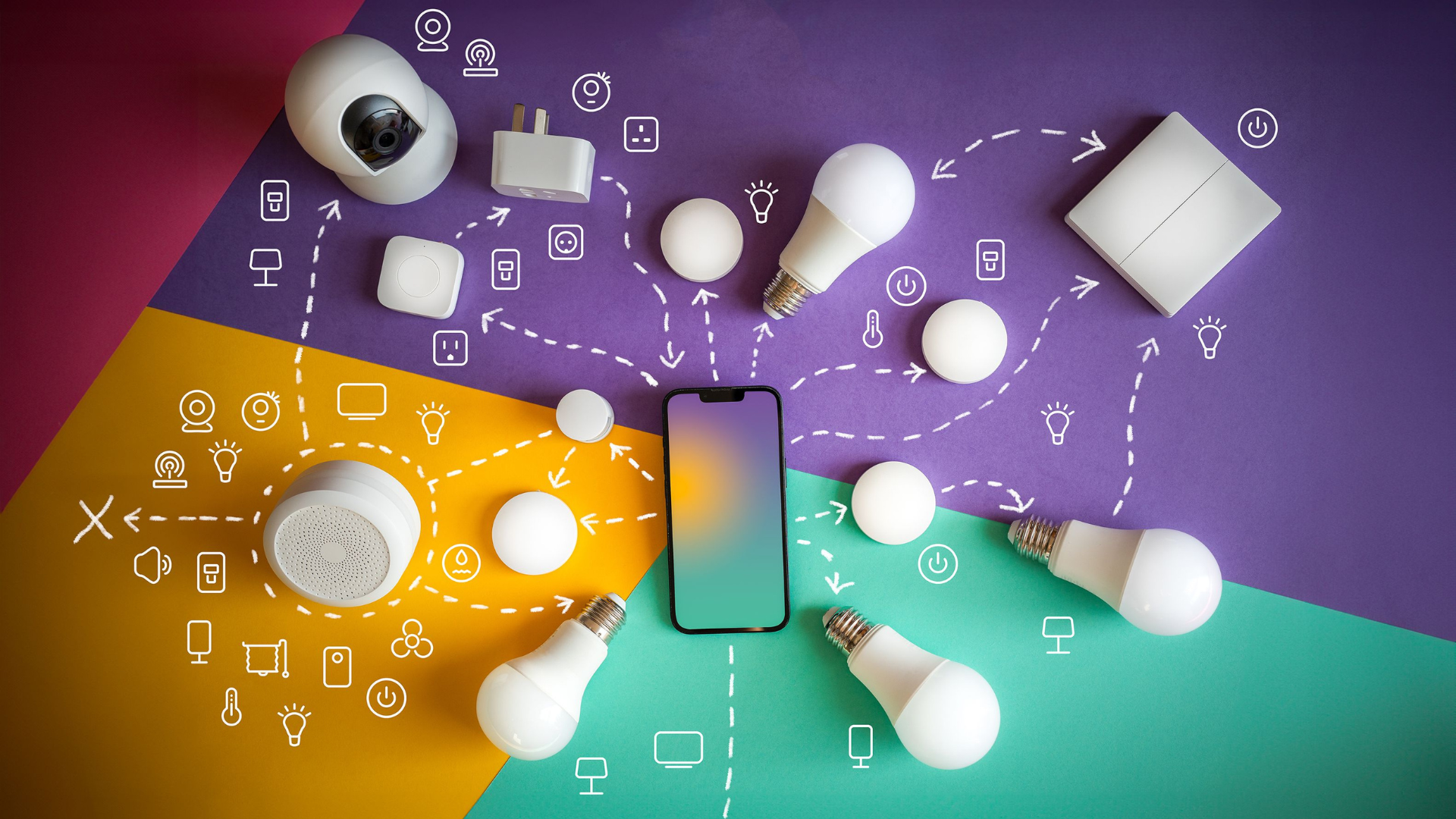
Technology leaders around the world are pursuing similar ambitions, seeking to weave AI into smartphones, homes, vehicles, workplaces, and entertainment platforms. The challenge is ensuring that innovation does not outpace the protections needed to safeguard personal information.
Regulators, technology companies, and consumer advocates are increasingly focused on creating frameworks that encourage innovation while protecting privacy rights. Future AI systems may need stronger transparency standards, clearer consent mechanisms, and more user control over how personal data is used.
Ultimately, Ambani’s vision highlights a larger transformation underway across the global technology industry. AI is rapidly moving from a specialized tool to a foundational layer of digital life. Whether consumers fully embrace that future may depend not only on what AI can do, but on whether companies can convince users that their privacy remains protected along the way.