Avoid and Don’t Even Consider These 5 Phone Carriers, According to Customers


Consumer Reports surveyed more than 115,000 members, J.D. Power heard from tens of thousands of wireless customers, and the American Customer Satisfaction Index collected nearly 27,000 more responses. Three surveys with three different methods kept surfacing the same five phone carriers among the lowest scorers. Some are household names with towers across the country. Others borrow their signal from a rival. The first name on the list switched networks in 2025 after a $23 billion deal.
1. Boost Mobile Moved All Its Customers to AT&T’s Network After a $23 Billion Spectrum Deal
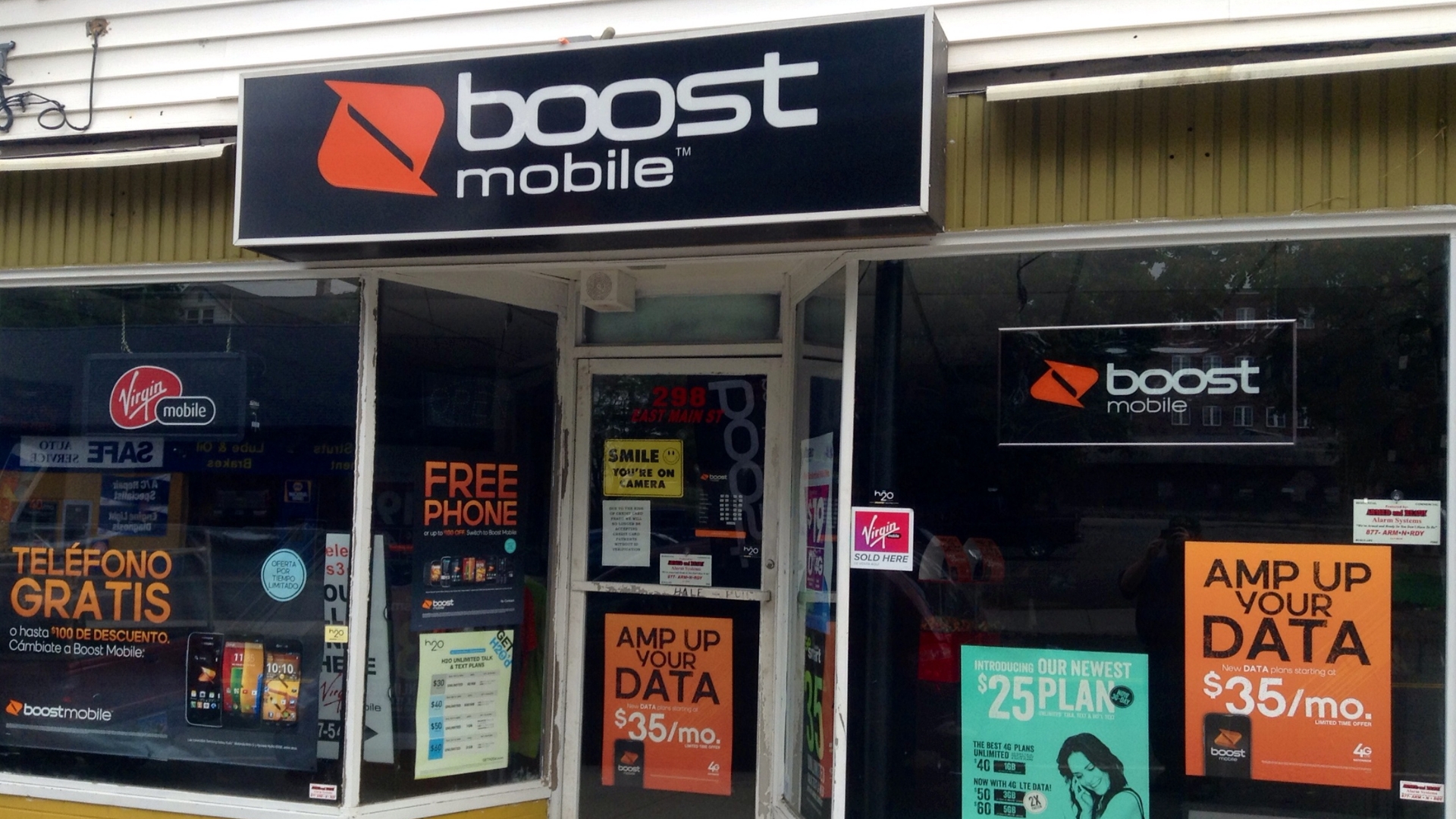
EchoStar, the parent company of Boost Mobile, agreed in 2025 to sell spectrum licenses to AT&T for roughly $23 billion. By November 15, 2025, Boost had moved every customer off its own 5G network and onto AT&T’s towers, according to EchoStar’s filings. Its subscriber base then slid from 7.527 million at the end of March 2026 to 7.375 million three months later. Those customers now travel on the network of another carrier that appears later on this list.
2. Xfinity Mobile Lands Fourth-Worst in Consumer Reports and Last Among Postpaid Virtual Carriers at J.D. Power

Comcast launched Xfinity Mobile in 2017 and runs it on Verizon’s network, supplemented by about 20 million Wi-Fi hotspots. Consumer Reports members ranked it fourth-worst among 26 providers, pointing to weak customer service and poor value. J.D. Power’s January 2026 study gave Xfinity 594 points on a 1,000-point scale, the lowest of five postpaid virtual carriers and 20 points behind Spectrum Mobile, another cable company’s phone service. One more carrier on this list shares Xfinity’s host network.
3. Total Wireless Trails Sister Brand Visible by 104 Points in J.D. Power’s January Survey
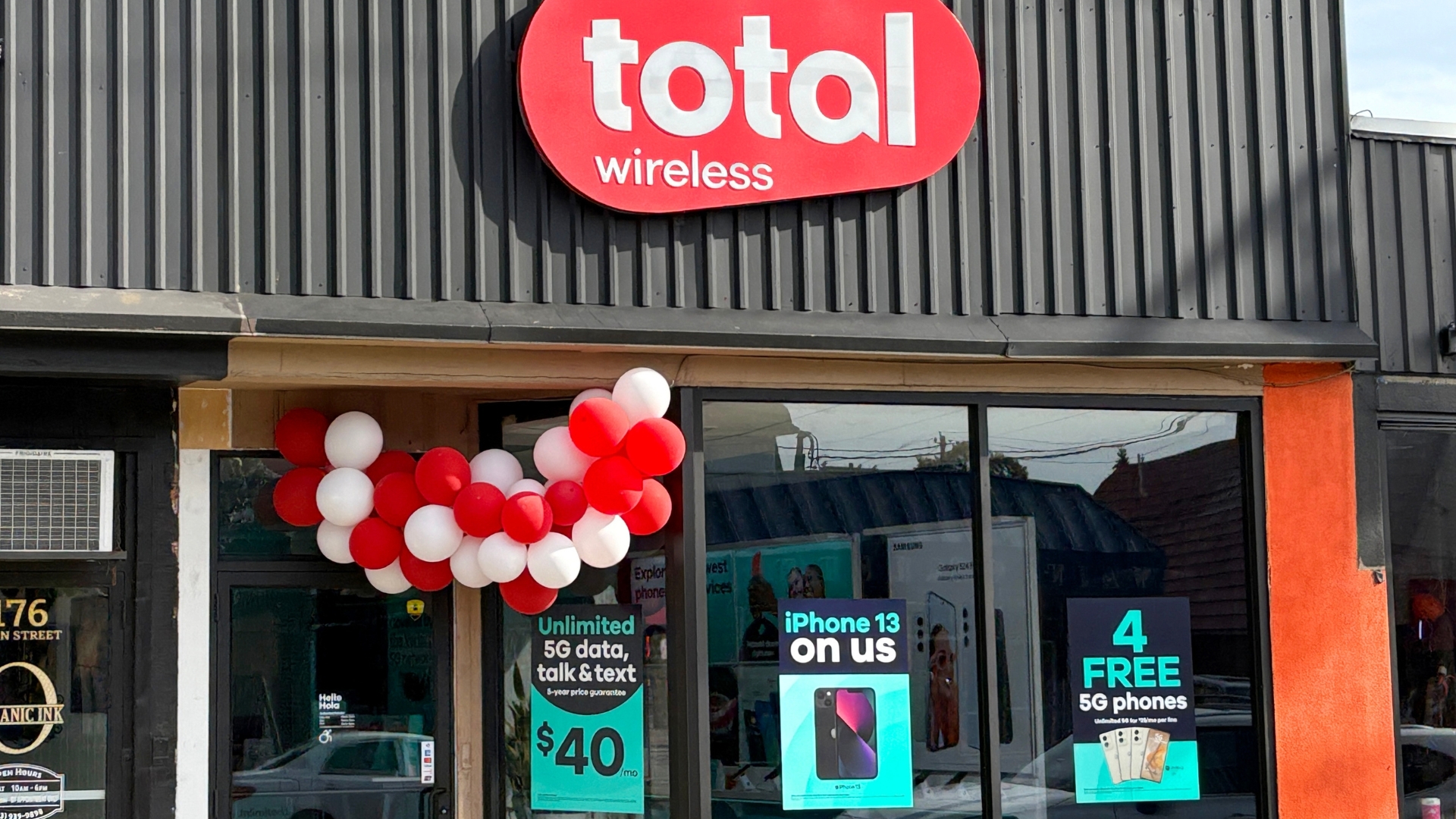
Total Wireless, a prepaid brand owned by Verizon, scored 598 in J.D. Power’s January 2026 study, the lowest among prepaid virtual carriers. Visible, a sister brand, earned 702. Consumer Reports ranked Total Wireless sixth-worst of 26 providers, with customer service as its weakest category. The American Customer Satisfaction Index gave it a 74 out of 100, the lowest among budget carriers and 10 points behind leader Consumer Cellular. Only one other carrier on this list shares that 74.
Boost Mobile Improved Its Score by 4% and Still Finished Last Among Full-Service Carriers
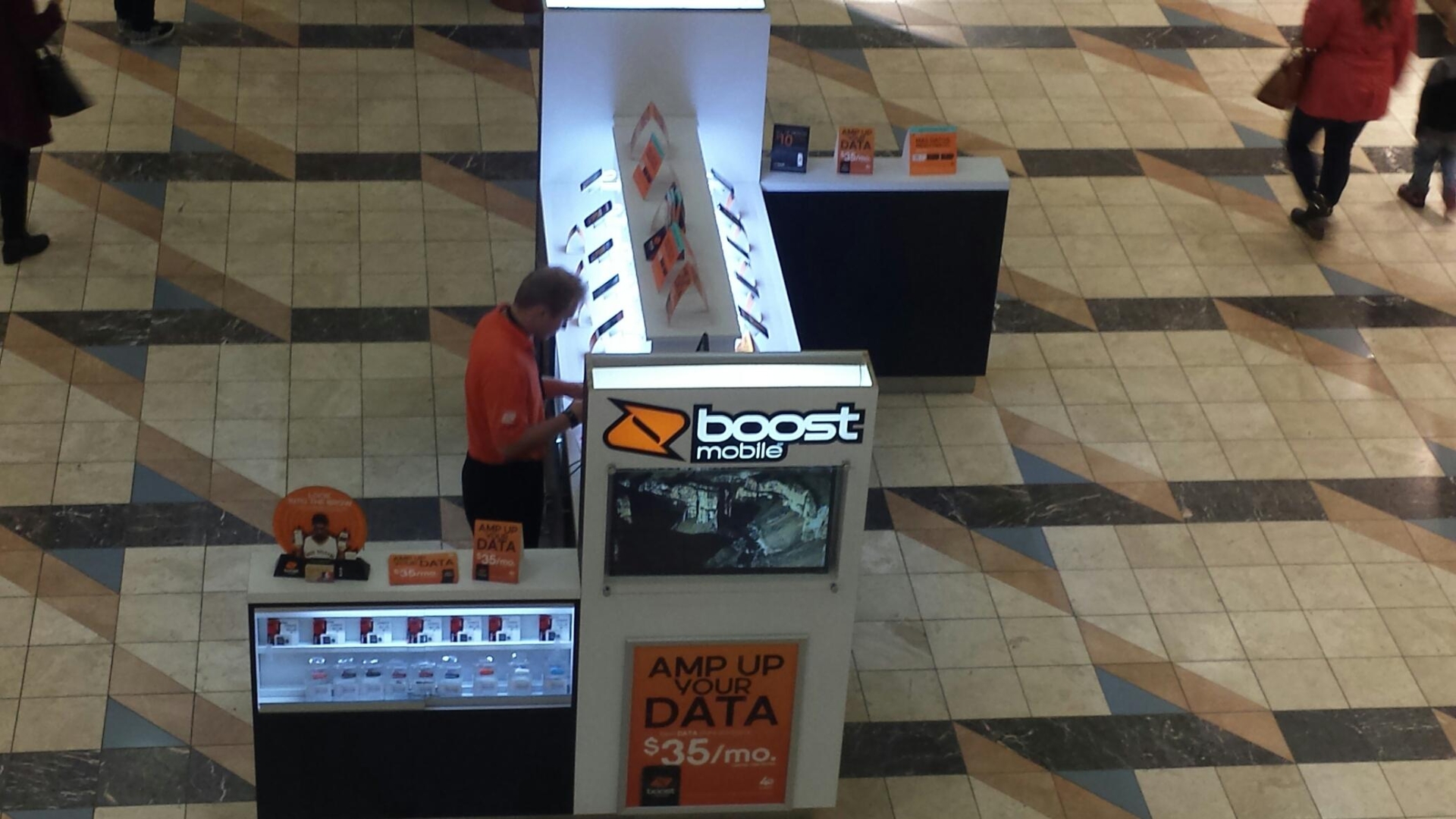
Boost earned a 74 from the ACSI, matching Total Wireless for the lowest score among virtual carriers. Leaders Spectrum Mobile and Metro by T-Mobile posted 78. Boost improved 4% over 2025 and still finished last among full-service brands. J.D. Power’s January study found Boost at 612 postpaid and 610 prepaid, over 100 points behind each category’s top brand. Satisfaction across the industry hit a record 77 this year, yet two national network operators still tied for last.
4. Verizon Ranks Third-Worst of 26 Providers in Consumer Reports, With Value Rated 1 Out of 5

Verizon serves roughly 140 million consumer, business, and government customers, and Consumer Reports members placed it third-worst among 26 providers. Only two carriers scored lower. Verizon even finished below Total Wireless and Visible, two brands it owns. Value drew the harshest verdict, with members awarding the lowest possible rating of 1 out of 5. The remaining categories scored closer to average. Exactly one other major carrier received that same value rating.
Verizon Trails T-Mobile by 22 Prepaid and 30 Postpaid Points in J.D. Power’s July Study
In J.D. Power’s July 2026 study, Verizon scored 615 among prepaid customers and 606 among postpaid customers, trailing T-Mobile by 22 and 30 points. The ACSI placed Verizon at 76, two points under T-Mobile and tied for the bottom of the network operator group. The signal draws praise elsewhere, since J.D. Power’s separate network study ranked Verizon highest outright in three regions. Satisfaction also reflects price and service. A second carrier sits even lower on J.D. Power’s chart.
5. AT&T Ranks Second-Worst of 26 Providers in Consumer Reports, With Only Optimum Rated Lower
The AT&T name dates to 1885. It outlasted the 1984 breakup of the Bell System, then passed to SBC in a 2005 takeover that kept the name. Today Consumer Reports members rank it second-worst among 26 providers, above only cable-owned Optimum. Value received the same lowest-tier verdict as Verizon, and customer service scored only slightly higher. Data and reception landed in the middle. On J.D. Power’s chart, AT&T occupies a spot no other network operator holds.
AT&T’s 596 Postpaid Score Is the Only Network Operator Result Below 600 in J.D. Power’s July Study
AT&T’s 596 postpaid score sits 40 points behind T-Mobile’s 636 and stands as the only network operator result below 600. Prepaid customers rated it 614, 23 points behind T-Mobile. The ACSI tied AT&T with Verizon at 76, the lowest among the national operators. Network quality holds up, with J.D. Power logging some of the lowest problem rates ever recorded and AT&T tied for second in the North Central region. Boost Mobile’s 7.4 million subscribers now depend on that same network.
Customer Surveys Show Owning the Towers Does Not Guarantee Satisfied Customers

Xfinity Mobile and Total Wireless run on Verizon’s network, and Boost Mobile runs on AT&T’s. Owning those towers gave Verizon and AT&T no cushion against complaints about price and service. Consumer Cellular, which rents space on both AT&T and T-Mobile, earned the highest ACSI score of any wireless provider this year at 84. Customers in these surveys judged carriers on value and service, and the five above fell short on one or both.