The U.S. Government Is Now Automatically Signing Your Son Up for the Draft Whether You Like It or Not
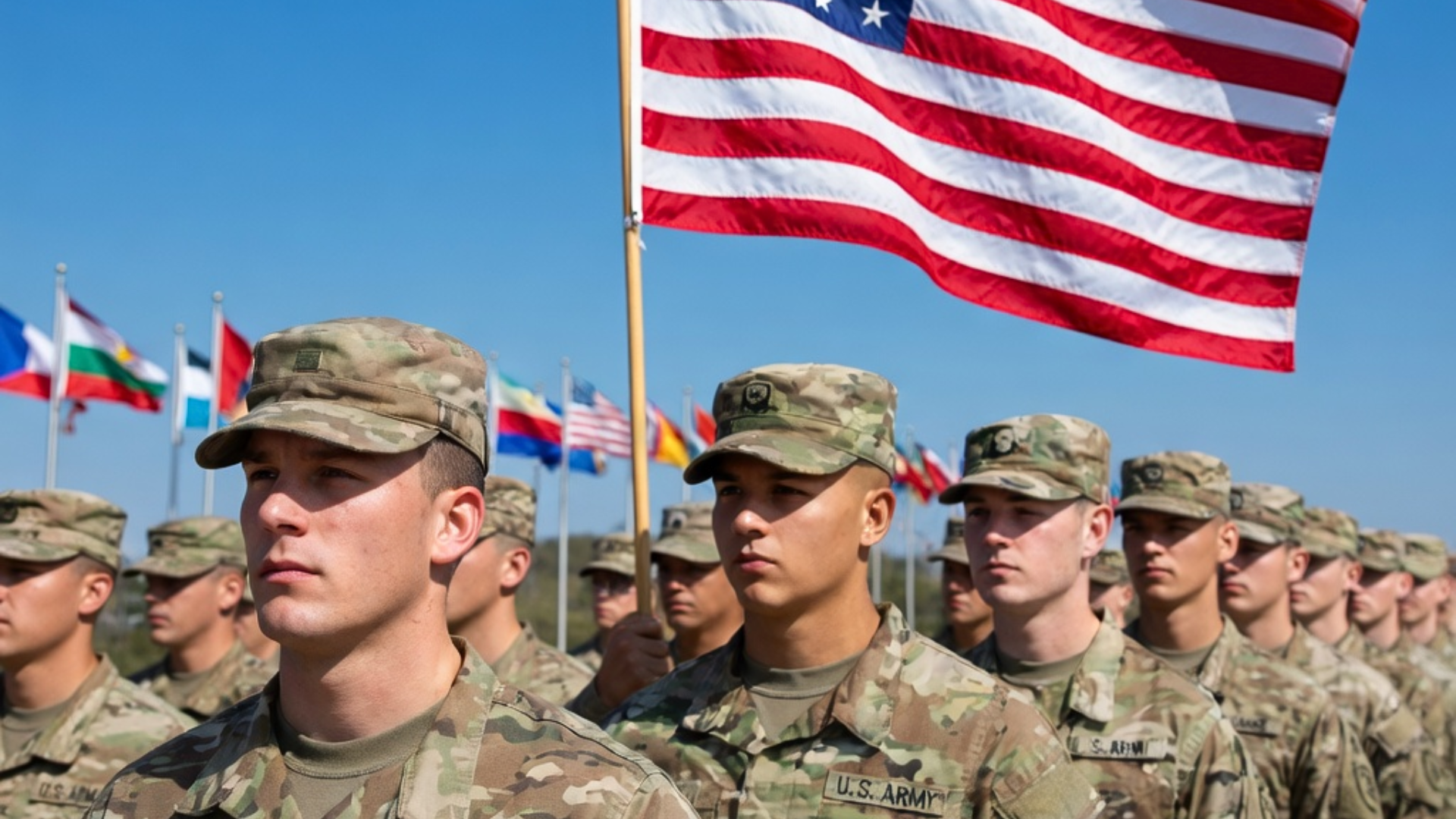

No form. No reminder. No choice. Beginning in December 2026, young men in the United States between the ages of 18 and 26 will be automatically enrolled in the Selective Service System, the federal registry used to organize a military draft if one is ever activated. The measure was tucked into the annual defense policy bill President Donald Trump signed into law on December 18, 2025. Congress passed it with bipartisan support. And most American families have no idea it happened.
This Is Not New But Going Nationwide
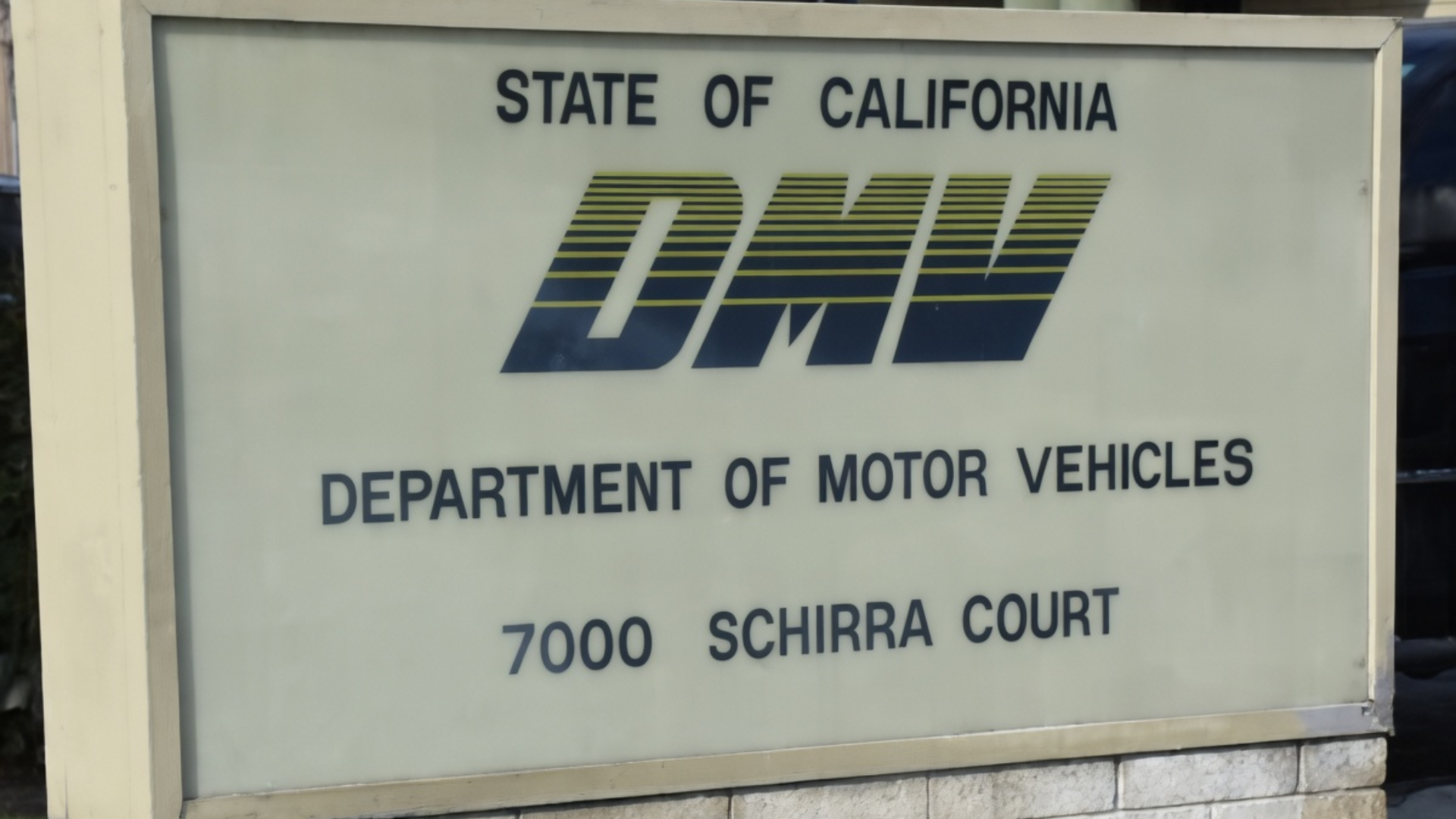
Automatic Selective Service registration is not a completely new concept. According to the Selective Service System’s 2024 report, 46 states and territories already had some version of automatic enrollment in place, often triggered when a young man applies for a driver’s license or state identification. States like Arizona, Delaware, and Washington D.C. have operated this way for years. What changed with the new law is that the patchwork system is being replaced by a uniform national standard; one that applies to every eligible male in the country, regardless of which state he lives in.
Who Exactly Gets Registered

The National Defense Authorization Act defines the scope of automatic registration broadly. It covers male U.S. citizens between 18 and 26, but it does not stop there. Green card holders, refugees, asylum seekers, and undocumented men living in the country are also included under the mandate. The one group specifically exempted is men on non-immigrant visas. The existing law already required manual registration within 30 days of an 18th birthday, with late registrations accepted up to age 26. The new rule eliminates the need for any individual action the government pulls the data and registers men directly.
The Penalties for Not Registering Are Severe

Under current law, failing to register for Selective Service is a federal felony. The consequences include loss of eligibility for federal student loans, federal job opportunities, and certain professional licenses. Beyond that, the Military Selective Service Act allows for imprisonment of up to five years and fines of up to $250,000. Democratic Representative Chrissy Houlahan, who sponsored the automatic registration language, framed the change as a protection for young men who might have missed the requirement unknowingly. According to her statement, the measure ensures young men are no longer penalized for something they simply did not know they had to do.
How the Government Actually Gets the Data

The mechanism behind automatic registration is less dramatic than it sounds and has been quietly operating in most states for years. According to the SSS 2023 report, more than 60 percent of Selective Service registrations already came from state motor vehicle departments. When a young man applies for a driver’s license or state ID, his information is shared with the federal registry. The new national rule standardizes and expands that data-sharing pipeline. In states where that system was not yet in place, eligible men will now be enrolled through whatever federal data source captures their information first.
Does This Mean a Draft Is Coming?
The automatic registration measure has no direct connection to any current military conflict. Congressional sponsors were careful to note it passed with bipartisan support months before tensions with Iran escalated in 2025. A draft cannot happen without a separate act of Congress, automatic registration simply ensures the pool of eligible men is current and complete if that moment ever comes. The Trump administration has declined to rule out the possibility of ground troops in Iran, which has brought renewed public attention to the draft system. But enrollment in the Selective Service is not the same as being called up to serve.
How a Draft Would Actually Work

If Congress ever authorized a draft, not every registered man would be called. The process involves a lottery system in which birthdays and numbers are randomly selected. The first group to receive induction orders would be men whose 20th birthday falls in the year of the draft, followed in sequence by those who are 21, 22, 23, 24, 25, then 19, and finally men more than six months past their 18th birthday. Being selected in the lottery does not mean automatic service. Selected individuals can apply for exemptions or deferments, and all remaining candidates go through physical, mental, and moral evaluations before being cleared for service.
The Bipartisan Logic Behind the Change

One of the less-discussed aspects of this story is that the automatic registration measure passed with support from both parties, a relatively rare occurrence in the current political climate. The argument from both sides was largely administrative: the existing opt-in system was inefficient, inconsistently enforced, and resulted in hundreds of thousands of young men being unknowingly non-compliant. Federal agencies spent money advertising the requirement, and young men lost access to student loans and job opportunities without ever understanding why. Automatic registration, supporters argued, is simply a more honest and efficient version of a requirement that was already on the books.
What Parents and Young Men Are Actually Asking

The public conversation around this measure tends to focus on two distinct concerns. The first is practical: what does this mean for my son right now, and does it change anything about his daily life? The short answer is no. Being registered does not create any immediate obligation. The second concern is emotional and harder to dismiss: in a world where active military conflict is ongoing and the administration has not ruled out escalation, automatic enrollment in a draft pool feels different than it might have felt five years ago. The timing of the policy’s implementation has made the anxiety around it impossible to separate from current events.
Registration Is Automatic Now. Everything Else Still Requires an Act of Congress.

The most important thing to understand about this change is what it does and does not do. It removes a bureaucratic hurdle from a system that already existed and already required participation. It does not activate a draft. It does not expand who is eligible. It does not change the penalties that were already in place. What it does is ensure that when the government needs to know who is available, it will already have the answer. Whether that information ever gets used for anything beyond a database entry depends entirely on decisions that have not been made and would require a level of Congressional action far beyond what December’s quiet enrollment represents.