Automaker Nissan Cuts 11 Models in Strategic Electric Shift


Nissan is undergoing a major transformation as it moves to cut 11 vehicle models from its global lineup. The decision is part of a broader turnaround strategy aimed at improving profitability and focusing on future technologies. By reducing its offerings, the company plans to concentrate on vehicles that better align with shifting consumer demand.
The move will shrink Nissan’s portfolio from 56 models to 45, signaling a significant shift in how the automaker approaches production and development. Executives say the cuts will primarily target low-performing models that no longer fit the company’s long-term vision. This streamlined approach is designed to make the brand more competitive in an increasingly crowded global market.
The restructuring comes as Nissan faces mounting pressure from rivals investing heavily in electric vehicles and advanced technology. Years of financial struggles have also forced the company to rethink its strategy. This latest move reflects a broader effort to stabilize operations while preparing for the next era of mobility.
Why Nissan Is Cutting 11 Models
Nissan has made it clear that the models being eliminated are those considered less profitable or no longer competitive. By removing these vehicles, the company can redirect resources toward products with stronger demand and higher margins. This shift allows Nissan to operate more efficiently and reduce unnecessary complexity.
As part of the overhaul, Nissan is reorganizing its lineup into categories such as Heartbeat, Core, Growth, and Partner models. Iconic vehicles like the Z and Patrol will remain central to the brand, while newer electrified models will take on a larger role. This structure is intended to create a clearer identity for the company’s future offerings.
The company is also working to simplify its engineering processes by reducing parts complexity and the number of platforms it uses. This will help speed up development times and lower production costs across the board. These changes are expected to make Nissan more agile as it responds to market trends.
A Bigger Push Toward Electric and Smart Technology
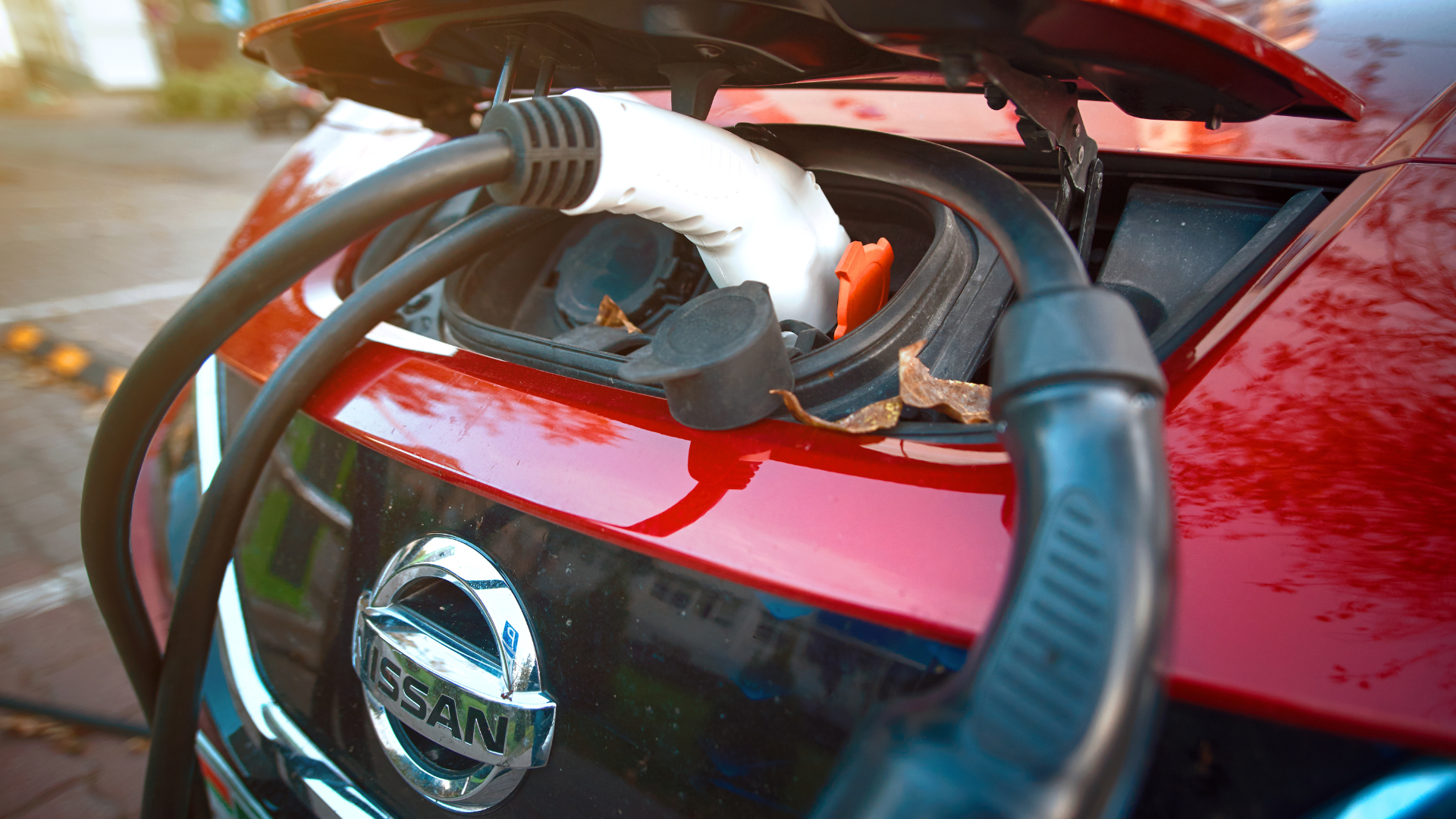
A major focus of Nissan’s strategy is expanding its lineup of electric and hybrid vehicles. The company plans to offer more diverse powertrain options, including fully electric models and innovative hybrid systems. This approach is aimed at meeting growing global demand for cleaner and more efficient transportation.
Nissan is also investing heavily in advanced technologies, including AI-driven features and autonomous driving systems. The company aims to integrate these technologies into a large portion of its future vehicles. This shift reflects a broader industry trend toward smarter, more connected cars.
New models, including electric crossovers and hybrid SUVs, are expected to replace some of the discontinued vehicles. These additions are designed to appeal to modern drivers who prioritize efficiency, performance, and technology. The success of these models will play a key role in Nissan’s long-term recovery.
A Bold Reset for the Future
Nissan’s decision to cut 11 models marks a bold step in reshaping its global strategy. The move reflects a clear shift toward efficiency, innovation, and electrification as the company adapts to a changing industry. By narrowing its focus, Nissan is positioning itself for a more sustainable future.
While the plan carries some risk, it also gives the company an opportunity to rebuild and strengthen its market position. Success will depend on how well Nissan executes its new strategy and delivers vehicles that resonate with today’s consumers. The coming years will be critical in determining the outcome of this transformation.
Ultimately, the restructuring signals that Nissan is willing to make difficult decisions to stay competitive in a rapidly evolving automotive landscape. The company’s shift toward electric vehicles and advanced technology could redefine its identity for the next generation.