Astronaut Health Issue Triggers Early Return From the International Space Station
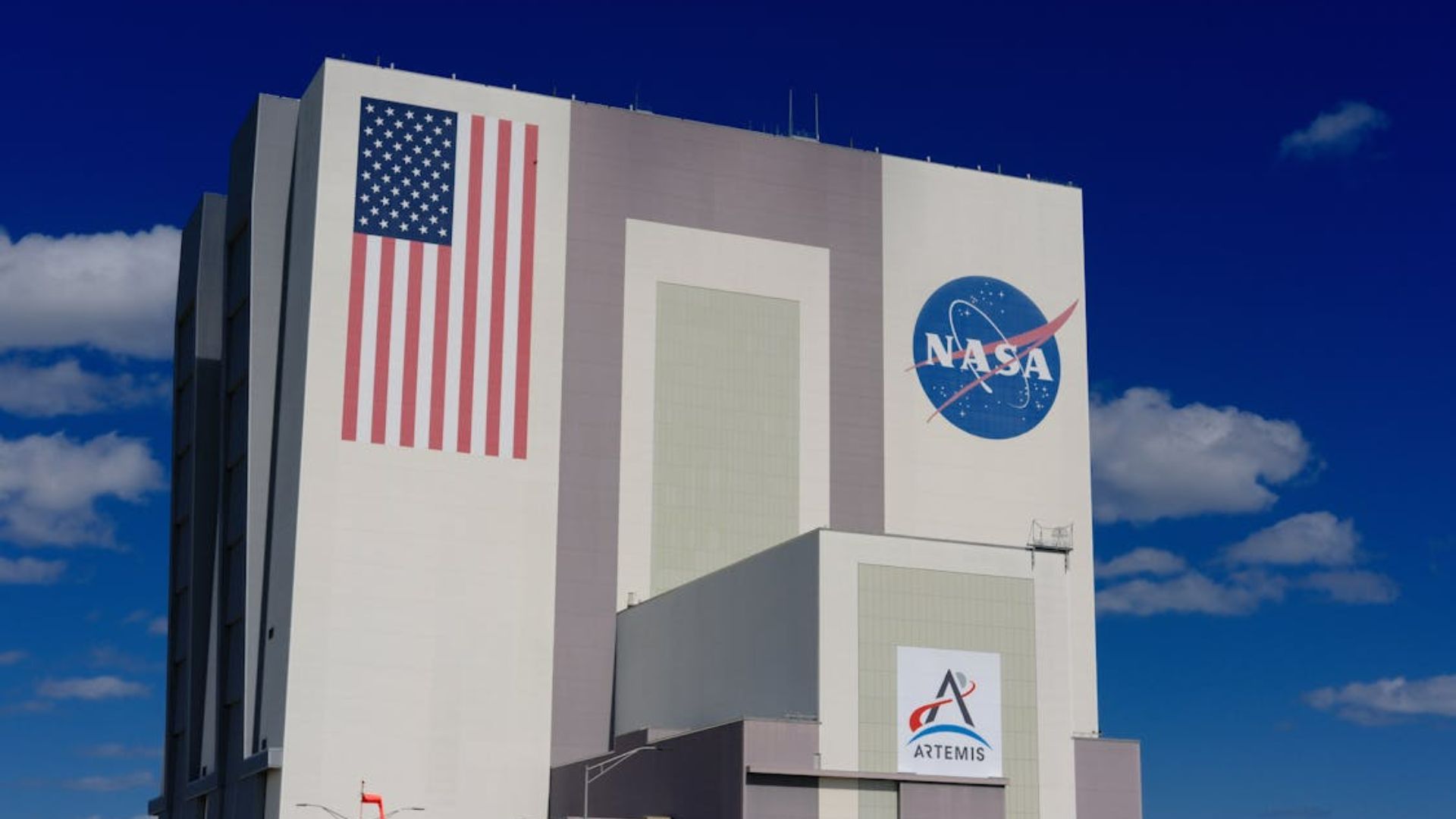

A serious medical condition affecting one crew member aboard the International Space Station has prompted NASA to bring the astronaut and three crewmates back to Earth months earlier than planned, marking the first emergency return in the orbiting laboratory’s 25-year history. NASA Administrator Jared Isaacman told reporters during a short-notice press conference in Washington that medical officials decided that the capability to diagnose and treat the condition properly does not exist on the International Space Station.
The affected astronaut is part of the Crew-11 mission, which includes U.S. astronauts Zena Cardman and Mike Fincke, Japanese astronaut Kimiya Yui, and Russian cosmonaut Oleg Platonov. The crew launched from Florida in early August and was originally scheduled to return around late February 2026. NASA officials declined to identify which crew member experienced the medical issue or describe its nature, citing the astronaut’s medical privacy.
NASA on Wednesday afternoon called off a planned spacewalk that had been scheduled for Thursday over what it described as a medical concern with an astronaut. Fincke, the station’s designated commander, and Cardman, assigned as flight engineer, were scheduled to conduct the 6.5-hour spacewalk to install hardware outside the station. By midnight, NASA issued a statement saying it was considering ending the astronaut’s rotation mission early.
The Medical Decision Came After Careful Evaluation by Agency Leadership
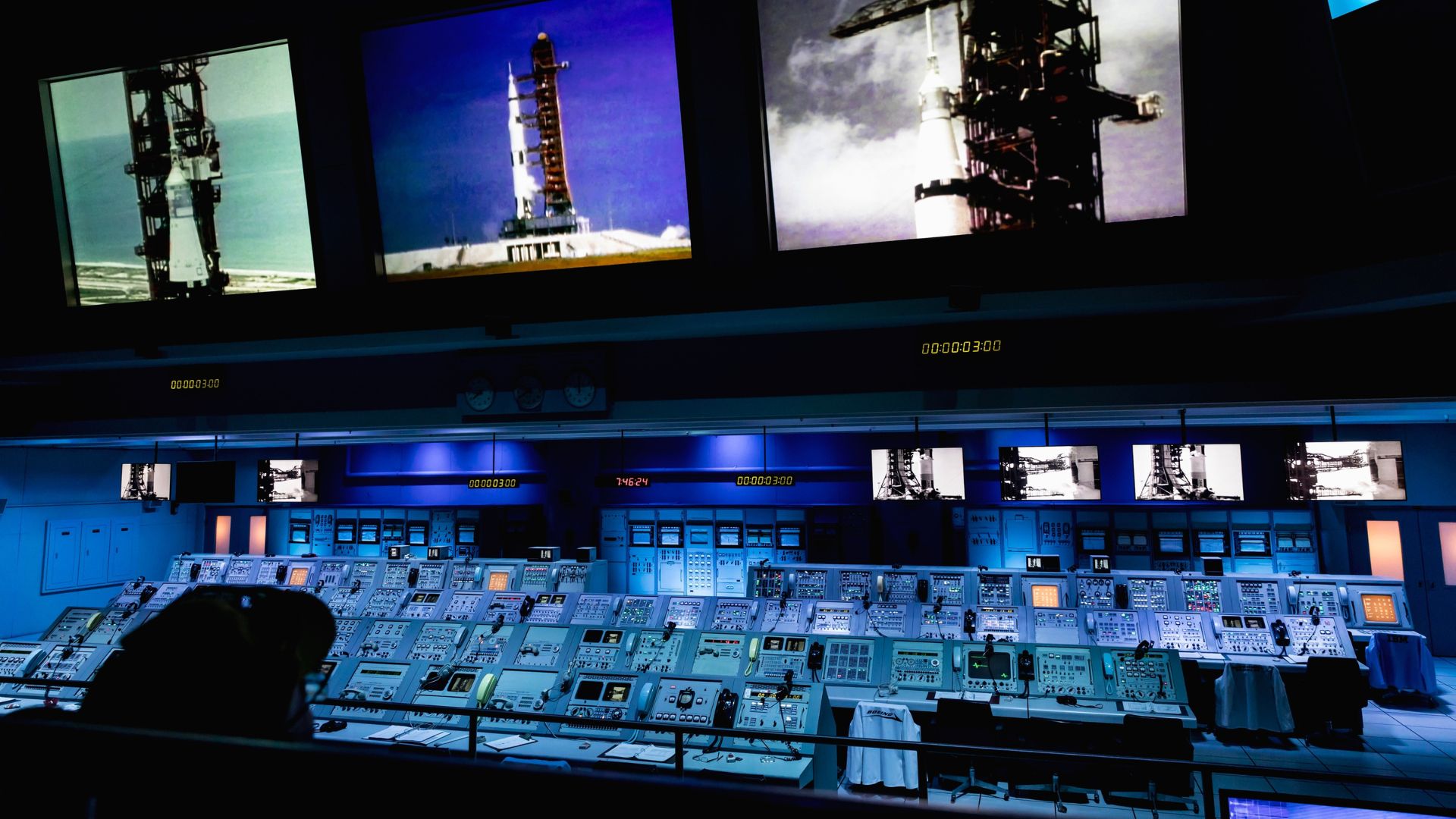
After discussions with Chief Health and Medical Officer Dr. JD Polk and leadership across the agency, Isaacman decided that returning Crew-11 ahead of their planned departure was in the best interest of the astronauts. Agency officials said during the Thursday news briefing that the situation is stable, and the early departure represents a precautionary measure rather than an emergency evacuation. NASA Chief Health and Medical Officer James Polk clarified that this was not an injury that occurred in the pursuit of operations.
The statement means the medical issue did not happen while the astronaut was working on station tasks. NASA’s astronaut corps regards medical situations on the ISS as closely held secrets, and astronauts rarely acknowledge or describe their medical conditions publicly, according to Reuters. The agency’s decision to hold a short-notice press conference and announce the early return signals the seriousness of the situation, even as officials emphasized the crew member’s condition remains stable.
Spacewalks are arduous and risky missions that require months of training, involving bulky spacesuits and carefully coordinated instructions while tethered to the ISS. The cancellation of the Cardman-Fincke spacewalk marked an immediate operational impact due to the medical concern. In 2024, NASA called off a planned spacewalk at the last minute because an astronaut experienced spacesuit discomfort. U.S. astronaut Mark Vande Hei, in 2021, called off his spacewalk over a pinched nerve.
Crew-11 Will Return in Their SpaceX Dragon Capsule Next Week
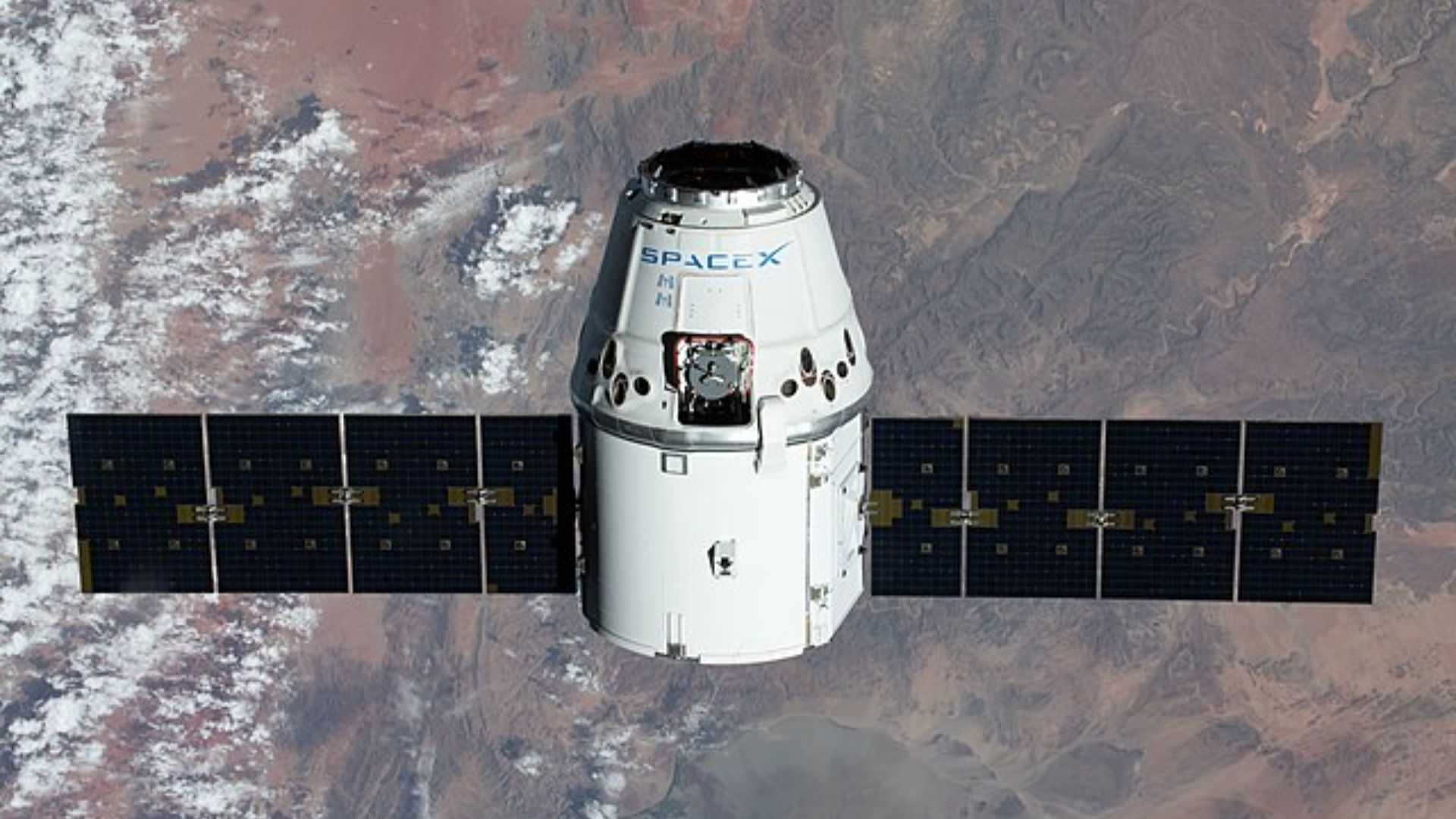
NASA announced that undocking from the space station will occur no earlier than 5 p.m. ET on Wednesday, provided weather conditions are clear at the designated splashdown site off the coast of California. The Crew-11 astronauts will make the return trip in the same SpaceX Dragon capsule that they flew to the space station. If they depart as planned on Wednesday evening, they are expected to splash down in the Pacific Ocean nearly 11 hours later.
The crew is expected to splash down at approximately 3:40 a.m. Thursday, according to NASA’s statement issued late Friday. Additional details about the precise landing time and location will be provided by NASA and SpaceX closer to the time of undocking. The early return will cut the mission significantly short, as the crew had been aboard the station since early August and was expected to remain until late February.
After Crew-11’s early departure, NASA will face several weeks with just one of its astronauts aboard the space station to oversee U.S. science experiments and operations. Flight engineer Chris Williams, who launched aboard a Russian Soyuz spacecraft on November 27, will remain as the sole NASA representative. Russian cosmonauts Sergey Kud-Sverchkov and Sergei Mikaev will continue their work alongside Williams during this reduced crew period.
NASA May Accelerate Next Crew Launch to Address Staffing Gap
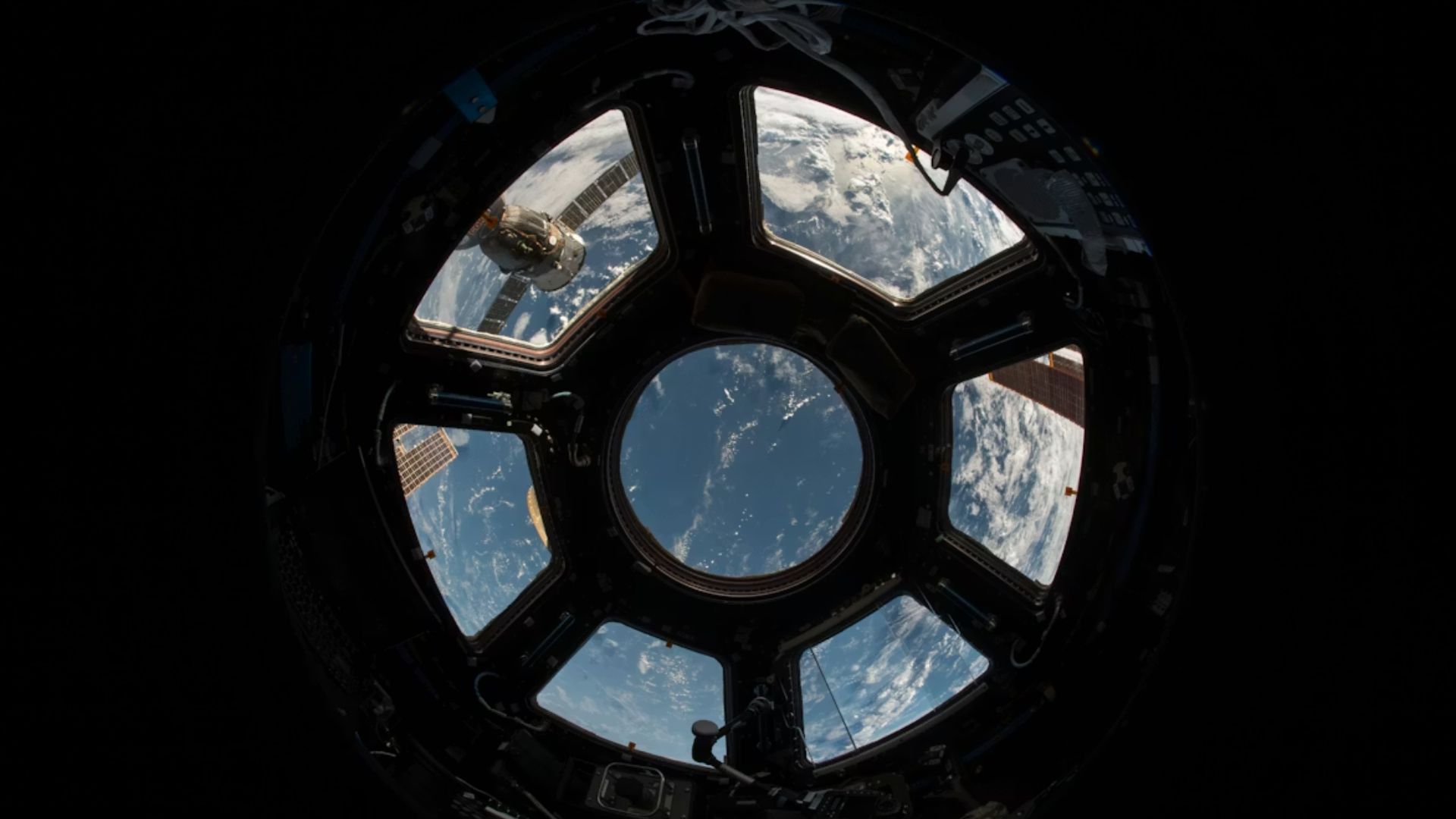
The next crew members are scheduled to launch to the ISS in mid-February as part of the Crew-12 mission, but Isaacman said NASA will evaluate whether to bump up that mission to address the staffing shortage. The agency must balance the operational needs of the space station with the careful preparation required for crew launches. NASA and SpaceX will need to coordinate scheduling, spacecraft readiness, and crew training timelines.
The early return marks a significant moment in space station history, as it represents the first time in 25 years of continuous human habitation that a mission has been cut short due to a medical incident in space. The decision highlights both the limitations of medical care in orbit and NASA’s commitment to astronaut health and safety. The space station lacks the diagnostic equipment and treatment capabilities available on Earth for many medical conditions.
The incident underscores the challenges of providing medical care in the isolated environment of low Earth orbit, where crew members are separated from advanced medical facilities by hundreds of miles and hours of travel time. As NASA plans longer-duration missions to the Moon and eventually Mars, the agency continues to study how to improve medical capabilities in space. The safe return of Crew-11 will demonstrate NASA’s ability to respond rapidly to medical situations.