As Gas Prices Rise, Some Americans Say They Can No Longer Afford the Commute
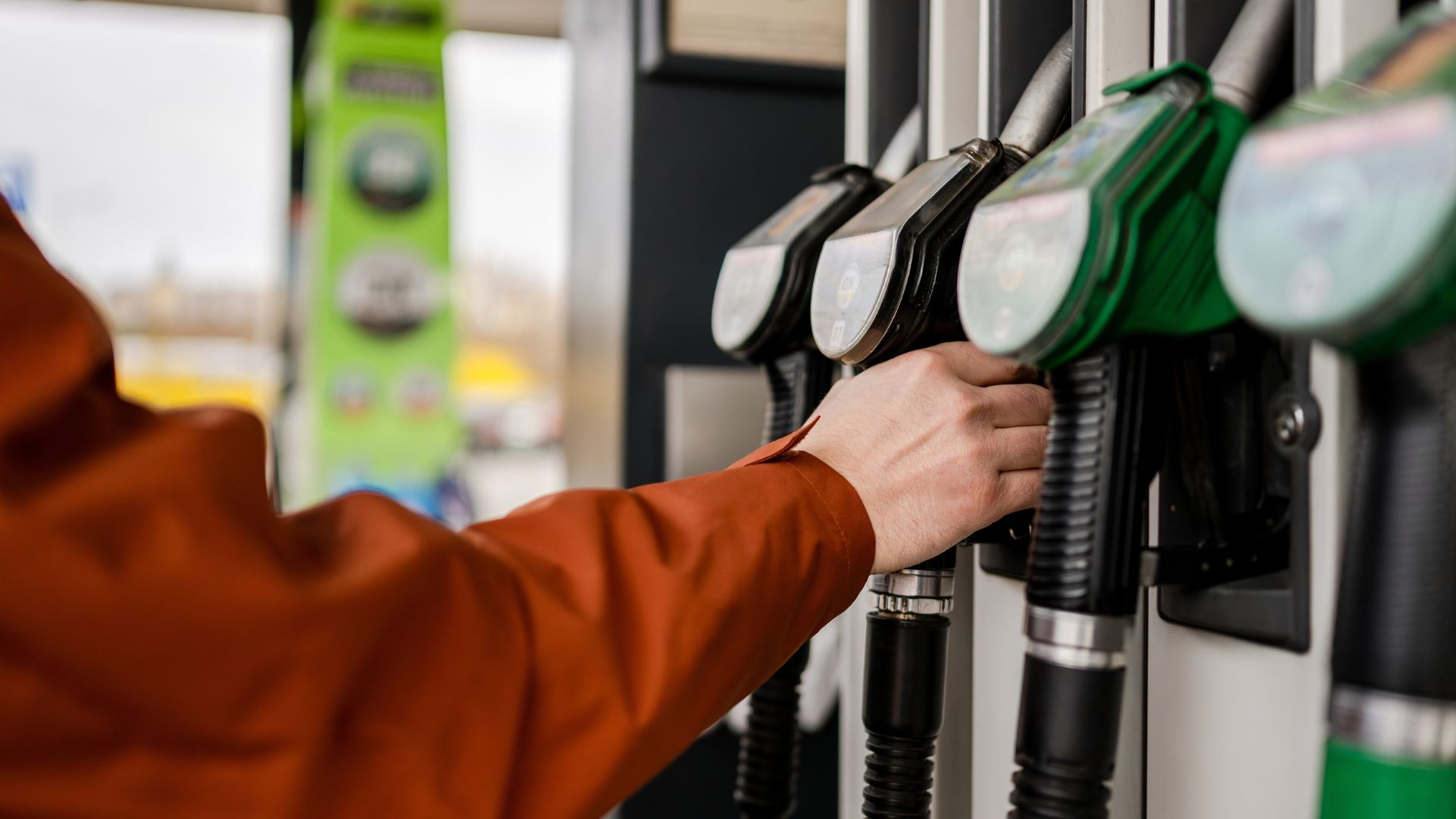

For many Americans, rising fuel costs are doing more than making trips to the gas station frustrating. They are reshaping daily routines, career decisions, retirement plans, and even where people are willing to work. As gas prices continue climbing across the country, workers with long commutes are finding themselves under growing financial pressure, forcing some to reconsider jobs they once enjoyed or opportunities they once welcomed.
A Promotion That Suddenly Became a Financial Burden
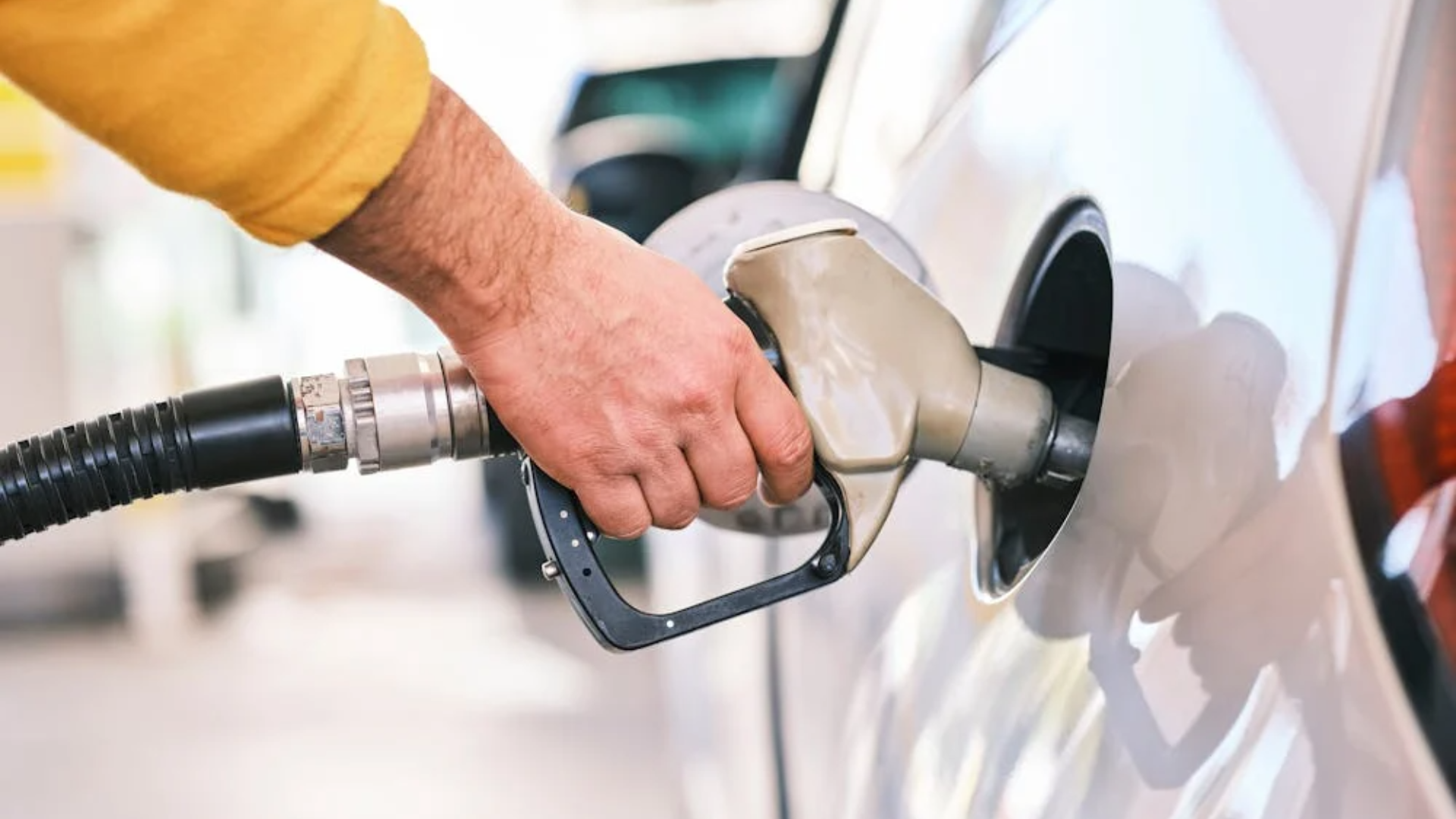
When Stephen Kaledecker accepted a promotion to regional manager at the hotel chain where he works, he expected the new role to be an exciting step forward in his career. Instead, soaring fuel prices quickly transformed the opportunity into a major financial challenge. The position requires him to drive thousands of miles every month across Ohio, Indiana, and Illinois, and with gasoline prices climbing above five dollars per gallon, his monthly fuel costs now exceed one thousand dollars. Although the promotion came with a raise, the increase is not enough to offset the growing transportation expenses, especially since mileage reimbursement will soon end. The pressure has left Kaledecker questioning whether he can afford to keep a job he genuinely loves.
Long Commutes Are Becoming Harder To Justify
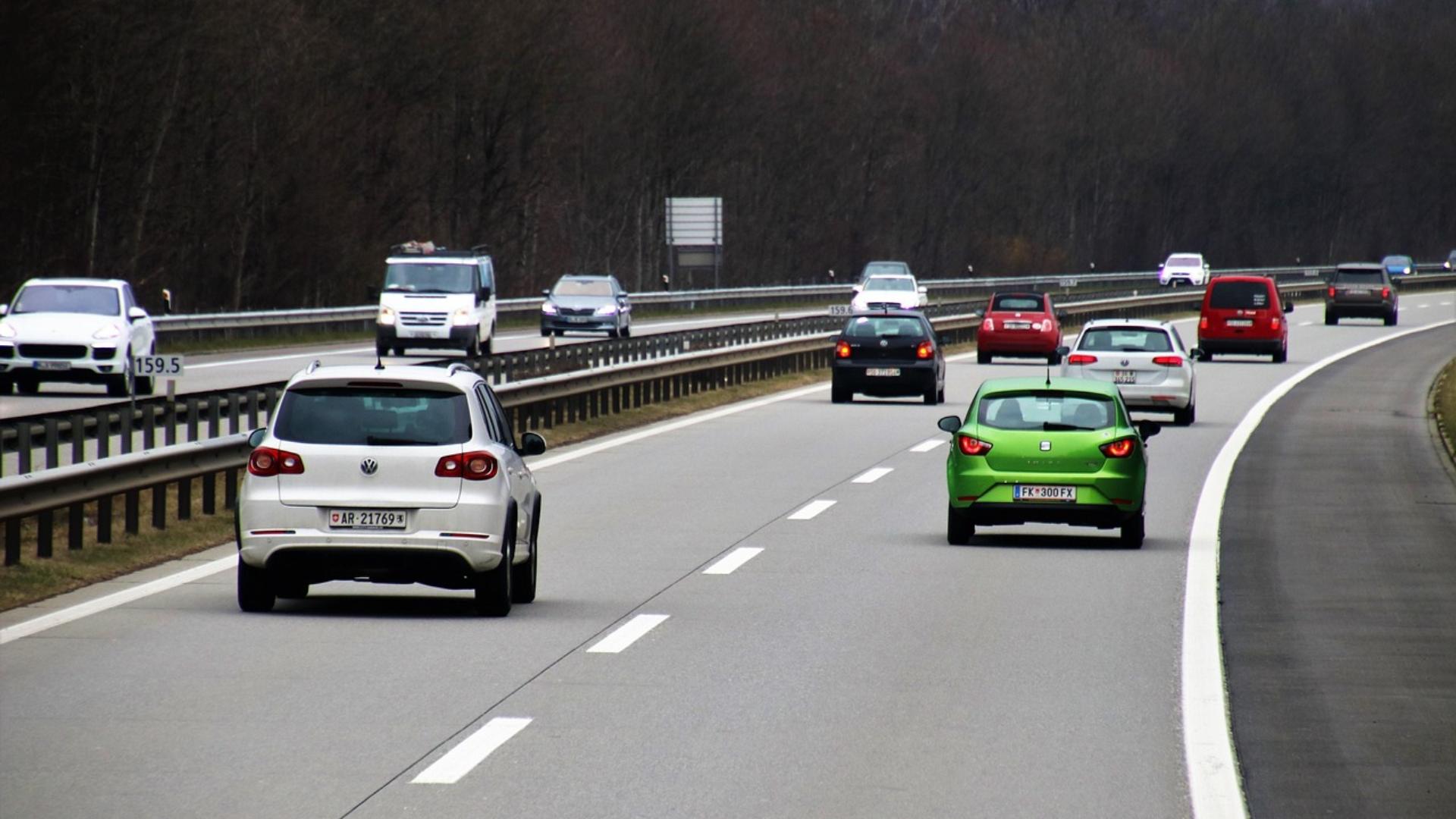
Workers who travel significant distances each day are among the people feeling the strongest impact from rising fuel costs. Many employees who once tolerated lengthy commutes for better pay or career advancement are now reevaluating whether the expense still makes sense. With average gas prices climbing dramatically in recent months, daily driving has become a major strain on household budgets. For some, the cost of filling up their vehicles now competes directly with essential expenses such as groceries, medical bills, and utility payments.
Job Seekers Are Staying Closer To Home

The increase in transportation costs is also changing the way people search for jobs. According to workplace experts, more applicants are limiting their searches to positions located within a shorter distance from home. While the shift may appear small on paper, it reflects a growing awareness that commuting expenses can significantly affect financial stability. Rather than pursuing opportunities in distant cities or neighboring regions, many candidates now prefer local positions that reduce time on the road and lower fuel consumption.
Remote Work Is Gaining Renewed Attention

As commuting becomes more expensive, remote and hybrid work arrangements are once again attracting interest from employees. Some companies have quietly become more flexible, allowing workers to spend extra days at home to help offset transportation costs. Researchers studying workplace trends have noted a measurable increase in work-from-home days compared to earlier in the year. Although many businesses have not officially changed their remote work policies, managers are increasingly responding to employee concerns about the financial burden tied to daily commuting.
Retirement Plans Are Being Accelerated

For some older workers, rising gas prices are influencing decisions about retirement. Paul Banze, a pharmacy shift manager in Tennessee, had agreed to transfer to a store located much farther from his home because he enjoyed the work and respected his manager. However, once fuel costs surged, the longer commute became difficult to justify financially. After watching gasoline prices climb past the limit he had set for himself, Banze decided it was finally time to fully retire. While he had hoped to continue working on his own terms, the economic reality ultimately changed those plans.
New Graduates Are Restricting Their Career Options

Recent graduates entering the workforce are also feeling the effects of expensive fuel. Shayde Fischer, who recently completed an MBA in marketing, has narrowed her job search to opportunities close to her suburban Chicago home or fully remote positions. Although she prefers in-person work because she believes it offers stronger training and professional growth, the cost of driving longer distances has forced her to reconsider. The situation has made her feel limited, especially when attractive opportunities require more travel than she can comfortably afford.
Delivery Drivers Are Seeking More Stable Work

For gig economy workers, rising gas prices can quickly erase earnings. Mark Hernandez, who delivered orders for Walmart in Texas, watched his weekly income decline as fuel expenses increased and customer demand slowed. Spending more than one hundred dollars each week on gasoline made it difficult for him to continue relying on delivery work as his primary source of income. Eventually, he accepted a customer service job located close to his home, giving him the chance to earn a steady paycheck without constantly driving across the city.
Retirees Are Returning To The Workforce
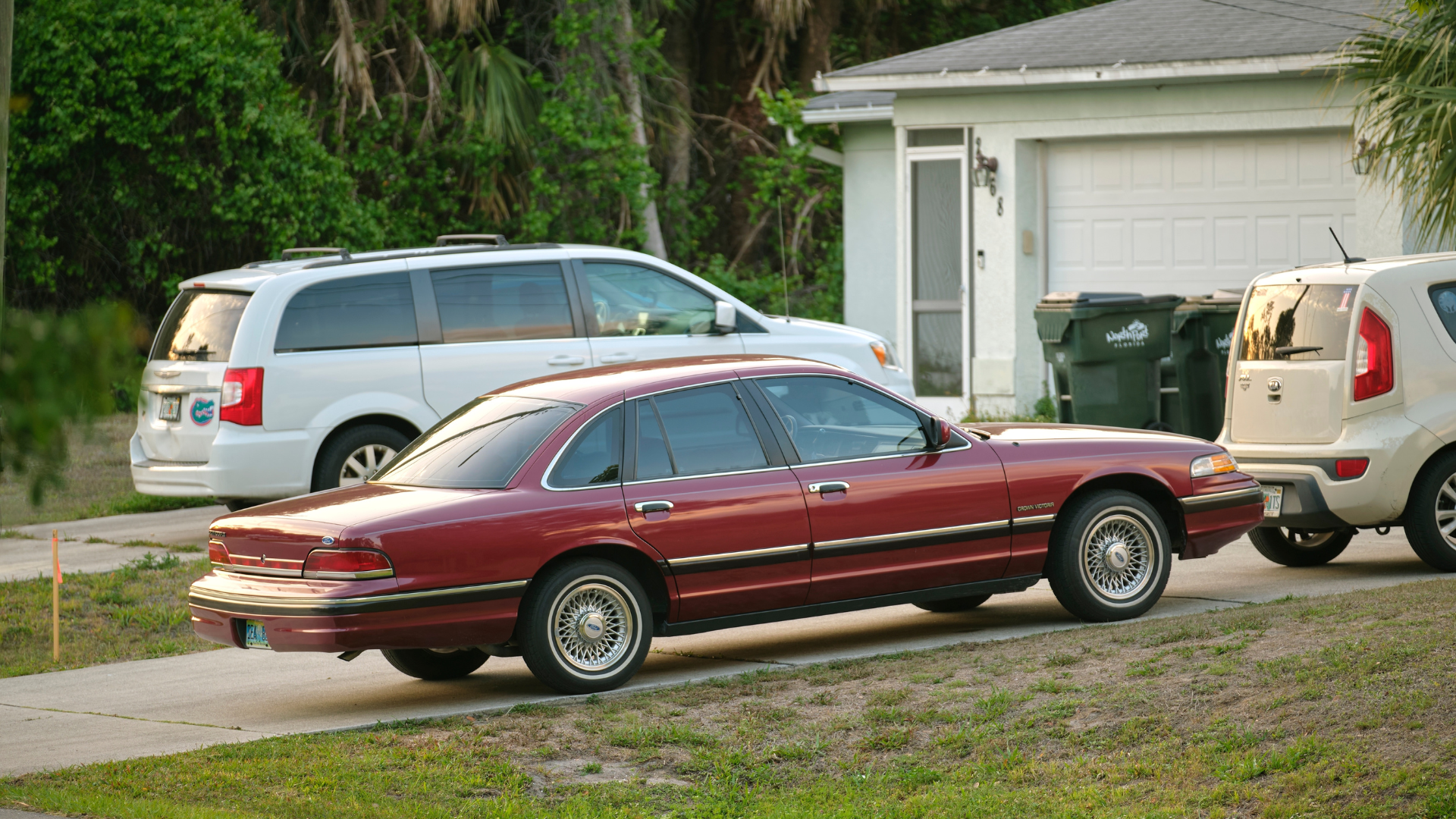
Some retirees who believed they had left the workforce permanently are now reconsidering that decision. A retired teacher in Florida explained that rising costs tied to groceries, healthcare, utilities, and fuel have placed serious pressure on his family finances. Frequent medical appointments already require long drives, and filling up the family truck has become significantly more expensive than it was earlier in the year. Concerned about maintaining financial stability, he has started exploring part-time work opportunities despite ongoing health concerns and the uncertainty of returning to employment.
Employees Are Questioning Jobs They Once Loved

Even workers who enjoy their current roles are beginning to reconsider whether lengthy commutes remain worthwhile. A digital marketer living outside Portland, Oregon, explained that he finally found a company where he feels appreciated, supported by management, and properly compensated. Still, the fifty-mile roundtrip commute has become increasingly expensive as fuel prices continue climbing. Although he values the job itself, he has started thinking about searching for a position closer to home simply to reduce transportation costs.
Rising Fuel Costs Are Reshaping Everyday Decisions
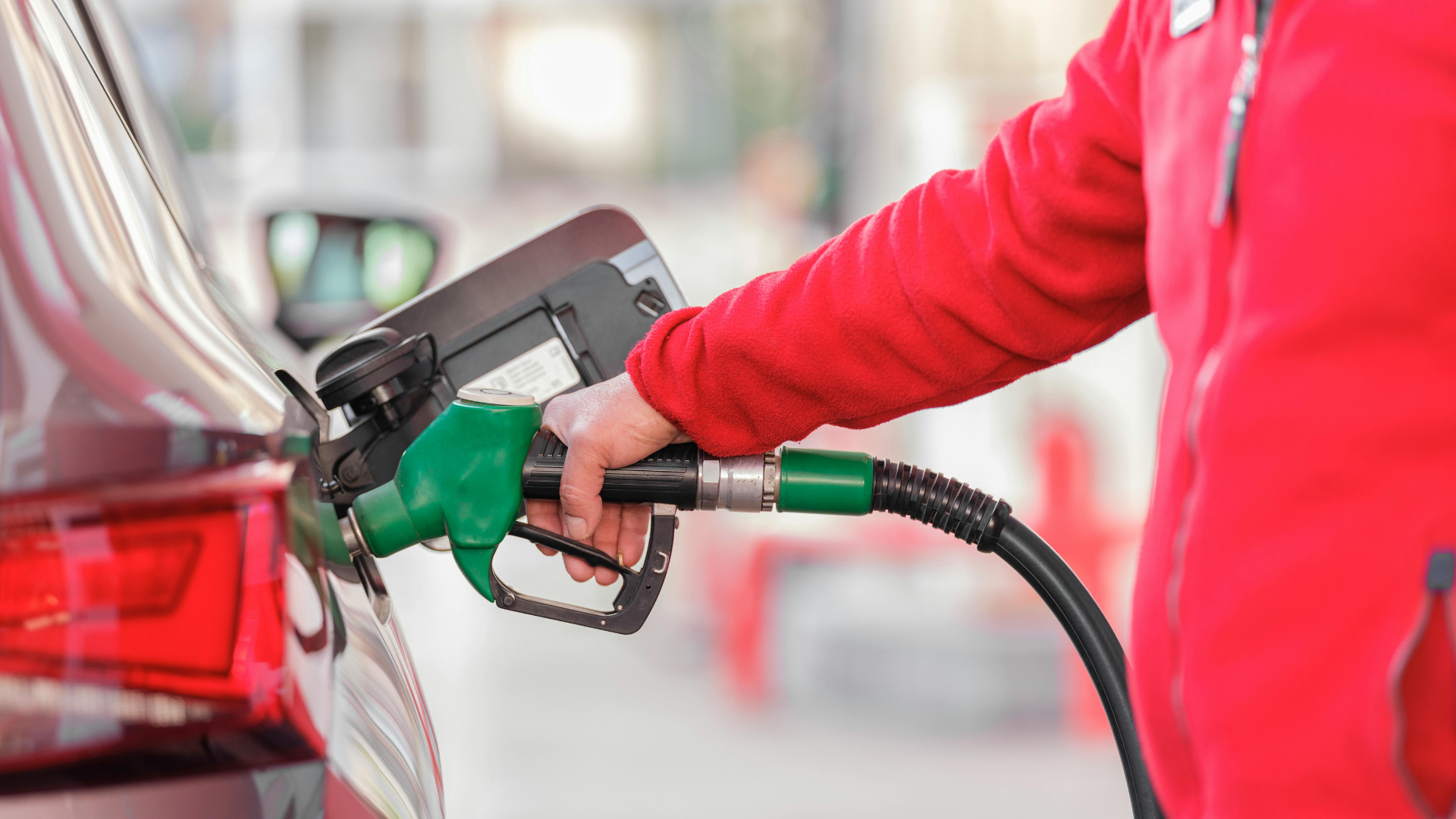
The sharp increase in gas prices is affecting far more than travel budgets. Across the country, Americans are adjusting career plans, reducing job searches, embracing remote work, delaying opportunities, and even returning to the workforce in response to the financial pressure created by expensive commuting. For many households, the cost of fuel has become an important factor in major life decisions, highlighting how quickly economic shifts can reshape the way people work and live.