As EV Adoption Grows, Toyota’s Hydrogen Bet Faces a Big Question: Was It Worth It?


While much of the auto industry raced toward battery-powered vehicles, Toyota spent years pursuing a different vision for the future of transportation. The company became one of the world’s most vocal advocates for hydrogen fuel-cell technology, arguing that hydrogen could offer fast refueling times, long driving ranges, and lower dependence on large battery packs.
That commitment stood out because Toyota was not merely experimenting with hydrogen. The automaker invested billions of dollars in research, infrastructure partnerships, and the development of vehicles such as the Mirai, one of the first mass-produced hydrogen fuel-cell passenger cars. Company executives frequently described hydrogen as a critical part of a future low-carbon transportation system.
Yet the automotive landscape evolved differently than many expected. Battery-electric vehicles moved from niche products to mainstream options, supported by falling battery costs, expanding charging networks, and growing consumer acceptance. As EV adoption accelerates globally, Toyota’s long-standing hydrogen strategy is increasingly being reassessed by industry observers.
Why Toyota Believed in Hydrogen

Toyota’s confidence in hydrogen was rooted in what it saw as the technology’s practical advantages. Unlike battery-electric vehicles that can require extended charging sessions, hydrogen fuel-cell vehicles can typically be refueled in a matter of minutes, much like conventional gasoline cars.
The company also argued that hydrogen could be particularly valuable for larger vehicles, commercial fleets, long-distance transportation, and regions where charging infrastructure might be difficult to deploy at scale. Fuel cells generate electricity onboard by combining hydrogen and oxygen, producing only water vapor as a byproduct.
Beyond passenger cars, Toyota envisioned hydrogen playing a broader role across industries. The company explored applications ranging from buses and heavy trucks to stationary power systems and industrial equipment, viewing hydrogen as a versatile energy carrier rather than simply an automotive fuel.
The EV Boom Changed the Equation
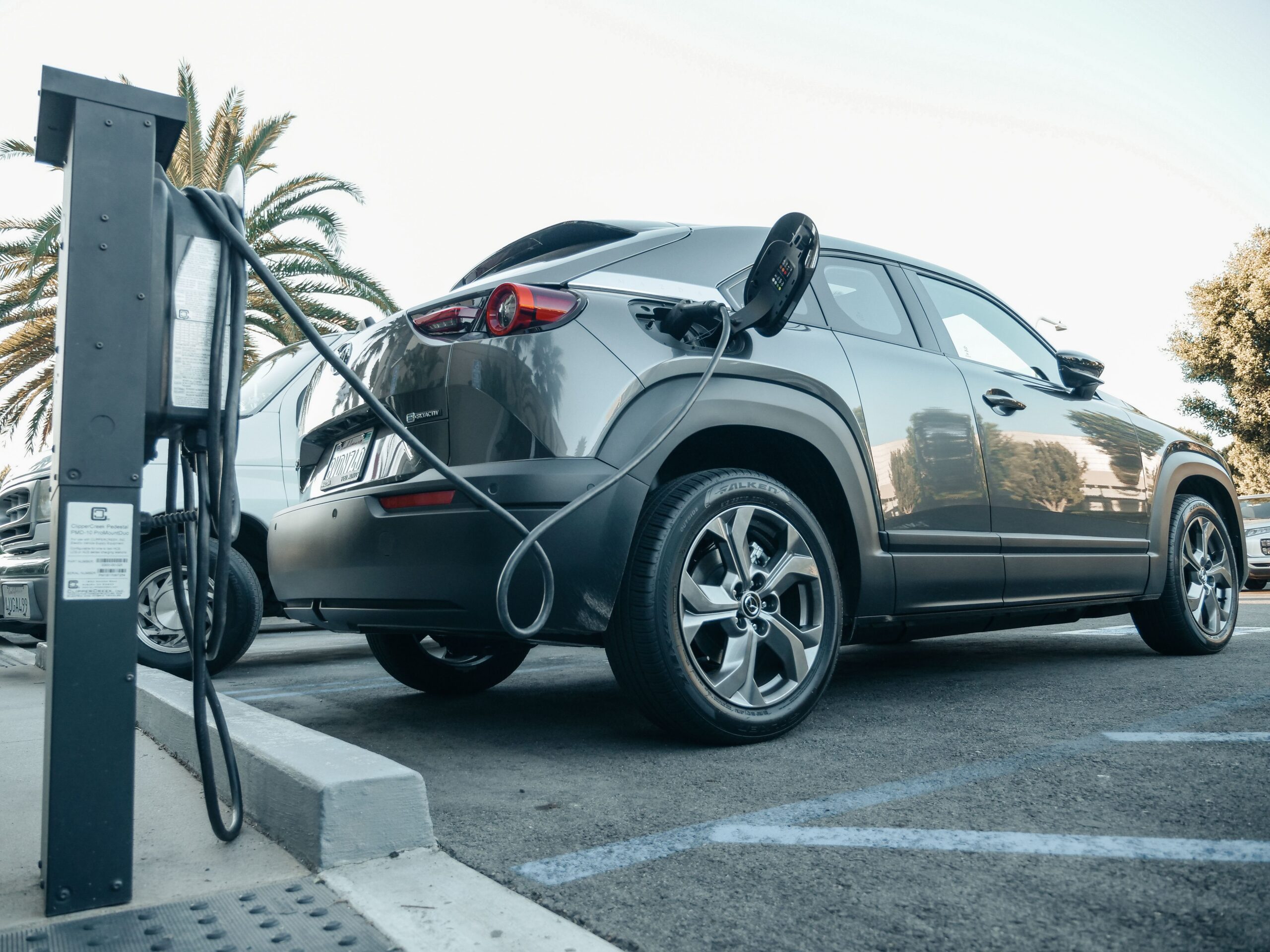
As hydrogen development continued, battery-electric vehicles gained momentum at a pace few anticipated. Advances in battery technology improved range while reducing costs, helping EVs become increasingly competitive with traditional gasoline-powered vehicles.
Governments around the world also introduced incentives, emissions regulations, and infrastructure investments that accelerated EV adoption. Charging networks expanded rapidly across North America, Europe, and Asia, making electric vehicles more practical for everyday drivers.
Hydrogen vehicles, meanwhile, faced a different reality. Refueling stations remained limited in many regions, making ownership less convenient for consumers. Building hydrogen infrastructure proved expensive and complex, creating a challenge often described as a chicken-and-egg problem: drivers wanted more stations before buying hydrogen vehicles, while infrastructure providers wanted more vehicles before building stations.
Was the Hydrogen Investment Worth It?
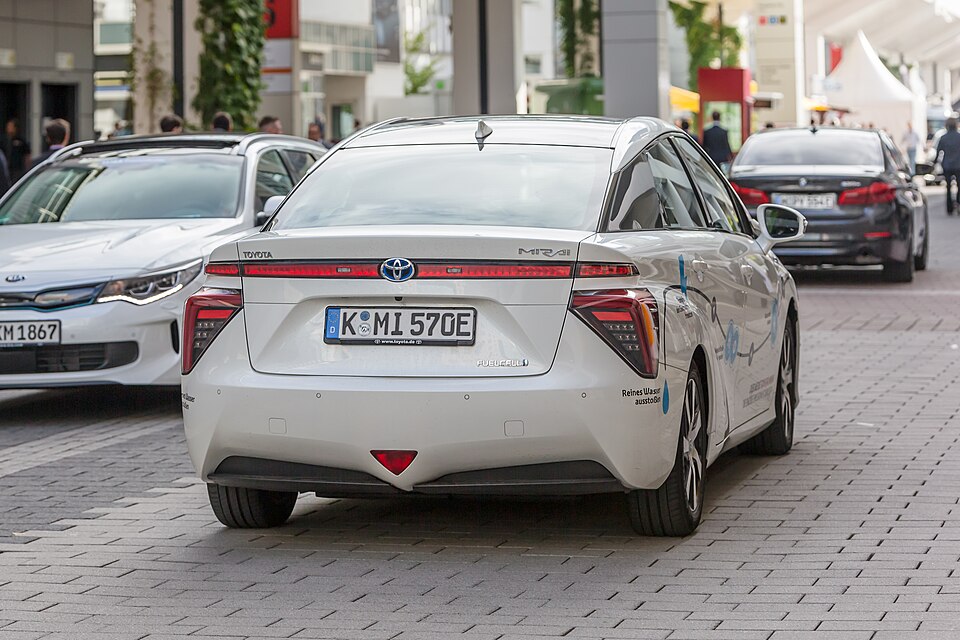
The answer depends largely on how success is defined. If the goal was widespread passenger-car adoption, hydrogen has struggled to match the market penetration achieved by battery-electric vehicles. EVs now account for a rapidly growing share of global vehicle sales, while hydrogen passenger vehicles remain a niche segment. The limited number of refueling stations and the high cost of infrastructure have made it difficult for fuel-cell vehicles to achieve the same momentum as battery-powered alternatives.
However, Toyota’s investment may still prove valuable in areas where batteries face limitations. Many analysts believe hydrogen could play an important role in heavy transportation, shipping, industrial operations, and long-duration energy storage, where quick refueling and high energy density can offer advantages. In those sectors, Toyota’s decades of research and development may ultimately provide benefits that extend far beyond passenger cars.
Toyota has increasingly framed hydrogen as one component of a broader strategy that includes hybrids, plug-in hybrids, battery-electric vehicles, and fuel-cell technology. As the global transition toward lower-emission transportation continues, the company’s hydrogen bet may be remembered less as a failed alternative to EVs and more as a long-term investment in a technology that could find its place in specific industries. Whether that vision becomes reality remains uncertain, but the debate highlights how difficult it can be to predict which technologies will shape the future of mobility.