As Drought Spreads, Americans May Need to Rethink This Everyday Water Habit
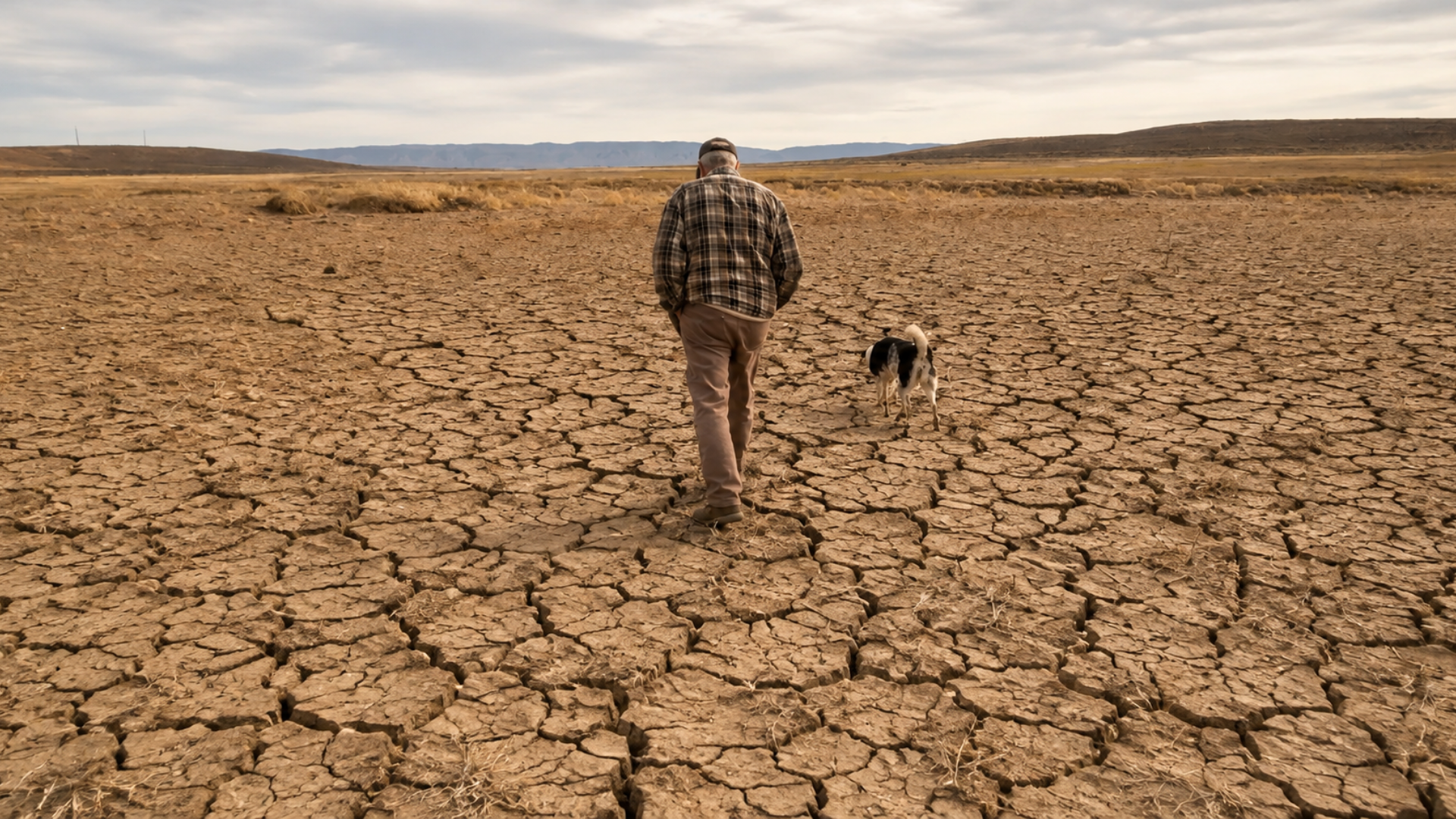

Watering the lawn only on certain days. Skipping the car wash. Letting the grass go brown. As drought conditions have expanded across huge portions of the country, water restrictions have become a familiar part of summer for millions of households. But an obvious question rarely gets a clear answer. Do these restrictions actually make a meaningful dent in water shortages, or are they mostly symbolic gestures that make officials look proactive while doing little to solve the underlying problem? Researchers have actually studied this question directly, and the answer turns out to be more complicated, and more interesting, than a simple yes or no.
This article was created with the assistance of AI and reviewed by our editorial team for accuracy and clarity.
Just How Widespread This Problem Has Become
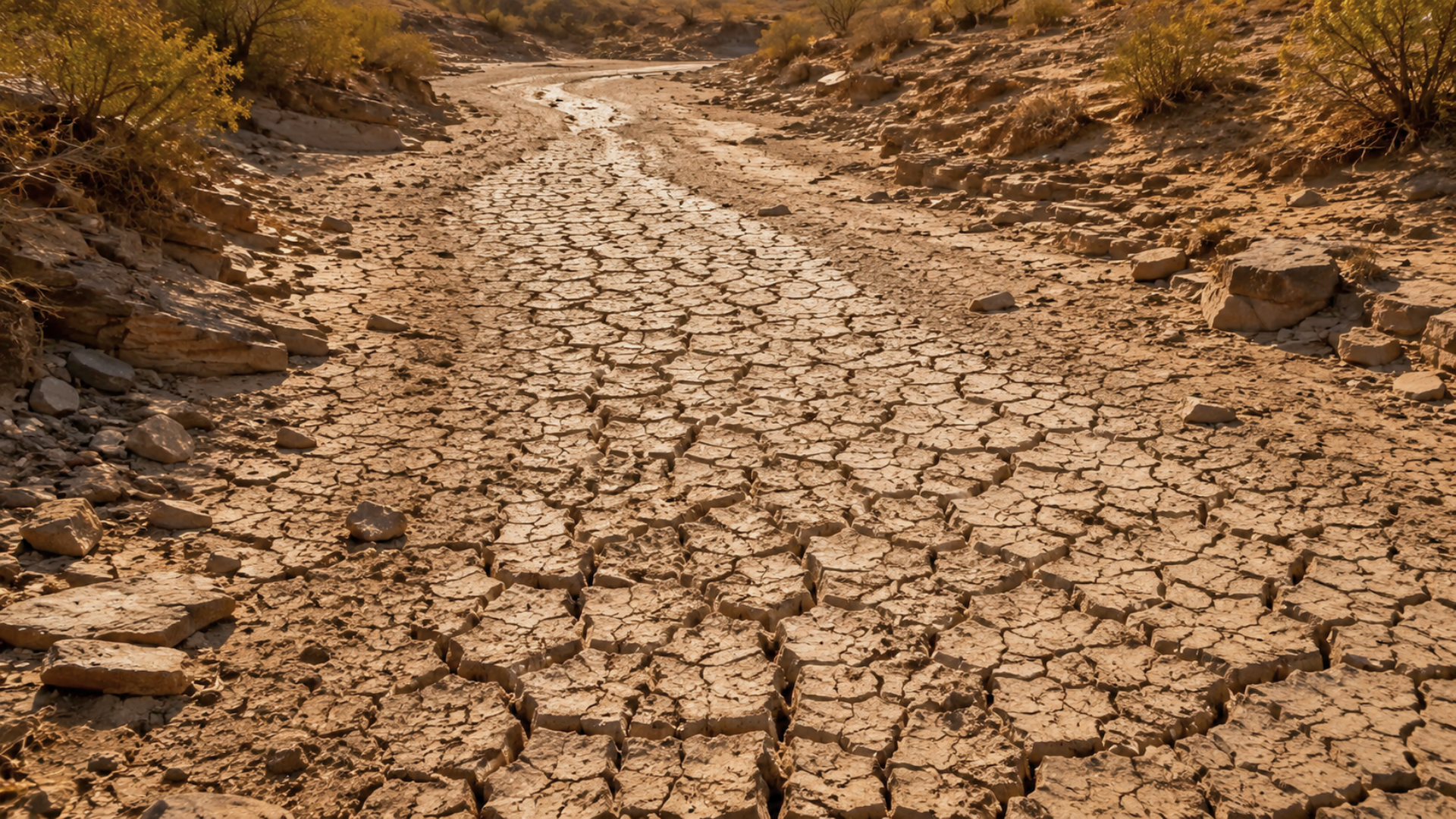
To understand why restrictions have become so common, it helps to see the scale of the current situation. As of early 2026, more than 42 percent of the United States and Puerto Rico was experiencing some level of drought. In states like Colorado, Utah, and Wyoming, a historically warm winter with minimal snowfall left mountain snowpack, often described as the region’s natural reservoir, well below normal levels heading into summer. That matters because these states depend heavily on gradual snowmelt to refill rivers, reservoirs, and groundwater throughout the warmer months. When that natural refill process falls short, water utilities are left scrambling for other ways to stretch a shrinking supply.
What Restrictions Actually Look Like on the Ground
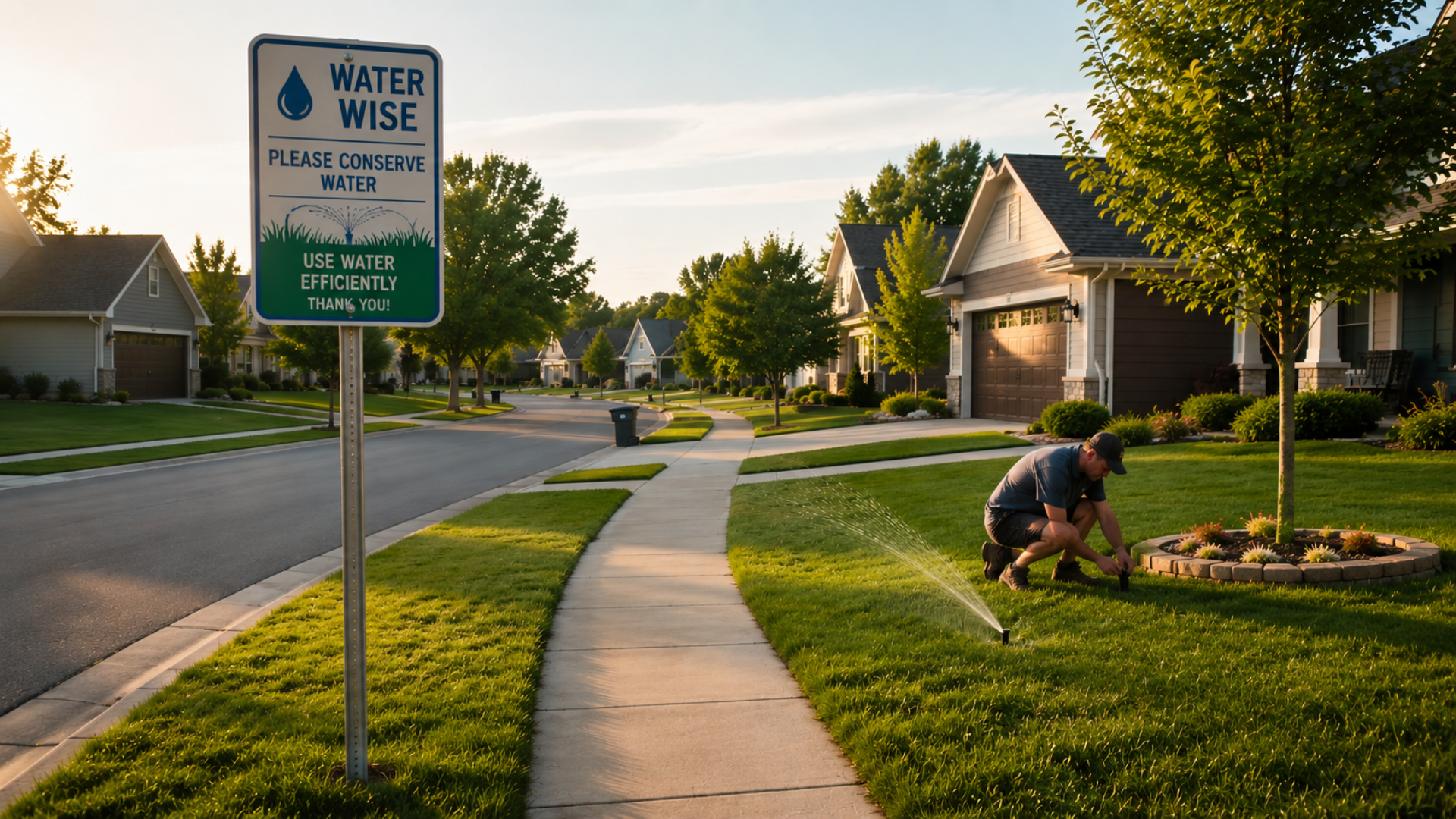
Water restrictions vary considerably depending on how severe local conditions are. In Erie, Colorado, officials moved to a Level 4 Emergency status in 2026, the highest stage available, completely banning residential sprinkler use. Nearby Aurora went further, banning new turf lawns from being installed entirely. Denver Water took a somewhat gentler approach with Stage 1 restrictions, simply asking residents to cut both indoor and outdoor water use by 20 percent. These examples show that restrictions exist on a real spectrum, ranging from mild encouragement to outright bans, depending on exactly how dire a specific region’s water situation has become.
California Doesn’t Wait for an Official Drought Anymore
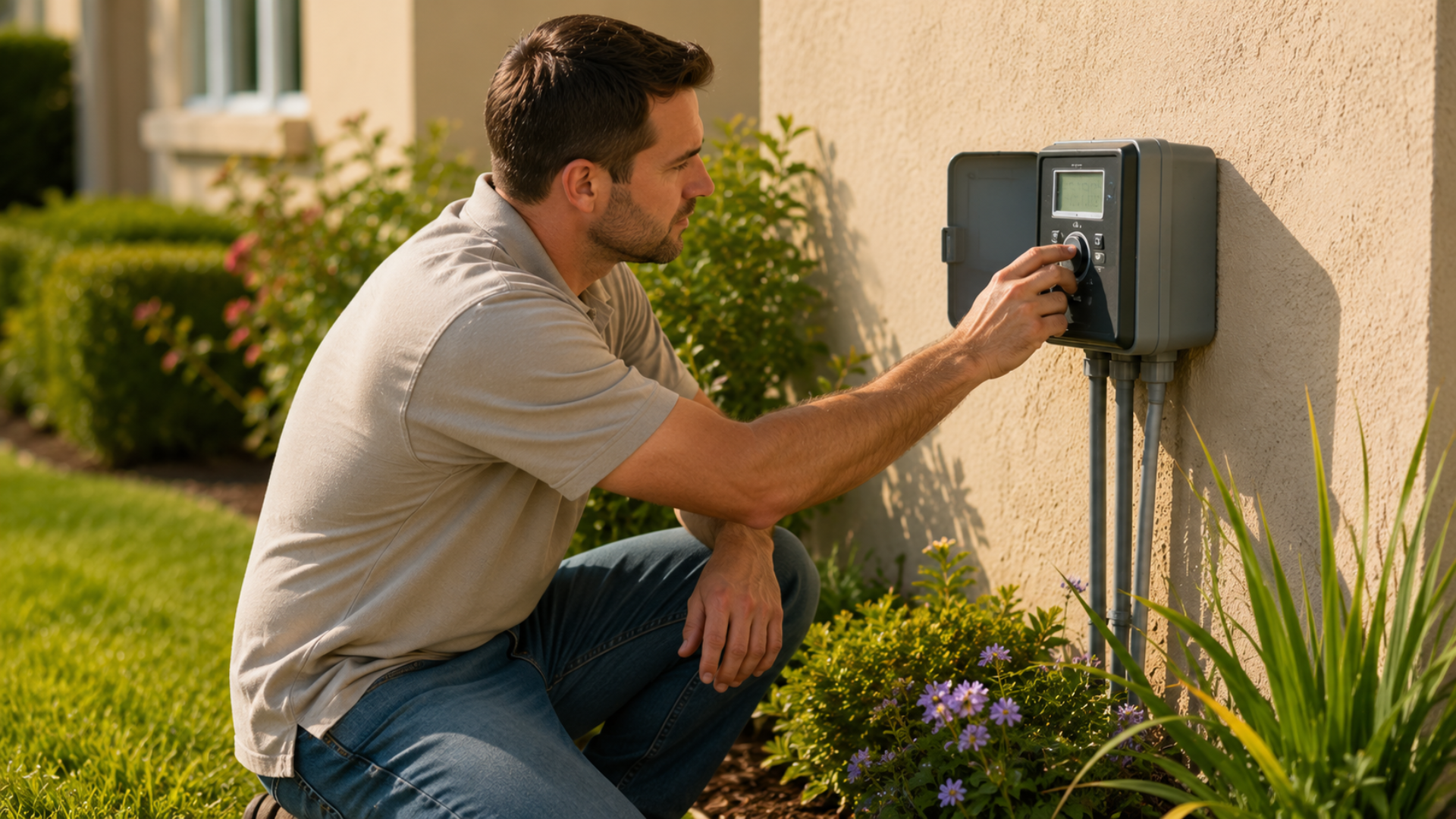
One of the more surprising developments in water policy involves California, which no longer ties its baseline conservation rules to whether a drought has been officially declared at all. Following the severe 2012 to 2017 drought, the state adopted a permanent, year round conservation framework through state law. Under these standing rules, actions like hosing down a driveway, allowing irrigation runoff into storm drains, or watering within 48 hours of rainfall are simply prohibited every year, regardless of current conditions. This approach reflects a broader shift in thinking, treating water conservation as a permanent lifestyle adjustment rather than an emergency response reserved only for the worst years.
The Actual Numbers Behind Restriction Effectiveness
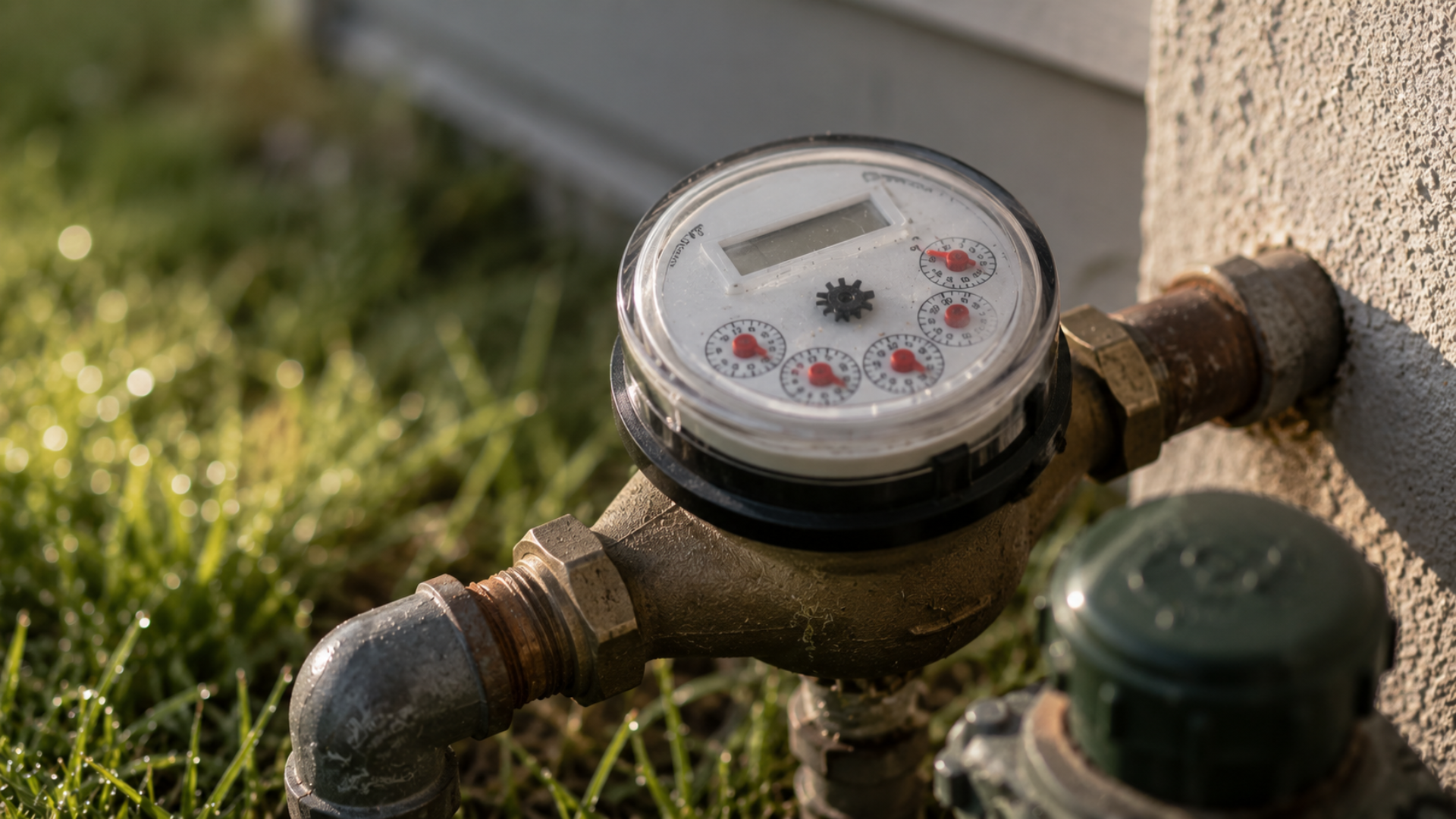
So do these restrictions genuinely reduce water use? According to a statewide analysis of California water suppliers, the answer is yes, though the size of the effect might surprise you. Researchers found that formal water use restrictions produced a statistically significant reduction in residential consumption of about 2.9 percent. That’s a real, measurable effect, but a relatively modest one. Interestingly, the same study found that drought surcharge pricing, essentially charging households more per gallon once usage crosses a certain threshold, produced a noticeably larger reduction of 6.6 percent. That gap suggests that hitting people’s wallets directly may motivate conservation more effectively than simply asking or requiring them to cut back.
Why Voluntary Restrictions Tend to Fall Flat

Not all restriction programs are created equal, and the difference between voluntary and mandatory approaches turns out to matter enormously. Research examining conservation programs across a dozen Iowa communities found that mandatory, per capita based restrictions were considerably more effective at reducing water consumption than voluntary requests. That finding lines up with a fairly intuitive pattern in human behavior. Most people simply will not change established habits if given an easy option not to, especially for something as routine and invisible as household water use. Clear rules with real consequences tend to outperform polite suggestions when it comes to actually shifting behavior at scale.
A Notable Case Where Restrictions Didn’t Work at All
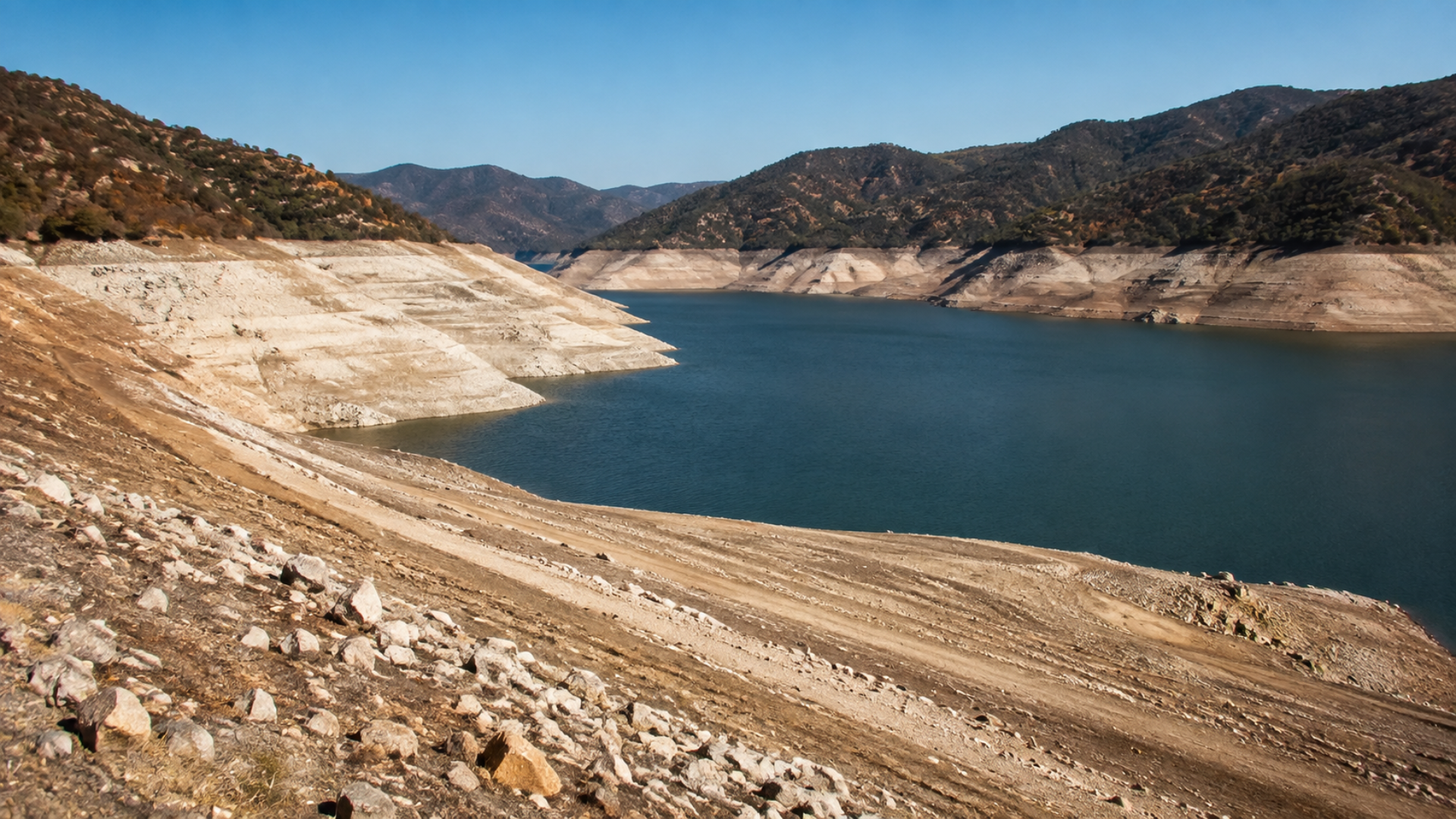
Not every study paints restrictions in a positive light. One frequently cited case examined Corpus Christi, Texas, during a severe drought in the summer of 1996, when the city imposed strict outdoor watering restrictions. Researchers analyzing the results found no measurable impact on residential water consumption whatsoever. That outcome is a useful reminder that local context matters enormously. Factors like how restrictions are enforced, how clearly they’re communicated, and how motivated residents already are to conserve can all determine whether a given policy actually changes behavior or simply exists on paper without meaningfully affecting anyone’s water bill or usage.
The Surprising Long-Term Payoff of Short-Term Rules
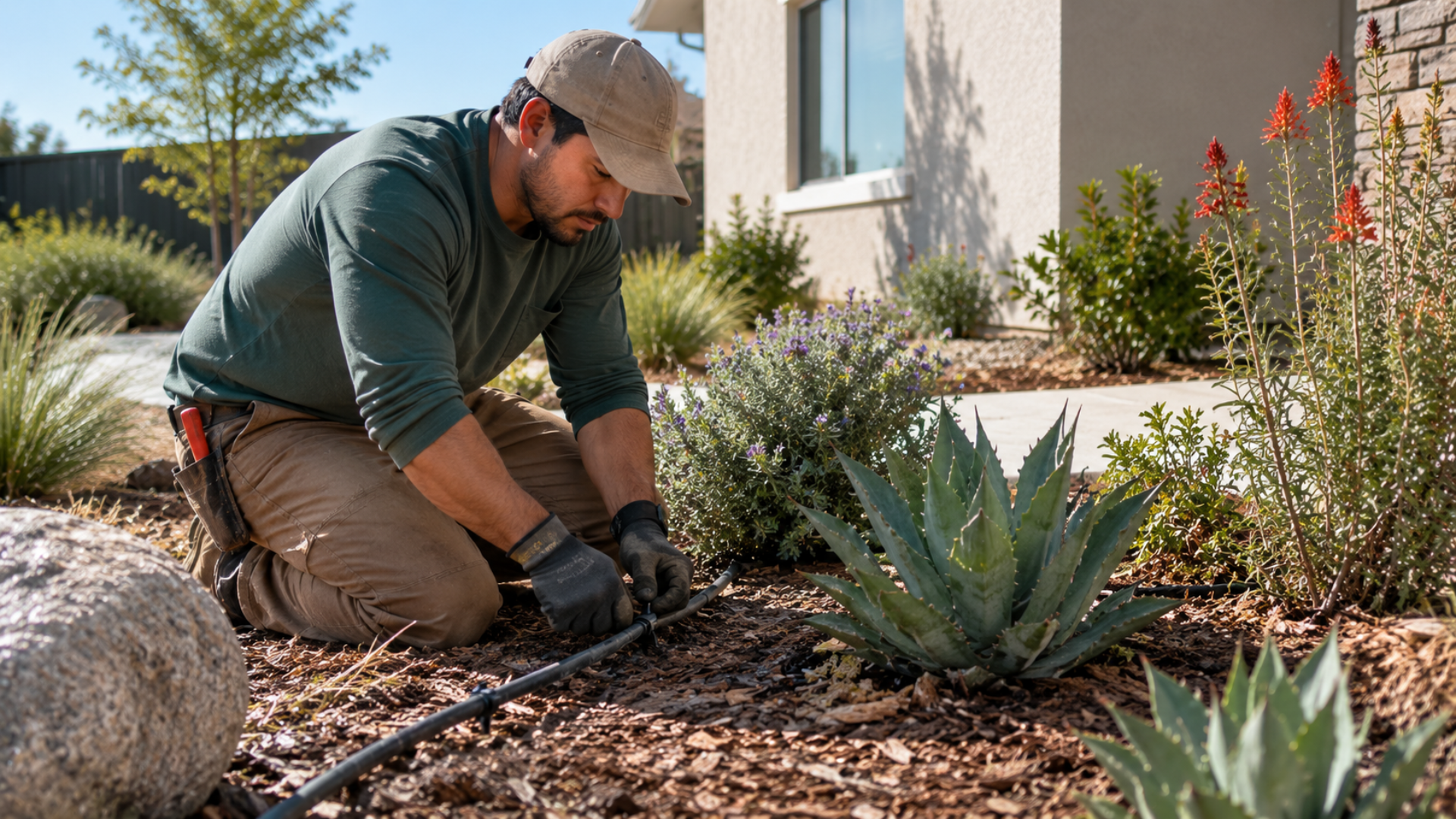
One underappreciated benefit of water restrictions is that their impact doesn’t necessarily end when the restriction period does. When temporary rules push homeowners to install drought-tolerant irrigation systems or low-flow plumbing fixtures, those upgrades tend to keep saving water long after the original restriction has been lifted. In other words, a restriction imposed for a single dry summer can generate water savings that persist for years afterward, simply because it nudged people toward permanent equipment and landscaping changes they otherwise might never have made. This ripple effect is one reason researchers argue restrictions deserve credit beyond just their immediate, measurable impact.
Where Conservation Alone Eventually Hits Its Limits
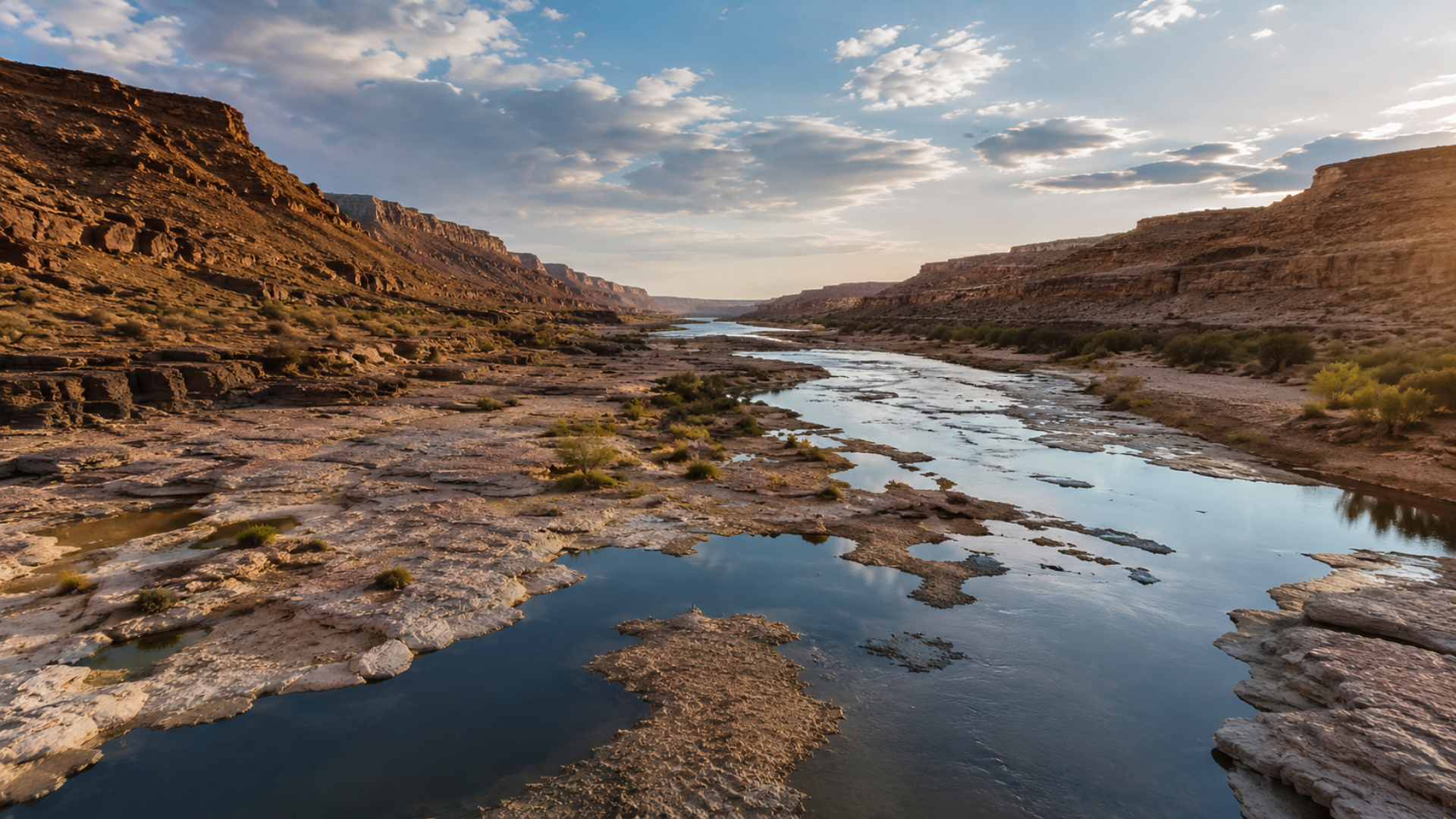
Perhaps the most sobering research on this topic comes from a study focused on Denver, Las Vegas, and Phoenix, three major cities that all depend on the Colorado River Basin for their water supply. Using detailed computer modeling that combined climate projections with actual resident behavior patterns, researchers found that conservation efforts genuinely help reduce water use in the short term. However, the same modeling showed that behavior change alone cannot fully protect city water systems during truly severe, prolonged climate driven droughts. Restrictions can meaningfully stretch a shrinking supply, but they cannot manufacture water that simply isn’t falling from the sky or melting from the mountains.
So Do Water Restrictions Actually Work
Pulling all this research together, the honest answer is that water restrictions genuinely work, but only within certain limits, and their effectiveness depends heavily on how they’re designed and enforced. Mandatory restrictions consistently outperform voluntary ones. Pricing based approaches tend to outperform straightforward usage bans. And the equipment upgrades restrictions often trigger can keep paying off for years after the original rules expire. What restrictions cannot do is manufacture water that doesn’t exist. During the most severe droughts, conservation buys time and stretches limited supply, but it works best as one tool among several rather than a complete solution to a genuinely shrinking water supply.