As Climate Risks Grow, These Cities May Be Better Places to Call Home
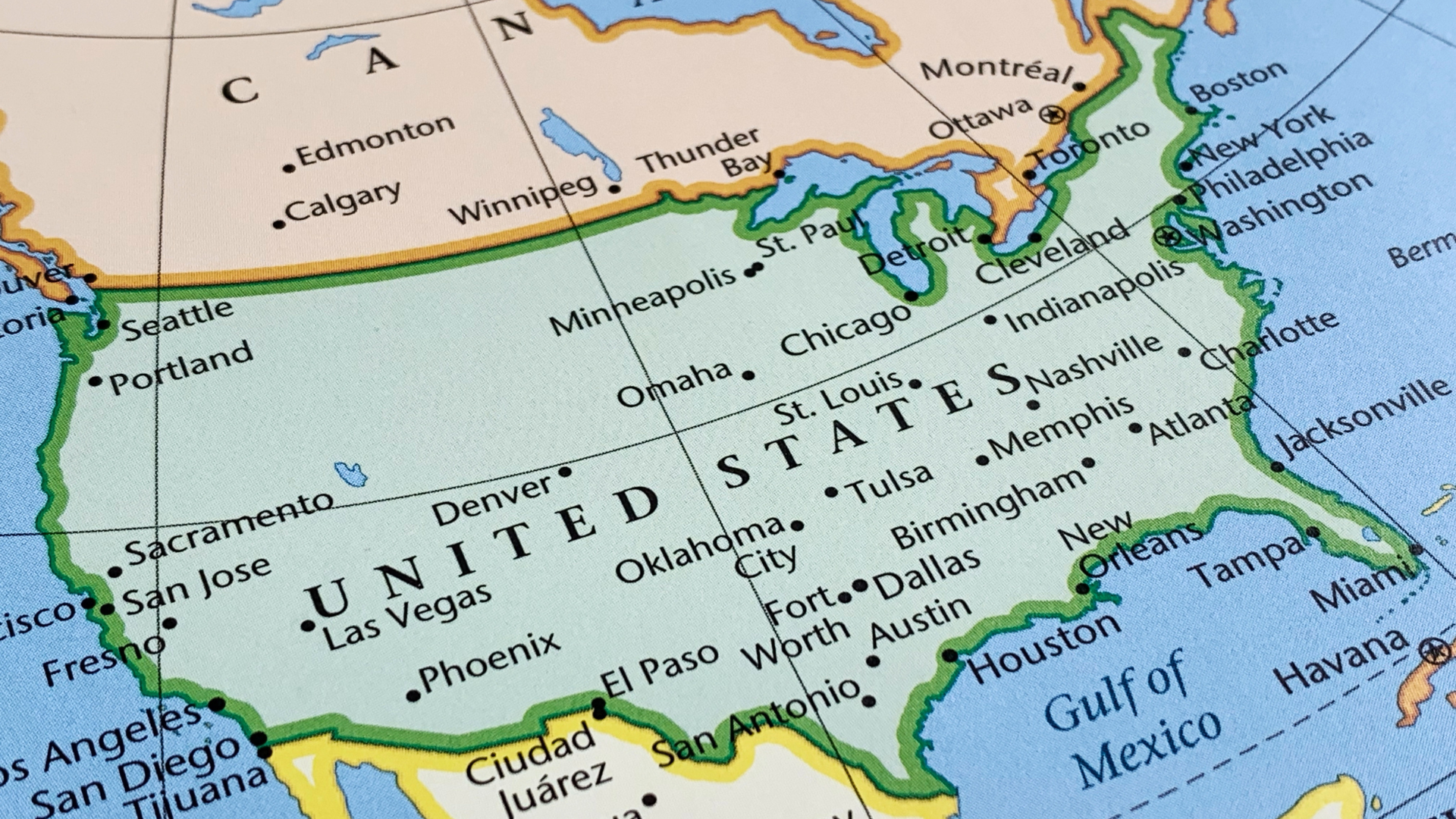

As climate change increases the frequency of extreme heat, flooding, wildfires, droughts, and hurricanes, more Americans are considering climate resilience when deciding where to live. While no city is completely immune to climate-related risks, some communities are considered better positioned because of their geography, freshwater access, lower exposure to natural disasters, and investments in climate adaptation. Experts say these places may offer residents greater long-term stability as weather patterns continue to change.
Duluth, Minnesota Is Often Called a Climate Haven
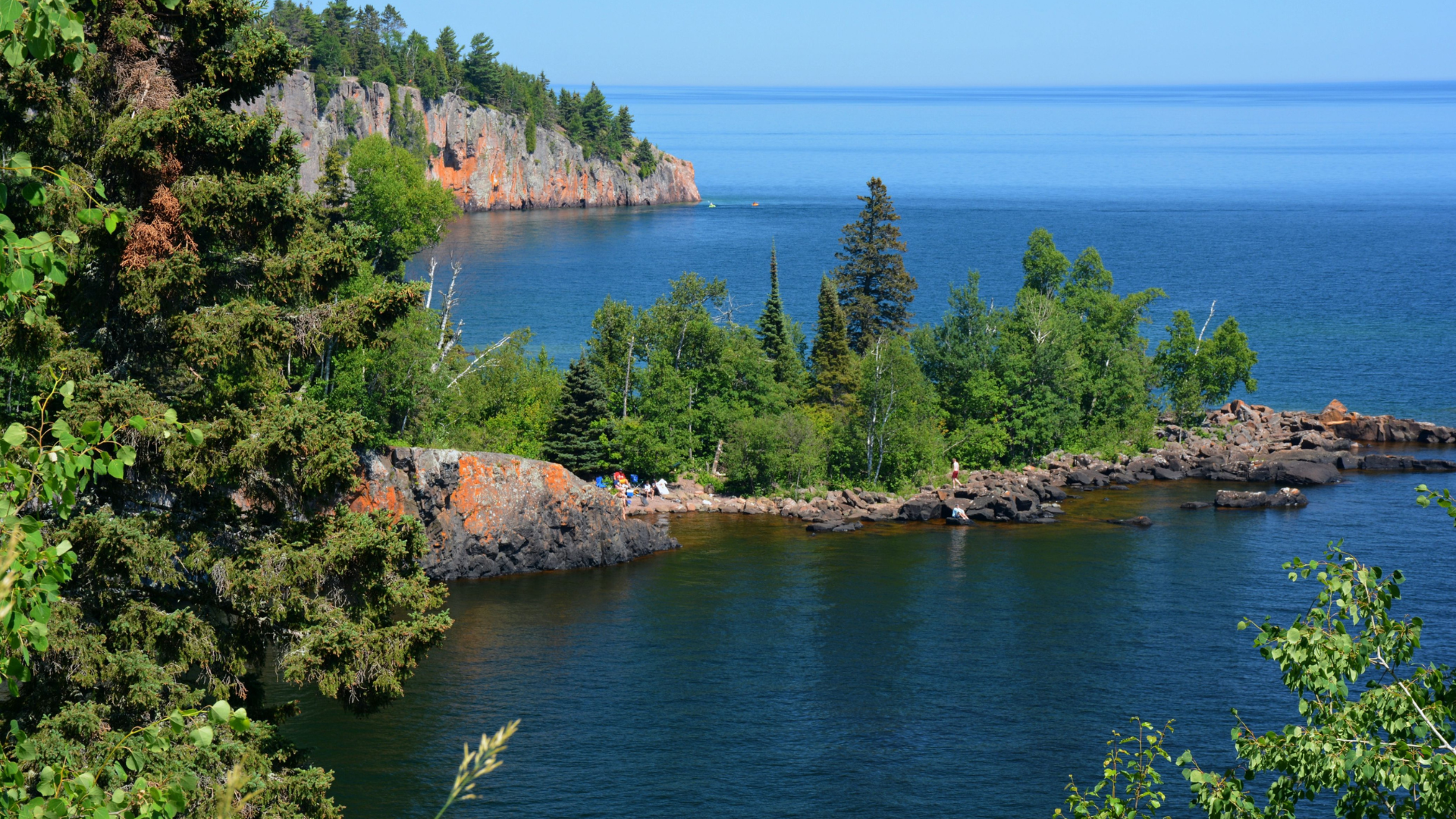
Duluth frequently appears near the top of climate resilience rankings because of its location on Lake Superior, one of the world’s largest freshwater lakes. The city faces relatively low risks from hurricanes, sea level rise, and prolonged drought while benefiting from cooler summers than much of the country. Researchers believe abundant freshwater and a northern location could become increasingly valuable as temperatures continue to rise.
Buffalo, New York Benefits From the Great Lakes
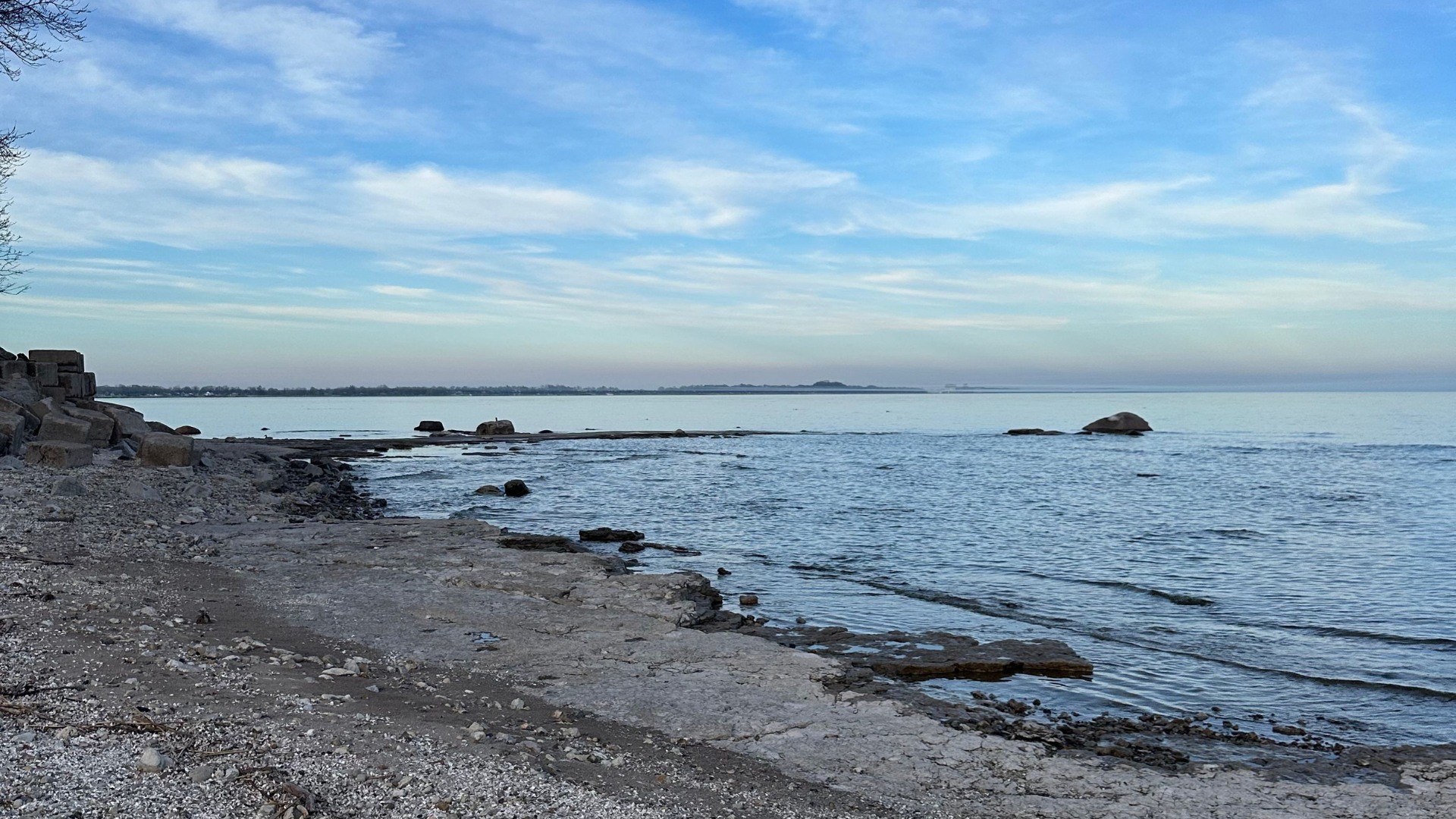
Buffalo’s inland location shields it from hurricanes and coastal flooding while giving it reliable access to freshwater from Lake Erie. Although lake-effect snow remains part of life in western New York, experts say the city faces fewer long-term climate threats than many coastal or drought-prone regions. Continued investments in clean energy and infrastructure have also strengthened its resilience.
Minneapolis Combines Water Resources With Strong Planning
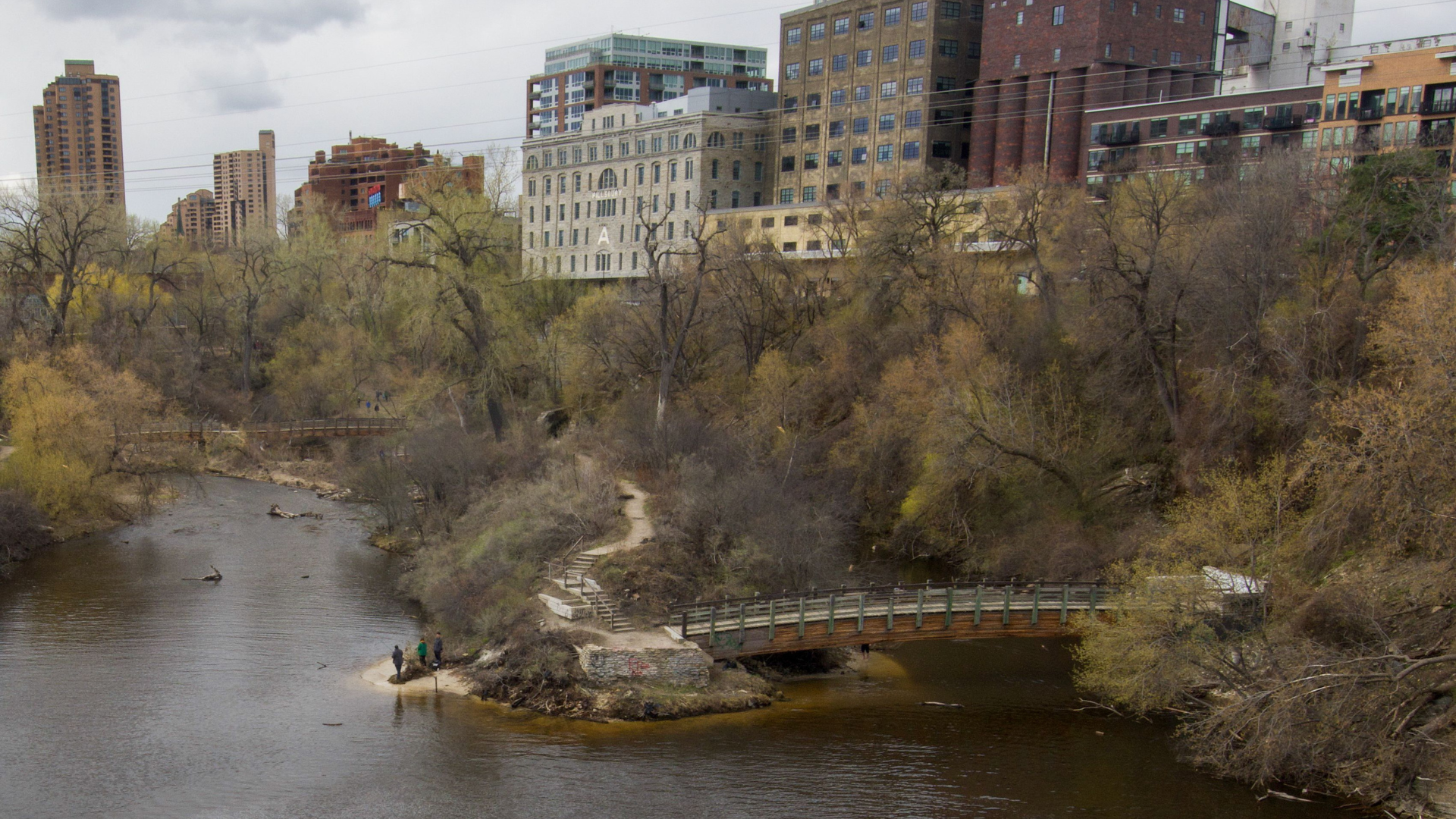
Minneapolis benefits from thousands of nearby lakes, strong water resources, and an inland location far from hurricane zones. City leaders have also invested in renewable energy, public transit, and climate adaptation projects designed to reduce future environmental risks. While winters remain cold, researchers say the city is relatively well positioned for long-term climate resilience.
Burlington, Vermont Continues to Attract Climate Migrants
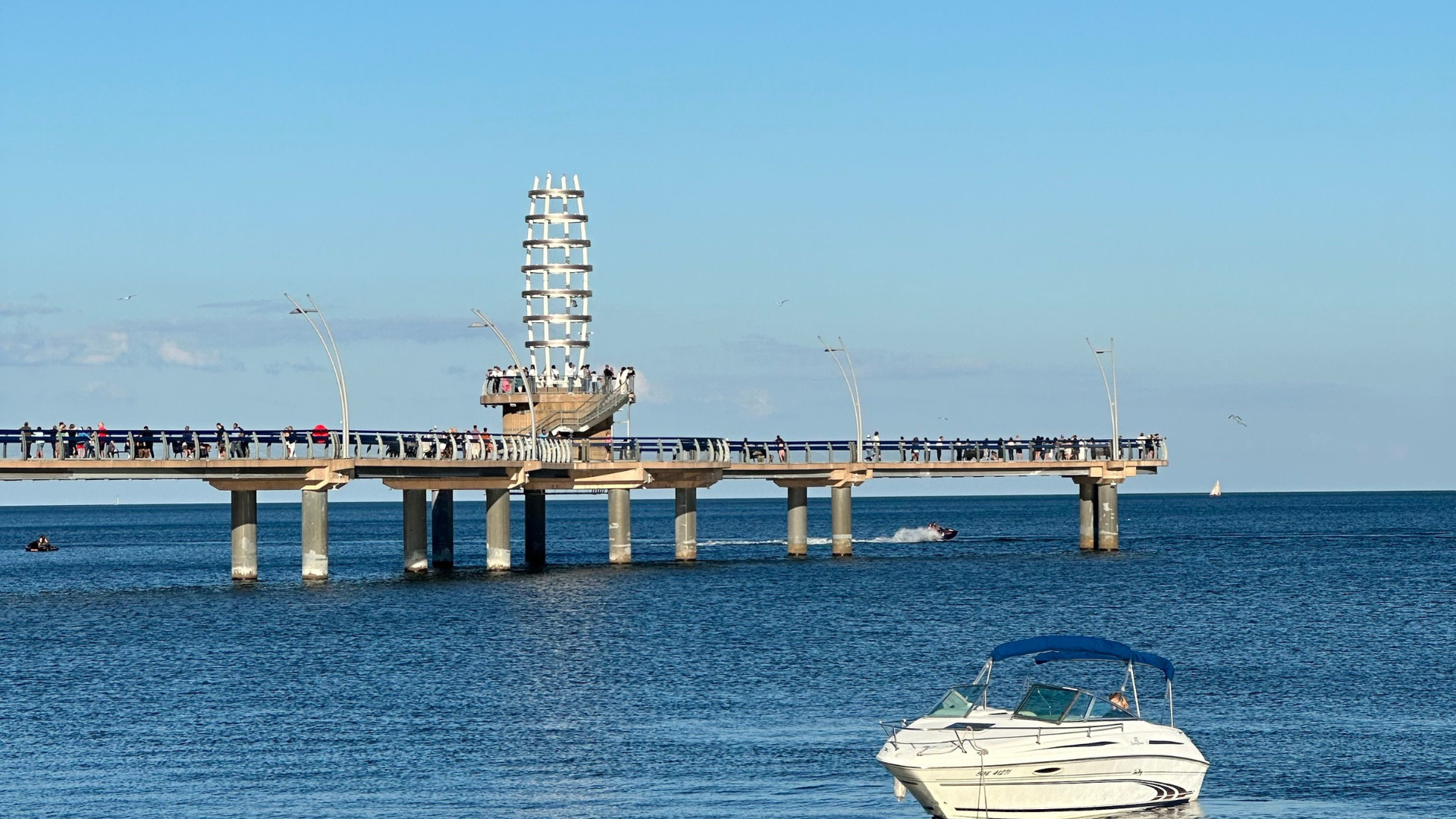
Vermont is frequently ranked among the states least vulnerable to many major climate hazards, and Burlington has become one of its best-known climate-resilient cities. The region experiences relatively little wildfire activity, fewer extreme heat events, and no hurricane storm surge. Its commitment to renewable energy and environmental planning has further strengthened its reputation.
Pittsburgh Offers Inland Protection
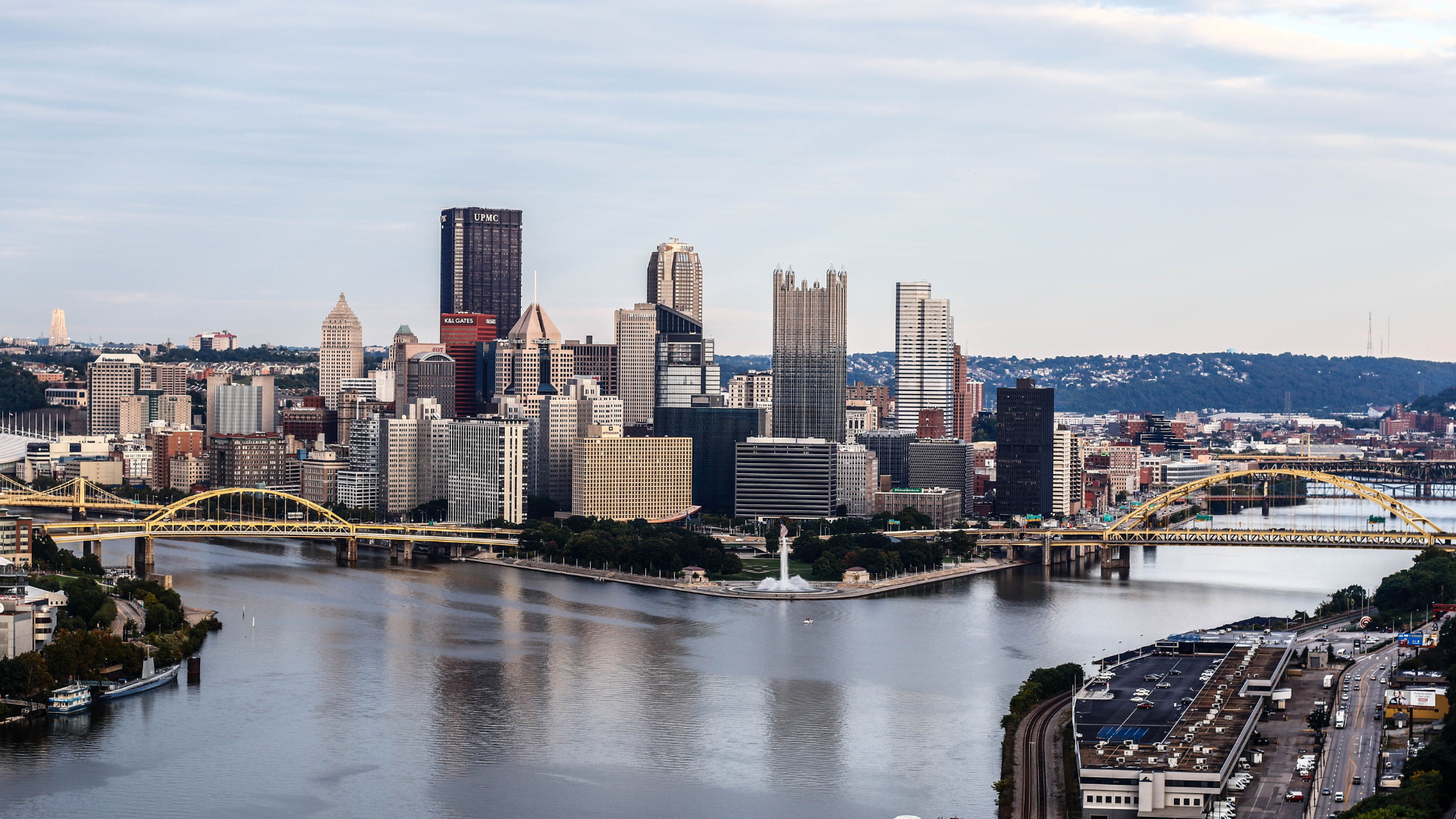
Pittsburgh’s location away from coastlines reduces its exposure to hurricanes and rising sea levels. The city also has abundant freshwater resources and has invested heavily in sustainability and green infrastructure since its industrial transformation. Experts say these factors make it one of the stronger climate resilience candidates in the eastern United States.
Seattle’s Mild Climate Remains an Advantage
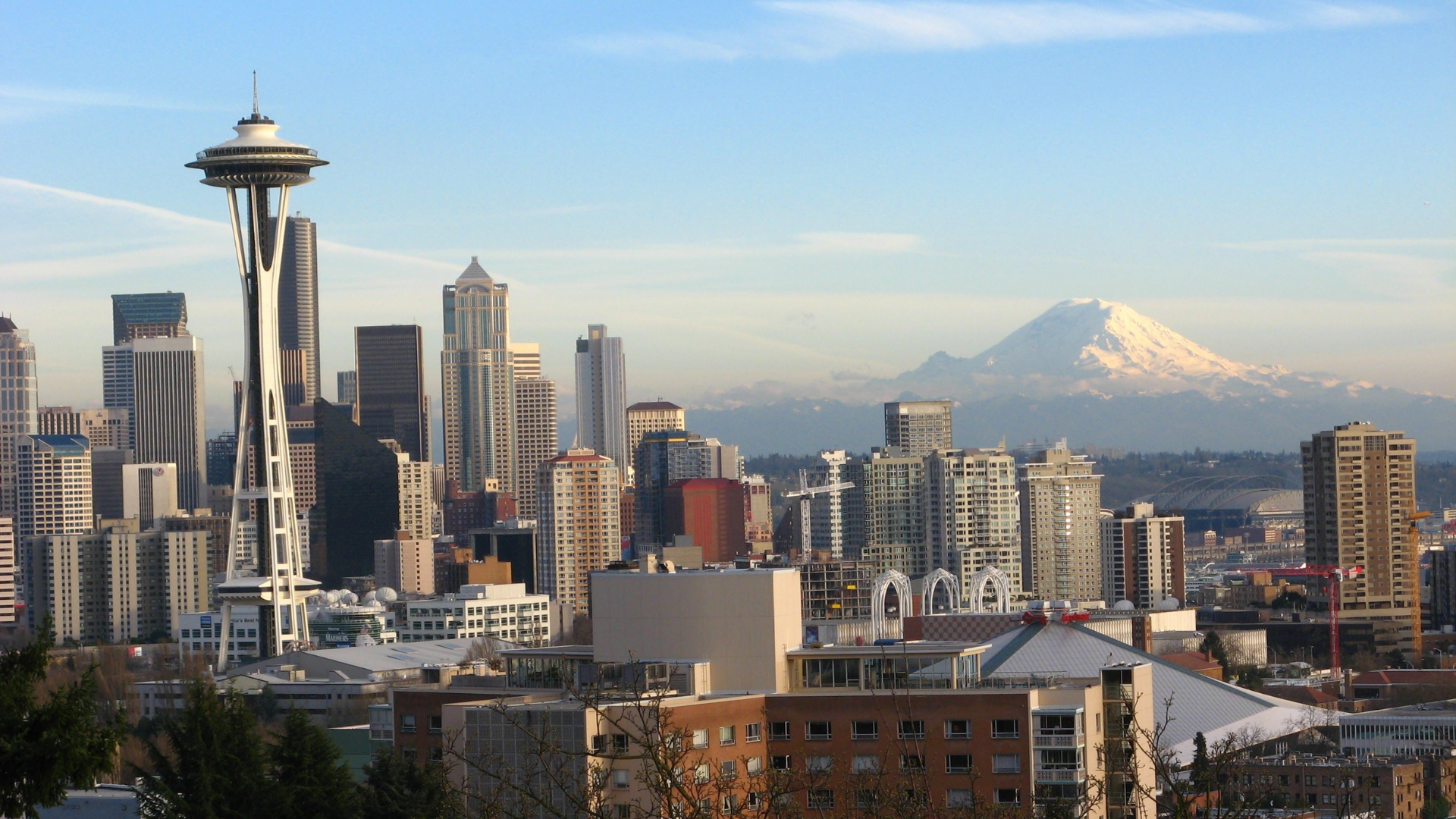
Seattle’s marine climate generally produces milder temperatures than many other major U.S. cities, limiting the number of extreme heat days compared with much of the country. While wildfire smoke and occasional flooding remain concerns, researchers say the city’s overall climate profile and long-term planning efforts continue to rank well in resilience studies.
Portland, Maine Has Drawn Growing Attention
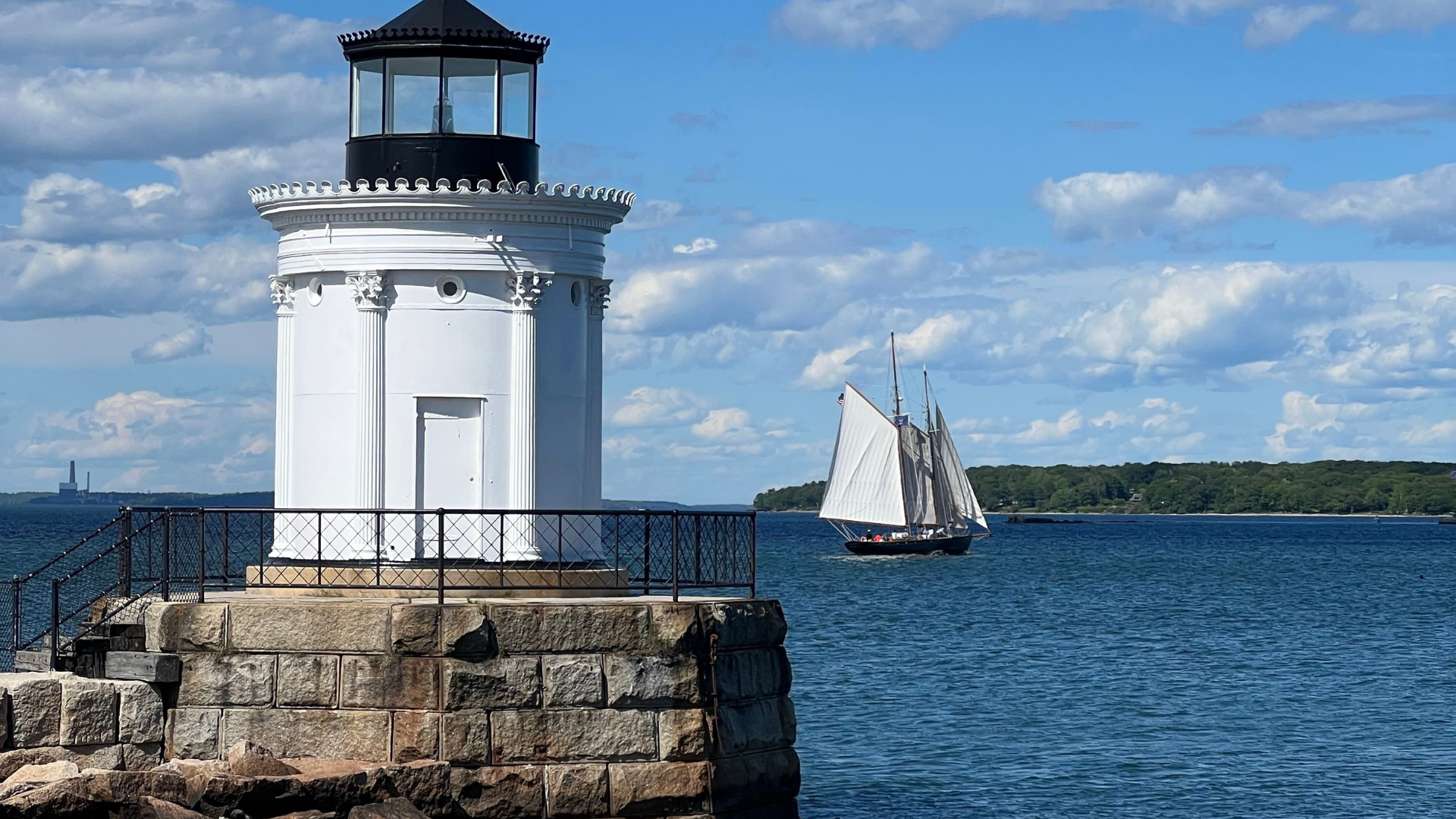
Portland’s northern coastal location experiences fewer hurricanes than much of the Atlantic coastline, and the city has made significant investments in renewable energy and climate planning. Combined with relatively moderate temperatures and access to freshwater, these efforts have made Portland one of the East Coast cities often mentioned in discussions about future climate resilience.
No City Is Completely Safe From Climate Change
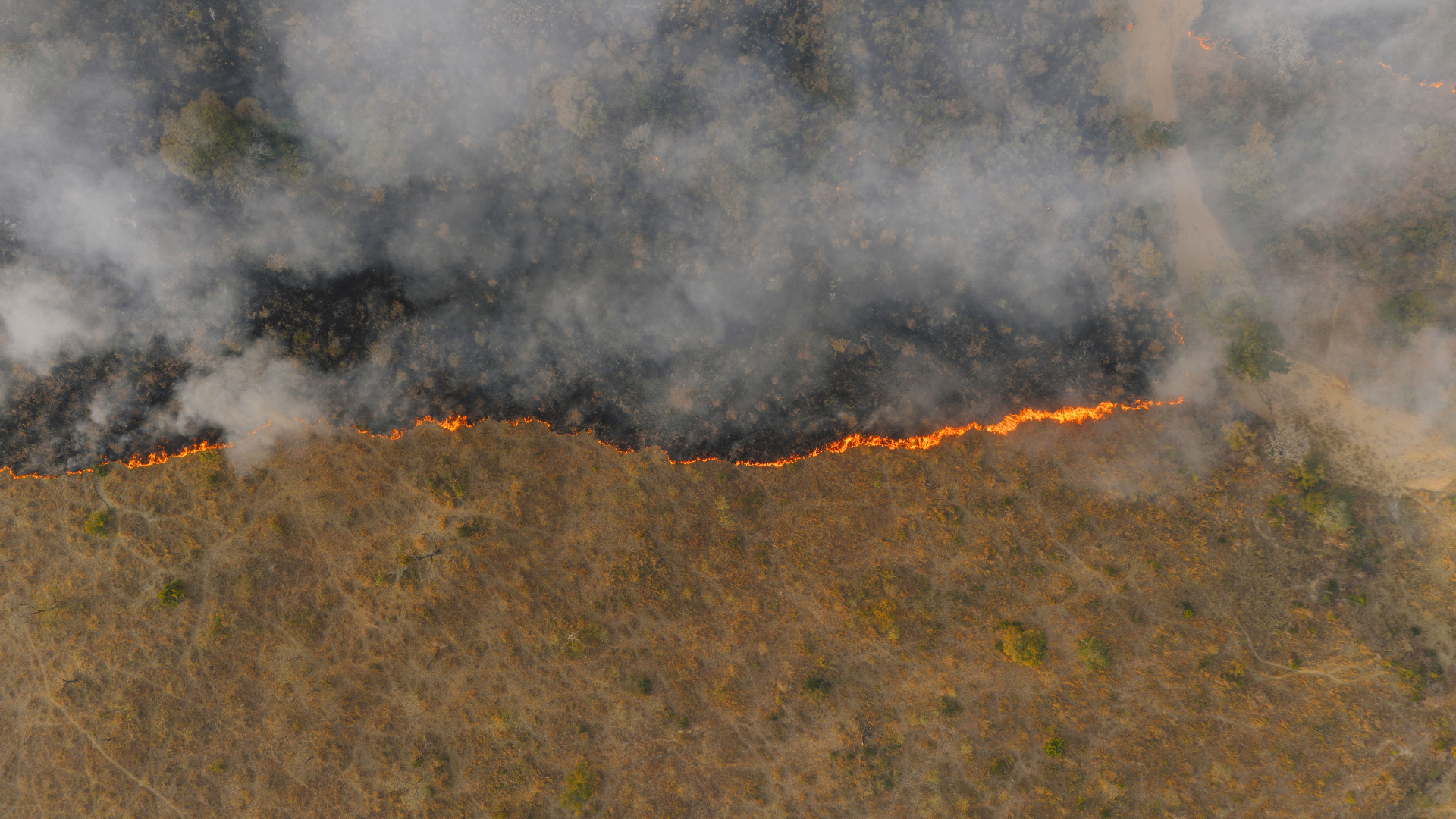
Climate experts emphasize that no location is entirely protected from the effects of climate change. Even cities considered relatively resilient may still experience stronger storms, heavier rainfall, wildfire smoke, or changing seasonal weather. Choosing a lower-risk city simply means reducing exposure to some of the most severe long-term hazards rather than eliminating climate risk altogether.
Climate Resilience May Become a Bigger Factor in Where People Live

As climate risks continue to shape insurance costs, housing markets, infrastructure planning, and quality of life, more Americans are expected to weigh environmental resilience alongside traditional factors such as jobs and affordability. While every move involves tradeoffs, cities with reliable water supplies, lower disaster exposure, and proactive climate planning may become increasingly attractive in the decades ahead.