As Cars Get Smarter, So Do Hackers. Here’s What Authorities Say to Avoid Cyber Threat
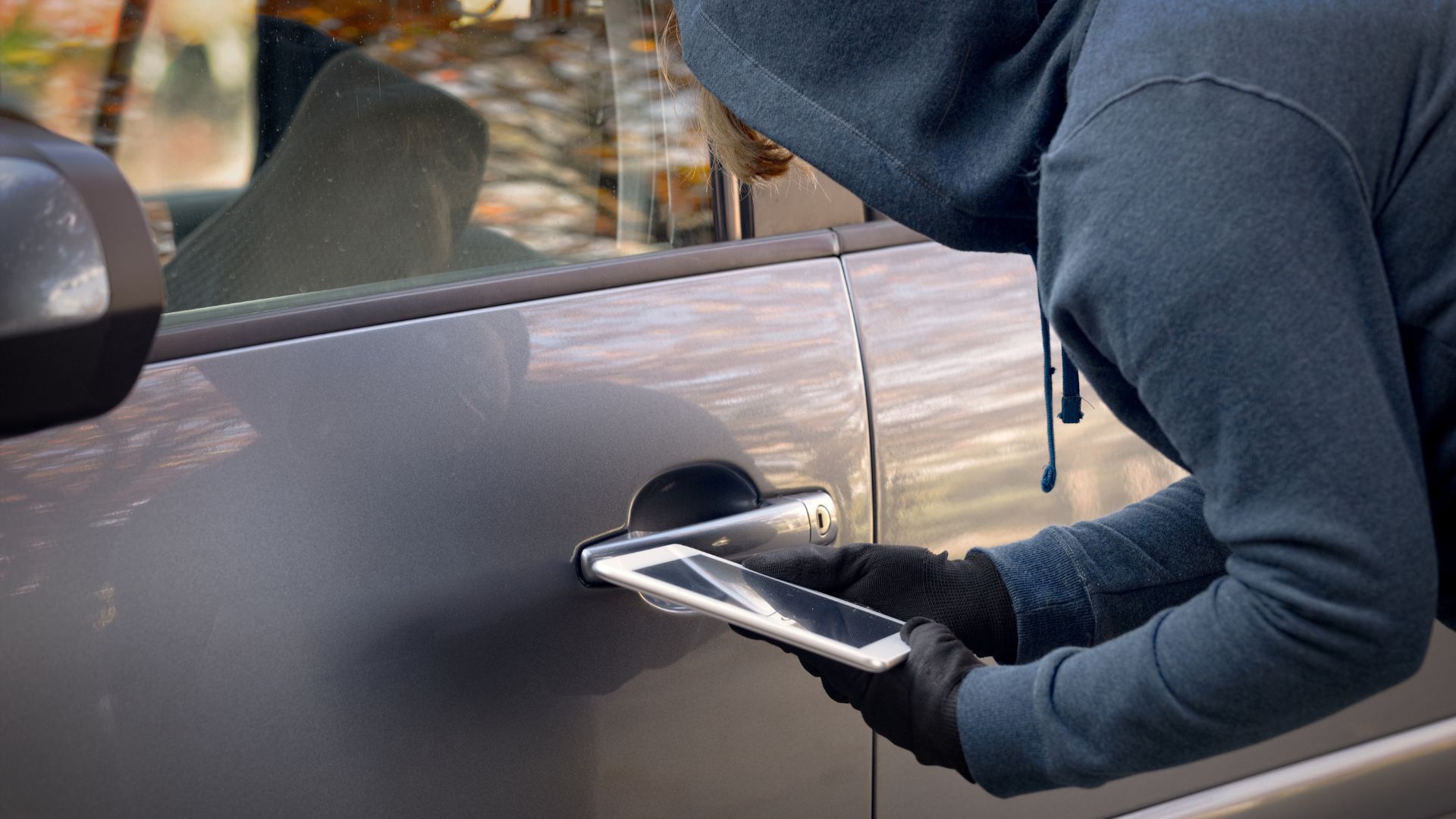

Drivers now expect cars to connect with phones, apps, and remote services that control everyday functions from a distance. As a result, vehicles carry more software than ever before, which means driving no longer depends only on mechanical systems under the hood. Because of that connection, modern cars now store data, transmit information, and communicate with external networks during normal use.
Meanwhile, that growing connectivity draws attention from cybercriminals who see vehicles as another entry point into personal data and financial accounts. Law enforcement agencies now warn that a connected vehicle behaves much like a computer on wheels, which means digital weaknesses inside apps, wireless signals, or vehicle software can give attackers unexpected access.
Consequently, security researchers continue to show how easily small vulnerabilities can turn into larger risks when criminals target vehicle systems. Earlier demonstrations revealed that hackers could interfere with a connected Jeep during a highway test, and that moment forced the auto industry to confront a growing cybersecurity problem tied directly to modern transportation.
Electronic Control Units And Vehicle System Access
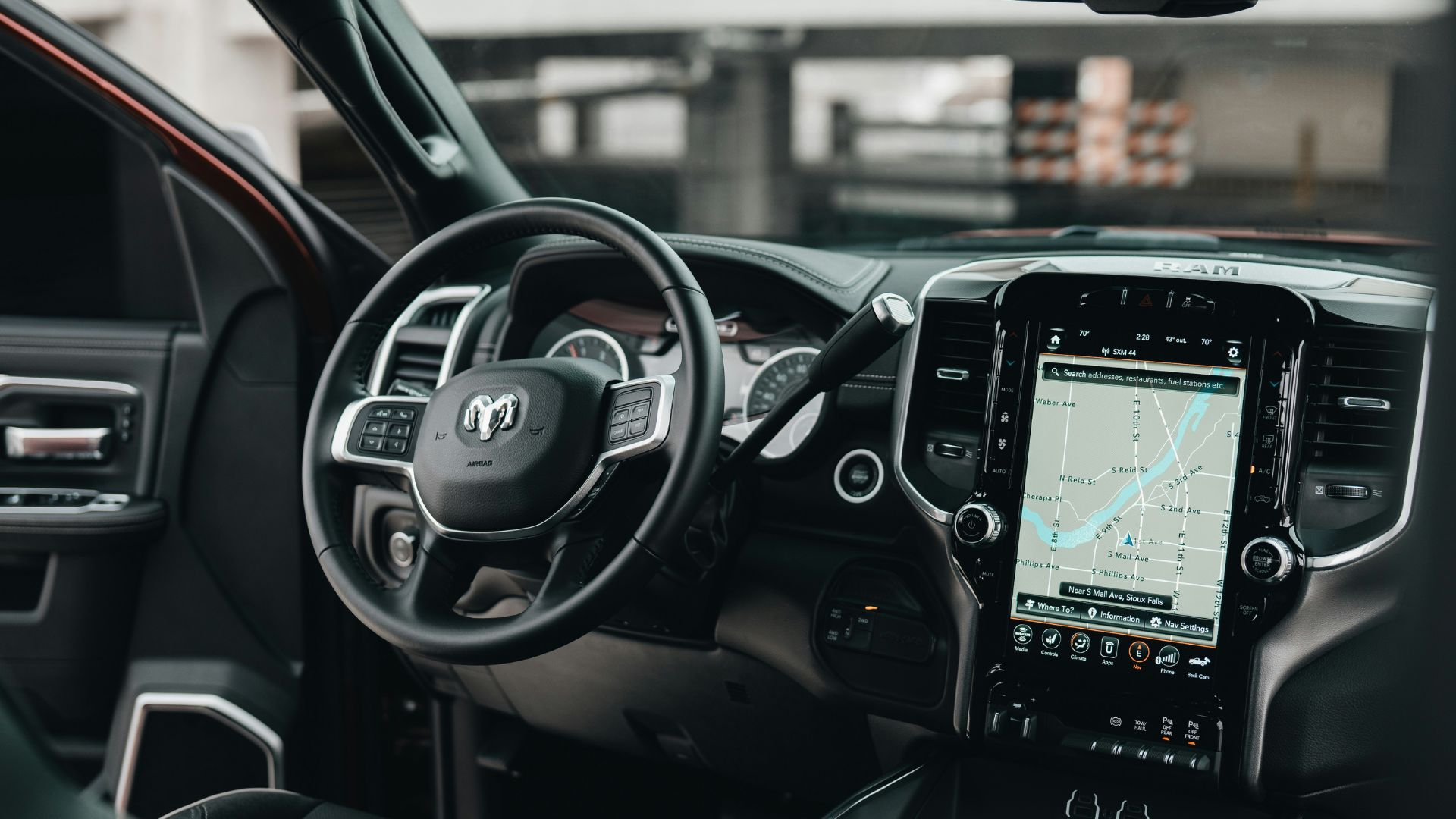
Modern vehicles rely on electronic control units, commonly called ECUs, which manage core functions across braking systems, steering controls, door locks, and onboard infotainment software. As a result, a single vehicle may contain multiple interconnected control modules, and that expanding network allows software to coordinate mechanical functions throughout the car.
Because those modules communicate through internal vehicle networks, unauthorized access to one system can open a pathway toward others inside the same architecture. Consequently, security experts warn that a compromised application, outdated software component, or manipulated device connection can create an entry point that exposes driver data and system controls.
Researchers and law enforcement agencies continue studying how these internal systems exchange digital commands that regulate engine performance, safety features, and vehicle access. As that communication expands through connected services and mobile applications, investigators also track vulnerabilities that link vehicle software access with broader cybersecurity threats targeting modern cars.
CAN Bus Injection And Key Fob Relay Attacks
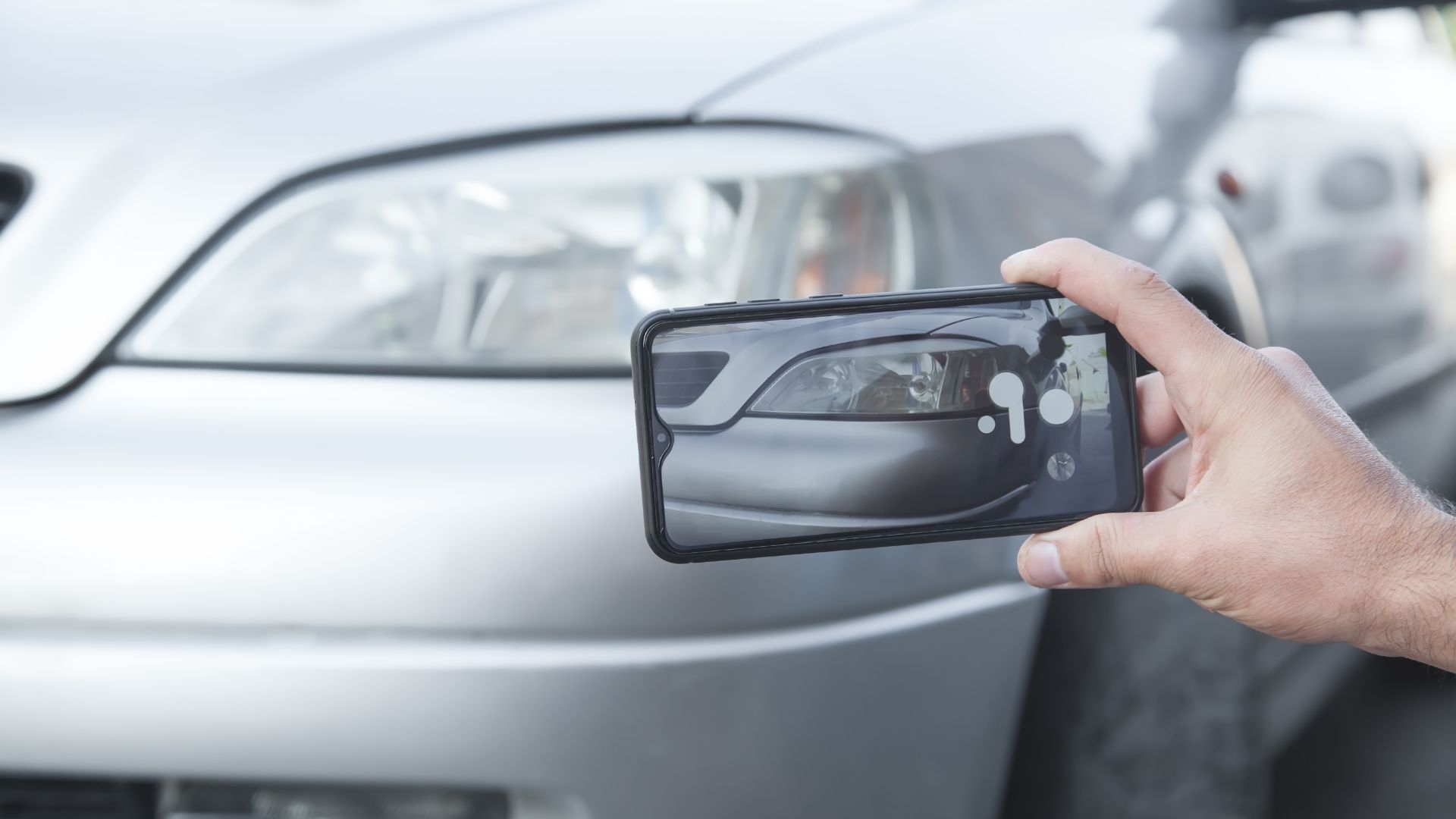
Law enforcement agencies report rising vehicle theft connected to CAN bus injection, a method that targets internal wiring networks hidden behind exterior components like headlights or taillights. Criminals reach those wires and attach a small electronic device that connects directly to the vehicle’s communication system and sends digital commands that imitate an authorized key signal.
The vehicle’s computer then accepts that signal as valid access, which allows the device to unlock doors and disable the engine immobilizer within minutes. Investigators have documented incidents involving certain SUVs, including models such as the Toyota Land Cruiser and Toyota 4Runner, where attackers reach wiring points without entering the cabin.
Relay devices introduce another method that criminals use to capture wireless signals from a nearby key fob and transmit the signal toward the vehicle from a distance. The vehicle receives the forwarded signal and interprets it as a nearby key, which allows the doors to unlock and the engine to start, even when the real key remains inside a house.
Everyday Cyber Habits Drivers Can Adopt
Drivers now interact with vehicles through apps, wireless signals, and connected services, which means everyday digital habits increasingly affect vehicle security. For that reason, authorities encourage drivers to review which phones and accounts remain linked to their cars and remove devices that no longer require access.
Security specialists also advise drivers to rely on manufacturer-approved apps and keep vehicle software updated. Regular updates allow automakers to address newly identified vulnerabilities, which reduces exposure when vehicles communicate with mobile devices and cloud services.
Police departments also recommend visible deterrents that slow down electronic theft attempts. Steering wheel locks remain a common tool because criminals often avoid vehicles that require extra time to access. Consistent habits around device connections and key storage strengthen those layers of protection.