Artifacts Found in 57,000-Year-Old Sealed Cave Surprise Archaeologists


Deep beneath more than 30 feet of sediment along the Loire River in central France, scientists have uncovered a remarkable cache of ancient markings and artifacts in a cave that was sealed off from the outside world between 57,000 and 75,000 years ago, revealing deliberate engravings and stone tools that predate the arrival of modern humans and point to the symbolic capabilities of our extinct relatives. The cave, known as La Roche-Cotard, was long hidden beneath layers of natural debris from flooding and landslides, preserving its contents almost untouched until researchers turned their attention to the chalky walls and sediment inside.
Using 3D scanning and optically stimulated luminescence dating, experts differentiated ancient finger-etched lines and dots carved into the soft tuffeau chalk from modern scratches or animal marks, showing that these patterns follow intentional arrangements rather than random abrasion and have endured since long before Homo sapiens inhabited the region.
Alongside the engravings, archaeologists uncovered Mousterian stone tools and animal bones with cut marks, a combination that strongly suggests Neanderthals were responsible for the cave art and tool use, offering one of the oldest known windows into symbolic thought and behavior among archaic human relatives tens of thousands of years ago.
What the Engravings and Tools Tell Us

The patterns etched into the chalk walls consist of lines, arcs and dots made with fingers that researchers found too structured to be accidental, and comparison with experimental and known Paleolithic markings suggests deliberate and organized creation, a hallmark of symbolic behavior rather than simple functional scratch marks.
Optically stimulated luminescence dating of sediment around the sealed cave entrance indicates the site was cut off from the surface long before modern Homo sapiens arrived in Europe, meaning Neanderthals, not our direct ancestors, were most likely the engravers, a finding that challenges long-held assumptions about when symbolic expression first emerged in the human family.
The presence of Mousterian flake tools, a characteristic Neanderthal stone-tool technology, along with animal bones showing signs of butchering, supports the idea that the cave was inhabited and used by Neanderthals, providing direct archaeological context for the engravings and offering insight into how these archaic humans lived, created and interacted with their surroundings.
Why This Discovery Matters to Science
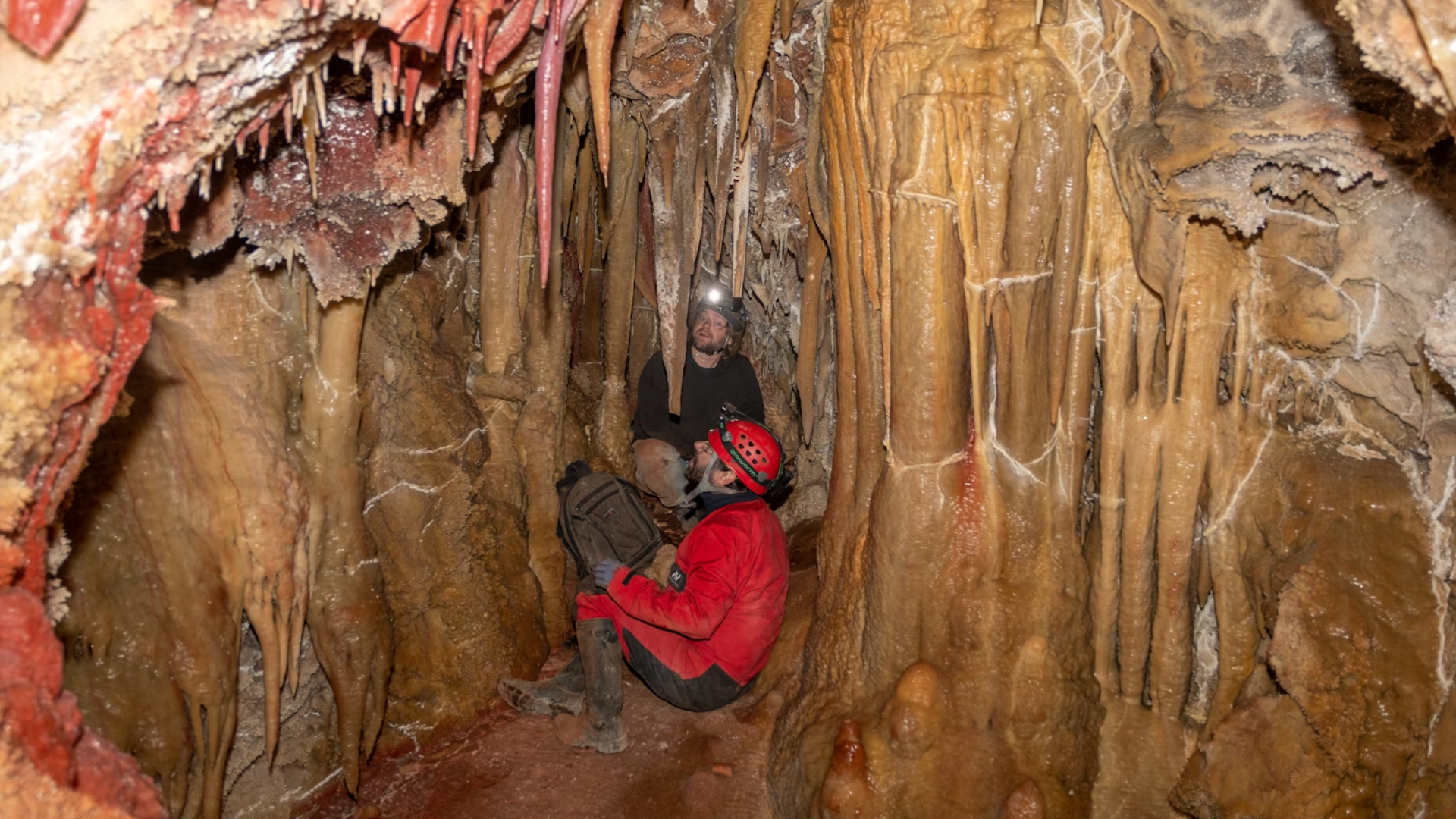
Until recently, the earliest widely accepted Neanderthal cave art dated to around 39,000 years ago, but the La Roche-Cotard engravings, sealed at least 57,000 years ago, push back that timeline significantly and show that Neanderthals may have engaged in abstract symbolic behavior much earlier than previously thought, blurring the lines once drawn between them and early Homo sapiens.
This find adds to a growing body of evidence, including pigment-based hand designs found in other Paleolithic sites, that Neanderthals had complex cognitive abilities and cultural practices, suggesting that symbolic expression was not exclusive to modern humans but shared across multiple human species.
Because the cave remained sealed by natural processes for tens of thousands of years, the engravings and tools inside provide an exceptionally well-preserved snapshot of ancient behavior, allowing researchers to study these materials in context and challenge older assumptions about the intellectual and creative lives of our extinct relatives.
What This Means for Understanding Human Origins

The discovery of this long-sealed cave with evidence of intentional wall engravings and associated tools suggests that Neanderthals possessed a level of symbolic thought and cultural complexity previously underappreciated, expanding our understanding of how early human relatives engaged with art, meaning and their environments.
By placing symbolic behavior earlier in the archaeological record and attributing it to Neanderthals, scientists are reevaluating the cognitive and cultural capacities of archaic humans, prompting new questions about how different human species expressed ideas, communicated and developed traditions.
As further research continues, sites like La Roche-Cotard offer rare and valuable glimpses into prehistoric life, helping researchers piece together not only when symbolic art emerged but how ancient cultures across Europe may have interacted with one another and with their shared world long before modern humans dominated the continent.