Are There Too Many Humans? Study Says Earth May Be Past Its Limit
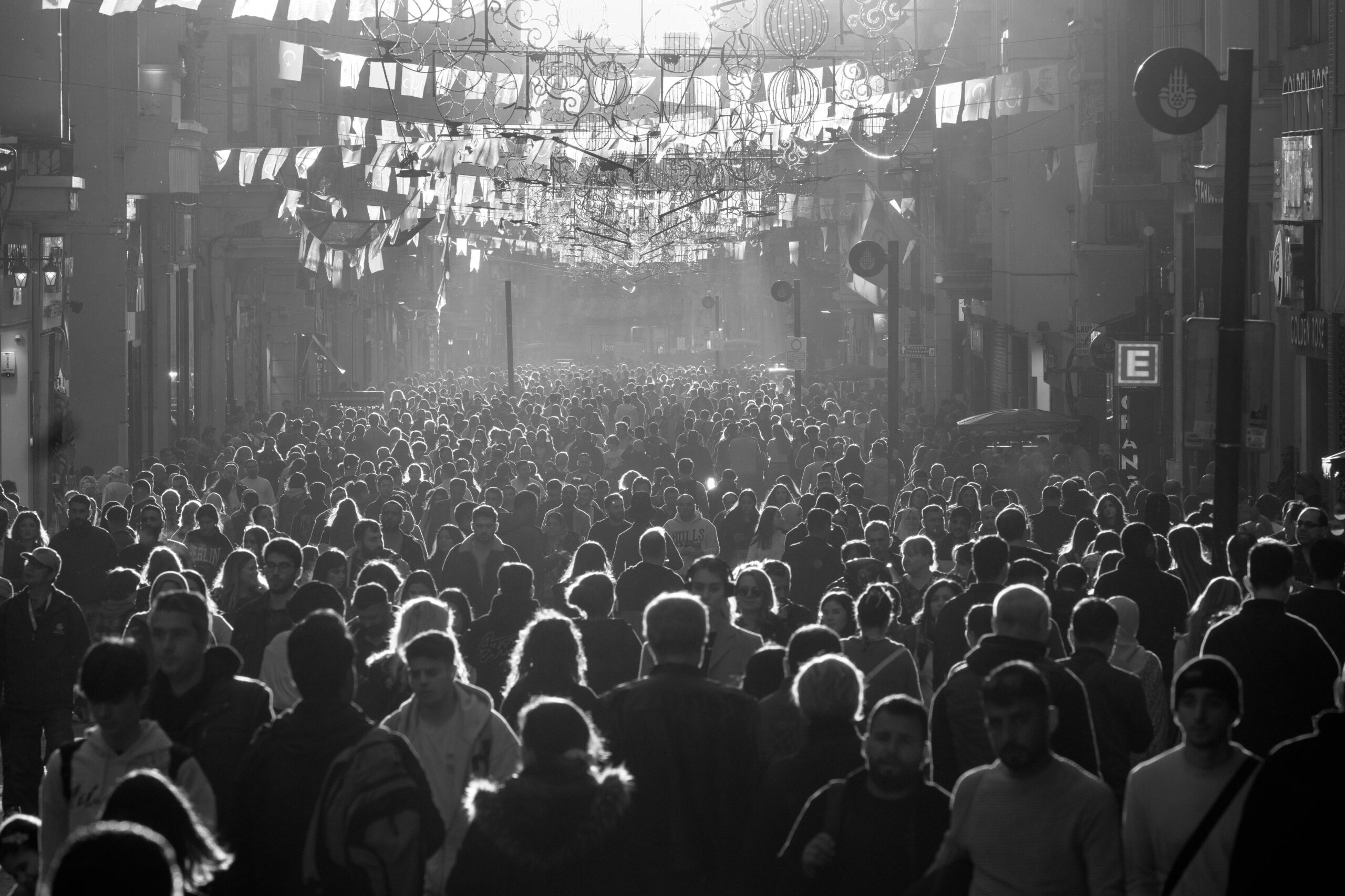

It’s a question most people instinctively push aside: Are there simply too many of us? For years, that idea felt exaggerated—something debated in academic circles but rarely taken seriously in everyday conversation. That’s starting to change. A growing body of research now suggests humanity may already be operating beyond what Earth can sustainably support.
A growing number of scientists now argue that humanity may already be exceeding what Earth can sustainably handle. The concern isn’t just about how many people exist—it’s about how much we consume and how quickly we use up natural systems. Research suggests we are drawing more from the planet than it can regenerate over time.
This gap between supply and demand is what experts call “overshoot.” It’s not a sudden collapse scenario, but a slow buildup of pressure—one that affects everything from climate stability to food systems. And unlike past warnings, scientists now say this isn’t theoretical. It’s already happening.
How Humanity Expanded Beyond Natural Limits
So how did we get here? For most of human history, population growth was naturally limited by resources—food, water, and energy. But over the past century, one factor changed everything: fossil fuels. Cheap, abundant energy allowed humanity to bypass natural constraints in ways never seen before.
With fossil fuels, we scaled up food production, built global supply chains, and supported billions more people than ecosystems alone could sustain. Fertilizers, transportation, and industrial systems all became extensions of that energy advantage.
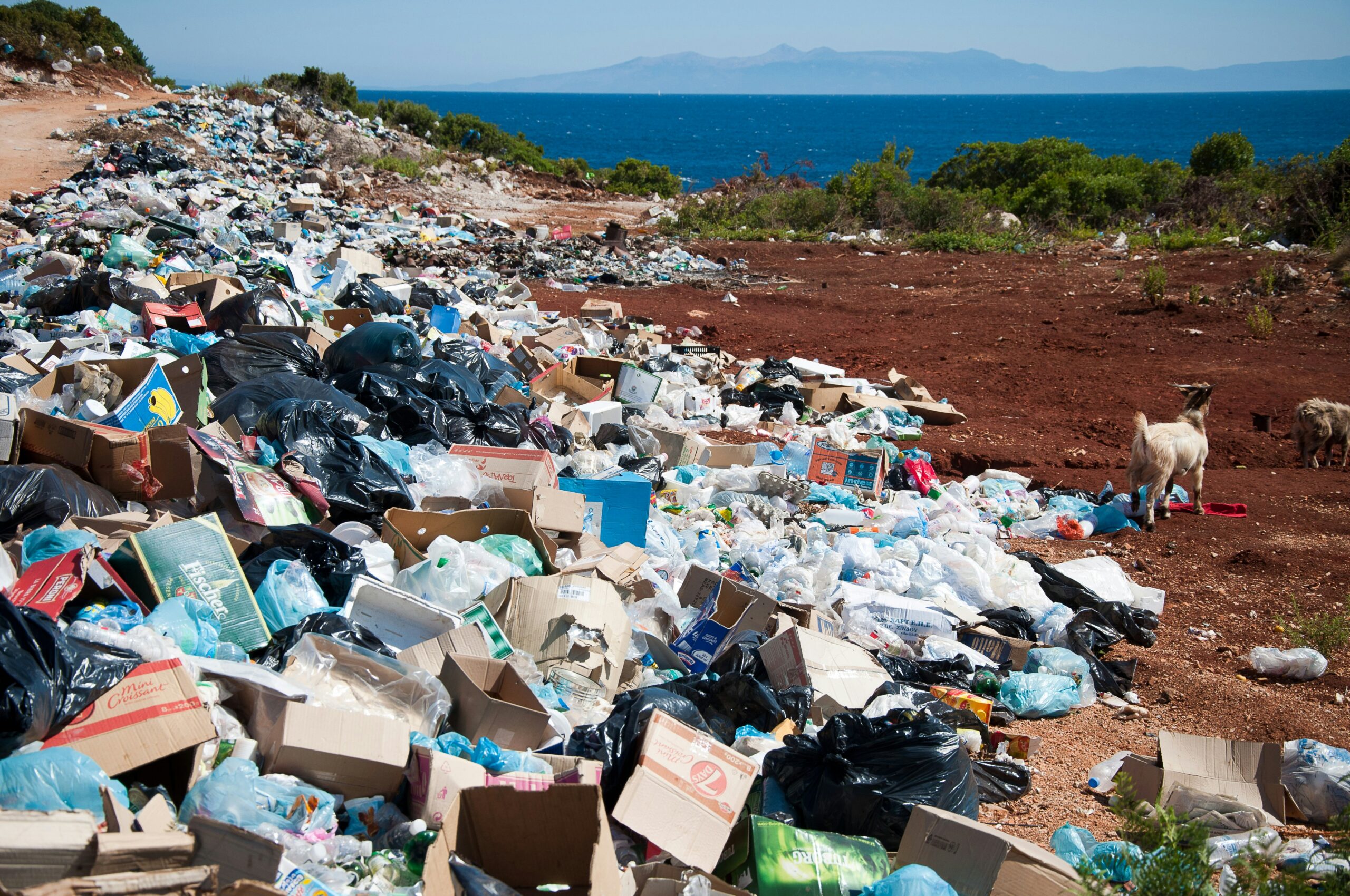
But this expansion came at a cost. Natural systems have been stretched beyond their limits, while emissions, pollution, and environmental degradation have quietly accumulated. Fossil fuels didn’t remove limits—they delayed them. Now, those limits are starting to show up again.
The Number That Changes the Debate

One of the most striking findings from recent research is the estimate of Earth’s “sustainable population.” This doesn’t refer to the maximum number of people the planet can hold under extreme conditions. It refers to a level where people can live comfortably without degrading ecosystems over time. And that number may be far lower than expected.
According to the study, a sustainable global population could be closer to 2.5 billion people. That’s a fraction of today’s roughly 8.3 billion. This doesn’t mean scientists are predicting a population crash. Instead, it highlights how dependent modern society is on systems that aren’t sustainable in the long run.
At the same time, population growth itself is slowing. Projections suggest the global population may peak later this century—around 11 to 12 billion—before stabilizing. But even a peak doesn’t solve the problem if resource use continues at current levels.
What Matters More Than the Number of People
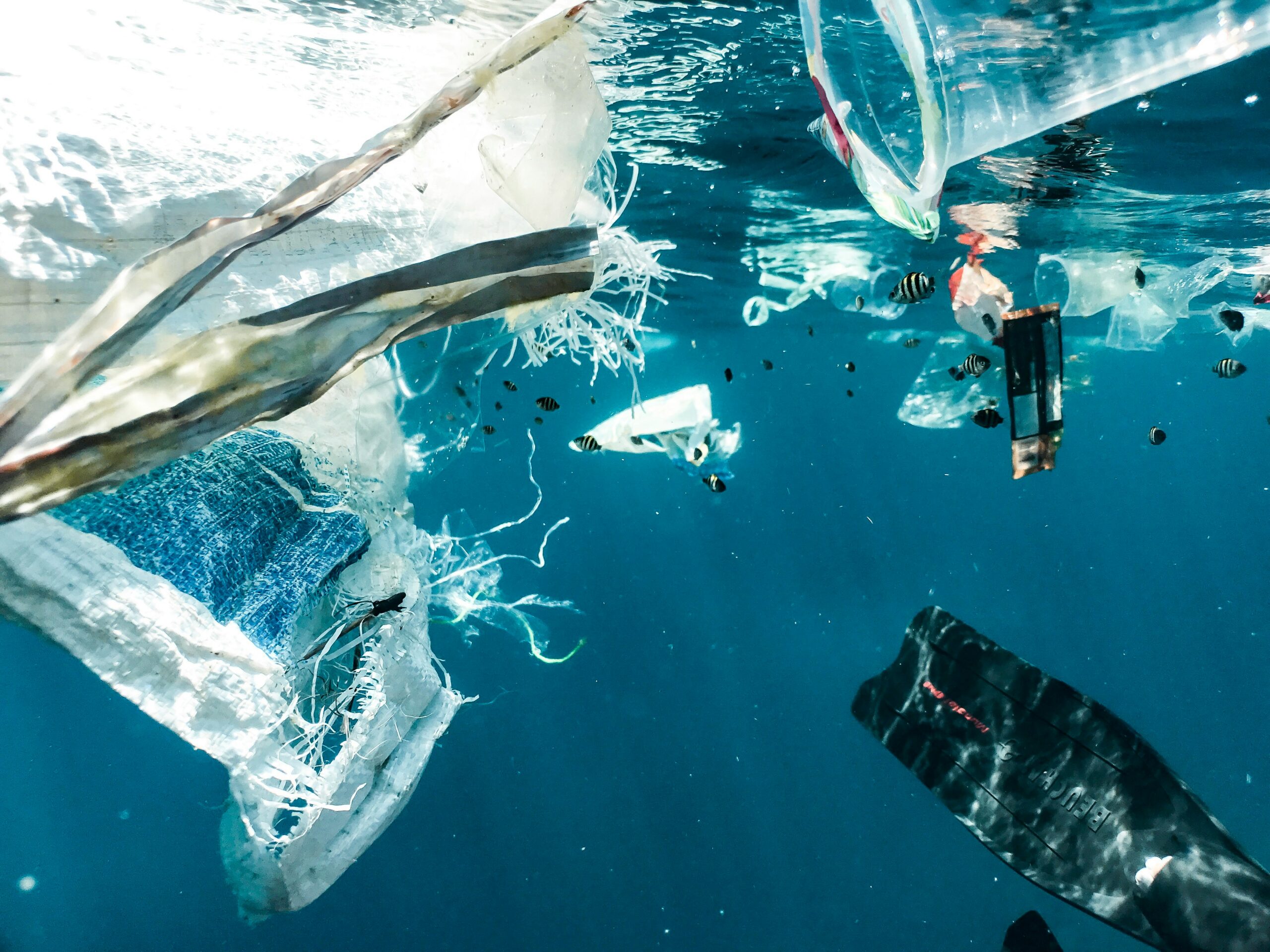
It’s easy to assume this is simply about having too many people. But the reality is more nuanced. Consumption plays a massive role. A smaller population with high resource use can create more environmental strain than a larger population living more efficiently. That’s why the issue isn’t just population—it’s population combined with how we live.
Still, research shows that total population size remains a powerful driver of environmental stress. In many cases, it explains changes in emissions, ecological footprint, and temperature trends more than per-person consumption alone. This means both factors—numbers and behavior—are deeply connected.
The most important takeaway is forward-looking. The study doesn’t suggest humanity is doomed. It suggests the current path isn’t sustainable without change. Population growth is already slowing, and there is still room to adjust how we use energy, food, and resources. Because in the end, the real question isn’t just how many people Earth can support. It’s whether the way we live today allows future generations to do the same.