Archaeologists Uncover Legendary Golden Armor Once Dismissed as Myth
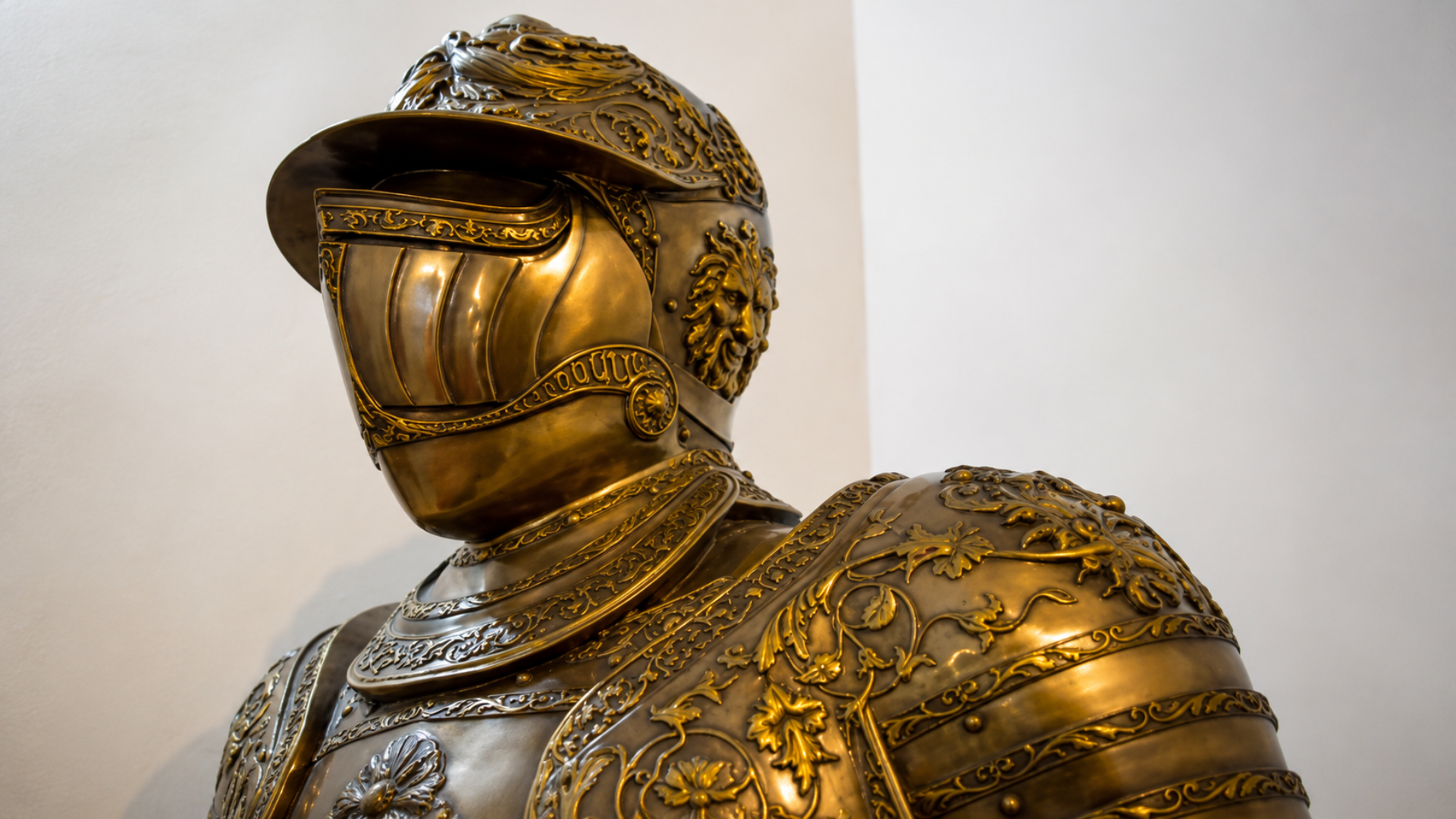

For more than a thousand years, the golden armor of Tang dynasty warriors existed only in poetry. Scholars treated the image as metaphor, a literary flourish meant to glorify soldiers on China’s desert frontiers. Then, inside a royal tomb on the Tibetan plateau, archaeologists pulled fragments from the earth that would upend that assumption entirely. The armor was real, it had survived, and it was waiting inside the burial chamber of a Tuyuhun king.
Excavations at the Xuewei No. 1 Tomb in Dulan County, Qinghai Province, began in 2018. When researchers first entered the burial site, they found bronze plates scattered across the floor, badly broken and corroded from more than twelve centuries underground. Past looting had displaced and damaged many pieces. Some fragments were so brittle that handling them risked further destruction. At first, no one was certain what they were looking at. The find did not immediately announce its own significance.
Years of painstaking laboratory work followed. As conservators cleared debris and examined the metal more closely, they confirmed the plates were gilded bronze coated in real gold leaf. Scientific testing showed the bronze plates were covered in gold leaf or plating, and researchers noted that the use of actual gold points to elite ownership rather than decorative imitation. The tomb’s occupant was confirmed as a Tuyuhun king, and the armor’s extraordinary material suddenly aligned with something once thought purely fictional. The legend had a body now, and it was buried in Qinghai.
A Kingdom at the Crossroads of Empires
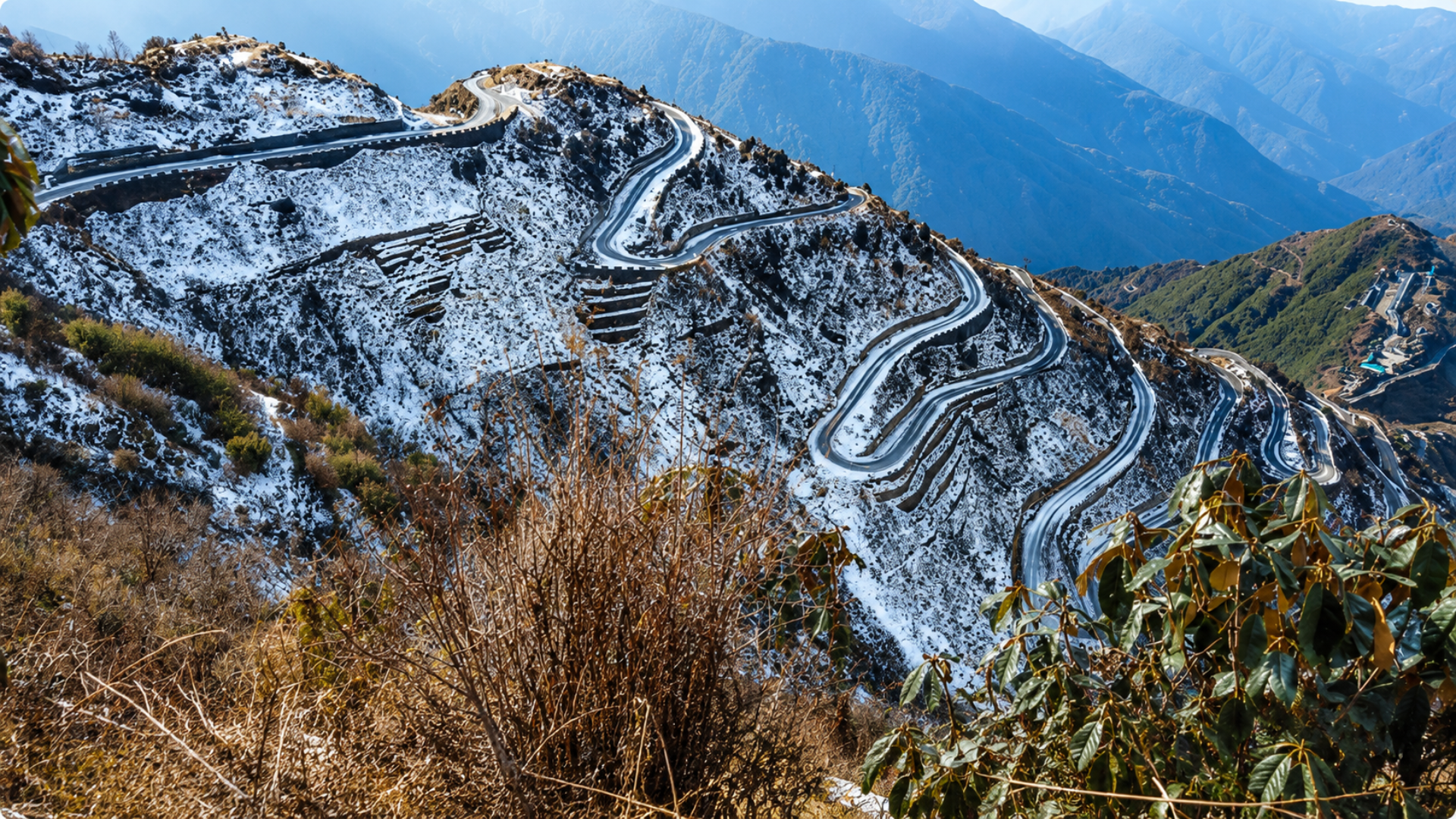
The Tuyuhun were no minor dynasty. Established in the 3rd century, the Tuyuhun controlled strategic routes across the Tibetan plateau and played a central role in Silk Road trade, making Dulan County one of the most important transit points in early medieval Asia. Their kingdom sat at the intersection of powerful empires, absorbing cultural influences from Tang China to the west and the Tibetan Tubo empire pressing from the south. The king buried at Xuewei No. 1 ruled at the height of that entanglement.
In that geopolitical context, glittering armor could signal prestige as much as protection, especially in a region defined by trade routes, shifting alliances, and high-stakes diplomacy. A king who controlled Silk Road passage needed to project authority, and few materials communicated power as viscerally as gold. The armor was almost certainly ceremonial rather than battlefield equipment, a symbol of royal standing worn to assert dominance over those who crossed the plateau routes the Tuyuhun commanded for centuries.
Gold artifacts and silk textiles recovered alongside the armor reinforce the picture of elite status, while tree-ring dating of the wooden tomb structure places the burial firmly in the mid-eighth century. That timeline puts the king’s death squarely in the Tang dynasty period, the same era Wang Changling immortalized golden armor in verse. The tomb’s contents now bridge two worlds: the literary imagination of Tang court poets and the material reality of a king who actually possessed the object they described.
Piecing Together What Time Had Scattered
The restoration was one of the most technically demanding projects in Chinese conservation history. According to cultural heritage conservation expert Guo Zhengchen, speaking at a press conference during the armor’s unveiling on January 14, the team adopted a strategy of “disassembling the whole into parts and reassembling the parts into a whole, conducting layered cleaning, extraction and protection while meticulously cataloguing each armor plate.” Every fragment had to be documented, stabilized, and cross-referenced before any reconstruction could begin. The work stretched across years.
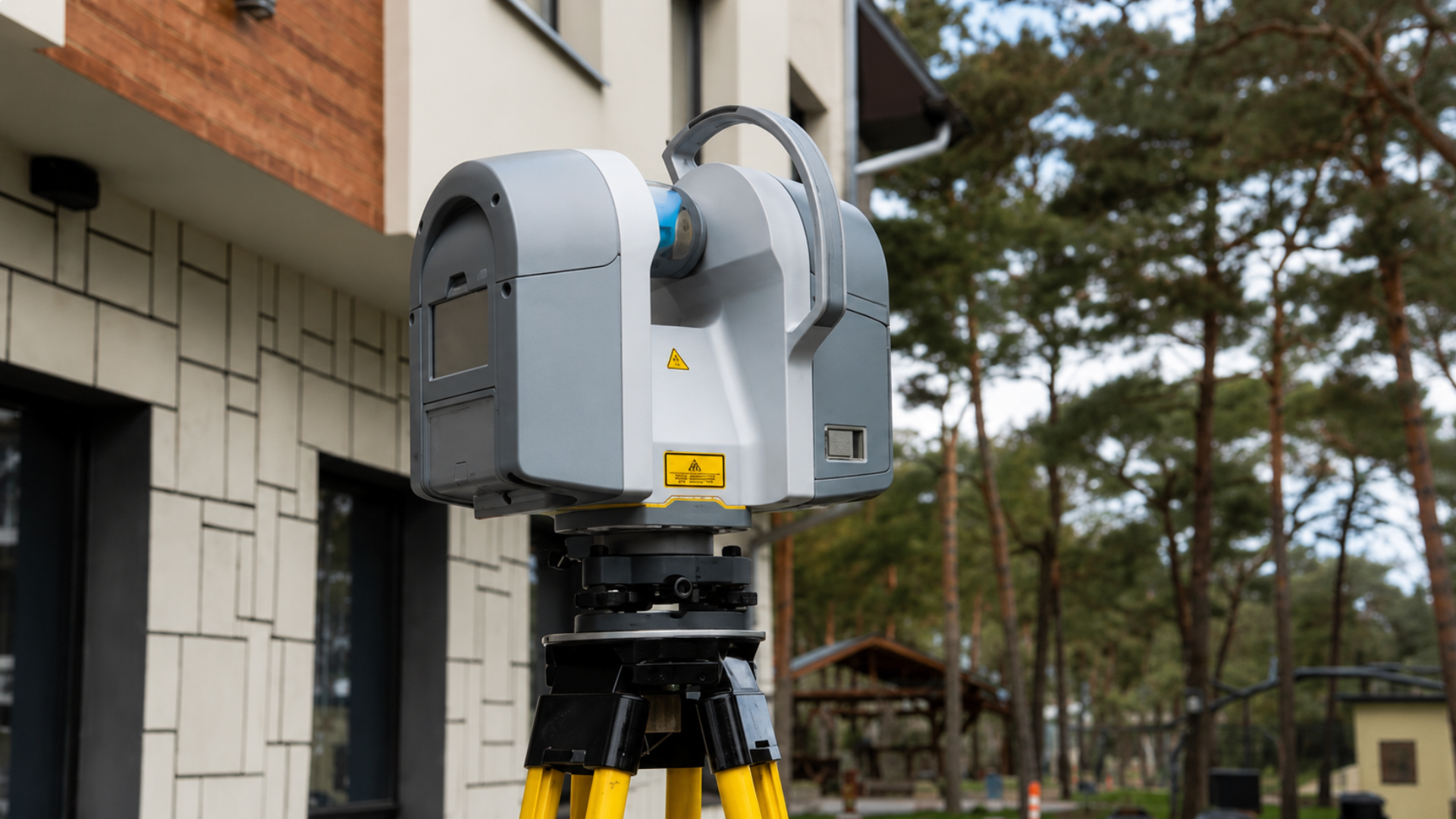
The tomb had been subjected to earlier looting and salvage excavations, leaving the armor plates heavily fragmented and severely deteriorated. Modern technology filled the gaps where physical material was missing. The team deployed 3D scanning, microscopy, and virtual and augmented reality tools to model what could not be manually reconstructed. Those technologies allowed conservators to produce a digital recreation of the full suit, showing how the armor most likely appeared when the king wore it, centuries before the tomb was sealed and forgotten.
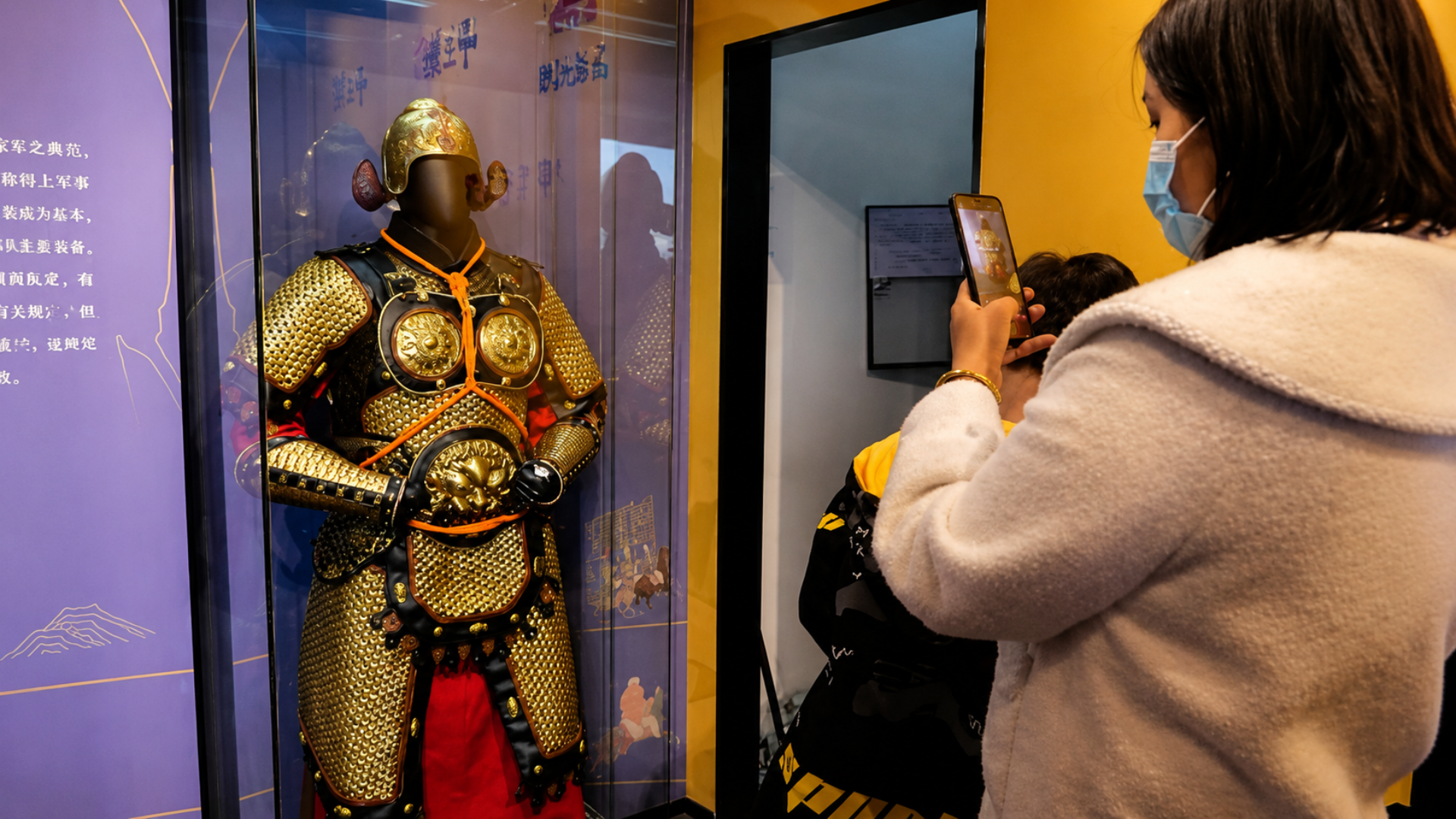
The excavation and salvage work was carried out between 2022 and 2025 by the Key Laboratory of Archaeological Sciences and Cultural Heritage at the Chinese Academy of Social Sciences, which unveiled the restored armor in January 2025. The Chinese Academy of Social Sciences described the approach as enabling the scientific restoration of “several sets of precious cultural relics that were severely damaged and structurally complex,” a category this suit now stands alone in as the only confirmed physical example of Tang dynasty golden armor.
One Tomb, an Entire World Recovered
The golden armor was the centerpiece, but the tomb held more. Conservators also recovered a lacquered horse armor trimmed with gold along its edges, alongside a lacquered tray designed to hold grapes, featuring intricate gold-and-silver inlay work characteristic of Tang dynasty craftsmanship. Together these objects sketch a portrait of a ruler who surrounded himself with luxury, a king whose possessions reflected both the wealth flowing through Silk Road trade and the artistic traditions of the Tang court itself.
The horse armor carries particular weight. Alongside the armor, the tomb yielded other high-status finds including lacquered horse armor, and the research team presented the restoration as part of a wider window into funerary ritual, production techniques, and cultural exchange on the Qinghai-Xizang Plateau. Equipping a horse for burial alongside its royal rider was a statement about status and identity in the afterlife, a practice that places the Tuyuhun king within a broader tradition of Tang-era funerary display shared across the empires that competed for the plateau.
Tang poet Wang Changling wrote that soldiers would stay in the desert until the enemy fell, even if their golden armor wore thin a hundred times. For more than a millennium, those lines lived only on paper. The burial dates to the mid-eighth century and belonged to a king of the Tuyuhun, a powerful people who once controlled large stretches of China’s western frontier before becoming entangled with the Tang dynasty and the Tibetan Tubo empire. The armor did not just confirm a legend. It confirmed that the poets were writing from a world where golden armor was a concrete, tactile reality carried by kings into their tombs.