Ancient DNA Analysis Suggests Syphilis Existed in the Americas Before European Contact, Stirring Debate About Origins
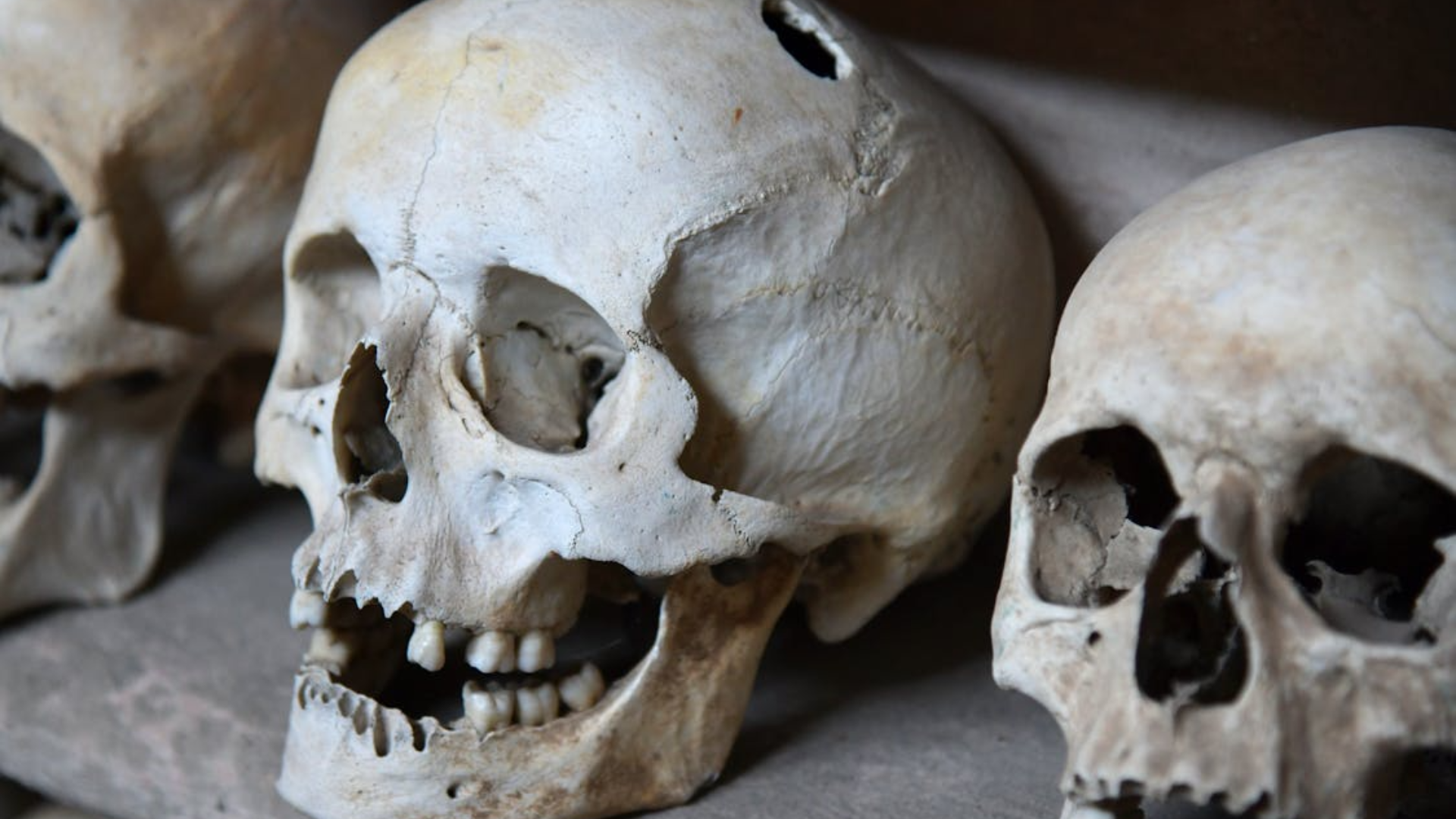

New research involving the genetic analysis of a 5,500-year-old human skeleton unearthed in what is now Colombia has uncovered evidence of treponemal disease, the bacterial family that includes syphilis, predating European arrival in the Americas by thousands of years, challenging long-standing assumptions about when and where the disease first emerged and reigniting debate among anthropologists and historians about its origins.
Unlike previous cases in which skeletal remains hinted at treponemal infection but lacked conclusive genetic proof, the Colombian skeleton contained ancient DNA that showed clear markers associated with treponemal disease, suggesting that pathogens closely related to modern syphilis were present in the Americas long before Europeans set foot in the region a finding with implications for the controversial “Columbian” versus “pre-Columbian” models of syphilis’s historical spread.
The discovery underscores how ancient diseases and their histories are more complex than previously understood, because evidence from archaeological sites across the globe has been interpreted in different ways depending on regional dating methods, burial contexts and the preservation of skeletal and genetic material, with this new analysis adding a significant piece to the puzzle of how treponemal diseases evolved and moved among human populations before global exploration began.
What the Ancient DNA Reveals About Treponemal Disease
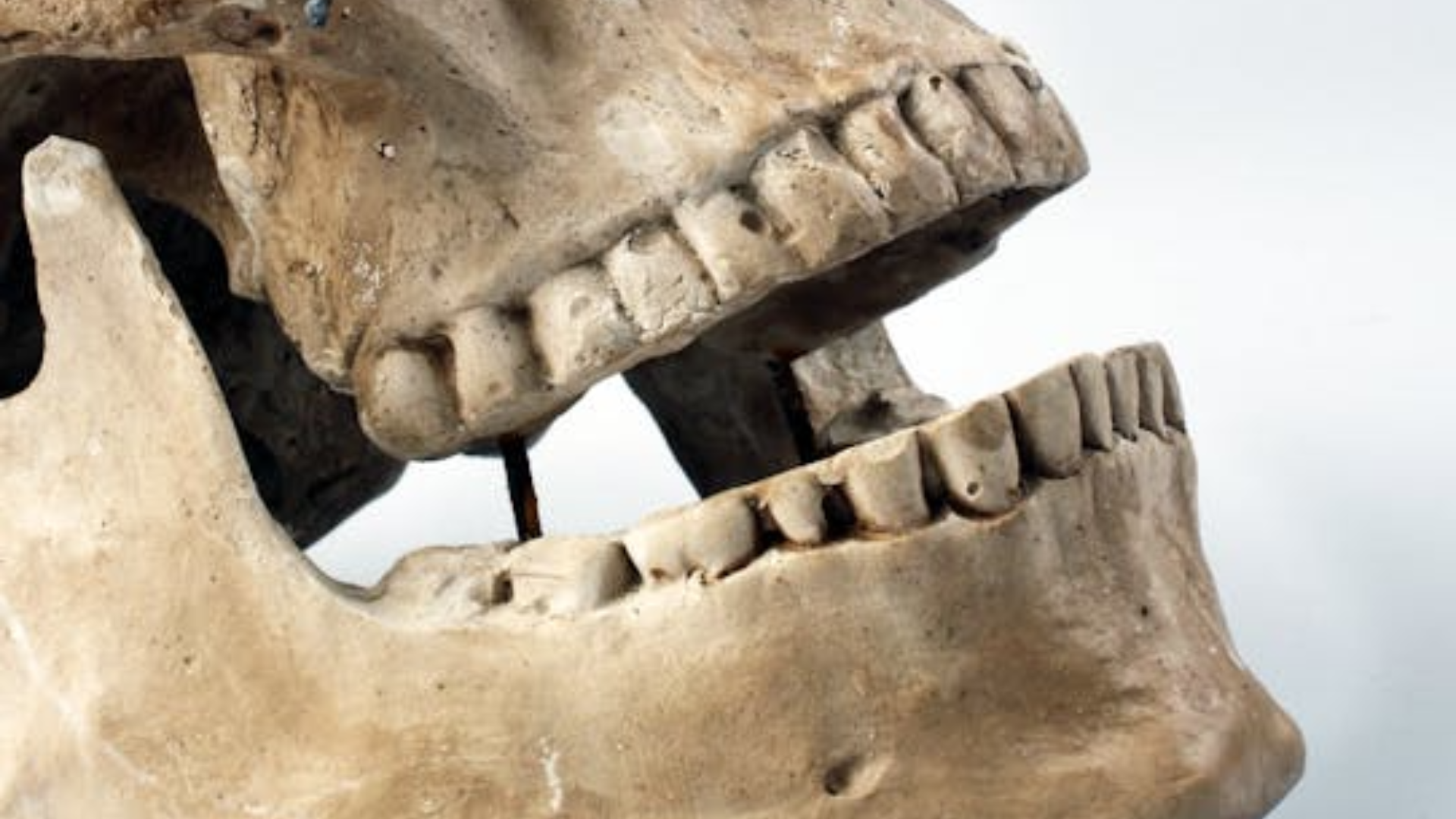
Treponemal diseases, including syphilis, yaws and bejel, leave telltale marks on the skeleton, particularly in bones and teeth, but distinguishing between specific treponemal diseases based solely on skeletal changes has been notoriously difficult; that’s why ancient DNA analysis in the Colombian find is especially important, because it provides molecular evidence that can help clarify which pathogens were present and how closely related they were to modern disease strains.
The genetic sequences isolated from the ancient remains show similarities to treponemal bacteria, but researchers caution that the pathogen profiled may not be identical to modern syphilis, meaning that while it likely belonged to the same family, the disease dynamics, severity and transmission patterns in ancient populations might have differed from the venereal syphilis that became widespread in later centuries.
This evidence also highlights how ancient pathogens can persist over millennia and adapt to human hosts, and how migrations, lifestyle changes, climate fluctuations and intercontinental contact can shape the evolution and geographic distribution of infectious diseases, a topic that continues to attract scientific interest as researchers work to reconstruct the long-term history of human health and disease.
Why This Finding Matters for the Origins Debate

For decades, scholars have debated the origins of syphilis, with the Columbian hypothesis asserting that the disease was carried from the Americas to Europe by sailors returning from Christopher Columbus’s voyages, and the pre-Columbian hypothesis claiming that syphilis existed in the Old World before European contact; this latest genetic evidence lends weight to the latter argument in at least the American context, suggesting that treponemal bacteria closely related to syphilis were present long before trans-Atlantic voyages began.
Critics of the traditional view point out that skeletal evidence from Europe traditionally cited as pre-Columbian syphilis has often been ambiguous or misdated, making genetic proof like that from the Colombian skeleton particularly valuable because it offers a more secure window into ancient disease presence rather than relying solely on morphological interpretations.
Still, researchers emphasize that one analysis does not resolve centuries of debate, and that broader datasets from multiple archaeological sites on different continents will be needed to build a comprehensive picture of how treponemal diseases emerged, diverged and spread among early human populations, particularly given the complex interplay of environment, mobility and cultural practices over thousands of years.
What It Tells Us About Ancient Human Health

The Colombian DNA find demonstrates the power of modern scientific tools to illuminate ancient health conditions, because techniques such as high-throughput sequencing and careful contamination controls allow researchers to extract and interpret genetic material that would have been invisible to earlier generations of archaeologists relying solely on bones and field reports.
By expanding our understanding of disease in antiquity, this research not only helps clarify the story of specific pathogens like treponemal bacteria but also contributes to a broader narrative about how humans have co-existed with microbes over millennia, shaping immune responses, cultural practices and even social structures around sickness and health care.
As scientists continue to analyze ancient DNA from sites around the world, future discoveries may further refine or challenge current models of disease history, revealing complexities in how pathogens evolved alongside humans and how ancient populations adapted to infectious threats long before modern medicine existed.